The Rail Renaissance Across Old Europe
For decades, low-cost commercial aviation dominated international travel across the European continent without serious challenge. Flying between capitals became as cheap as it was fast, relegating traditional rail to regional commutes or daytime high-speed corridors. However, climate urgency and widespread fatigue with airport congestion have driven a Copernican shift. Night trains, once consigned to total extinction following the massive service cuts of the 2010s, are experiencing a profound moment of institutional and commercial reclamation.
This phenomenon is not driven by mere nostalgic whim, but by structural mobility strategy. The European Union has categorized the revitalization of night trains as a fundamental pillar to meet its ambitious decarbonization targets. While commercial aviation is responsible for a disproportionate share of greenhouse gas emissions per passenger-kilometer, rail offers markedly superior energy efficiency, especially when networks are powered by renewable energy sources.
Deploying these routes, however, requires unprecedented coordination between state-owned and private operators. Cross-border corridors face technical and historical challenges ranging from incompatible signaling systems to a scarcity of specialized rolling stock. Despite these obstacles, traveler demand far outstrips current supply, proving that a massive public exists willing to prioritize sustainability and relaxed comfort over the stressful immediacy of airports.
The Anatomy of New Railway Rolling Stock
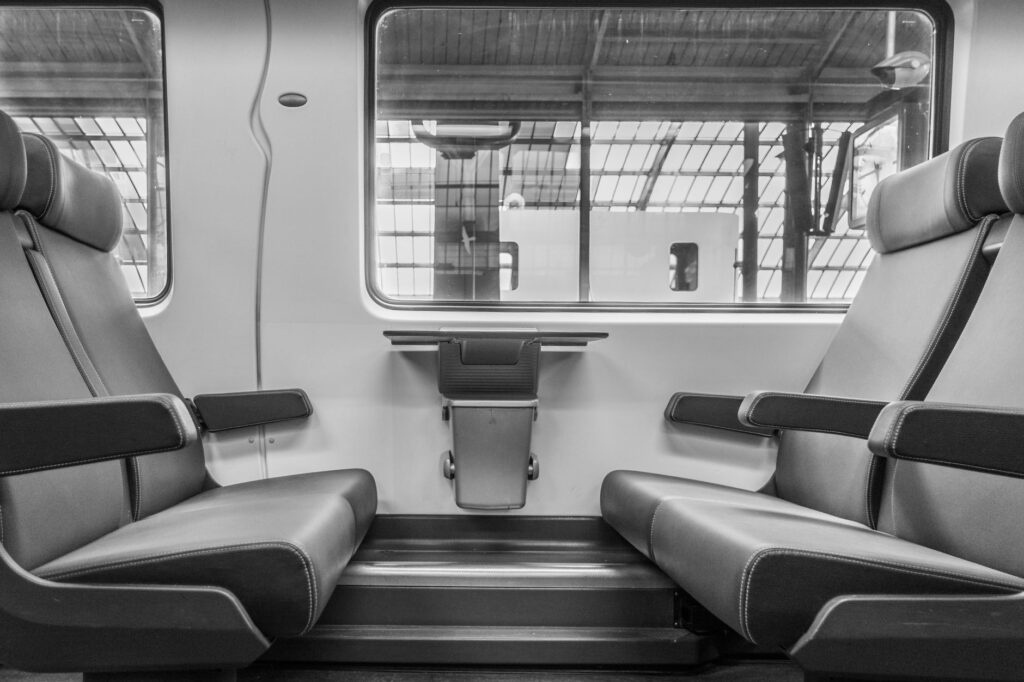
Modernizing the concept of the night train meant definitively abandoning the outdated image of old, poorly ventilated shared couchette cars. Fleet renewals undertaken by operators such as Austria’s ÖBB, France’s SNCF, and private startups sprouting across Central Europe have focused on ergonomic design, privacy, and spatial efficiency. The new compositions incorporate not only traditional sleeper compartments but also innovative individual capsules—popularly known as mini-cabins—that optimize capacity without sacrificing personal space.
These technological upgrades directly impact the passenger experience. State-of-the-art acoustic insulation systems minimize the classic clatter of the tracks, allowing for genuine rest during the journey. Likewise, intelligent climate control and adjustable lighting impose a standard of comfort comparable to the hotel industry. Contemporary interior design proves that sustainable mobility does not need to come at the expense of well-being and aesthetic refinement.
Another key aspect of modern railway engineering is the modularity of the carriages. Operators seek flexible configurations that can quickly adapt to seasonal demand, increasing shared couchette capacity during holiday peaks while reinforcing private options for business travelers. This operational versatility is indispensable to guarantee the economic viability of routes that have historically depended on heavy public subsidies.

Redesigning Key Cross-Border Corridors
The European night train map is anchored today around strategic axes connecting metropolises separated by six hundred to a thousand kilometers or more. Iconic routes such as the link between Vienna and Berlin, or Zurich and Amsterdam, have consolidated as vital green transport arteries. These journeys allow passengers to board at dusk in one nation’s financial center and wake up at dawn in another’s heart, completely eliminating the need for transit hotel stays or wasting hours in airport security lines.
The expansion of this network, however, proceeds at a moderate cruising speed due to the complexity of managing timetables on tracks shared with freight trains and daytime high-speed services. Railway operators must constantly negotiate with national infrastructure managers to guarantee the priority of long-distance night services. International cooperation remains the only viable path to consolidate a truly unified and competitive European railway space.
- Central Corridor: Connections linking Vienna, Munich, Berlin, and Hamburg with high frequency.
- Alpine Corridor: Routes connecting Zurich and Vienna with Italian destinations such as Rome, Milan, and Venice.
- Atlantic-Baltic Corridor: Initiatives under development to link Paris with capitals in Central and Eastern Europe.
Operational Challenges and the Funding Paradox
Despite media and social enthusiasm, the night train industry operates under razor-thin financial margins. Acquiring new sleeper cars certified for multi-border circulation represents a multi-million-dollar capital investment that few operators can shoulder without state backing. Maintenance costs for specialized rolling stock and track access charges—the tolls trains pay to infrastructure managers—remain disproportionately high compared to the indirect subsidies historically enjoyed by aviation.

The night train is not a nostalgic whim, but critical infrastructure for the ecological transition that requires a fair fiscal and regulatory framework compared to aviation.
Furthermore, European regulatory complexity penalizes commercial agility. Each country maintains specific technical and safety regulations for its rail networks, forcing costly homologations of locomotives and carriages at every border. The European Union Agency for Railways is working to harmonize these processes, but full transition is still projected for the long term, temporarily limiting operators’ ability to respond swiftly to unmet demand.
Socioeconomic Impact on Peripheral Regions
The return of night trains transcends mere carbon emission efficiency; it acts as a powerful motor for territorial rebalancing. Mid-sized cities and peripheral regions left out of mass commercial aviation routes find in rail a direct lifeline to reactivate their tourism and commercial economies. Requiring no vast surfaces for airport infrastructure, train stations are historically situated in urban centers, facilitating an immediate flow of visitors into the local fabric.
This model also fosters slower, more environmentally respectful tourism. Travelers choosing the train tend to stay longer at their final destinations and show a greater willingness to explore less-crowded territories via secondary rail connections. Decentralizing European tourism through a capillary public transport network is the best defense against the overcrowding of major capitals.

Intermodal Integration as the Key to the Future
For the night train experience to be truly competitive, it must seamlessly mesh with the rest of the sustainable transport networks at origins and destinations. Timetable synchronization with regional buses, urban subways, and bike-sharing services is indispensable so travelers can completely dispense with private vehicles. Modern stations thus transform into integral mobility hubs where sustainability is experienced from the first to the last mile of the journey.
Smart Planning and Practical Tips for the Traveler
Traveling by night train demands a shift in mindset regarding trip planning. Unlike flights, where booking early does not always guarantee better rates due to dynamic algorithms, international rail requires advance booking, especially during holiday periods. Spaces in private cabins or popular capsules sell out weeks in advance.
It is crucial to understand the fare structures of different operators. While some offer integrated tickets covering the entire journey with connection guarantees, others fragment service among different companies, which can complicate claims in case of severe delays. Consulting specialized platforms for cross-border rail routes and reviewing delay compensation policies is part of the mental equipment of every contemporary traveler.
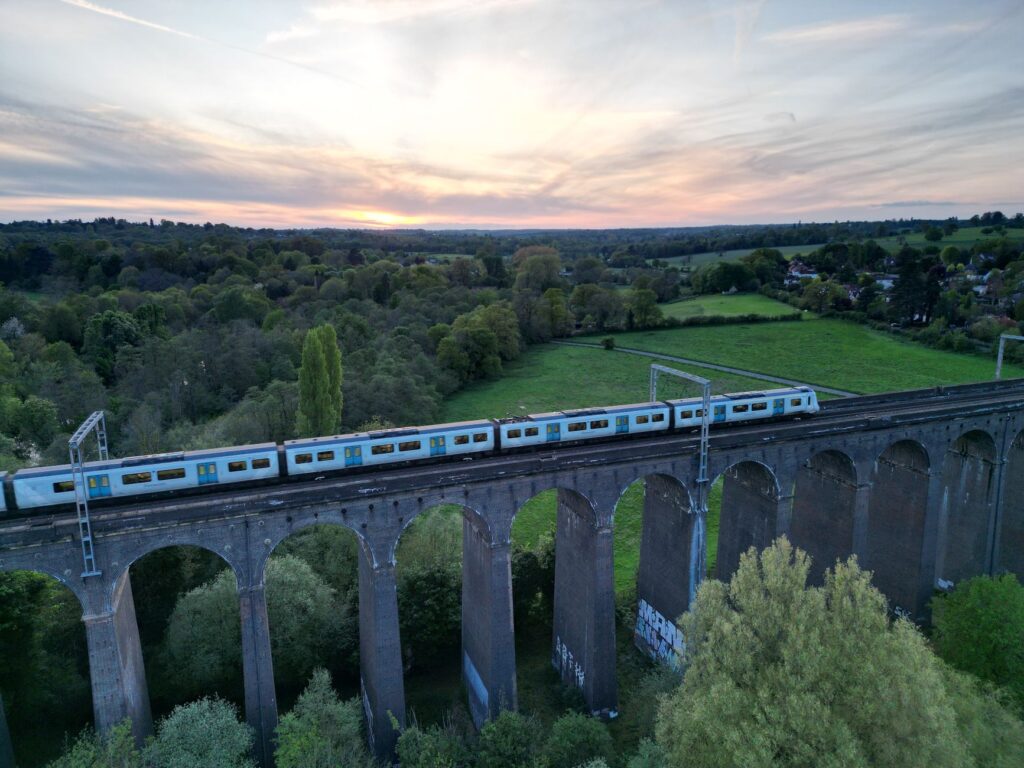
Planning a night train journey is an exercise in conscious disconnection that transforms transit into an essential and enriching part of the adventure itself.
Likewise, travelers should equip themselves appropriately to optimize rest on board. Although modern services provide clean bedding, earplugs, and sleep masks, bringing personal comfort items and provisions of light food and water ensures a more autonomous and pleasant experience, recalling that travel itself has regained its cultural value.
Horizons and Perspectives a Decade Ahead
The future of European long-distance transport is being drawn on rails. Projections of rail infrastructure investment for the coming decade herald a denser, faster, and more coordinated network. Public pressure to curb the climate crisis, combined with the political will of Community institutions, is tearing down the historical barriers that condemned night trains to marginality at the end of the last century.
The definitive consolidation of this model will prove that traveling long distances without compromising the planet’s future is entirely possible. The railway revival is not just a matter of engineering or transport economics, but a reconquest of time and space on a human scale, where the journey ceases to be a mere formality and becomes a manifesto of sustainability and respect for the European landscape.