

Introduction to a Silenced Legacy
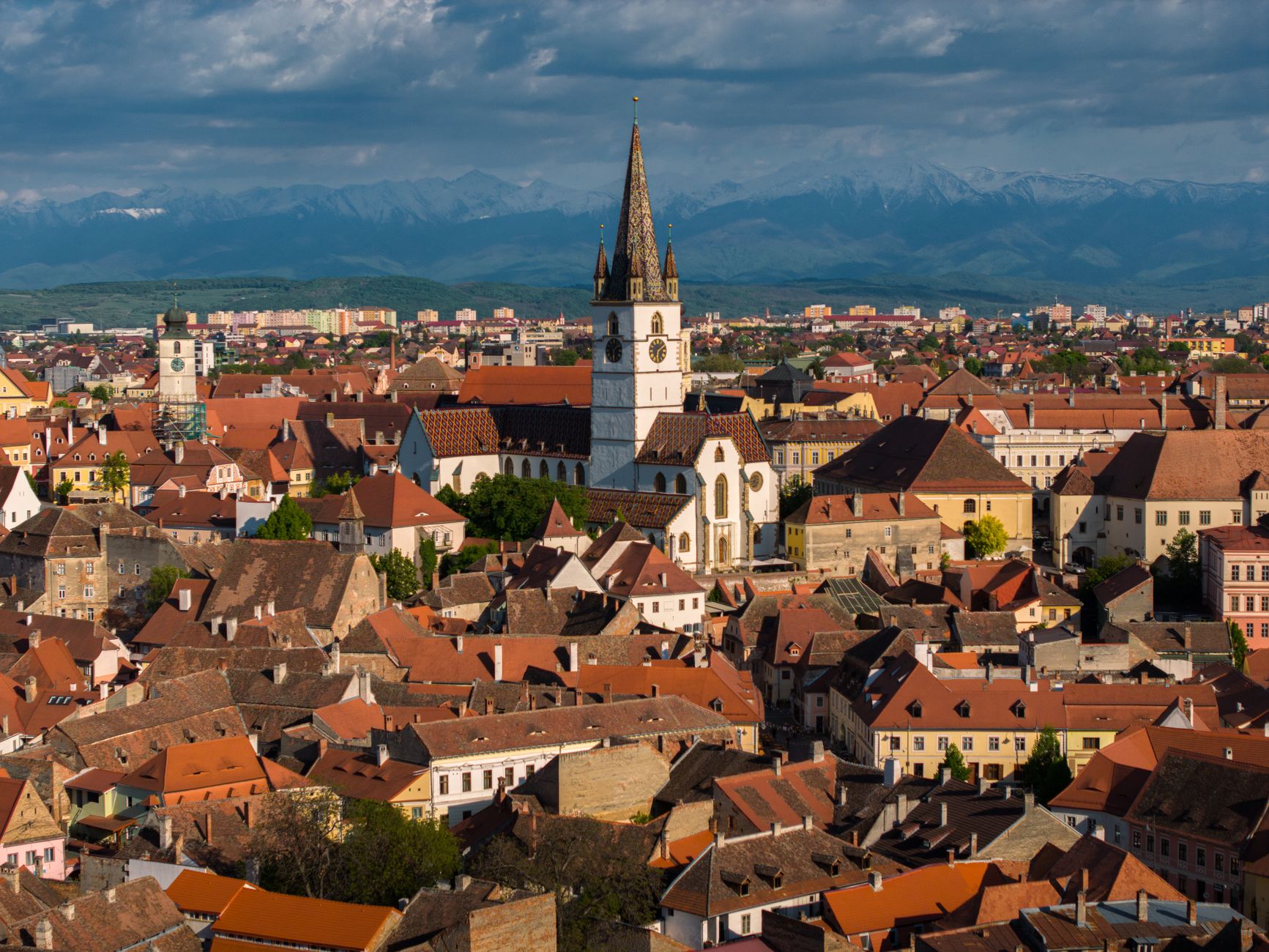
In the heart of the Carpathians, where mountain ridges merge with ancient spruce and beech forests, a construction knowledge survives that once seemed destined for oblivion. For centuries, the communities of these highlands shaped their existence around wood, a living material that not only provided shelter but also established a symbiotic dialogue with the natural environment. Today, this material heritage is undergoing a profound revaluation thanks to a new generation of artisans, architects, and restorers who have chosen to rescue traditional skills in the face of global architectural standardization.
The urgent need to find ecological alternatives in contemporary construction has placed traditional Carpathian woodworking at the center of the international debate on sustainability. This is not merely a nostalgic enterprise or the aestheticization of the rustic, but rather a scientific and practical recovery of methods that have demonstrated extraordinary climatic resilience over the centuries. Structures erected by these traditional builders breathe, adapt to humidity, and withstand rigorous alpine winters without resorting to petroleum-derived products or highly polluting materials.
The Geography of Wood: Forests and Material Culture
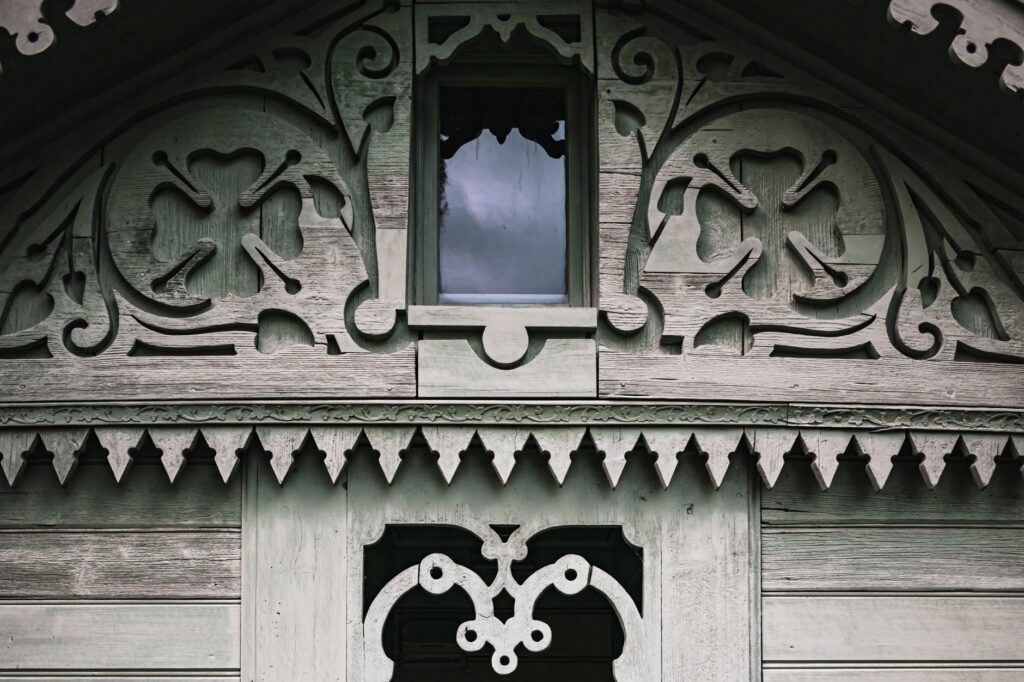
The Carpathian territory spans several countries in Central and Eastern Europe, stretching from Poland and Slovakia to Ukraine and Romania. Each of these subregions has developed its own constructive dialect, dictated by the availability of tree species, topography, and local cultural influences. In the Maramureș region of northern Romania, wood is the alpha and omega of community life. The famous carved portals granting access to farmyards are not mere decorative elements, but complex statements of identity and social status passed down from generation to generation without written blueprints.

The process of wood selection is, in itself, a ritual requiring deep knowledge of forest botany and lunar cycles. Old masters insist that trees must be felled in the dead of winter when sap levels are at their lowest, thus ensuring greater durability and lower susceptibility to wood-boring insects and decay. This empirical wisdom, validated today by material science, stands in vivid contrast to the indiscriminate industrial logging threatening the region’s remaining primary forests. The preservation of traditional architecture thus becomes a compelling argument for the defense of forest biodiversity.
The Art of Jointing: Geometry Without Nails
One of the most fascinating aspects of Carpathian woodworking is the total absence of metal elements in the oldest traditional structures. Logs are assembled using complex systems of notches, grooves, and interlocking joints that allow the building to move and settle organically upon the terrain. This mastery of timber stereotomy demands millimeter precision, where a single millimeter error can compromise the stability of an entire wall.

True mastery in wood does not consist of mastering the saw, but of understanding how the material remains alive and continues to contract and expand long after it has been erected.
Contemporary engineers and architects visiting these areas are often baffled to see wooden churches built over three centuries ago standing firm without a single iron nail. These constructions function as flexible mechanical systems capable of dissipating seismic energy and supporting formidable snow loads. The detailed study of these joints has inspired new patents in sustainable civil engineering, proving that the most advanced solutions are frequently found in the archives of collective memory.
The Role of Wooden Churches as Heritage Milestones
The wooden churches of the Carpathians, many recognized by UNESCO as World Heritage sites, represent the pinnacle of artistic and constructive expression in this craft. Characterized by slender towers reaching toward the sky and overlapping wooden shingle roofs—known locally as șindrilă or sont —these temples bridge the earth and the sacred. Their silhouettes define the cultural landscape of entire regions, serving as unmistakable reference points on the mountainous horizon.
However, the passage of time and harsh weather conditions have left deep marks on these monuments. For decades, restoration interventions relied on inadequate criteria, utilizing cement and synthetic paints that suffocated the wood and accelerated its decay. Today, cultural heritage agencies have reversed this trend, demanding that any conservation work be executed by local artisans using exclusively hand tools and traditional materials, thereby ensuring the authenticity and reversibility of the structures.
Knowledge Transfer: Trade Schools and Generational Renewal
The greatest challenge facing this renaissance is not technical, but demographic. The depopulation of rural Carpathian areas and the migration of youth to major cities have eroded the oral transmission chain that kept these crafts alive for generations. Elderly carpenters, guardians of a unique technical vocabulary and precise gestures, worry that their accumulated knowledge risks extinction with them.
To counter this threat, private foundations, vocational workshops, and cross-border university initiatives have emerged over the past decade. Organizations such as The King’s Foundation in Romania and various local associations in Poland and Slovakia organize summer camps and intensive traditional woodworking courses. These open-air classrooms attract young architects, industrial designers, and enthusiasts from around the world, eager to learn how to handle the broad axe, the chisel, and the hand plane, reconciling digital design with tactile labor.
Contemporary Architecture and Biophilia in the Carpathians
The wood renaissance in the Carpathians is not restricted to the musealization of the past. A growing number of contemporary architectural studios are reinterpreting vernacular typologies to create single-family homes, mountain shelters, and cultural centers that harmonize with the landscape. These projects combine high-performance thermal insulation with the minimalist aesthetic of exposed timber, reviving concepts such as biophilia—the innate tendency of humans to seek connections with nature.

New buildings do not slavishly imitate ancient forms; instead, they adopt their philosophy: rational use of local resources, respect for solar orientation, and optimization of natural ventilation. This architectural current proves that tradition is not an anchor immobilizing the present, but a launching pad for innovation. By integrating ancestral methods with small-scale numerical cutting technologies, architects manage to reduce the carbon footprint of their works to unprecedented levels in modern construction.
Responsible Tourism and Cultural Itineraries
For travelers interested in living heritage, the Carpathians offer a network of cultural routes enabling firsthand exploration of these crafts. Far from mass tourism, exploring the valleys of Maramureș or the Polish Beskids means stepping into communities where time flows at a different pace. Visitors can stay in traditional guesthouses restored under local sustainable tourism criteria, participate in open carving and woodworking workshops, and taste local gastronomy based on zero-kilometer products.

Regional tourism authorities, in collaboration with local communities, have developed strict guidelines to prevent the adverse effects of unchecked tourism. A model of extended stays is promoted, where travelers understand and respect the rhythm of rural life. Marked hiking trails connect various carpenter villages, allowing hikers to contemplate vernacular architecture in its original context, surrounded by traditional hay meadows and undisturbed forests.
Practical Information for Travelers and Researchers
Planning a study trip or cultural exploration to the timber regions of the Carpathians requires logistical preparation due to the geographical dispersion of key sites. The best season to visit spans from late spring to early autumn (May to October), when mountain weather conditions are favorable and artisanal workshops operate outdoors.
- Transportation: Renting a four-wheel-drive vehicle at nearby international airports such as Cluj-Napoca (Romania), Kraków (Poland), or Košice (Slovakia) is recommended to access the most remote valleys.
- Accommodation: Opt for accredited rural guesthouses bearing the local sustainable tourism label, ensuring that the economic impact directly benefits artisan families.
- Code of Respect: When visiting wooden churches and private properties, asking permission before photographing interiors and maintaining silence in active places of worship is essential.
- Recommended Reading: Consult architectural monographs published by local polytechnic universities on timber stereotomy in Eastern Europe.
The preservation of traditional woodworking crafts is not merely a matter of industrial archaeology, but an ethical commitment to a future where the human hand and respect for the planet’s resources meet once again.
Conclusion: A Future Rooted in Matter
The renewed interest in traditional woodworking in the Carpathians demonstrates that humanity is desperately searching for tangible anchors in an increasingly digitized and abstract world. Wood, with its warmth, characteristic scent, and capacity to age with dignity, embodies this need for contact with reality. By protecting the techniques of their ancestors, the carpentry communities of Eastern Europe not only safeguard their own past, but offer the entire world an instruction manual for inhabiting the earth with wisdom, beauty, and durability.


