Introduction to Contemporary Rammed Earth
Rammed earth architecture is currently undergoing a profound transformation across the Iberian Peninsula. Far from being merely an archaeological vestige or an exclusive solution for vernacular subsistence buildings, this ancient construction system has moved to the center of a vibrant debate on the future of sustainable design, energy efficiency, and material landscape conservation. Architects, engineers, and preservationists throughout Spain and Portugal are turning to raw earth not out of nostalgia, but out of an urgent need to decarbonize the construction sector and seek viable alternatives to reinforced concrete and industrial brick. This renaissance does not emerge from a vacuum: it is the result of decades of academic research, regulatory pressure favoring low-carbon materials, and a renewed aesthetic sensibility that values texture, thermal mass, and the authenticity of local resources.
Across the Iberian Peninsula, the presence of rammed earth—known in Portuguese as taipa—is deeply rooted in arid and semi-arid regions such as Alentejo, the Ebro Valley, Andalusia, and the Castilian mesas. For centuries, entire communities built their homes, fortifications, and agricultural structures using soil extracted directly from the building site. Today, this ancestral method is being reinterpreted through lightweight prefabrication, advanced geotechnical analysis, and integration with certified timbers and natural insulation. The result is an architecture that engages on equal terms with international avant-gardes, proving that advanced sustainability can literally spring from the ground beneath our feet.
Historical Origins and Iberian Roots
To grasp the magnitude of this renaissance, one must look back. The systematic introduction of rammed earth across much of the Iberian Peninsula was closely tied to the Andalusian period, although pre-Roman and Roman precedents exist in various parts of the Mediterranean. Islamic builders perfected the technique of sliding wooden formwork—the traditional boards and ties—to compact clay, silt, sand, and gravel using manual tampers. This technique made it possible to erect thick walls capable of bearing substantial structural loads while offering exceptional performance against the harsh climatic extremes of hot summers and cold winters.
During the Middle Ages and the Modern Era, rammed earth evolved differently across regions. In southern Portugal’s Alentejo, a distinct typology developed where soil was frequently combined with lime to improve weather resistance, producing striking white facades of high formal beauty. In the eastern and central Iberian interior, pure earth rammed earth or variants with small pebbles shaped entire landscapes of ochre and reddish tones. However, with the advent of industrialization and the rise of Portland cement in the twentieth century, this traditional know-how was unjustly relegated to the realm of poverty or construction marginality, causing the loss of a fundamental part of our intangible heritage.
Thermodynamic Properties and Indoor Comfort
One of the weightiest arguments for the recovery of rammed earth architecture is its extraordinary thermodynamic behavior. Rammed earth walls possess high thermal mass. This means they have the capacity to absorb heat during the hottest hours of the day and slowly release it inward as nighttime temperatures drop. This phenomenon, known as thermal lag, drastically reduces the need for artificial climate control systems, a critical factor in an era of energy crisis and climate change.

In addition to regulating temperature, raw earth acts as a natural indoor humidity regulator. Lacking artificial vapor barriers within its mass, the wall «breathes»: it absorbs excess moisture when the environment is saturated and releases it when the air dries. This constant equilibrium prevents the growth of mold, improves indoor air quality, and significantly reduces respiratory ailments associated with airtight buildings sealed with petroleum-derived synthetic materials. The comfort provided by a space built with rammed earth is not merely quantitative—measurable in degrees Celsius—but profoundly qualitative and sensory.
Rammed earth is not a material of the past to be imitated out of romanticism, but a contemporary resource endowed with unsurpassed technical intelligence.
Technical Innovation: From Tradition to Modular Formwork
The renaissance of rammed earth would not be possible without the profound technological overhaul the sector has experienced over the past two decades. While the basic process still involves compacting damp soil within formwork, the means to achieve it have become markedly technical. Today, high-resistance metal or plywood formwork systems are used, alongside light cranes for handling and pneumatic tampers that guarantee homogeneous density across the entire wall surface, eliminating weak points derived from purely manual effort.
Furthermore, materials science has made it possible to scientifically characterize the geotechnical properties of soils. Not just any soil works for rammed earth; a balanced granulometry is required, combining clays (as binders), silts, sands, and larger aggregates. When local soil does not precisely meet these parameters, architects resort to stabilization, adding a minimal percentage (usually under 5%) of hydraulic lime or cement to ensure durability against persistent rain without compromising the material’s ultimate recyclability or vapor permeability.

Case Studies: Contemporary References in Spain and Portugal
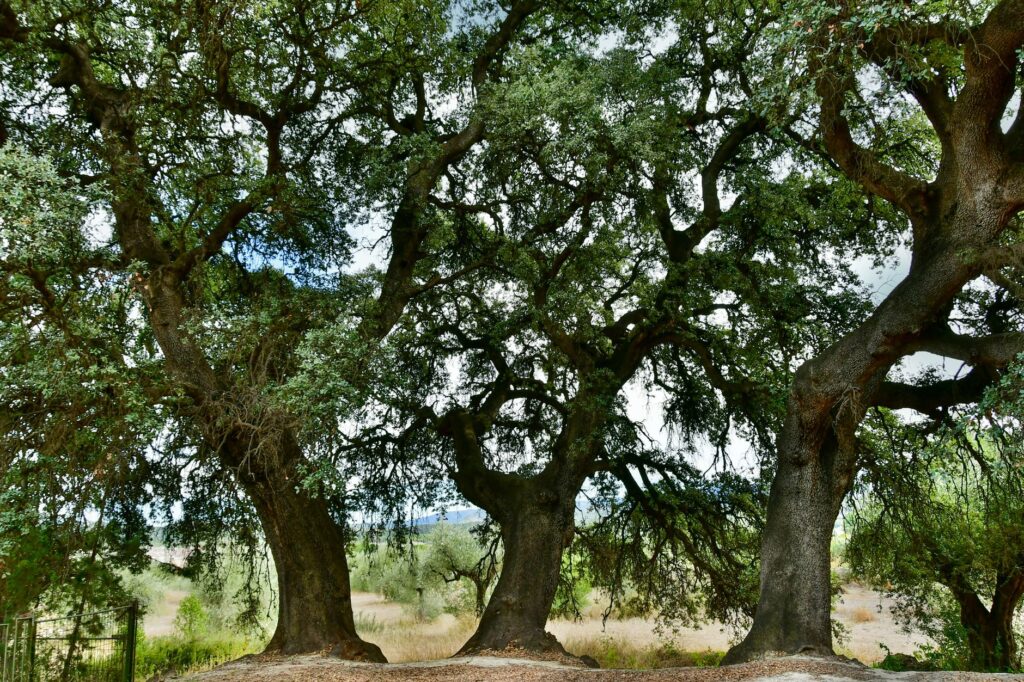
The Iberian landscape already features paradigmatic examples that demonstrate the commercial and artistic viability of rammed earth. In the Portuguese Alentejo, several architecture practices have revived the use of taipa for single-family homes and small tourism facilities that blend harmoniously with the landscape of cork oak pastures and rolling hills. These works prove that it is entirely possible to meet current technical codes regarding insulation and earthquake resistance without sacrificing the formal purity of the load-bearing earth wall.
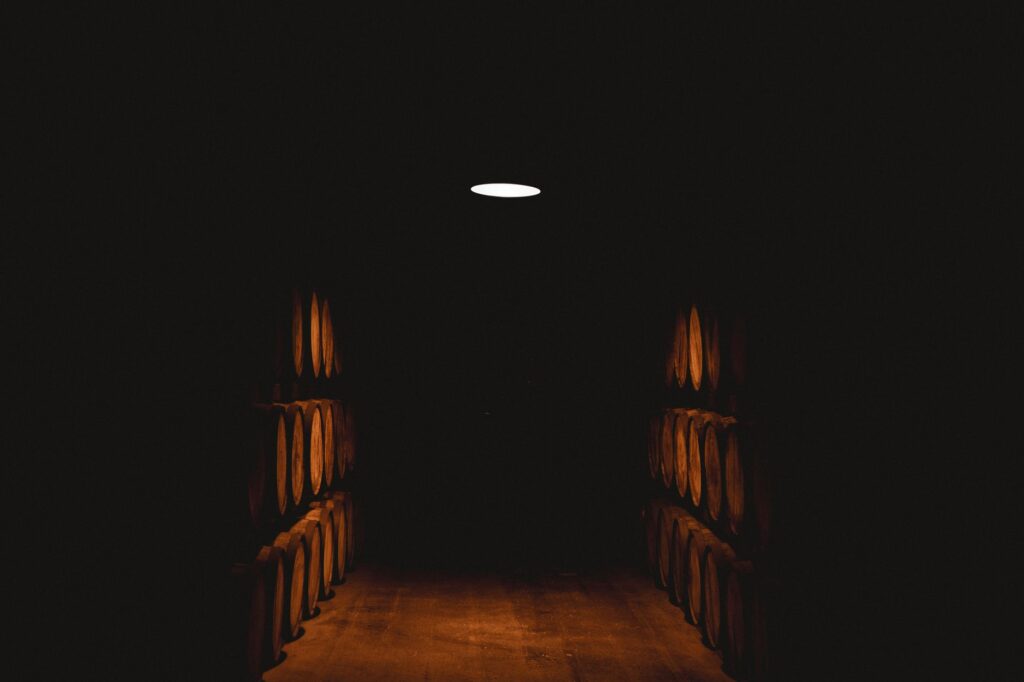
In Spanish territory, recent interventions in rural areas of Aragon, Castile and León, and Catalonia have shown that rammed earth adapts seamlessly to contemporary architectural language. Cultural spaces, interpretation centers, and subterranean wineries harness the plastic qualities of earth to generate sober architecture defined by clean lines and earthy tones that shift subtly with the changing light throughout the day. These projects have received international accolades, positioning the Iberian Peninsula at the global forefront of earth architecture.
Sustainability, Life Cycle, and Circular Economy
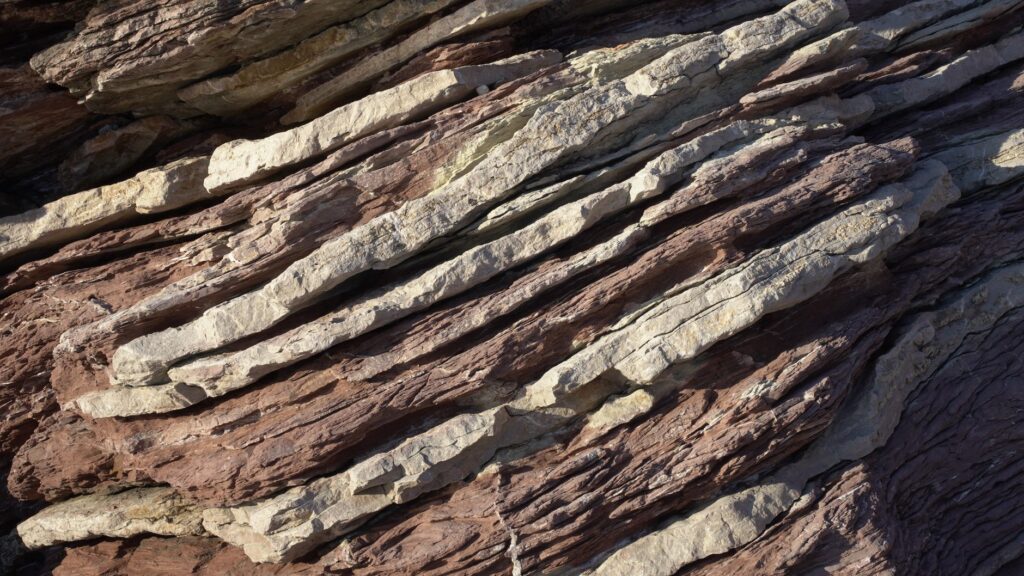
From the perspective of the circular economy, rammed earth presents unbeatable advantages over any conventional construction material. Its carbon footprint is negligible compared to the production of cement clinker or the manufacturing and transport of industrial ceramics. Earth is a local material that, in most cases, is extracted just kilometers from the building site, drastically reducing emissions derived from heavy transport.
Moreover, at the end of its useful life, a rammed earth building does not generate difficult-to-manage or highly polluting waste. The earthen wall can be demolished, crushed, and reintroduced into the natural cycle or reused as a base for new fills and constructions without altering natural ecosystems negatively. This capacity for biological return aligns perfectly with European Union guidelines for circular architecture and complete decarbonization targeted for 2050.
Regulatory Challenges and Professional Training
Despite its many virtues, the consolidation of rammed earth architecture still encounters significant regulatory and structural barriers. Building codes in most European countries were drafted with concrete, steel, and brick in mind, complicating the homologation of traditional or non-standardized materials. Architects who design with earth must subject their designs to complex laboratory testing to justify the mechanical resistance and safety of the buildings to administrative authorities.
Another major challenge is the scarcity of specialized labor. Building with rammed earth requires artisanal know-how that is rarely taught in traditional architecture and engineering schools. Therefore, hands-on workshops, trade schools, and specific university programs that revive the direct transmission of the craft—combining manual skill with the rigor of modern structural calculation—are essential.
The future of our cities does not depend on inventing new artificial materials, but on rediscovering the wisdom accumulated for millennia beneath our feet.
Practical Information for Professionals and Visitors
For architects, students, and design enthusiasts interested in delving deeper into rammed earth architecture across the Iberian Peninsula, several routes, research centers, and key events offer firsthand insight into this constructive reality.
- Earth and Traditional Architecture Center (CAT): Located in various regions, it promotes research and knowledge exchange regarding vernacular techniques.
- Taipa Routes in Alentejo: Recommended itineraries in municipalities such as Évora, Beja, and Serpa to observe both historical heritage and contemporary interventions.
- Technical Conferences on Earth Construction: Annual gatherings held in Spanish and Portuguese universities aimed at sector professionals.
- Reference Bibliography: Technical manuals published by associations such as Terra Incognita and laub (Bioclimatic Architecture and Urbanism Laboratory).
Conclusion: Toward a New Material Paradigm
The renaissance of rammed earth architecture on the Iberian Peninsula represents much more than a fleeting trend or an ecological extravagance. It is a mature, grounded, and deeply aesthetic response to the dead ends into which hyper-industrialized growth models have led us. By reconciling contemporary design with local geology, earth architecture demonstrates that progress does not consist of accumulating artificial devices, but of refining the essential. In a world desperately seeking to inhabit the planet respectfully and durably, rammed earth walls stand firm, reminding us that the best possible future is often built with the oldest and most honest materials.