
The Geography of Water: The Sacred Origins of Kinosaki
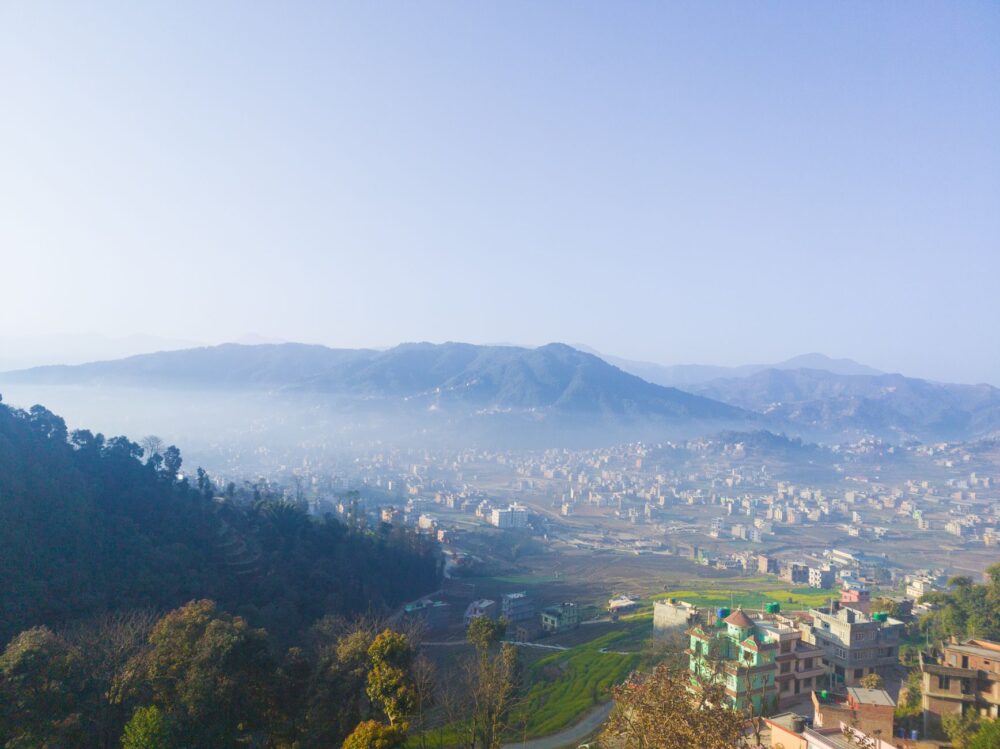
In the northern reaches of Hyogo Prefecture, cradled by densely forested mountains and located just a short distance from the Sea of Japan, the valley of the Otani River harbors a geological secret that has shaped the lives of its inhabitants for over thirteen centuries. Kinosaki Onsen is not merely a hot spring resort; it is a living sanctuary where hydrology and Zen Buddhism intertwine to form a philosophy of wellness that stands as a quiet rebellion against modern haste. Local lore tells of the year 717 AD, when a Buddhist monk named Dochi Shonin arrived in these lands, guided by a mystical vision. After one thousand days of intense prayer and meditation, the earth parted to release a spring of warm, healing waters. Almost simultaneously, local legend recounts how an injured white stork healed its wing by bathing in the valley’s natural pools, cementing the area’s reputation as a place of physical and spiritual miracles.
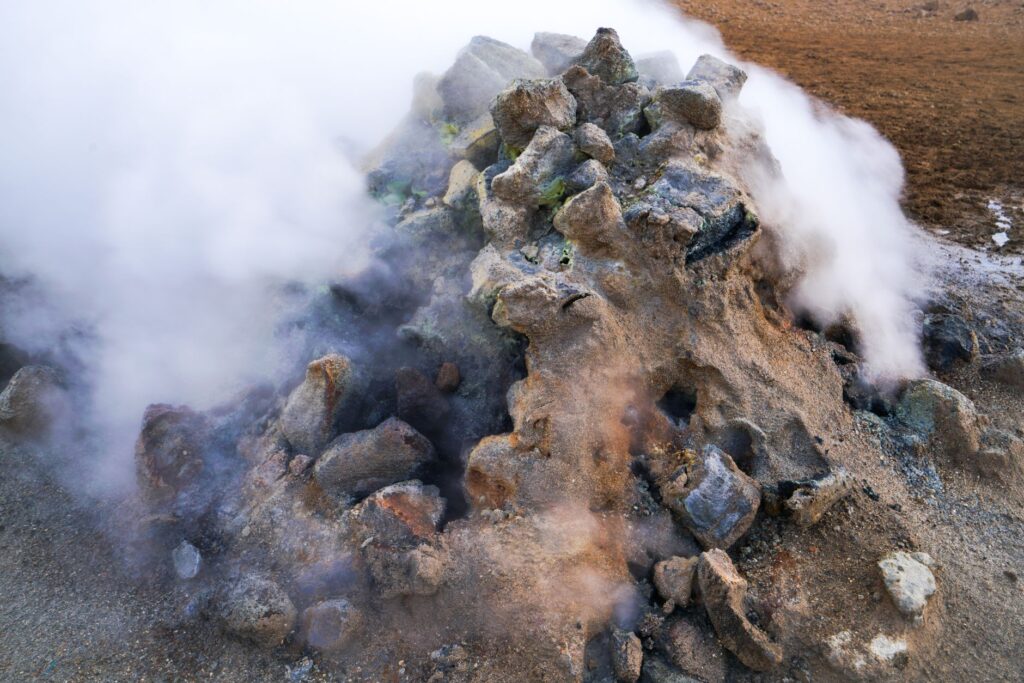
From a geological perspective, Kinosaki’s richness lies in its deep-seated volcanic faults. These subterranean structures filter rainwater through deep layers of volcanic rock, heating it and infusing it with essential minerals before returning it to the surface at temperatures ranging from 42 to 80 degrees Celsius. This continuous flow of water, rich in sodium and calcium chloride, has shaped not only the physical landscape but also the character of a community that has made hospitality and ritual bathing its core identity. Walking along its stone-paved streets today, one senses that water is not a resource to be exploited, but a venerable neighbor to be honored daily.
The Ritual of the Yukata and Wooden Geta
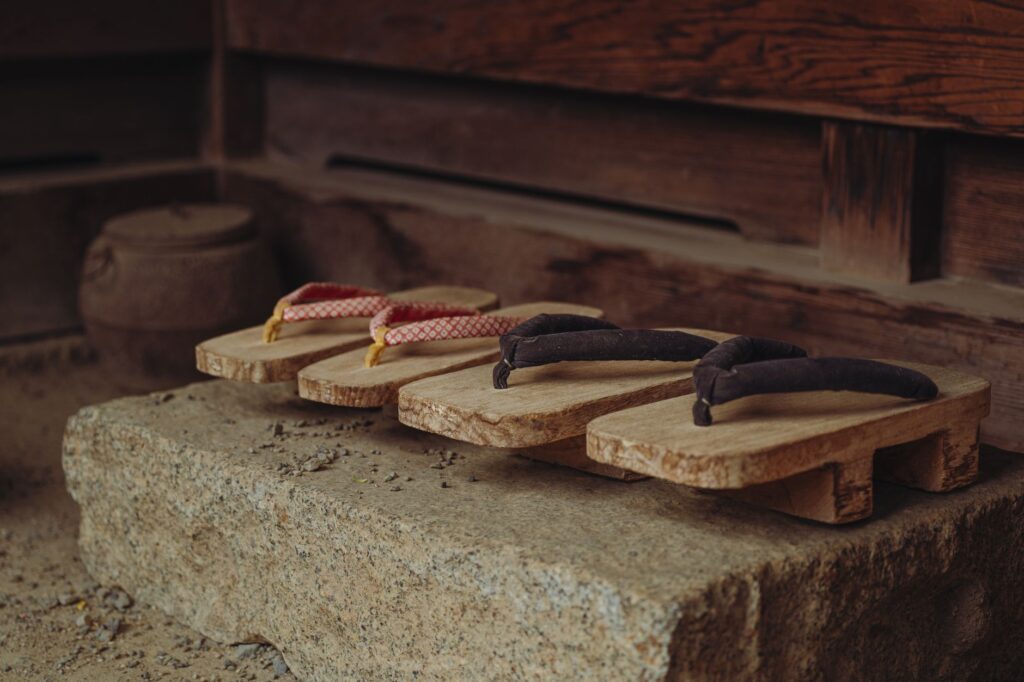
Crossing the threshold into Kinosaki Onsen requires shedding the garments of the outer world, both literally and metaphorically. Unlike other hot spring towns where the thermal experience is confined to the interior of private hotels, here the entire town functions as a single, sprawling ryokan. The train station serves as the entrance hall; the streets lined with weeping willows are the corridors; and the seven public bathhouses, known as sotoyu, are the communal living rooms of this grand palace of wellness. Local etiquette dictates that visitors change into a yukata, a light cotton kimono, and wear geta, traditional wooden clogs that produce a rhythmic, hypnotic click-clack against the stone pavement.
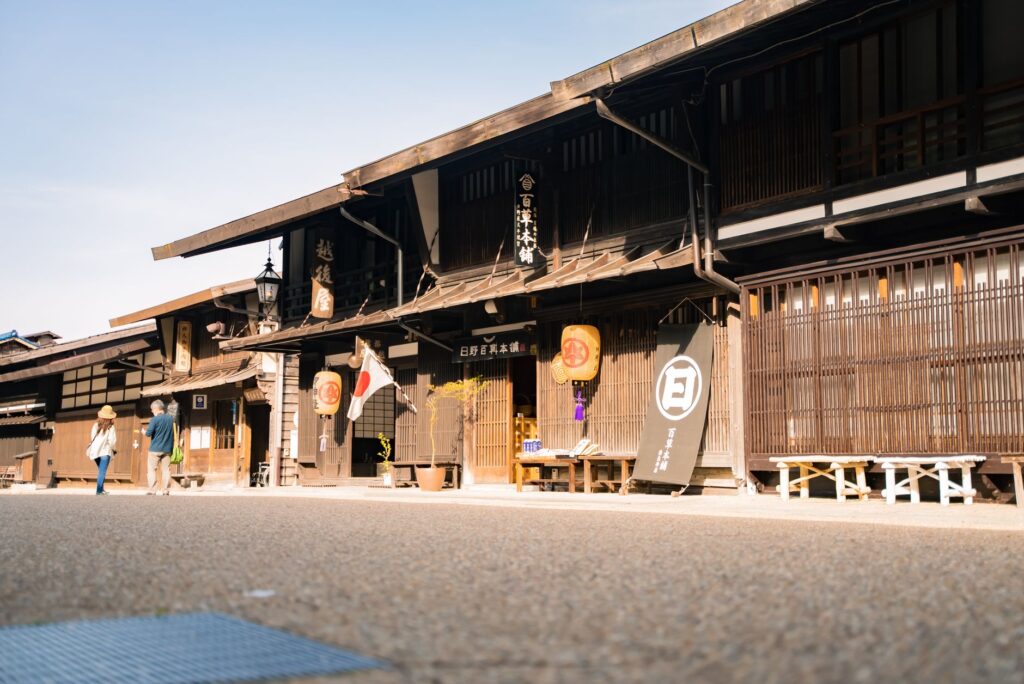
This change of attire prompts a profound psychological shift. By wearing the same simple garment, barriers of class, wealth, and social status dissolve. In a yukata, there are no pockets for smartphones, nor is there room for ostentation; all travelers become equals in their vulnerability and their shared pursuit of rest. The constant sound of geta, a dry wooden beat echoing through the valley, acts as a natural metronome that slows the pulse of the community. It is virtually impossible to rush while wearing these wooden clogs; the footwear itself coaxes you into taking shorter steps, observing your surroundings, and adopting an upright yet relaxed posture, aligning the spine and opening the chest to breathe the damp, mineral-rich air of the river.
The Pilgrimage of the Seven Public Baths (Sotoyu Meguri)
The heart of the Kinosaki experience is the Sotoyu Meguri, the pilgrimage of the seven public bathhouses. Each of these establishments possesses its own distinct architecture, historical lore, and specific therapeutic properties, designed to heal different ailments of the body and mind. The journey often begins at Sato-no-yu, located adjacent to the station, which offers a gentle transition with its exotic saunas and outdoor baths overlooking the surrounding mountains.
Following the river’s path, you reach Ichino-yu, whose name translates literally to «the first bath.» Its architecture evokes a traditional wooden temple, and inside it houses a spectacular natural cave bath made of rough-hewn stone where the steam condenses, creating an atmosphere of deep introspection. Its waters are said to be highly beneficial for physical recovery after periods of great exertion. A short walk away is Yanagi-yu, the smallest and most intimate of the seven, named after the willow trees that frame its entrance. Its baths, crafted from Japanese cypress (hinoki), release a balsamic aroma that, combined with the water’s heat, immediately clears the respiratory tract and calms an overactive mind.
«The waters of Kinosaki do not merely cleanse the skin; they dissolve the invisible boundaries we construct between our bodies and the natural world around us.»
The pilgrimage continues to Goshono-yu, known as the «bath of beauty.» Its design is modeled after the Imperial Palace in Kyoto, featuring majestic glass screens that reveal a natural waterfall cascading over granite boulders. Immersing oneself in its outdoor pools while a cool mountain breeze brushes the forehead is one of the most intense experiences of natural communion Japan has to offer. Further along, Mandara-yu evokes the original miracle of Dochi Shonin, featuring individual ceramic baths set outdoors under a canopy of green forest. Finally, Jizo-yu, with its hexagonal windows inspired by the basalt formations of the nearby Genbudo Caves, and Koun-yu, the bath of longevity and family happiness, complete a circuit that should not be rushed, but savored over several days, allowing the body to absorb the minerals and the spirit to settle into quietude.
Architecture of Serenity: Designing for Purification
The architecture of Kinosaki Onsen is a testament to the mastery of traditional Japanese carpenters, who understood that physical well-being is inseparable from visual harmony. The facades of the ryokans, constructed primarily from dark cedar and pine, feature intricate lattice screens that allow filtered light and fresh air to pass through, preserving guests’ privacy without isolating them from the gentle murmur of the river and the soft chatter of passersby.
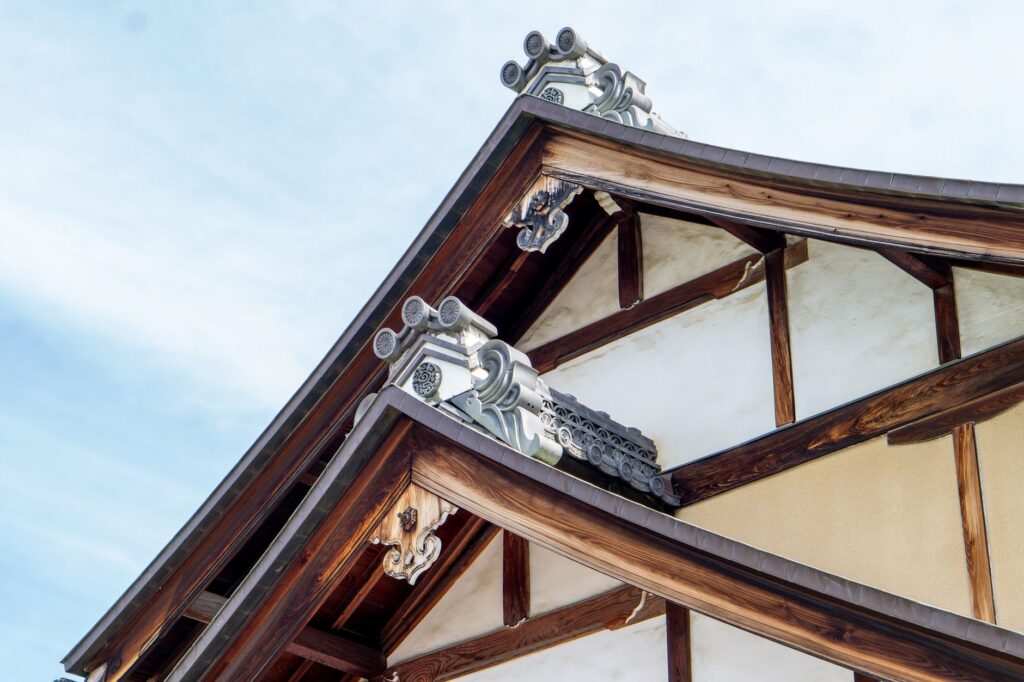
Inside the public baths, the architectural layout is designed to facilitate a gradual transition from the outer bustle to the mystical silence of the water. The changing rooms, lined with woven straw tatami mats and light wood, smell of cleanliness and pine resin. The washing areas, where each bather must thoroughly clean themselves before entering the communal pool, are equipped with wooden stools and traditional basins, encouraging a posture of humility and respect for the shared space. The use of natural light is masterful: strategically placed skylights allow shafts of sunlight to pierce through the thick steam, creating columns of light that shift throughout the day, gently reminding bathers of the beautiful, inevitable passage of time.
The Silent Science of Japanese Thermalism
Behind the mysticism and tradition of Kinosaki lies a solid scientific foundation that explains the profound benefits of its waters. Classified as saline hot springs rich in sodium and calcium chloride, these thermal sources emerge with a high concentration of dissolved ions. Upon immersion, these minerals deposit onto the skin, reacting with the proteins of the epidermis to form a micro-thin protective barrier that prevents body moisture from evaporating and retains core heat long after leaving the bath.
This prolonged thermal effect stimulates peripheral blood circulation, improving tissue oxygenation and facilitating the elimination of metabolic toxins such as lactic acid, the primary culprit behind muscle stiffness. Furthermore, the high calcium content offers anti-inflammatory and soothing effects on the central nervous system, measibly lowering levels of cortisol, the body’s primary stress hormone. Studies in Japanese balneology confirm that regular bathing in these mineral springs improves deep sleep quality and strengthens the immune system by activating natural killer (NK) cells.

Culinary Harmony: Nourishing the Body in Hyogo Prefecture
Wellness in Kinosaki is not limited to the external body; it extends inward through a culinary philosophy that strictly respects the principles of shun (seasonality) and chisan-chisho (local consumption). The Hyogo region, blessed with fertile soils and nutrient-rich coastal waters, provides local ryokans with ingredients of exceptional purity.
During the winter months, the undisputed star is Matsuba crab (snow crab), harvested from the icy depths of the Sea of Japan and brought ashore at the nearby ports of Tsuiyama and Kasumi. Its delicate, sweet white meat is served in subtle dashi broths, grilled over binchotan charcoal, or enjoyed raw as pristine sashimi. In warmer seasons, the culinary spotlight shifts to Tajima beef, the pure strain from which the world-famous Kobe beef descends. Raised in the lush mountain pastures surrounding Kinosaki, these cattle produce beef with an incredibly fine intramuscular marbling that melts at human body temperature, offering a rich, nourishing dining experience that perfectly complements a day of thermal bathing.
«True nourishment begins when food honors the rhythm of the earth and is consumed with a quiet mind, respecting the labor of those who cultivated it.»
Practical Guide for the Mindful Traveler
To experience Kinosaki Onsen fully and respectfully, it is essential to understand and embrace the cultural etiquette that governs these communal spaces. Accessing the baths requires a physical and mental preparation that ensures hygiene and peace for everyone present.
- The Pre-wash Ritual: Before stepping into the water of any onsen, you must wash thoroughly at the individual washing stations provided. Use soap and a washcloth, and ensure all soap residue is rinsed away before entering the bath.
- The Small Towel: Every bather is provided with a small cotton towel (tenugui). This towel should never touch the communal bathwater; it is traditionally folded and placed on top of the head to keep cool, or set aside on the edge of the tub.
- Tattoo Policy: Historically associated with organized crime (yakuza) in Japan, tattoos are often grounds for exclusion from many onsen. However, Kinosaki prides itself on being one of Japan’s most inclusive hot spring destinations, welcoming tattooed guests to all seven of its public bathhouses without requiring them to cover their ink.
- Getting There: Kinosaki Onsen is easily reached via direct limited express trains (the Hamakaze or Kounotori services) from Kyoto or Osaka, a scenic two-and-a-half-hour journey that winds through beautiful mountain landscapes.
The Echo of Willows: A Commitment to Preserving Silence
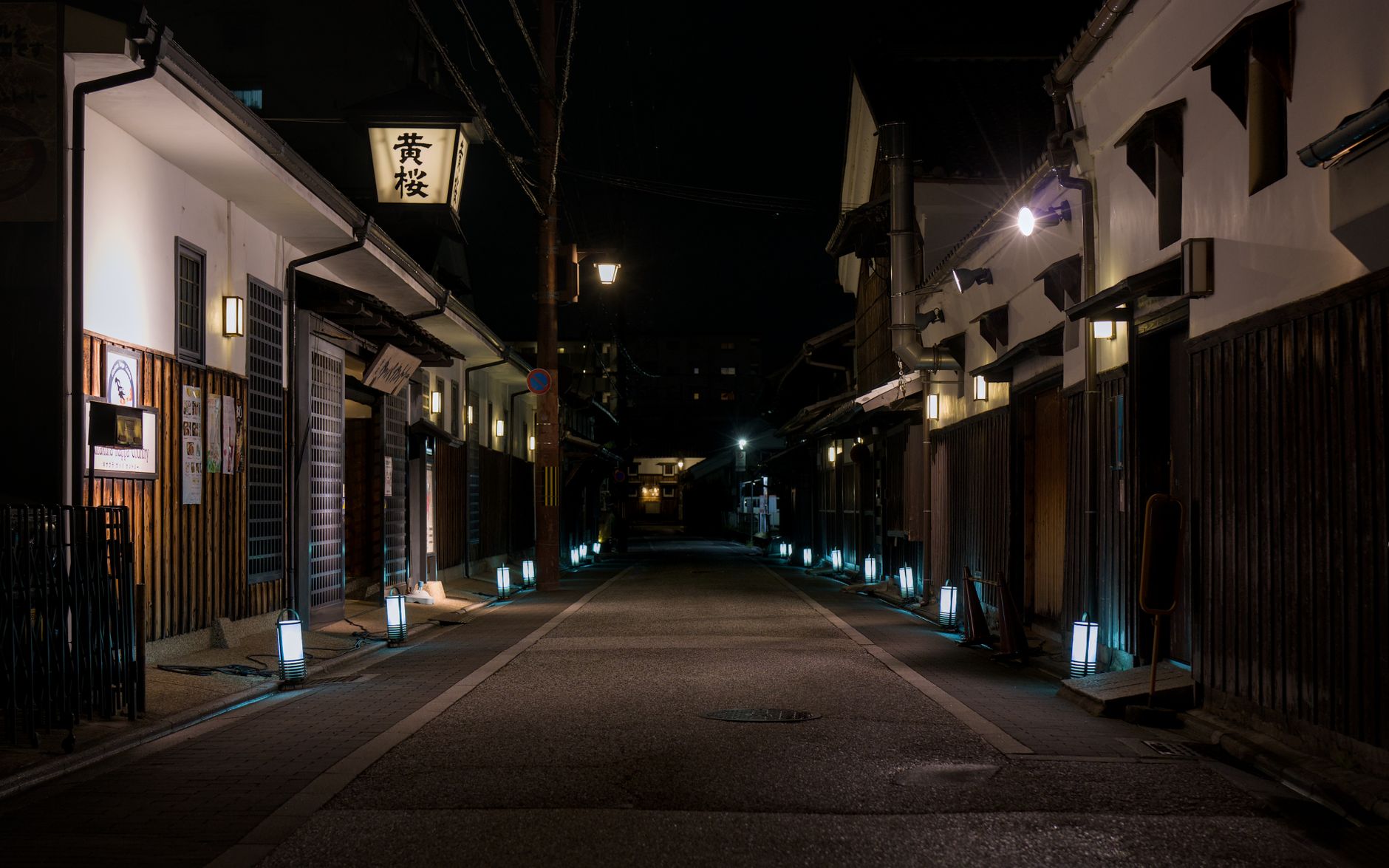
As night falls, Kinosaki Onsen undergoes a magical transformation. Stone lanterns lining the Otani River canal flicker to life, casting dancing shadows across the water where the weeping willows sway. The gentle rush of flowing water and the rhythmic click-clack of geta become the sole soundtrack of a town that has consciously chosen to resist the visual and acoustic noise of modern life.
This dedication to preserving its heritage is no accident; it is the result of a collective effort by local families who, for generations, have managed the ryokans and public baths. By restricting vehicle traffic in the historic center during evening strolls and maintaining traditional wooden architecture without yielding to flashy modern advertising, Kinosaki offers the contemporary traveler something far more valuable than a simple spa treatment: it offers a portal to a Japan where time is not measured in minutes, but in the slow flow of hot water and the deep breath that precedes stillness.