A New Dawn for the Japanese Archipelago
Japan’s tourism landscape is undergoing a profound transformation. As international travelers return en masse following years of global uncertainty, the Land of the Rising Sun is not only recovering its historical visitor figures but entirely redefining the experience of exploring its territory. Far from the uncontrolled mass tourism affecting other global destinations, Japan champions a model where the ancient tradition of service aligns seamlessly with contemporary strategies of sustainability and intelligent management of tourist flows.
This phenomenon, recently documented by analysts specializing in mobility and international law such as Nomad Lawyer, highlights how the combination of a unique culture of welcome—locally known as omotenashi—and governmental policies geared toward environmental balance is shaping a new paradigm. It is not merely about attracting more people, but about integrating the visitor into the social and natural fabric of the country without disturbing its delicate equilibrium.
The Philosophy of Omotenashi as a Driving Force
The concept of omotenashi goes far beyond simple customer service; it constitutes a hospitality philosophy deeply rooted in Japanese sensibility. It involves anticipating the guest’s needs, caring for every aesthetic and functional detail, and offering genuine respect that permeates everything from grand luxury hotels to small family-run inns, known as ryokans. This unwavering dedication generates a lasting impression on travelers that transcends mere tourism consumption.
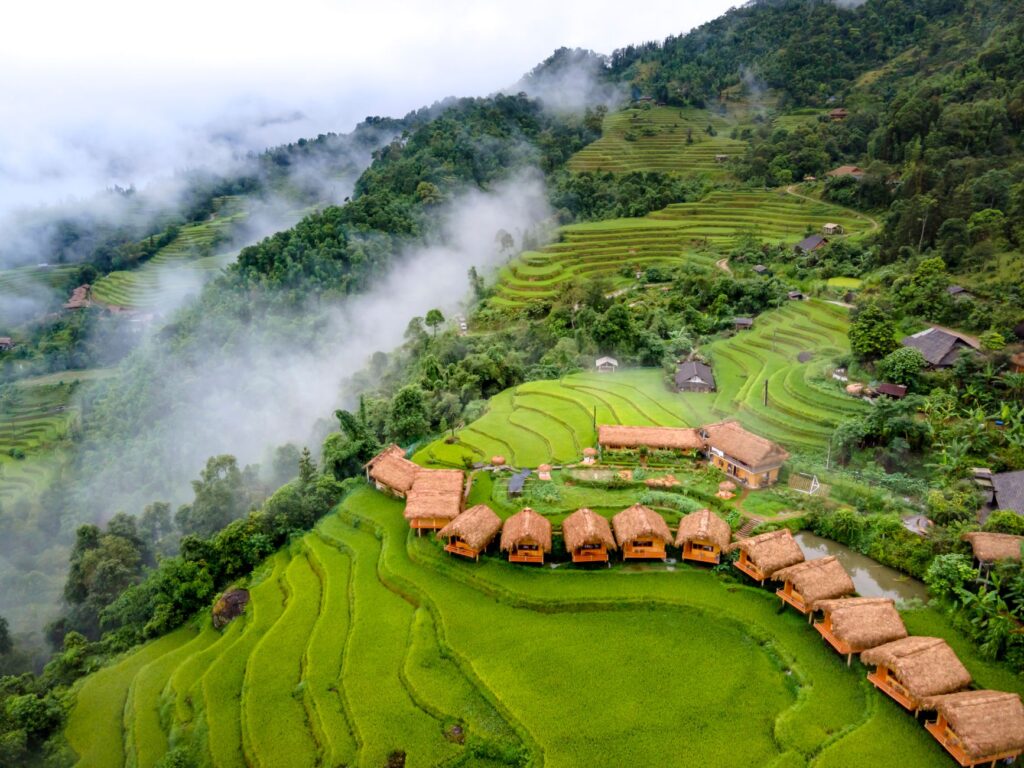
In a globalized world where hotel standardization often erases local identity, the persistence of this personalized attention has become Japan’s main competitive asset. Tourists seek not only photogenic landscapes or historical monuments, but an authentic and respectful human connection. The Japanese tourism industry has successfully capitalized on this intangible value, turning traditional hospitality into a standard of quality that sets the country apart on the international stage.
True luxury in modern travel does not lie in ostentation, but in a destination’s capacity to offer authenticity, respect, and harmonious integration with its surroundings.
Challenges of Overcrowding and Decentralization Strategies
The remarkable increase in international arrivals has brought inevitable operational challenges. Iconic destinations such as Kyoto or certain districts in Tokyo have experienced significant pressure on their urban and community infrastructures. To mitigate these effects, local and national authorities have implemented various measures aimed at decentralizing the tourist flow, encouraging travelers to explore less congested regions of the Japanese geography.
This strategy not only eases the burden on traditional circuits but enriches the visitor’s experience by opening doors to rural prefectures boasting extraordinary cultural and natural heritage. Regional promotion programs, improvements in high-speed rail connections, and the promotion of community-based tourism allow the economic benefits of the sector to be distributed more equitably across the archipelago, supporting local economies that historically remained outside international tourism.
Transport Infrastructures: Connectivity and Efficiency
One of the fundamental pillars supporting this tourism boom is the legendary efficiency and punctuality of Japan’s transportation system. The railway network, spearheaded by the iconic Shinkansen bullet trains, guarantees fast, safe, and comfortable mobility between major metropolises and peripheral areas. This exemplary connectivity drastically reduces the carbon footprint per passenger compared to other modes of transport, reinforcing the country’s ecological goals.

Likewise, the modernization of international airports and the digitalization of public transport services greatly facilitate navigation for foreign travelers. The implementation of interoperable smart cards and multilingual signage demonstrates a continuous effort to eliminate linguistic and logistical barriers, allowing even novice travelers to move with complete autonomy and confidence throughout the national territory.
Environmental Sustainability and Heritage Preservation
The growth of the tourism sector in Japan goes hand in hand with a firm commitment to environmental sustainability and cultural conservation. Current government policies require tourism businesses to adopt environmentally friendly practices, from reducing plastic waste to improving energy efficiency in accommodations and attractions. This approach responds to a growing demand from a global traveler increasingly conscious of their ecological impact.
In addition to environmental protection, there is a coordinated effort to preserve the country’s tangible and intangible heritage. The restoration of historical temples, the protection of designated natural landscapes, and financial support for traditional artisans ensure that economic modernization does not destroy the cultural roots that give Japan its identity. Visitors are actively educated on local rules of conduct, fostering responsible tourism that respects the tranquility and customs of resident communities.

Economic Impact and Regional Development
The financial impact of tourism extends far beyond large hotel corporations, invigorating a wide range of local economic sectors. From traditional gastronomy to craft commerce and the local guide industry, the influx of foreign visitors injects vital resources into the Japanese economy. This economic dynamism is especially crucial to counterbalance the demographic effects of an aging population in several regions of the country.
Recent economic data reflects a notable increase in spending per tourist, indicating a qualitative shift toward a traveler profile with greater purchasing power and a higher willingness to invest in deep cultural experiences. This increase in economic value per visitor allows the tourism industry to generate higher revenues without exponentially increasing the total volume of arrivals, aligning perfectly with long-term sustainability goals.
Technological Innovation at the Service of the Traveler
Japan has pioneered the integration of advanced technology into its tourism ecosystem to solve daily problems and enhance user experience. From artificial intelligence-based translators to digital booking systems for cultural and gastronomic events, technology acts as an invisible bridge between the foreign traveler and Japan’s complex social structure.
These digital tools not only optimize crowd management at points of interest but also provide accurate, real-time information, reducing friction in urban mobility. Automation is used prudently, complementing but never replacing the human touch and service warmth that characterize the country’s hospitality.
Gastronomic Tourism and the Revaluation of Local Cuisine
Japanese cuisine, globally recognized and cataloged as intangible cultural heritage by UNESCO, constitutes one of the most powerful magnets for international travelers. The current boom has transcended urban fine-dining circuits to boost regional gastronomic tourism, where visitors seek native ingredients, ancestral culinary techniques, and direct interaction with local producers.
This interest in regional cuisine encourages sustainable agriculture and responsible fishing while educating the public on the seasonal philosophy governing Japanese cooking. Eating in Japan thus transforms into an integral cultural experience connecting the traveler to the land, the seasons, and the history of each visited community.
Understanding Japanese cuisine is stepping into its worldview: an exercise in absolute respect for raw materials, time, and harmony with nature.
Future Outlook for the Japanese Tourism Sector
Looking ahead, Japan’s tourism model stands as an international benchmark on how to manage economic growth without sacrificing cultural integrity or environmental well-being. The combination of traditional hospitality, technological innovation, and strategic planning demonstrates that balanced and lasting tourism development is entirely possible.

Upcoming challenges will require constant adaptation to global fluctuations and new traveler expectations, but established foundations ensure the country maintains its privileged position on the global tourism map. Continued success will depend on the ability to maintain a delicate balance between openness to the world and the zealous preservation of its uniqueness.
Practical Information for the Contemporary Traveler
For travel planners interested in experiencing Japan’s tourism renaissance under criteria of sustainability and cultural respect, the following practical aspects are recommended:
- Advanced Planning: Given high demand in key destinations and rural regions, booking accommodations and transport months in advance is essential.
- Route Decentralization: Consider including less-traveled prefectures in your itinerary to enjoy a more authentic experience and relieve pressure on saturated urban centers.
- Respect for Local Rules: Inform yourself about local customs regarding waste management, silence in public transport, and protocol in temples and ryokans.
- Efficient Mobility: Utilize regional and national rail passes to optimize travel and minimize your ecological footprint.
Source in EN: Nomad Lawyer (https://news.google.com/rss/articles/CBMieEFVX3lxTE4ta0dNTVZOTlhNTkVMNXRiU0ttSFRTdFhNYi1DNDBNNGNESEtrNW00UnYzVlNONHI0Uk1JUnM3SmtnRTI1QXd2emxtekppWXp1UWpyU1BTY0VGbmU4NzRSbFRwd2xKQjRZRC0yNjNodWg4amoyeEhJMA?oc=5)