
Introduction to Narrow-Gauge Rail in Northern Spain
The geography of northern Spain has historically presented a formidable challenge to civil engineering. Wedged between the Cantabrian Sea and the Cantabrian Mountains, an abrupt landscape marked by deep river valleys, coastal cliffs, and extreme mountainous terrain demanded unique transportation solutions from the late nineteenth century onward. Within this challenging geographical context emerged the narrow-gauge railway network, a vital backbone linking the French border at Hendaya to Ferrol on the Galician coast across more than nine hundred kilometers of track.
Unlike the Iberian broad-gauge network or the high-speed rail system, which were designed to connect major metropolises with rectilinear alignments, the northern railway was conceived with an inherently territorial vocation. Its primary purpose was to articulate isolated regions, facilitate the evacuation of industrial and coal-mining production from inland basins, and provide reliable passenger transit in a region where highways took decades to offer viable alternatives. Today, this infrastructure survives both as a living testament to industrial archaeology and as an indispensable sustainable mobility corridor for thousands of residents and travelers.
Historical Background and Early Network Fragmentation
The development of narrow-gauge railways across northern Spain did not follow a single, centralized state master plan; rather, it arose from a constellation of private and local initiatives addressing specific economic needs. During the final third of the nineteenth century and the opening decades of the twentieth, various private enterprises secured concessions to operate isolated segments. Basque, Cantabrian, and Asturian mining companies urgently needed swift, cost-effective corridors to transport extracted minerals from the earth’s interior directly to coastal shipping ports.
This gave rise to lines such as the Carreño Railway, the Oriñón-Ontón steam tramway, and the economic railway linking Oviedo and Llanes. Each company laid tracks according to its own technical specifications, resulting in profound operational and technical fragmentation. It was not until well into the twentieth century, and following successive financial crises among the concessionaires, that the Spanish state began assuming direct management through agencies such as FEVE (Narrow Gauge Railways), progressively unifying an unconnected patchwork under a single administration.
Integration into Renfe and Modern Network Management
The contemporary history of this infrastructure underwent a significant institutional shift in 2013. Through a royal decree restructuring the railway sector, FEVE was formally dissolved, and its operational assets and functions were integrated into the Renfe Group (for passenger services) and Adif (for infrastructure administration and maintenance). This institutional consolidation aimed to optimize public resources, unify safety standards, and modernize the management of a network that had long suffered from budgetary imbalances.
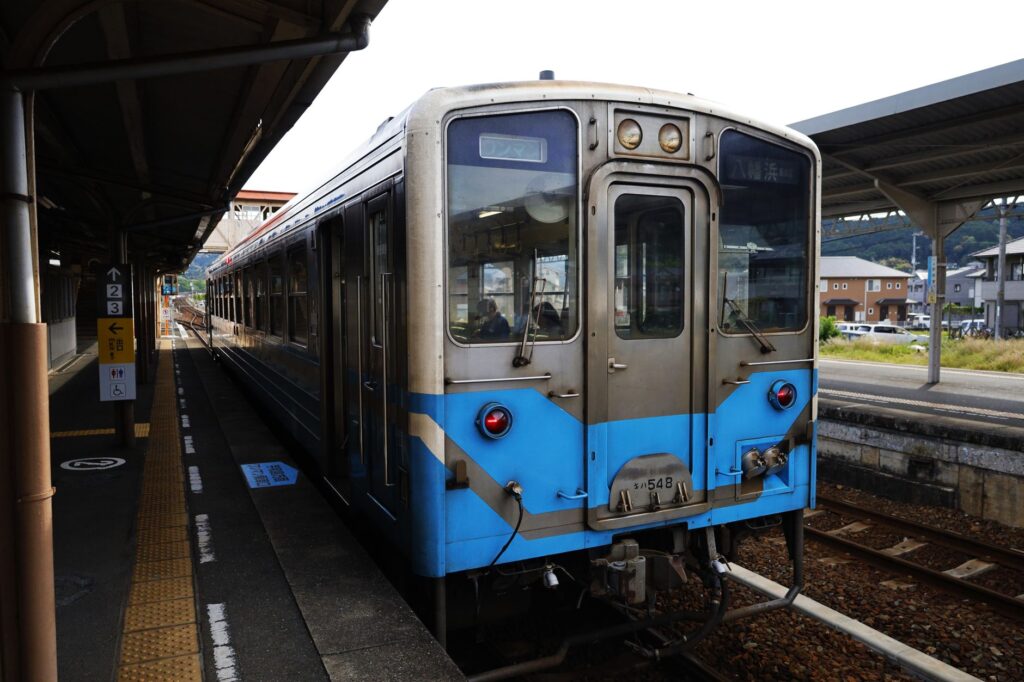
Nevertheless, the transition was not without technical and logistical hurdles. Absorbing a narrow-gauge network into a corporate giant primarily focused on broad-gauge and standard UIC gauges required maintaining highly specialized technical divisions. Maintenance workshops strategically located in hubs such as Santander, Oviedo, and Balmaseda continued operating as specialized centers for the overhaul and upkeep of rolling stock, combining modern diesel railcars with the historic public service mandate of the line.
Civil Engineering and Overcoming Cantabrian Topography
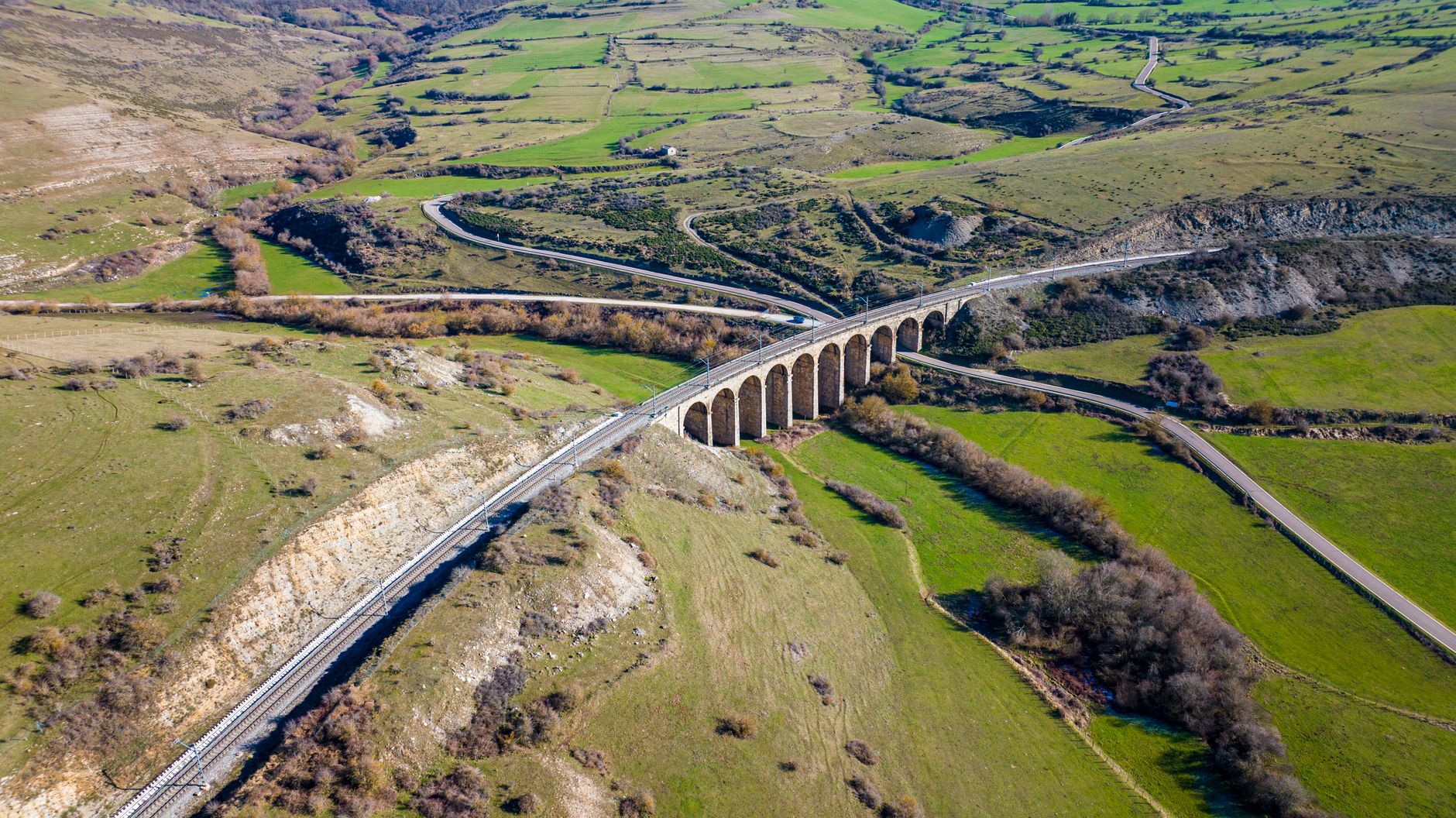
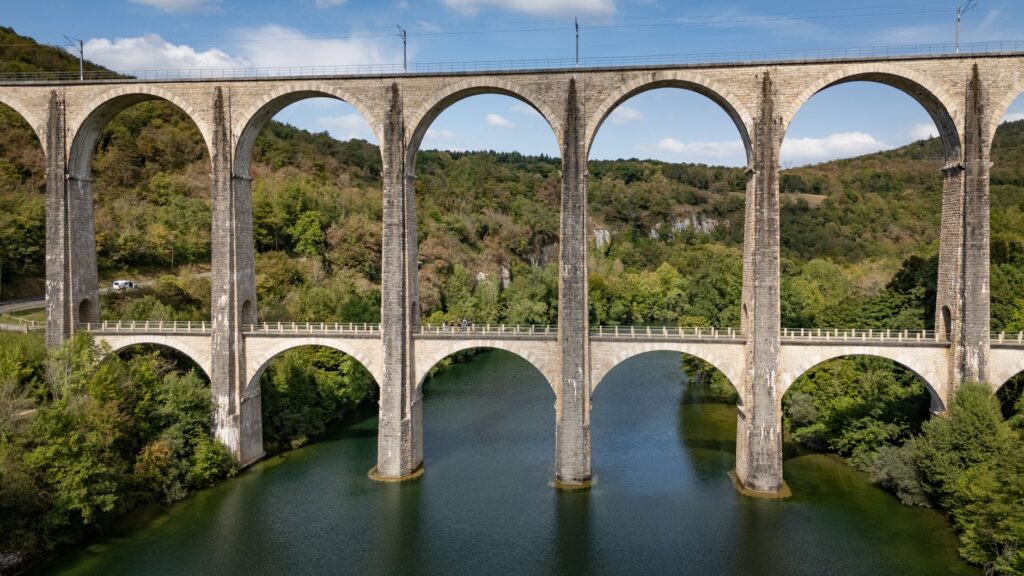
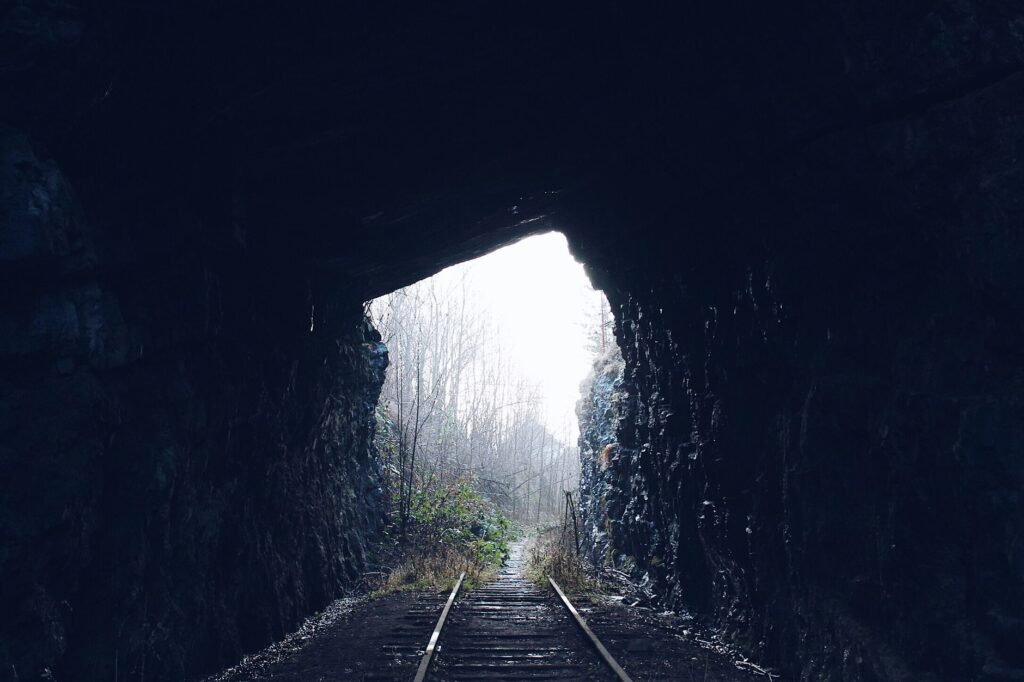
The alignment of the Transcantábrico and its associated commuter routes constitutes a veritable catalog of civil engineering solutions tailored to a hostile terrain. To conquer the abrupt elevation changes of the Cantabrian Mountains and numerous tidal estuaries, engineers of the nineteenth and twentieth centuries projected a dense network of tunnels and viaducts. Across specific Asturian and Cantabrian stretches, the succession of subterranean galleries is relentless, requiring train crews to traverse from one isolated valley to another within seconds.
Lattice iron bridges, many fabricated in local nineteenth-century steel mills, still stand today, crossing powerful rivers such as the Sella, the Deva, and the Nalón. The tight curvature of the tracks directly reflects the necessity of hugging the natural contours of the terrain, which naturally limits maximum train speeds while ensuring exceptional landscape integration. Maintaining the stability of the trackbed remains an ongoing challenge dictated by the region’s harsh weather, characterized by heavy rainfall, severe maritime storms, and frequent hillside landslides.
Rolling Stock: From Steam Traction to Modern Diesel Railcars
The technological evolution of the rolling stock operating on these tracks faithfully mirrors Spain’s industrial transformation. The evocative steam locomotives that for decades hauled freight and passenger cars through clouds of coal smoke and steam gave way, by the mid-twentieth century, to diesel-electric locomotives and self-propelled railcars. This motorization represented a substantial improvement in travel times and passenger comfort conditions.
In recent decades, the introduction of modern railcar series has enhanced accessibility, reduced pollutant emissions compared to vintage rolling stock, and equipped trains with advanced signaling and safety systems, such as the ASFA (Automatic Braking and Signal Announcement) system adapted for narrow-gauge lines. Despite these modernizations, the rolling stock faces severe wear and tear driven by marine humidity, salinity, and demanding gradient profiles, requiring rigorous preventive and corrective maintenance schedules.
The northern narrow-gauge railway is not merely a mode of transport; it is the structural backbone that has preserved the social cohesion of dozens of mountain valleys that would otherwise have faced demographic isolation.
Territorial Connectivity and Social Cohesion on the Northern Coast
Beyond its technical or tourist appeal, the fundamental value of this railway network lies in its social function. Along its itinerary, the train connects provincial capitals and industrial towns with rural villages and coastal hamlets lacking direct dual-carriageway access. For many residents in regions such as coastal Lugo, western Asturias, or the Encartaciones in Biscay, the train serves as the sole reliable and consistent link to essential healthcare, educational, and administrative centers.
This connectivity is especially critical amid demographic trends marked by population aging and residential dispersion. The railway acts as an essential public service guaranteeing mandatory mobility—education, employment, medical appointments—for segments of the population lacking private vehicles or unable to afford them. Maintaining stable frequencies and affordable fares across these routes remains a recurring debate in regional and national political agendas.
Railway Tourism: El Transcantábrico as a Luxury Product
At the opposite end of the spectrum from everyday social transit lies the touristic dimension of the infrastructure, embodied in luxury trains such as El Transcantábrico (Gran Lujo and Classic). Launched in the early 1980s as a pioneering service of its kind in Spain, this multi-day itinerary between San Sebastián and Santiago de Compostela utilizes the exact narrow-gauge tracks traversed by standard regional trains.

The passenger carriages of these tourist convoys have been meticulously restored or artisanally rebuilt to recreate the atmosphere of early twentieth-century European express trains, while being equipped with private en-suite compartments, panoramic lounges, and fine-dining gastronomy centered on local culinary traditions. This model of railway tourism not only stimulates local economies through guided excursions but also revalues industrial heritage by proving the commercial viability of narrow-gauge lines far beyond daily commuter operations.
Current Challenges: Investment, Modernization, and Mobility Demands
Despite its strategic importance, the narrow-gauge railway network in northern Spain faces significant structural challenges in the twenty-first century. Decades of insufficient investment in specific sections resulted in speed restrictions, technical incidents, and travel times that struggle to compete with highway transport, particularly following the construction of the northern coastal motorways.
In response to this reality, public administrations have rolled out infrastructure renewal plans encompassing the elimination of numerous level crossings, the modernization of catenaries and ballasting, and the upgrade of railway telecommunication systems. The primary objective is to shorten travel times and regain the confidence of everyday commuters. Furthermore, tariff integration with regional and local transport authorities is an essential step toward fostering intermodality and cementing the train as the preferred sustainable mobility option in northern Spain.
Practical Information for Travelers and Route Planning
Planning a journey across the northern narrow-gauge network requires an understanding of the unique nature of its service. Unlike high-speed rail lines, where punctuality is measured in seconds and direct journeys are the norm, the Cantabrian network demands patience, flexibility, and careful consultation of official timetables published by Renfe. Commuter and regional lines connect key cities such as Bilbao, Santander, Oviedo, and Ferrol through punctual transfers at designated junction stations.
For travelers interested in sustainable mobility or hiking, the train provides direct access to the trailheads of iconic routes, such as the coastal variant of the Camino de Santiago or access points to the Picos de Europa and Somiedo National Parks. Securing tickets in advance through official ticket offices or digital distribution channels is essential, verifying any specific capacity limitations for bulky luggage or bicycles in accordance with regional train regulations.
Conclusion: The Future of the Metric Gauge Train in Green Spain
Northern Spain’s narrow-gauge railway represents a perfect synthesis of industrial history, topographical challenge, and territorial cohesion. Far from being an obsolete infrastructure, its survival and necessary modernization align with the ecological transition and sustainable mobility imperatives demanded by Europe for the twenty-first century. Preserving this railway corridor is not merely an act of respect toward the legacy of nineteenth-century engineers and laborers, but an indispensable investment in the future to ensure that the communities of the Cantabrian cornice remain connected to progress, responsible tourism, and their native landscape.
Investing in the modernization of northern narrow-gauge lines acknowledges that true connectivity is measured not solely in kilometers per hour, but in the capacity to vertebrate territory without destroying its fragile natural balance.