


Introduction to the Iron Giants at High Altitudes
The Andes mountain range has historically represented one of the greatest geographical challenges for civil engineering and transportation on the American continent. Bridging abrupt gorges, arid plateaus over 3,000 meters above sea level, and nearly vertical slopes demanded bold technical solutions in the late 19th and throughout the 20th centuries. Today, high-altitude railway systems in regions such as Peru, Bolivia, Argentina, and Chile are neither mere archaeological relics nor isolated tourist attractions; they continue to operate as vital logistics corridors and irreplaceable community links in areas where roads frequently suffer cuts due to weather events.
Understanding the magnitude of these engineering feats requires looking beyond the romance of the train journey. The construction of these rail tracks required massive capital investment, frequently driven by international demand for minerals and raw materials, but it left a legacy of infrastructure that defies the limits of physics. Throughout this report, we will explore how these routes operate today, what challenges state and private operators face, and what role they play in the economic development and connectivity of high-Andean populations.
Origins and Engineering Challenges of the 19th Century
The definitive impetus for railway expansion in South America came from the need to connect industrial and mining extraction centers with export ports on the Pacific and Atlantic oceans. In the central Andes, European and North American engineers, working alongside thousands of local laborers, faced oxygen scarcity, extreme temperatures, and unprecedented topographical profiles. The Central Railway of Peru, initially projected by the visionary and controversial Henry Meiggs and masterfully executed by Polish engineer Ernest Malinowski, became the global paradigm of high-mountain railways by surpassing an altitude of 4,781 meters at the Ticlio pass.
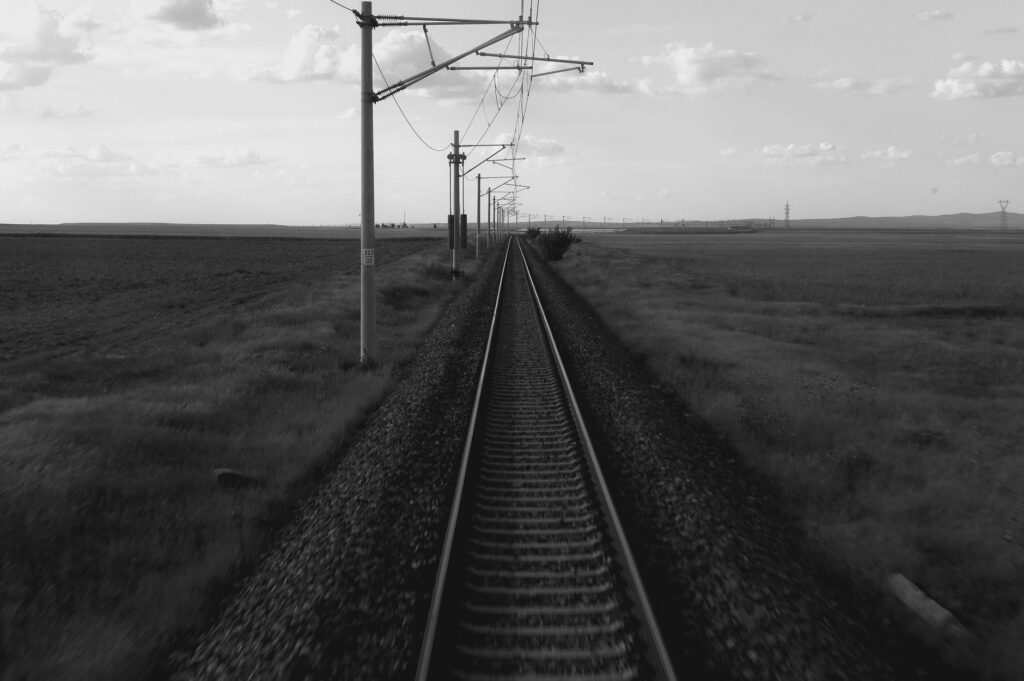
To overcome these heights without modern diesel locomotive technology, complex switchback or zigzag systems were used, where the train alternately changes direction to advance along slopes with impossible inclines. The technical audacity of these layouts continues to be studied in contemporary engineering faculties for their resilience and adaptation to the environment. Terrain constraints also forced the construction of hundreds of hand-carved tunnels and prefabricated iron bridges from Europe that had to be transported on muleback into the heart of the cordillera.
The Southern Peruvian Corridor: Integration and Sustainable Tourism
In southern Peru, the network currently operated by private concessionaires connects the historic city of Arequipa with the high plateau of Puno and the imperial city of Cusco. This railway corridor is a clear example of hybrid infrastructure: it transports both heavy cargo—minerals, fuel, and agricultural products—and thousands of domestic and international travelers seeking access to the Sacred Valley and the historic sanctuary of Machu Picchu.
Managing this route requires constant monitoring of the railway line due to the rainy season, which frequently causes mudslides and rockfalls in the Urubamba Valley. Operating companies continuously invest in early warning systems and slope stabilization to ensure operational safety. Maintaining a railway line in the high jungle and the high Andes is not a conventional conservation task; it is a daily labor of preventive engineering and immediate response.
This balance between preserving historical heritage, mass tourism demand, and local freight transport safety defines contemporary debates on infrastructure management in the region.

The Transandine Railway and Southern Cone Routes
Further south, on the border between Argentina and Chile, the dream of a transandine train linking the Atlantic and Pacific oceans has had a history marked by interruptions and unfinished projects. The historic Los Andes-Mendoza Transandine Railway, inaugurated in the early 20th century, operated for decades until it was permanently suspended in the 1980s due to high operating costs and competition from freight motor transport via the Los Libertadores international mountain pass.
However, discussions regarding the reactivation of cross-border rail connections periodically resurface given the saturation of road passes and the need to reduce the carbon footprint in freight transport. International logistics experts point out that railway integration projects in the Southern Cone require not only binational political will but also public-private partnership models that guarantee long-term financial sustainability. The modernization of gauge systems and the harmonization of technical standards among neighboring countries continue to be the main bureaucratic obstacles.
Tren a las Nubes and Social Connectivity in Argentina
In northwestern Argentina, branch C-14, popularly known as the Train to the Clouds, offers a different perspective on the role of Andean railways. Originally conceived by engineer Ricardo Maury to connect the Argentine railway network with the Chilean port of Antofagasta, this layout reaches its culminating point at the La Polvorilla viaduct, situated 4,220 meters above sea level. Although it currently operates mainly as a tourist service of great economic relevance for the province of Salta, the branch maintains its status as a route of strategic interest for local communities.
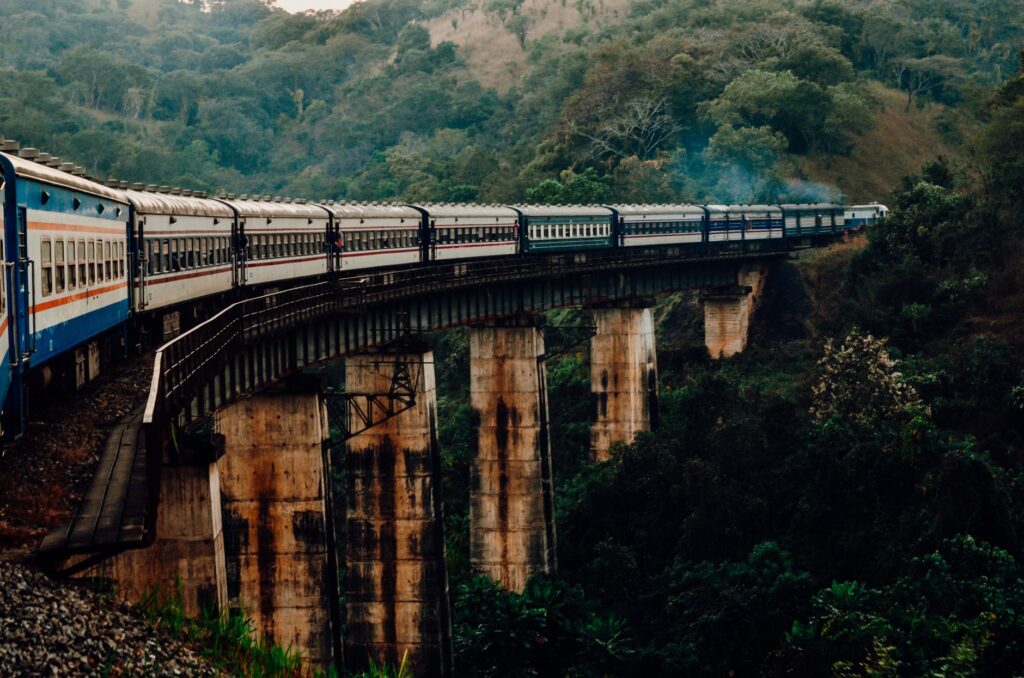
For the inhabitants of small, dispersed settlements in the Puna, the occasional passage of train formations represents an indispensable logistical link for supply and communication in a region characterized by geographical isolation. The preservation of these mountain routes fulfills an irreplaceable social function that far transcends the financial balance sheets of operating companies.
Hostile Geography: Climate Challenges and Maintenance
Operating trains in the Andes means facing extreme weather conditions on a daily basis. Drastic thermal variations—which can shift from sub-zero temperatures at dawn to scorching sun at noon—generate accelerated fatigue in steel rails and rolling stock. Added to this is the phenomenon of hypoxia or lack of oxygen, which reduces both the performance of traditional internal combustion engines and the physical capacity of crews, requiring the use of specially adapted locomotives with high-efficiency turbochargers.
Modern railway engineers must also contend with the effects of climate change, which has altered precipitation patterns in the Andean region. Torrential rains concentrated in short periods exponentially increase the risk of flash floods and mudslides. For this reason, concessionaire companies have incorporated geomatics technologies, satellite sensors, and drones to inspect critical sections before convoys pass, minimizing the risk of accidents and optimizing response times to climate emergencies.

Logistics Infrastructure and Cargo: The Economic Pulse
Although international tourism captures media attention, the true economic engine of most Andean rail lines remains mass freight transport. Minerals such as copper, zinc, and lithium, extracted from high-altitude deposits, rely heavily on the railway to descend efficiently toward processing centers or shipping ports. The cost per ton-kilometer transported by rail is significantly lower than that of road transport, while also generating lower greenhouse gas emissions and reducing wear and tear on the paved road network.
The railway in the Andes is not a decorative element of the past; it is the logistical backbone that allows the economic viability of large-scale mining and agricultural export in terrains where building highways is unfeasible.
However, the lack of sustained investment in renewing locomotive fleets and upgrading signaling systems represents latent risks to the competitiveness of these logistics corridors compared to modern motor transport.
Travel Planning and Sustainable Mobility in the Region
For the contemporary traveler and researcher interested in touring the Andean railway routes, rigorous planning is an essential requirement. Unlike high-speed networks in Europe or Asia, Andean trains operate with limited frequencies—ranging from daily departures to only two or three times a week—and are subject to temporary suspensions derived from track maintenance or weather alerts. It is crucial to purchase tickets directly through the official channels of authorized operators months in advance, especially during the dry season, which runs from May to September.

Passengers must also take into account basic medical recommendations to prevent altitude sickness, given that the ascent is carried out rapidly on some routes. Railway companies typically have onboard medical assistance and a supply of supplemental oxygen, but prior acclimatization in cities of moderate altitude remains the best strategy to enjoy the journey without health issues. Respect for the schedules and operational particularities of high mountains is the key to a safe and enriching travel experience.
Conclusions on the Future of the Andean Rail
The future of the Andean railway network depends on the capacity of national governments, multilateral credit organizations, and the private sector to articulate long-term investment policies that prioritize technological modernization and structural safety. High-altitude railways not only represent a monumental testimony of human ingenuity in the face of geographical adversity, but they also continue to offer an efficient, safe transportation alternative with a lower environmental impact compared to the massive development of roads in ecologically fragile areas.
Ensuring the survival and development of these iron corridors requires moving beyond short-term visions and recognizing that railway connectivity is a fundamental pillar for territorial cohesion and the sustainable economic development of high-Andean populations. The future of transportation in the Andes is inextricably linked to the capacity to preserve and update this iron heritage.
Practical Information for Travelers and Planners
- Recommended season: The dry season, spanning from May to September, offers the most stable weather conditions and the lowest risk of route interruptions due to landslides.
- Acclimatization: It is advisable to spend at least 48 hours in cities of moderate altitude (such as Arequipa or Salta) before boarding trains that exceed 3,000 meters in elevation.
- Advance booking: Spaces on iconic tourist routes are highly limited; it is imperative to secure bookings months in advance.
- Documentation: Always keep a valid passport or identity document close at hand, as immigration and security checks are carried out at several high-altitude stations.
- Luggage allowance: Most mountain railway operators enforce strict weight and volume restrictions for hand luggage due to limited space inside the carriages.


