

Introduction to the Railway Myth of the Argentine Puna
The Train to the Clouds represents much more than a high-mountain tourist attraction in northwestern Argentina; it is a landmark of 20th-century civil engineering and a vital transport corridor for understanding the territorial integration of the Salta Puna. This railway service, operating along the historic C-14 branch of the General Belgrano Railway, was originally conceived with geopolitical and economic goals: to link northern Argentina with Pacific Ocean ports in Chile across the Andes mountain range.
Throughout its route, the railway ascends from the Lerma Valley to reach altitudes exceeding 4,200 meters above sea level at the La Polvorilla viaduct. This monumental undertaking forced period engineers to devise unprecedented technical solutions, bypassing rack railway systems in favor of a zigzag layout and a succession of steel bridges and tunnels carved out of living rock. Today, the journey combines partial rail operation with motorcoach transfer segments, ensuring a safe and regulated experience for travelers seeking to venture into the extreme landscapes of the altiplano.
Historical Background and the Design of the C-14 Branch
The genesis of the Train to the Clouds lies in the ambitious project led by American engineer Richard Maury, who in the early 1920s assumed technical direction of the railway connecting Salta to Socompa on the Chilean border. State vision at the time sought to boost regional economies in northern Argentina by facilitating the export of minerals and agricultural goods to trans-Pacific markets without relying exclusively on Atlantic coastal ports.
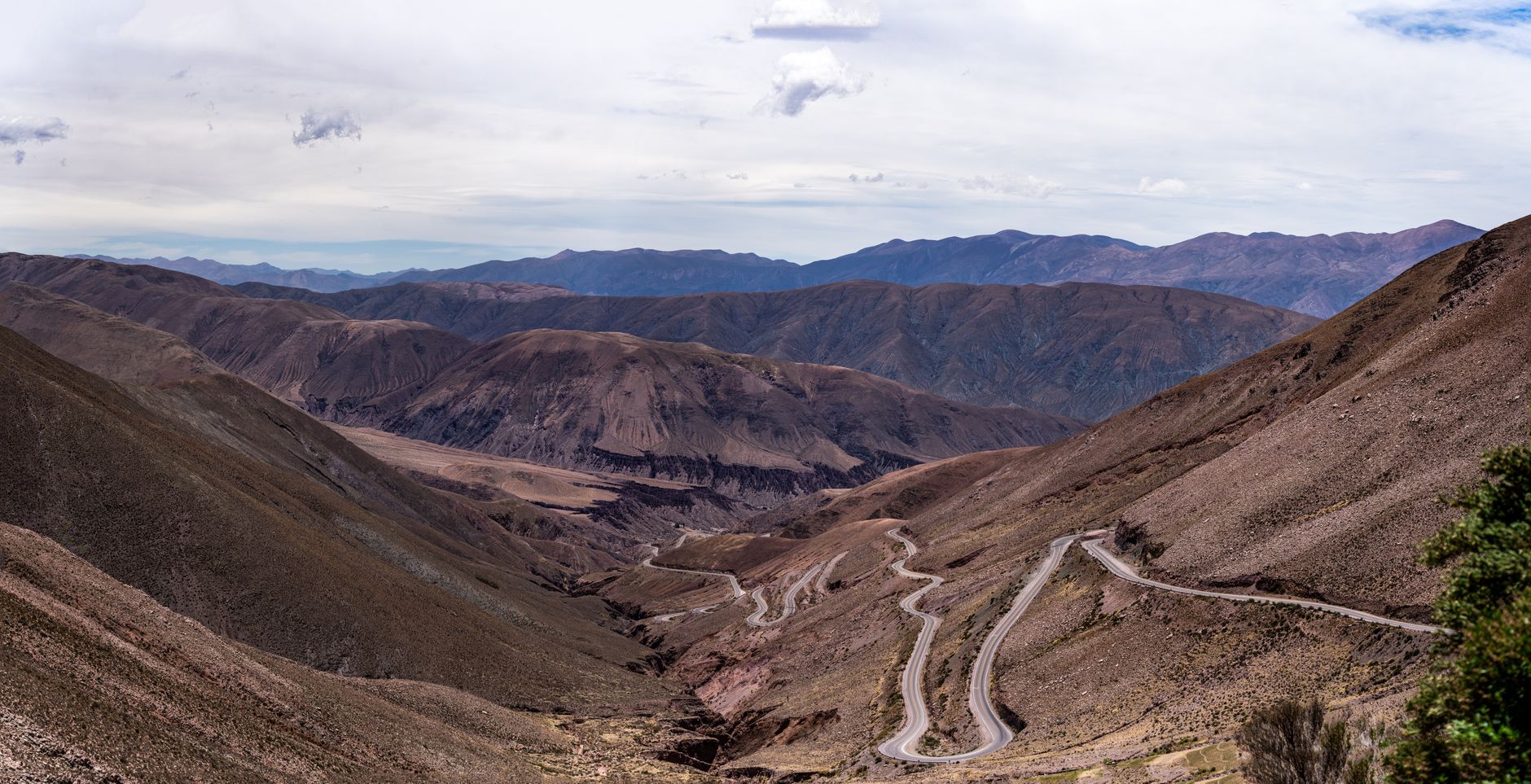
Maury’s design stood out for its topographical audacity. Rather than boring lengthy subterranean tunnels—impractical given the technology and budgets of the era—the engineer devised a system of switchbacks, reversals (locally known as zigzags), and loops allowing the train to gain elevation step-by-step along Andean mountain slopes. Every kilometer of track represented a titanic battle against adverse weather, lack of oxygen, and the logistical complexities of supplying work crews operating above 3,500 meters of altitude.
Civil Engineering Facing Extreme Altitude
Building a railway across the Puna required overcoming extraordinary physical barriers. Construction materials, heavy machinery, and supplies had to be hauled by pack mules or rudimentary carts before initial trails were partially cleared. Engineers had to calculate the thermal expansion of metals in a region where daily temperature swings easily exceed thirty degrees Celsius, with freezing temperatures common during winter nights.
The railway infrastructure comprises 29 steel bridges, 21 tunnels, 13 viaducts, and two turning loops allowing altitude gain without exceeding maximum slopes tolerated by period steam and diesel locomotives. The stability of embankments and the foundation of piers on arid soils exposed to wind and water erosion required geotechnical engineering techniques that were pioneering in South America.

The La Polvorilla Viaduct: Summit and Symbol of the Route
The high point of the experience is crossing the La Polvorilla Viaduct, situated at a breathtaking altitude of 4,220 meters above sea level. This self-supporting, curved, and sinuous steel structure was fabricated entirely in Europe and assembled on-site without complex scaffolding, utilizing hot-riveting technologies typical of early 20th-century industrial architecture.
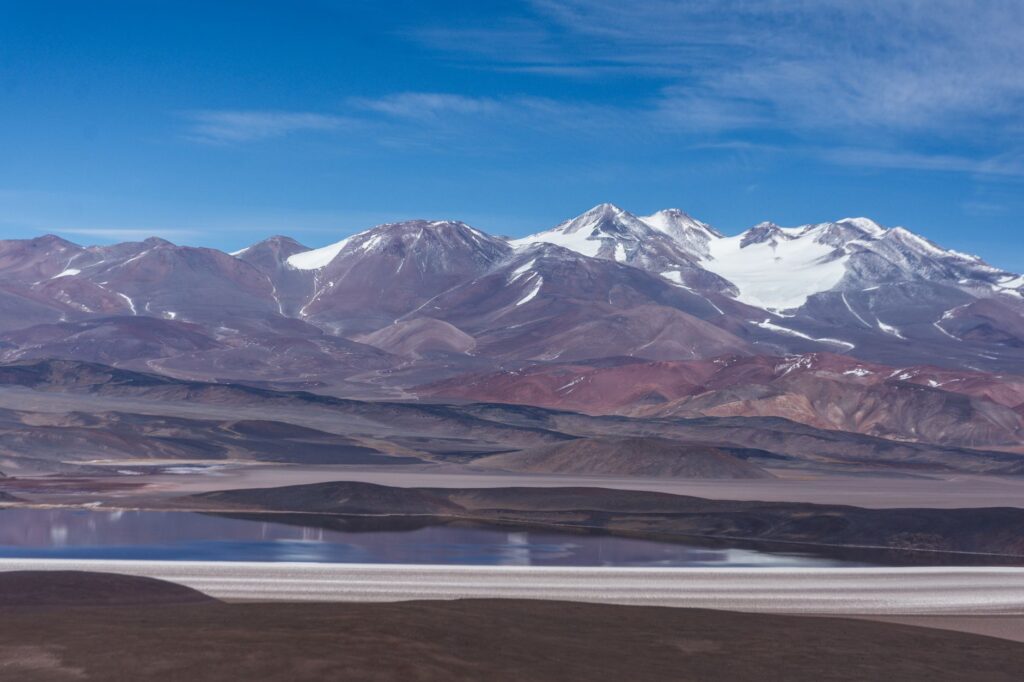
Crossing La Polvorilla generates a sense of absolute isolation. The vastness of the surrounding altiplano, framed by desert peaks and capped by an intensely blue sky, contrasts with the geometric slenderness of the iron bridge. For many travelers, this segment marks the culmination of an extended acclimatization journey and the definitive testament to human capacity for connecting remote, inhospitable territories.
Operational Evolution and the Transition to Modern Mixed Models
The Train to the Clouds service has undergone profound transformations throughout its commercial history. Initially operated as a continuous passenger train running the entire route from the provincial capital to La Polvorilla, the service faced technical interruptions, budgetary constraints, and maintenance challenges stemming from aging rolling stock and infrastructure.

Currently, the operating scheme relies on a mixed, multimodal model optimizing travel times while maintaining high safety standards. Passengers board the train in the town of San Antonio de los Cobres—following an initial motorcoach transfer from the city of Salta through the Toro Gorge—to complete the railway journey to the viaduct and return, seamlessly integrating road transit and the authentic railway experience.
Socioeconomic Impact on Puna Communities
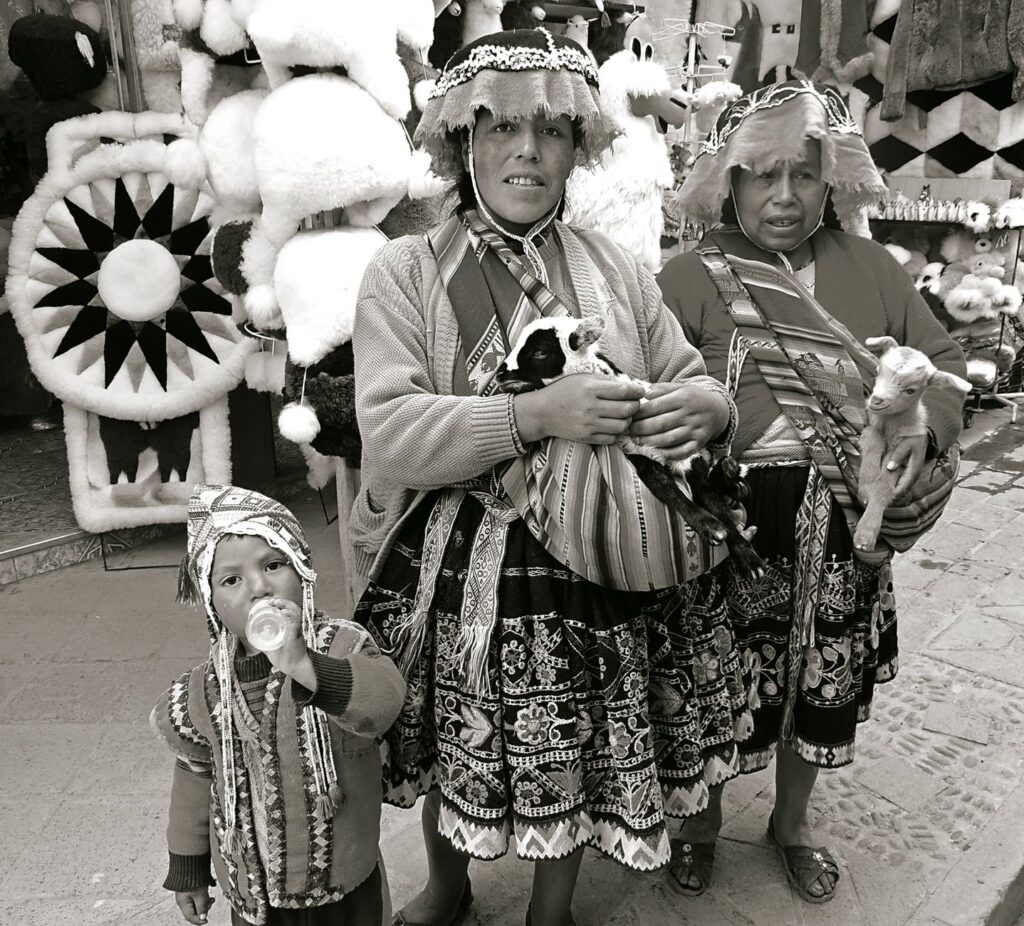
The tourism operation of the train plays a dynamic catalyst role in the local economies of traditionally isolated Puna communities, such as Santa Rosa de Tastil, San Antonio de los Cobres, and surrounding hamlets. The regular influx of visitors encourages craft markets, llama and alpaca wool-weaving cooperatives, and small-scale Andean gastronomy ventures.
This controlled tourism flow fosters the appreciation of the cultural heritage of the Atacama and Coya peoples inhabiting the region. Nevertheless, local authorities and tour operators face the ongoing challenge of managing environmental impacts and ensuring the economic benefits of tourism are equitably distributed among permanent residents of the altiplano.
Trip Planning: Logistics, Acclimatization, and Practical Advice
Organizing a journey to the Train to the Clouds requires rigorous planning due to the unique geographic and climatic conditions of northwestern Argentina. The critical factor every traveler must manage is altitude acclimatization to prevent altitude sickness. Spending at least two preceding nights in Salta (1,187 meters) and undertaking gradual ascents is strongly advised before boarding the high-altitude section.
- Advanced Booking: Seats are limited and demand peaks during high seasons (austral winter and summer), making it essential to secure tickets months in advance.
- Appropriate Attire: Layered clothing is mandatory, including windproof jackets, fleece layers, hats, gloves, and high-UV-protection sunglasses.
- Hydration and Light Diet: Travelers should drink plenty of water, avoid heavy meals, and limit alcohol consumption during the initial days at high altitude.
- Documentation and Insurance: Comprehensive travel medical insurance covering high-mountain emergencies and a valid passport or ID are indispensable.
Regional Connectivity and Road Accessibility
Access to the train’s boarding point is provided via National Route 51, a paved and consolidated road winding up through the Toro Gorge. This highway running parallel to the railway features interpretive stops of high archaeological value, such as the pre-Inca ruins of Tastil, a pre-Hispanic urban settlement housing thousands of residents in the 14th century.
Salta’s regional air connectivity centers on Martín Miguel de Güemes International Airport, receiving daily flights from Buenos Aires and other domestic hubs, facilitating the arrival of international and domestic visitors. The synergy between airport infrastructure, road networks, and railway services forms the backbone of the region’s adventure and cultural tourism offering.
Environmental Considerations and Corridor Sustainability
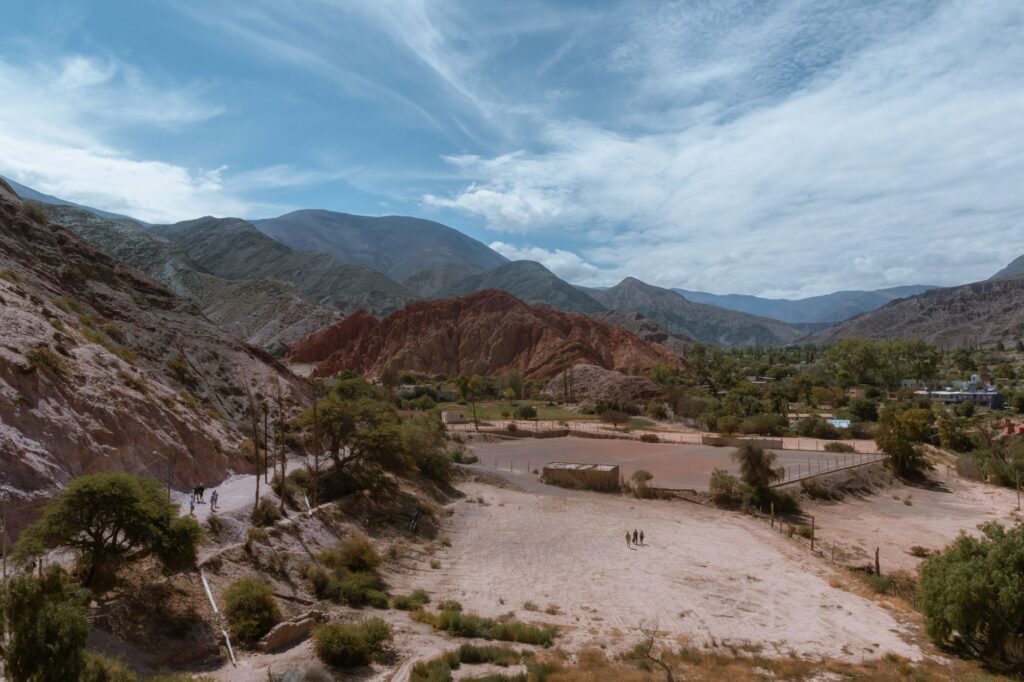
The fragility of high-Andean ecosystems demands strict regulatory frameworks for environmental management and heritage conservation. Vehicle traffic and tourist influx in high-altitude desert and wetland zones require robust waste mitigation plans and protection strategies for native fauna, including South American camelids such as vicuñas, guanacos, llamas, and alpacas.
Furthermore, preserving historical engineering monuments like steel bridges and century-old railway stations requires continuous structural maintenance programs supervised by industrial heritage specialists. The long-term sustainability of the Train to the Clouds relies on balancing the commercial viability of the tourism product with the comprehensive protection of the Puna’s natural and cultural landscape.
Visual Closing and Institutional Summary of the Altiplano
The Train to the Clouds transcends standard transportation to establish itself as an irreplaceable cultural and technical experience. Across its century-old rails, the Salta Puna opens itself to the world without losing its silent, majestic essence. Every journey over the high-altitude viaducts affirms the enduring validity of a masterwork of engineering that continues to challenge the limits of Andean geography, offering travelers a unique window into the unaltered heart of the Andes.


