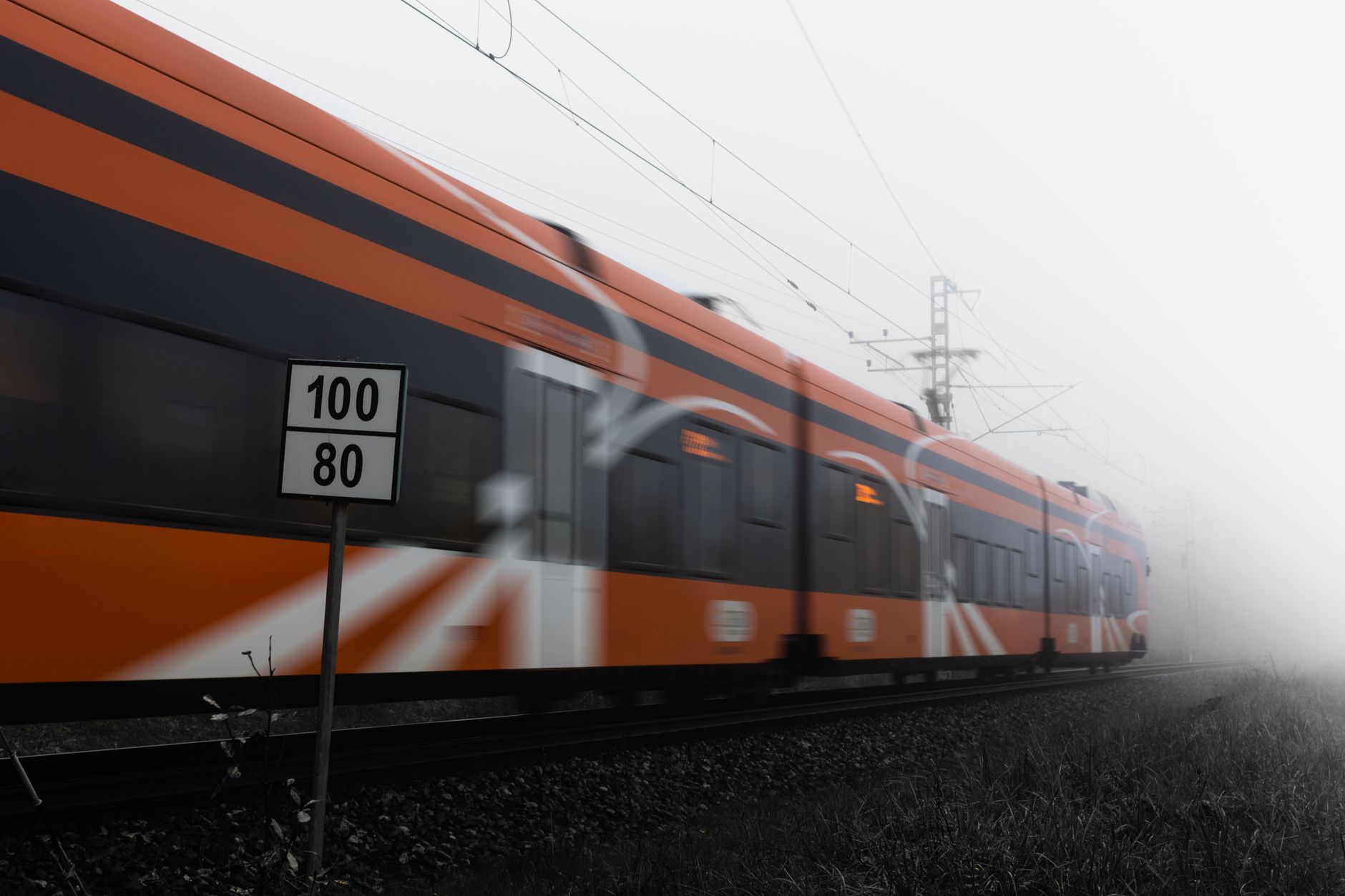

The Railway Renaissance Across the Old Continent
For decades, low-cost aviation dominated the European traveler’s imagination, relegating the train to a secondary role for international journeys. However, climate pressures, airport congestion, and a fresh sensitivity toward transit times have prompted a radical shift in mobility policies. Railways are no longer perceived merely as public commuter services, but as the strategic backbone required to connect metropolitan areas without expanding carbon footprints.
This phenomenon is not merely an aesthetic preference; it stems from complex economic and regulatory restructuring driven by the European Union. The gradual opening of rail markets to private competition and the standardization of signaling systems aim to eliminate historical barriers that fragmented the continent. Traveling from capital to capital in under a day, or sleeping aboard while crossing multiple borders, has once again become a viable and competitive option against commercial aviation.
To understand the true scope of this transformation, it is necessary to examine priority corridors, rolling stock investments, and management models rewriting the rules of the game. The objective is not to compete in pure speed against aircraft on every single kilometer, but to offer an integrated, predictable travel experience directly linked to urban centers.
High-Speed Corridors and Cross-Border Integration
The core of Europe’s new mobility relies on the Trans-European Transport Network (TEN-T) priority corridors. These axes prioritize high-speed rail not only within national borders, but across them. Classic routes connecting Paris with Brussels and Amsterdam, or links between Germany and Austria, demonstrate that cooperation among state operators generates steady passenger flows.
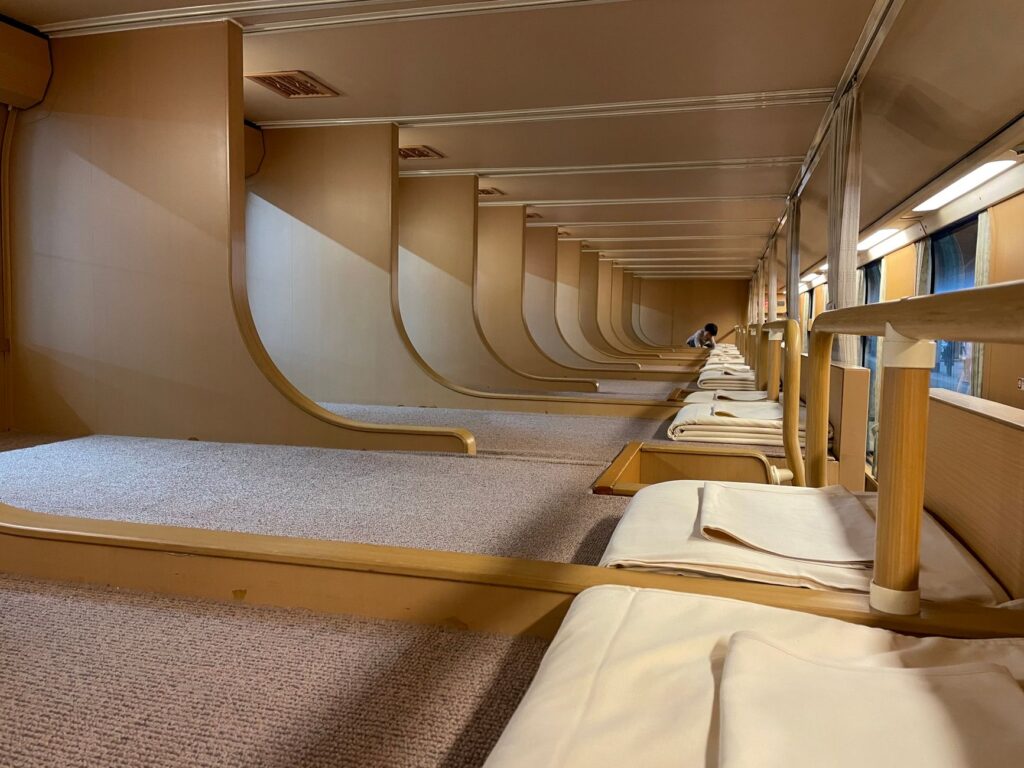
Nonetheless, technical interoperability remains one of the greatest engineering challenges. Diverse overhead catenary voltages, disparate track gauges—such as the Iberian gauge versus standard European tracks—and multiple train control systems require the development of multi-system locomotives capable of operating across several countries without stopping at borders for engine swaps.
Europe’s railway infrastructure is not merely a matter of tracks and locomotives; it is a geopolitical pact on how to circulate seamlessly through the continent’s cultural and administrative diversity.
Companies like Eurostar and consortia formed by public operators such as SNCF, Deutsche Bahn, ÖBB, and Trenitalia compete and collaborate simultaneously. This mixed dynamic has increased frequencies, though it has also exposed bottlenecks at critical railway nodes like the Stuttgart region or the Antwerp junction.
The Strategic Return of Night Trains
Perhaps the most visible symbol of this renaissance is the resurgence of overnight services, primarily led by the Nightjet trains of Austrian Federal Railways (ÖBB). Following the mass abandonment of these services by several companies in the 2010s due to perceived low profitability, Vienna committed to renewing its fleet with modern, high-privacy couchette cars and competitive fares.
Today, night networks connect cities like Vienna, Munich, Zurich, Berlin, Paris, Rome, and Amsterdam. The night train transforms sleeping hours into useful travel time, eliminating the need for hotel stays and bypassing peripheral airports that consume valuable hours before and after flights.
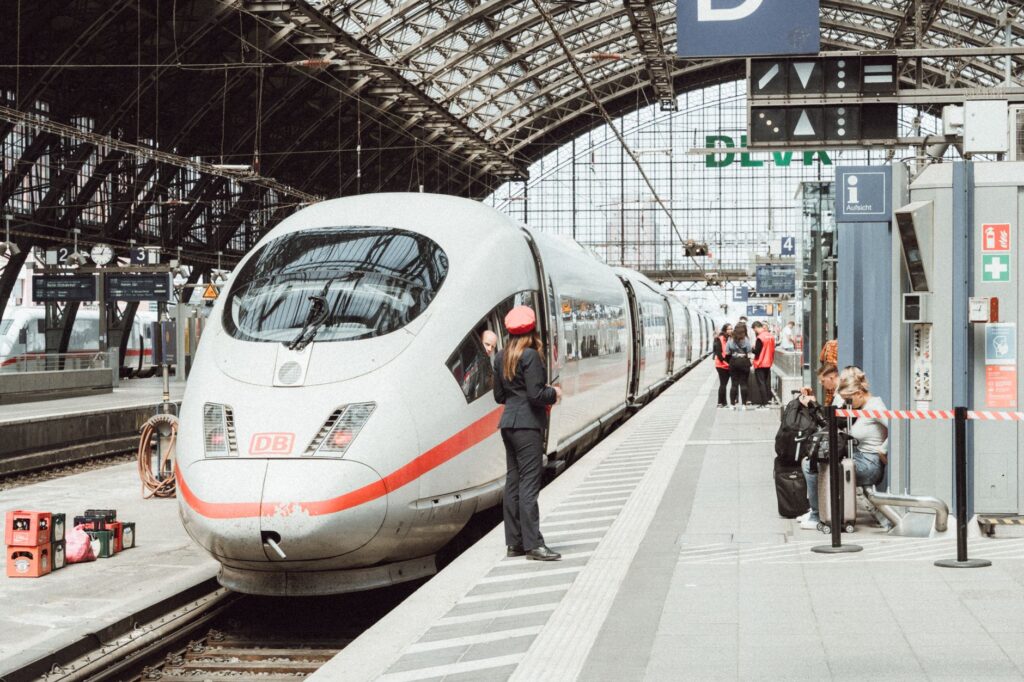
Despite popular enthusiasm, deploying these services presents notable operational challenges. The availability of certified sleeper cars capable of running across multiple networks is scarce, and manufacturing requires lengthy lead times. Furthermore, path allocations—slots assigned on tracks for train movement—are frequently prioritized for freight transport during the night, limiting passenger convoy expansion capacity.
Infrastructure and Logistical Challenges in Alpine and Pyrenean Crossings
Geographically, Europe is crossed by formidable natural barriers. The Alps and the Pyrenees have demanded colossal engineering feats to allow fluid passage for high-capacity trains. Switzerland’s Gotthard Base Tunnel, inaugurated a decade ago, and the future Brenner Base Tunnel between Austria and Italy are prime examples of drilling through mountains to unite distant economic valleys.
These base tunnels allow trains to travel at lower altitudes with much gentler slopes, translating into heavier convoys, higher speeds, and optimized energy consumption. However, their maintenance requires complex scheduled shutdowns and multi-million-dollar budgets dependent on the fiscal stability of member states.
In the southwest, the situation in the Pyrenean mountain range remains a chronic pending issue. Although coastal links exist along the Atlantic and Mediterranean rims, the central Pyrenees lack a truly modern high-capacity rail connection, partially isolating logistical and passenger flows between the Iberian Peninsula and the rest of continental Europe.
The Human Factor and Onboard Experience
Beyond cold statistics on transported tonnage and electrified track kilometers, the train’s success relies on the passenger’s subjective perception. Facing the stress of airport security controls, baggage restrictions, and automated boarding, the railway retains a radically different human and spatial dimension.
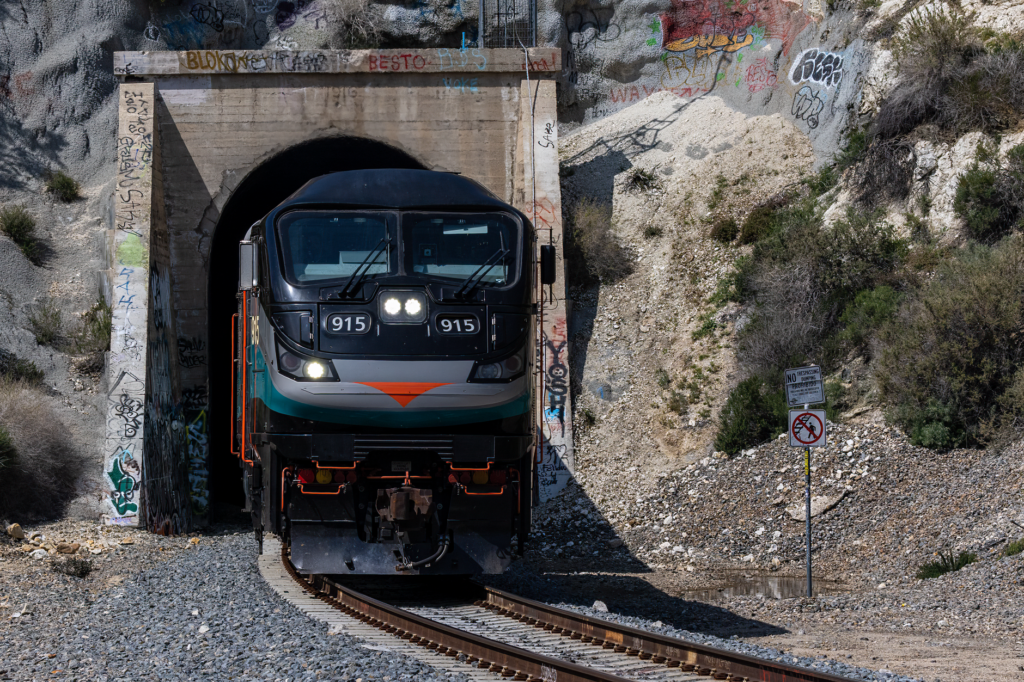
Dining cars, corridors allowing passengers to stretch their legs, and the absence of turbulence transform the journey into a substantial part of the travel experience. The calculated slowness of the train reclaims territory as a living landscape, allowing travelers to witness the gradual transition of ecosystems, rural architecture, and industrial suburbs.
However, the experience is not without friction. Accumulated delays in densely populated networks like Germany’s generate frustration, and disparities in booking platforms complicate the creation of a genuine single European ticket integrating all segments with compensation guarantees for missed connections.
Economic Sustainability and the Public Funding Dilemma
The European rail system rests on a delicate balance between public subsidies and commercial fares. While aviation historically enjoys tax exemptions on kerosene and lower indirect taxation on certain international routes, railways bear steep track access charges paid by operators to state infrastructure managers.
Various transport economists argue that to achieve a true level playing field, it is imperative to internalize the environmental costs of polluting modes and channel tax revenues into lowering train ticket prices. Several countries have experimented with flat-rate passes—such as Germany’s Deutschlandticket—proving that demand exists and is elastic regarding accessible pricing.
Nevertheless, maintaining these subsidized fares tests the long-term sustainability of public budgets, forcing a rethink of the financial governance of rail networks to prevent unviable fiscal imbalances.
Smart Planning and Practical Tips for Rail Travelers
Navigating the current European rail network requires a planning strategy superior to purchasing a simple direct flight ticket. The fragmentation of sales channels demands an understanding of essential logistical levers:
Early booking for high speed: On trains like Eurostar or cross-border AVE and TGV services, the cheapest fares open months in advance and sell out quickly.
Flexibility with global passes: Interrail or Eurail passes remain powerful tools, though many high-speed routes require mandatory seat reservation supplements.

Buffer time for transfers: When crossing borders with different operators, it is advisable to leave at least 45-60 minutes between trains if tickets are bought separately, as international delays do not always guarantee free rebooking on another company’s train.
Aggregation apps: Independent tools and unified timetable portals help visualize combined journeys that national search engines sometimes omit due to commercial rivalries.
True freedom of movement in Europe does not lie in rushing as fast as possible to a sterile destination, but in recovering the capacity to traverse territory consciously, predictably, and connectedly.
Horizons and Remaining Challenges Toward 2030
Looking toward the end of this decade, the European Union has set ambitious goals to double high-speed traffic and triple rail freight transport. Meeting these targets will require sustained investment exceeding one hundred billion euros in track modernization, digitalization via the European Rail Traffic Management System (ERTMS), and the acquisition of eco-friendly rolling stock.
The battle for the mobility of the future is fought in engineers’ offices and on platforms where secular steam traditions converge with digital brains of automated driving. If Europe successfully overcomes bureaucratic inertia and national rivalries, the train will not merely be an ecological alternative, but the undisputed standard of twenty-first-century continental civilization.