
Introduction to the Kungsleden
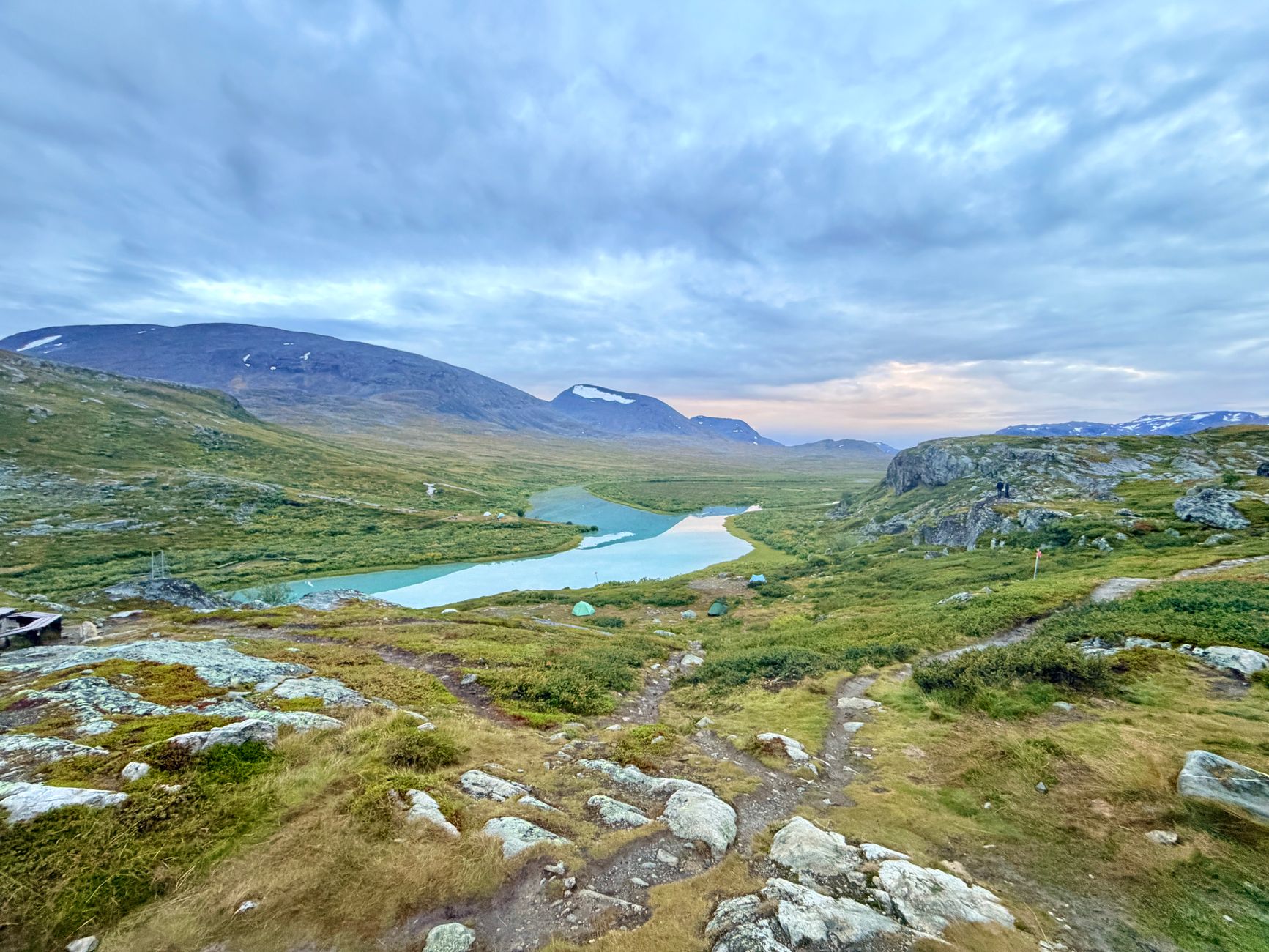
The Kungsleden, known in English as the King’s Trail, represents one of Europe’s most celebrated and respected long-distance hiking routes. Situated almost entirely north of the Arctic Circle, this itinerary stretches for approximately 425 kilometers across the vast and wild region of Swedish Lapland, connecting Abisko in the north with Hemavan in the south. Far more than a mere footpath, the Kungsleden is a journey through some of the continent’s most ancient and uninhabited landscapes, where human intervention is limited to mountain shelters, strategically placed suspension bridges, and rowing boats for crossing glacial lakes.
The history of this trail is intimately tied to the Svenska Turistföreningen (STF), the Swedish Tourist Association, founded in the late 19th century with the mission of opening up the Swedish mountains to both locals and international travelers. The northern section, between Abisko and Kebnekaise, was the first to be consolidated at the turn of the 20th century, specifically designed to allow hikers to experience Sweden’s alpine grandeur without requiring extreme mountaineering skills. Over the decades, the trail expanded southward to reach its current length.
Planning and Trip Logistics
Tackling the Kungsleden requires rigorous logistical planning, primarily due to its remote location and the variability of Arctic weather conditions. Although the trail is exceptionally well marked with stone cairns, red-painted crosses on rocks, and wooden signposts, self-sufficiency is an absolute prerequisite for any trekker. Weather in the tundra can change dramatically within hours, shifting from brilliant sunshine to gale-force winds and intense snow squalls, even in the dead of summer.
The Arctic does not forgive lack of preparation; pack weight and the quality of waterproof gear make the difference between an unforgettable experience and an emergency situation in the middle of nowhere.
For those undertaking the entire route, the estimated duration ranges from three to four weeks, depending on pace and physical conditions. However, the vast majority of hikers choose to break the journey into more manageable sections. The most popular stretch, known as the Northern Trail between Abisko and Nikkaluokta (passing through the Kebnekaise massif), is typically completed in five to seven days, making it the ideal choice for those with limited time who still wish to experience the pure essence of Swedish Lapland.
The Rhythm of the Seasons: When to Go
The temporal window for safely and rewardingly hiking the Kungsleden is remarkably narrow. The primary summer season runs from late June to mid-September. During this period, days are extraordinarily long thanks to the phenomenon of the midnight sun in June and July, offering immense schedule flexibility to complete daily stages without the pressure of approaching darkness.
By late August and early September, the landscape undergoes a radical transformation known in Swedish as *fjällvandringens högtid* (the golden age of mountain hiking). The tundra blazes with ochre tones, deep reds, and bright yellows due to the autumnal change in dwarf birch bushes and wild blueberries. It is during this crisp window that the air sharpens and the pressure of mosquitoes, omnipresent throughout mid-summer, drops dramatically. Nevertheless, trekkers must be prepared for early night frosts and the possibility of early snowfall starting in September.
The STF Infrastructure: Cabins and Refuges
One of the most unique characteristics of the Kungsleden is the network of STF-managed cabins spaced at regular intervals of 10 to 20 kilometers along much of the route. These facilities provide a secure roof, bunk beds with mattresses, wood-burning stoves, gas for cooking, and, in many locations, small shops stocking basic supplies such as pasta, rice, and canned goods.
Unlike alpine huts in the central Alps, Kungsleden cabins operate under a philosophy of self-service and community cooperation. Local wardens oversee general maintenance, but visitors are expected to chop wood, haul water from nearby streams, wash dishes, and keep common areas in pristine condition. During peak season, these cabins are permanently staffed; outside of regular dates, they remain open without supervision, always providing an emergency room equipped with a communication radio.
The Kebnekaise Challenge and the Southern Massif
At the midpoint of the northern route, the Kungsleden passes beneath the shadow of Kebnekaise, Sweden’s highest mountain, which rises above 2,000 meters in elevation. This massif represents one of the journey’s absolute highlights, both in terms of scenery and physical demand. Hikers have the opportunity to take a detour from the Kebnekaise mountain station to summit the south peak, an ascent requiring navigation over rocky terrain and steep slopes.
Climbing Kebnekaise should not be taken lightly. Although the standard route is well marked, the south peak is crowned by a glacier whose height fluctuates based on weather conditions and summer melt. The weather in this sector is notoriously fickle, and rescues for hypothermia or disorientation caused by sudden fog serve as a constant reminder of the seriousness of the Arctic alpine environment. For those who prefer to stay on the main trail, nearby Tarfala Valley offers breathtaking views of hanging glaciers and scientific research facilities dedicated to climate change monitoring.
Self-Sufficiency and Wild Camping
While staying in STF cabins brings comfort and the chance to socialize with global travelers, the Kungsleden is also a paradise for autonomous camping enthusiasts. Thanks to the Swedish legal principle known as *Allemansrätten* (the right of public access), wild camping is permitted virtually anywhere along the trail, provided nature is respected, no litter is left behind, and a respectful distance is maintained from dwellings and official cabins.
Pitching a tent beneath the Arctic sky offers an intimate connection with the landscape that is hard to replicate under a roof. However, this demands carrying appropriate gear: a four-season tent capable of withstanding strong lateral winds, a sleeping bag with a comfort rating suited for sub-zero temperatures, and an efficient mountain stove. Water management is remarkably straightforward compared to other global routes, as high-mountain stream water is generally pure and safe to drink directly without chemical purification, though drawing from fast-flowing currents away from reindeer grazing areas is always advised.
Sami Culture and the Cultural Landscape
Hiking the Kungsleden is not merely an encounter with untouched wilderness, but also a journey through ancestral lands inhabited by the Sami people, the indigenous population of northern Fennoscandia. Along the route, it is common to cross paths with herds of reindeer roaming freely across the tundra, animals owned by local Sami communities and forming the backbone of their traditional livelihood.
Trekkers are expected to show deep respect for livestock and pastoral infrastructure, such as marking corrals and fences dotting the trail. The landscape through which the Kungsleden passes has been shaped for millennia by the coexistence between the Sami people and Arctic wildlife, turning every valley and plateau into a living archive of a culture that has successfully thrived in one of the planet’s most unforgiving climates.
The silence of the Arctic tundra is not an absence of sound, but the presence of an unaltered vastness that forces travelers to reconsider their own scale in the world.
Practical Information for the Traveler
Reaching the northern trailhead in Abisko is remarkably straightforward thanks to the overnight sleeper train connecting Stockholm with Narvik in Norway, which makes a direct stop right in front of the Abisko tourist station. At the southern terminus, Hemavan offers bus connections to major northern Swedish cities and regional airports with links to Stockholm.
- Permits and Fees: No special permits or fees are required to hike or camp along the trail. Overnight stays in STF cabins are paid per night, with discounts available for association members.
- Essential Equipment: Broken-in high-cut hiking boots, merino wool layering systems, breathable waterproof shell jackets, an advanced first aid kit, and an effective midges protection system for summer.
- Connectivity: Mobile phone coverage is virtually nonexistent across most of the route, making it strongly recommended to carry a satellite communication device for emergencies.
Conclusion: The Legacy of the Arctic Trail
The Kungsleden transcends the category of a simple hiking trail to become a test of mental endurance and a deep immersion in the immensity of the north. Whether trekking its full 425 kilometers or spending a week among glacial valleys and snowy peaks, this trail offers a unique perspective on the fragility and untamed beauty of the European Arctic. It is an invitation to walk mindfully, respect the rhythms of nature, and understand why this great Swedish path remains, a century after its creation, the undisputed king of northern routes.