
The Climatic Transition of September: A Golden Window for the Mindful Traveler
September represents an exceptional threshold across Peru’s diverse geography. Coinciding with the beginning of the southern spring, this month acts as a climatic bridge where the dry season in the Andes and the Amazon begins to fade, yet the persistent rains of summer have not yet taken hold. For the traveler seeking to understand the complexity of this South American nation’s microclimates, September offers a unique window of opportunity characterized by clear skies, mild temperatures, and a notable decrease in tourist crowds compared to the peak months of June, July, and August.
This transitional period not only benefits visibility conditions in the mountain ranges but also transforms the logistical dynamics of travel. Accommodation costs and guiding services tend to stabilize after the high season, allowing for a more leisurely and profound interaction with local communities and natural environments. From a technical perspective, solar radiation remains high in mountainous regions, but nights no longer record the freezing temperatures of the deep Andean winter, facilitating high-altitude camping and long-distance treks.
Cusco and the Sacred Valley: Atmospheric Clarity Before the Rains
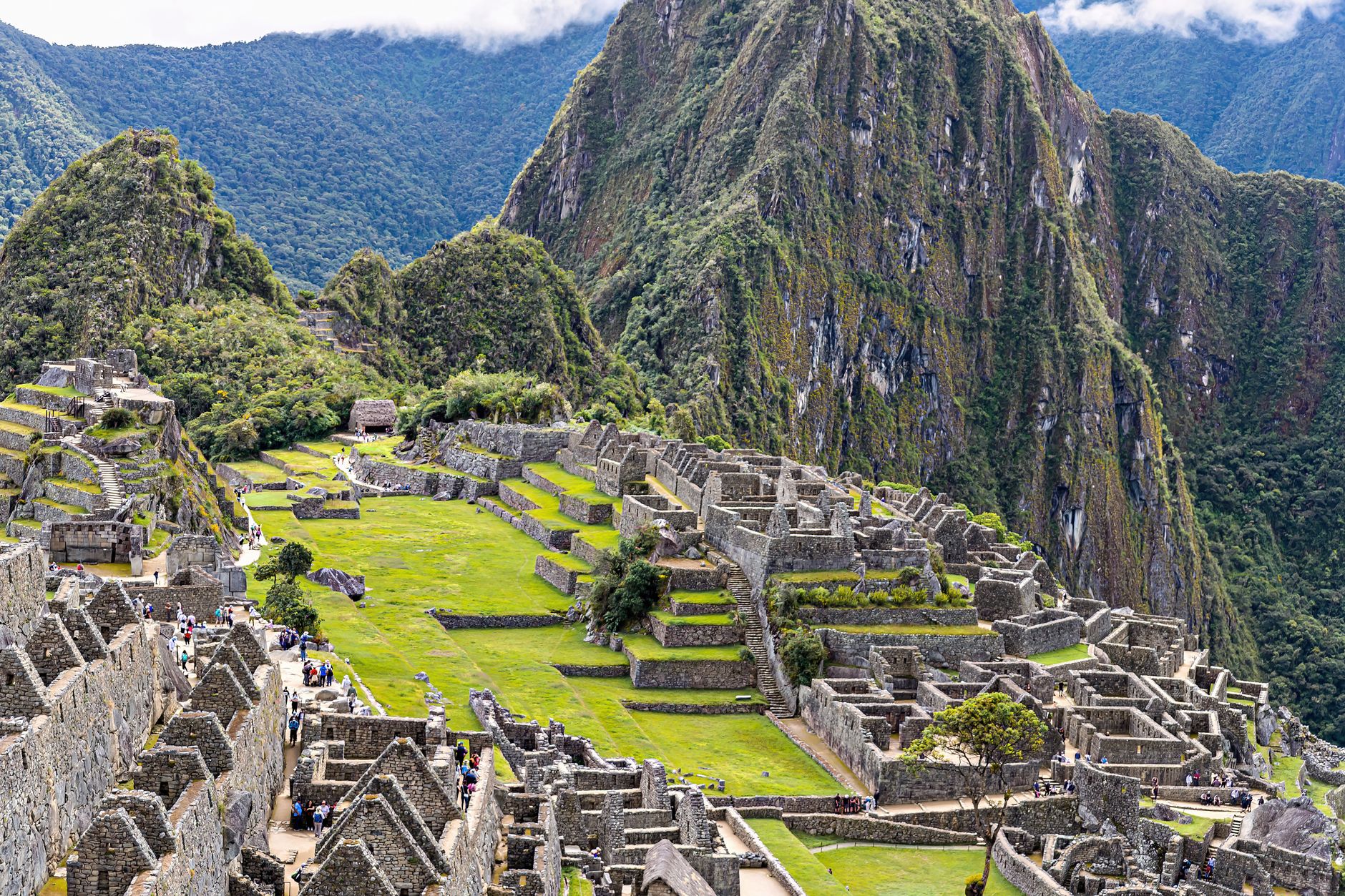
The Cusco region, the historical and archaeological heart of the Peruvian Andes, shows its most balanced face in September. The rainy season, which typically begins in late November, barely shows its first signs with sporadic, brief showers that clear the atmosphere, offering sunsets of incomparable photographic clarity. Iconic sites such as Ollantaytambo, Písac, and the citadel of Machu Picchu itself are less crowded, allowing for a detailed appreciation of the ancient stone architecture without the heavy influx of the winter solstice.
In the Sacred Valley of the Incas, the agricultural landscape undergoes a singular transformation. The farming fields, which shone golden and dry during the previous months, begin to be prepared for sowing with the first irrigations and light rains, gradually turning a tender shade of green. It is an ideal time for acclimatization hikes, such as the route to the salt pans of Maras and the circular terraces of Moray, where pre-Hispanic agricultural ingenuity can be observed under a sunlight that highlights the rich contrasts of the tilled earth.
«Spring in the Andes is not merely a change of season, but a ceremonial awakening of the earth, where the cold mountain air is tempered by the return of the first life-giving waters.»
For those who choose to embark on the classic Inca Trail or alternative routes like the Salkantay Trek, September provides an optimal thermal balance. Daytime temperatures in the mountain passes hover around 18 degrees Celsius, while nighttime temperatures rarely drop below freezing, a stark contrast to the severe frosts of July. This significantly reduces the weight of the technical gear required and improves overall comfort during rest hours at the base camps.

Huascarán National Park: High-Altitude Mountaineering in Ancash
For mountaineering and high-difficulty trekking enthusiasts, the Cordillera Blanca, located in the department of Ancash, is a priority destination experiencing its final days of optimal climbing conditions in September. Huascarán National Park, a Biosphere Reserve and World Heritage Site, home to some of the continent’s most imposing peaks including Mount Huascarán and Alpamayo, offers stable glacial conditions during this month. Crevasses remain relatively safe to traverse before late-year precipitation alters the morphology of the routes.
Incredibly turquoise lagoons such as Lagoon 69, Llanganuco, and Churup are accessible via well-defined trails that, at this time of year, are free from the mud or landslides common during the wet season. High Andean vegetation, dominated by the giant Puya Raimondi and Polylepis forests, showcases its adaptive resilience, offering a fascinating chromatic contrast against the perpetual white of the glaciers. The flow of hikers drops drastically in September, guaranteeing an intimate connection with nature that is difficult to replicate in earlier months.
The Peruvian Amazon: Low Rivers and Unparalleled Wildlife Sightings
In the regions of Loreto, Madre de Dios, and Ucayali, the Peruvian Amazon presents an ideal scenario for wildlife observation in September due to the low-water season, or «vaciante.» As the water levels of major Amazon tributaries like the Marañón and Ucayali recede, extensive white sand beaches form along the riverbanks. These temporary beaches are actively used by various species of river turtles to lay their eggs, a biological spectacle of great scientific and ecotourism significance.
The reduced volume of water concentrates aquatic life into narrower channels, facilitating extraordinary sightings of pink and gray river dolphins, caimans, and an immense variety of riparian birds such as kingfishers and white herons. Furthermore, terrestrial trails within crucial national reserves like Pacaya Samiria or Manu National Park are dry and manageable, allowing deeper incursions into the primary forest to search for primates, sloths, and, with some luck, the elusive jaguar.
The Moche Route and the Northern Coast: Endless Sun and Living Archaeology
The northern coast of Peru, spanning the regions of La Libertad and Lambayeque, offers consistent sunshine and warm temperatures year-round, but September stands out for its gentle sea breezes and comfortable relative humidity. This coastal strip was home to the Moche and Chimú civilizations, whose monumental adobe structures defy time amidst the desert. Visiting the Chan Chan archaeological complex, the largest mud-brick city in the Americas, or the Temples of the Sun and Moon under the mild September climate avoids the stifling heat of the northern summer.
In Lambayeque, the Royal Tombs of Sipán Museum houses one of the most important archaeological discoveries of the 20th century. A visit to this facility is perfectly complemented by exploring the Pómac Forest Historical Sanctuary, a dry carob forest ecosystem home to the pyramids of the Sicán culture. In September, this equatorial dry forest becomes a prime meeting point for birdwatchers seeking to spot endemic species like the Peruvian Plantcutter, active during the cool coastal spring mornings.

Arequipa and the Colca Canyon: The Splendor of Sillar Under Spring Skies
The «White City» of Arequipa, constructed from the volcanic stone known as sillar, gleams under the September sun. With a moderate altitude of 2,325 meters above sea level, the city enjoys a constant spring-like climate where the daily temperature range is highly pleasant. The historic center, declared a World Heritage Site, invites leisurely walks through its monasteries, colonial mansions, and plazas, free from the rush and crowds of the August festivities.
A few hours from the city, the Colca Canyon, one of the deepest in the world, presents itself as a natural setting of breathtaking beauty. In September, the thermal updrafts rising from the canyon floor are exceptionally stable, which guarantees almost daily sightings of the majestic Andean condor at key observation points like the Cruz del Cóndor. Additionally, the agricultural fields arranged in pre-Inca terraces along the valley are in the midst of sowing traditional crops like quinoa and corn, offering a cultural and scenic mosaic of incalculable value.
Practical Guidelines for the Transitional Spring Traveler
Planning a trip to Peru during a transitional month like September requires a versatile packing strategy and an understanding of the country’s geographical dynamics. Due to the diversity of ecological zones that can be visited in a single itinerary, applying the principle of dressing in layers is essential. In the Andean regions, mornings can be crisp, middays extremely hot due to high radiation, and nights quite cold.
- Broad-Spectrum Sun Protection: UV radiation in the Peruvian Andes is among the highest in the world; wearing a hat, UV-filter sunglasses, and sunscreen is indispensable, even on partially cloudy days.
- Lightweight Waterproof Gear: Although September is mostly dry, the high jungle and some Andean areas can experience sporadic showers. A packable windbreaker jacket is an essential item.
- Constant Hydration: The combination of altitude and low humidity in the highlands can cause rapid dehydration. It is highly recommended to consume bottled or filtered water regularly.
- Internal Transport Reservations: Although tourist numbers decrease, domestic flights and trains to Machu Picchu maintain regular schedules that should be booked in advance to secure optimal rates.
Preservation and Responsible Tourism in Peruvian Ecosystems
The growth of tourism in Peru carries the inescapable responsibility of preserving the fragile ecosystems and cultural heritage that make this country a unique destination. September, being a month with lower visitor density, allows for a more respectful and lower-impact form of tourism. It is imperative to follow the recommendations of local guides, respect marked trails in protected natural areas, and avoid purchasing souvenirs made from wild fauna or flora, as well as fragments of archaeological material.
Supporting local economies by purchasing handicrafts directly from their creators and hiring lodging and guiding services managed by native communities contributes directly to the sustainability of the destination. In this way, the spring journey becomes not only an enriching personal experience for the visitor but also a driver of equitable development and conservation for the populations that guard this vast natural and historical legacy.
Original source: Agencia Andina via news.google.com