
The Steam Artery in the Heart of Transylvania
In the geographic isolation of the Romanian Carpathians, where dense coniferous forests seem to swallow the horizon, railway engineering reached levels of adaptation that feel almost biological. The narrow-gauge railway system, known locally as the Mocănița, was not born as a concession to tourism, but as a brutal, necessary response to a topography that resisted all attempts at domestication. For decades, this track has served as the only viable connection between deep valleys and timber processing centers, acting as an artery that enabled the economic survival of remote communities.
The construction of these lines, many erected under the influence of Austro-Hungarian engineering, stands as a testament to human resilience in the face of verticality. Unlike major European lines that prioritized speed and mass cargo efficiency, the Carpathian railway was designed for flexibility: tight curves, impossible gradients, and a maneuverability that allowed steam locomotives to snake along riverbeds. Today, this system survives as a time capsule that forces us to question our relationship with infrastructure and the footprint we leave in protected natural environments.
The Genesis of Narrow Gauge: A Logistical Necessity
The origin of the narrow-gauge railway in Romania cannot be understood without the demands of the timber industry. In the early 20th century, timber extraction in the inaccessible areas of the Maramureș Mountains was a titanic labor that depended on animal power and seasonal river flooding to transport logs. The introduction of the 760mm gauge railway allowed for continuous logistics, capable of operating independently of the extreme weather conditions that characterize the Carpathian winter.
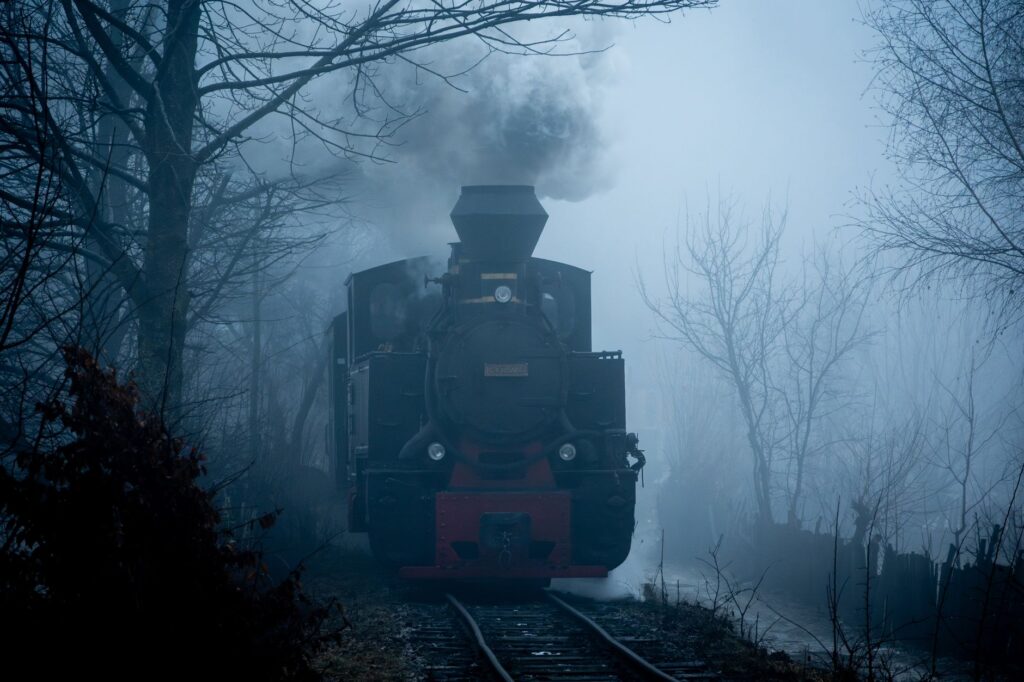
The architecture of these locomotives, designed to burn wood or coal, became an extension of the forest itself. Every component of the machine was intended to be repaired in field workshops, far from the sophistication of large cities. This purely functional design approach allowed the technology not only to survive political regime changes but to integrate into the cultural identity of the villages it connected, where the locomotive’s whistle marked the rhythm of daily life.
Engineering Challenges in Hostile Terrain
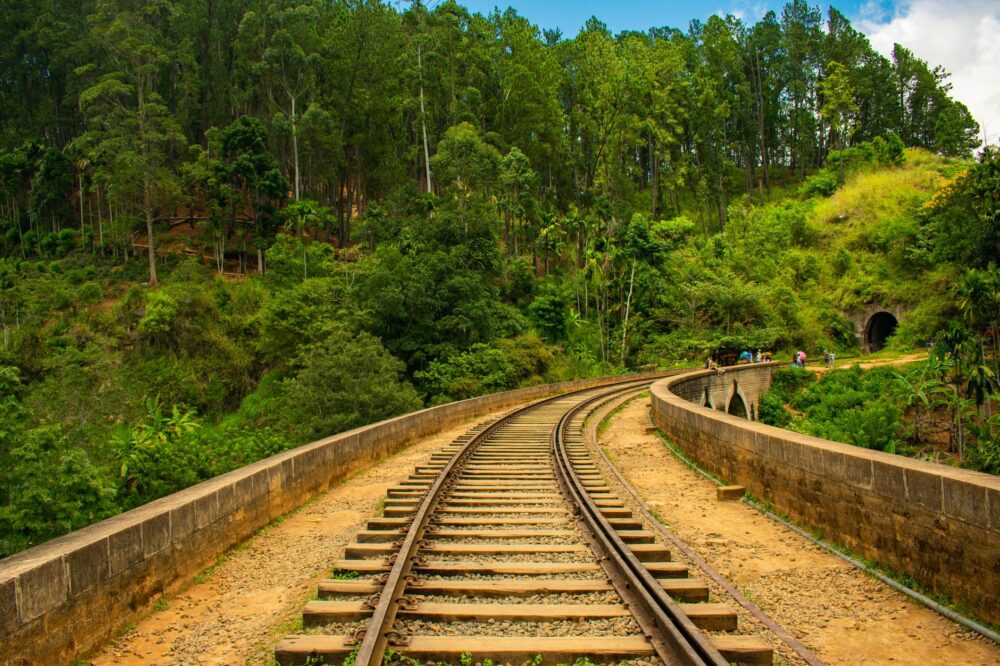
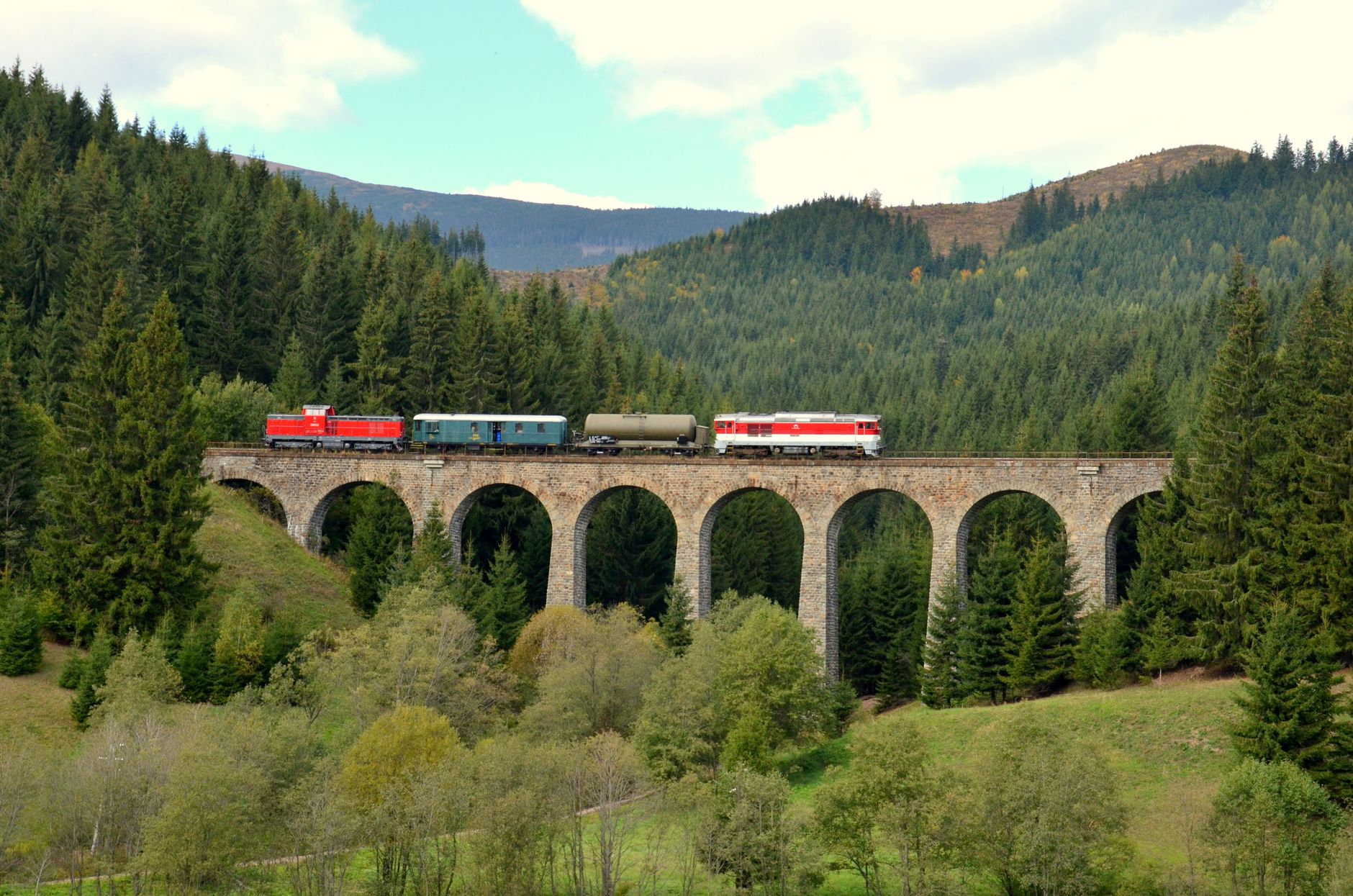
Building a railway in the Carpathians involves a constant battle against gravity and unstable soil. Engineers of the era had to contend with water erosion and landslides, factors that forced the design of timber bridges reinforced with stone and tunnels excavated directly into living rock. These elements were not merely for overcoming obstacles; they functioned as speed regulators on dangerous descents.

Managing curves, often with radii of less than 50 meters, required exceptional technical skill from the engineers. In this environment, human error was not an option; supply logistics depended strictly on the punctuality of these convoys. The Romanian mountain railway infrastructure is, in essence, a risk management system where civil engineering is placed at the service of an economic ecosystem isolated from the rest of the country.
The Role of the Steam Locomotive in the Digital Age
It is paradoxical that, in a world obsessed with high speed and digitalization, steam traction remains the most efficient and sustainable means of traversing the Vaser valleys. While diesel locomotives require complex maintenance infrastructure and imported spare parts, the Carpathian steam engines can be maintained with local resources. This is not merely a nostalgic choice, but a pragmatic decision that ensures system operability in conditions of isolation.
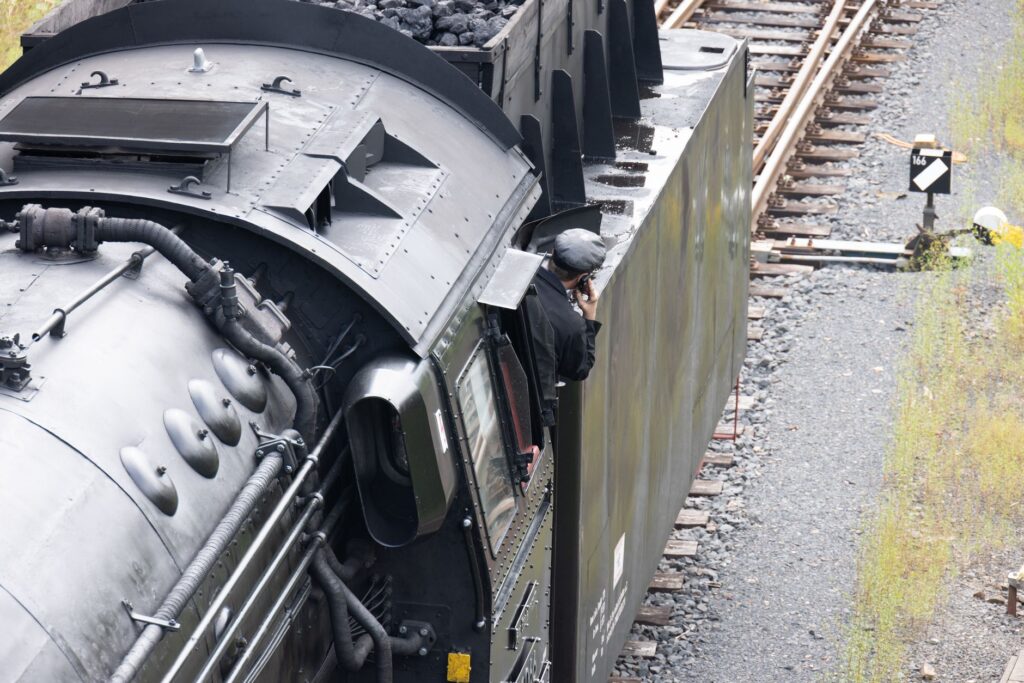
The longevity of these machines is a case study in lifecycle engineering. By standardizing boiler designs and connecting rod systems, the railway achieved component interchangeability that has allowed locomotives over seventy years old to remain operationally reliable. This maintenance model, based on artisanal knowledge and the persistence of railway workshops, offers a valuable lesson on sustainability and circular economy in the transport sector.
Life in the Valley: The Social Impact of Connectivity
For Carpathian communities, the railway was never just a transport tool; it was the umbilical cord that kept them connected to the outside world. Before the arrival of paved roads—often precarious and blocked by snow—the train was the only means to receive medical supplies, mail, and manufactured goods. The interdependence between the railway and the local population created a unique railway culture, where train workers were seen as essential figures in the social fabric.
Despite the pressures of modernization, many communities have fought to preserve their railway lines. They understand that once the train disappears, isolation becomes absolute. The preservation of these routes is not an exercise in historical memory, but a strategy of resistance against rural abandonment. The railway infrastructure, therefore, acts as an anchor that prevents total depopulation of Romania’s deepest valleys.

Timber Logistics and Sustainable Forest Management
The relationship between the railway and the timber industry has evolved into a more controlled management model. While in the past the train facilitated large-scale exploitation, today its use is limited by strict environmental regulations. The train’s transport capacity is, in fact, a logistical advantage: by limiting the volume that can be extracted, the railway helps prevent forest overexploitation, functioning as a natural regulator of forest production.
Engineering is not just moving objects from point A to point B; it is the capacity to understand the rhythm of the terrain and build in harmony with its limitations.
This integration between transport and the environment is an example of how legacy infrastructure can adapt to contemporary sustainability needs. The train does not only transport timber; it carries a vision of forest management where respect for the forest’s lifecycle is the priority. It is a lesson on how old technology can be more coherent with current ecological goals than many modern heavy transport solutions.
Practical guide
Planning a visit to the Carpathian railway network, specifically the Vaser line in Vișeu de Sus, requires meticulous logistical preparation. The operating season is seasonal and depends heavily on snow conditions; traveling between May and October is recommended to ensure access to the highest sections. It is essential to book tickets in advance, as capacity is limited and demand from rail enthusiasts is constant during summer months. Access to the town of Vișeu de Sus is best achieved from Cluj-Napoca or Baia Mare via private transport or regional bus services. High-speed connections do not exist, so travel time should be factored into the trip. For those seeking an immersive experience, there is accommodation managed by the railway company itself that allows direct access to the loading station, facilitating observation of logistical operations at dawn.

Technical recommendation: Bring warm clothing even in summer, as temperatures in the forested valleys drop drastically at nightfall. Railway photography requires wide-angle lenses to capture the scale of the bridges and telephoto lenses for mechanical details of the moving connecting rods. Remember that you are in an active industrial environment; always stay in designated visitor areas and respect the instructions of the railway staff, whose priority is the operational safety of the convoy.
Visual Coda: The Last Breath of Steam
At the end of the journey, when the locomotive stops and the steam dissipates among the treetops, silence returns to the valley with overwhelming intensity. The machine, covered in soot and dust, seems to rest after a day of superhuman effort, reminding us that progress is not always measured in speed, but in the capacity to remain and serve. In that moment, the railway ceases to be a machine and becomes a silent witness to the history of the Carpathians, a bridge between the industrial past and a future that, despite everything, continues to move forward on steel rails.