
The cathedral of the senses in the homeland of modernism
Some cities guard their memory within history books, while others scatter it across the marble counters of their food markets. Reus, the birthplace of universal geniuses and the undisputed capital of Baix Camp, undoubtedly belongs to the latter lineage. Stepping across the threshold of its Central Market is not merely entering a daily provisioning space; it is penetrating a civic temple where the architecture of forged iron and exposed brick dialogues directly with the aromas of the Mediterranean earth. Here, the morning bustle is no simple commercial transaction; it is a choreography inherited from parents to children, a secular liturgy that defines the industrious and demanding character of a region devoted to agricultural excellence.
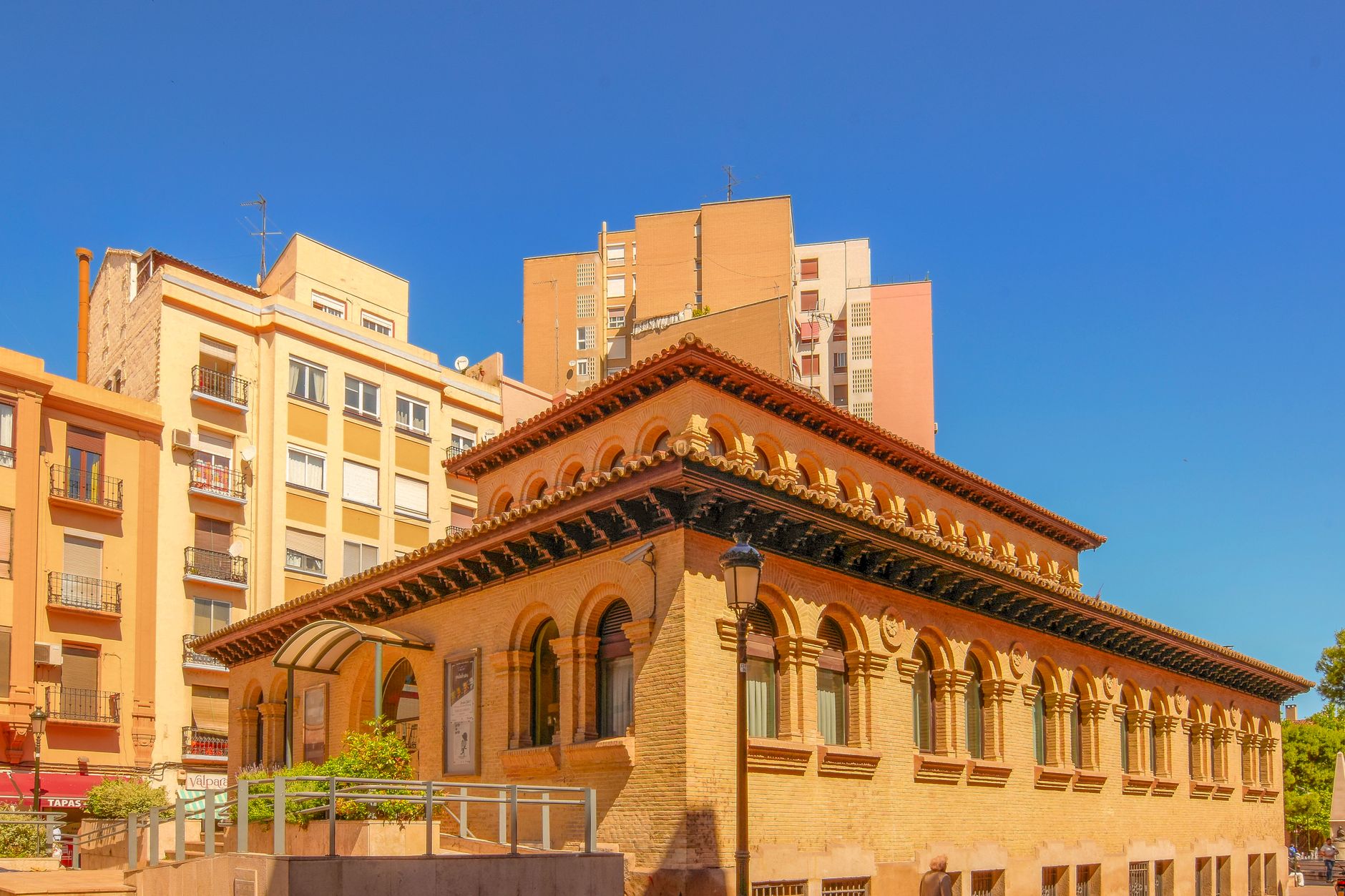
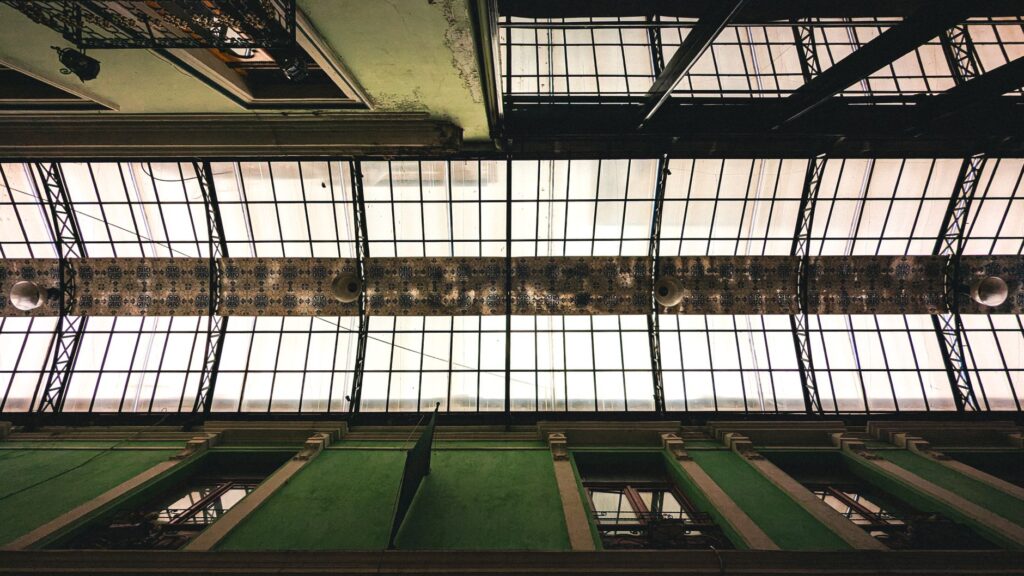
The building that houses this bustling activity today is the fruit of an era of bourgeois splendor when the city sought to equip itself with monumental infrastructure. Far from being a mere functional container, the market projected at the early twentieth century reflects the local bourgeoisie’s obsession with combining technical modernity with identity pride. The stalls are arranged as secular chapels where the bounty of neighboring farmhouses is venerated—a landscape dominated by generous dry-farmed land, limestone hills, and the sea breeze rising gently from the Costa Dorada to caress the hazelnut orchards and centuries-old olive groves.
To understand the magnitude of this pantry, one must momentarily leave the asphalt and wander through the rural paths of Baix Camp. Here, the soil grants nothing; it demands patience, effort, and a profound understanding of the water cycle. It is a land of contrasts where summer heat tests the resilience of crops and where the farmer’s hand acts as a surgeon pruning with millimeter precision. In this environment, every product tells a story of survival and adaptation, making the Reus market the faithful mirror reflecting the agricultural soul of an entire province.
The dynasty of tree nuts and the excellence of Baix Camp
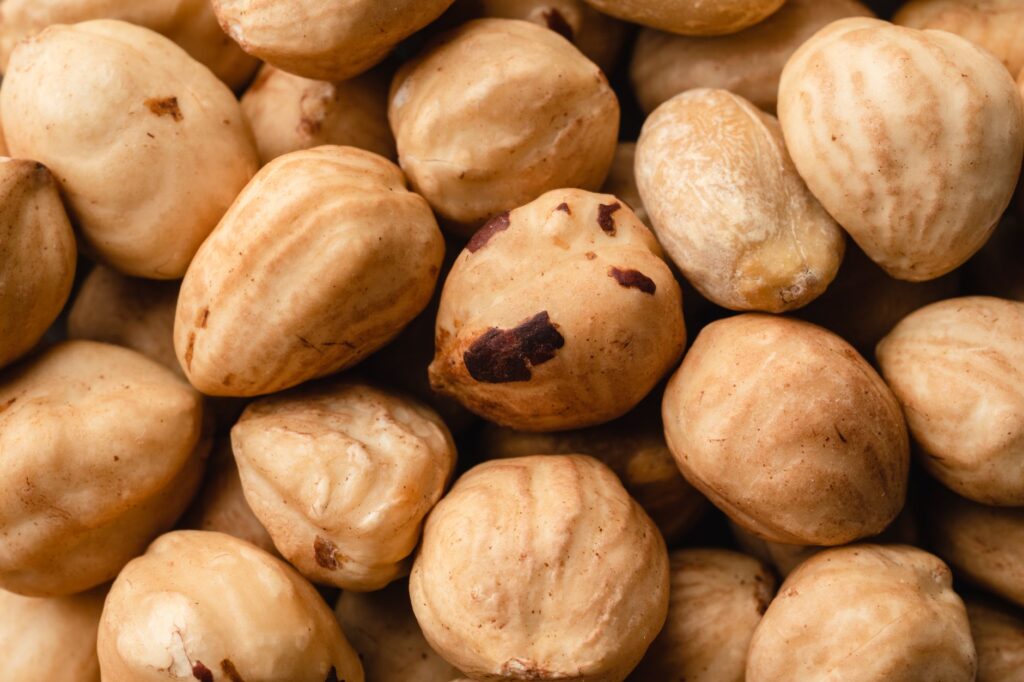
If there is one element that anchors the economy and historical gastronomy of Reus, it is undoubtedly the hazelnut. The Protected Designation of Origin Reus Hazelnut is not merely a bureaucratic quality seal; it is recognition of an indigenous variety—primarily the Negreta—that has found its ideal habitat in these sandy-loam soils. Walking among the dried fruit stalls of the market, visitors are struck by the rhythmic cracking of shells and the intoxicating aroma of hazelnuts roasted over a wood fire, an artisanal process that few master roasters keep alive with such mastery.
Wholesalers in the sector explain that the secret of this fruit lies in its oil percentage and firm texture, which allows for both raw consumption and application in high pastry-making and traditional savory cooking. In Baix Camp, the hazelnut is no mere snack; it is the natural thickener for seafood and mountain picadas, the crunchy soul of panellets, and the pride of a city that once stood as the global epicentre of the trade of this nut throughout the nineteenth and twentieth centuries. The market counters proudly display different varieties and calibers, recalling that dry-land agriculture can compete in sophistication with any irrigated orchard.
Alongside the hazelnut, the bush olive deploys its liquid sovereignty. Extra virgin olive oil from the Arbequina variety, protected under the Siurana PDO, flows in local mills with unmistakable finesse. In the market stalls, Arbequina olives cured with mountain aromatic herbs—thyme, rosemary, and savory—form an indispensable appetizer. The vegetable fat of this region possesses notes reminiscent of green almond, tomato vine, and freshly cut grass, an organoleptic profile that permeates all Baix Camp cuisine and demonstrates how the harshness of the terrain transforms into elegance on the palate.
The pulse of the garden and the treasures of the nearby coast
Although Baix Camp is predominantly dry land, its proximity to the Mediterranean and the presence of small river courses allow for extraordinary horticultural production. Moving through the central naves of the market, vegetable stalls erupt in a chromatic symphony dominated by seasonal artichokes, calçots from neighboring regions, and hanging tomatoes, essential for crafting authentic pa amb tomàquet with the exact friction of the pulp against village bread crust.
The vendors, authentic guardians of seasonality, remind buyers that climatic shortcuts are not accepted here. Vegetables arrive directly from gardens situated on the slopes descending from the Prades mountains to the coastal plain. This altitudinal transition generates unique microclimates that endow vegetables like onions or garlic with a characteristic savory punch, ideal for underpinning the base sofritos that form the foundation of traditional Catalan cooking. Here, cooking is an act of respect toward nature’s biological rhythm.
A few kilometers from the cultivated fields, the sea exerts its inevitable influence through the nearby fish market in Cambrils. Although Reus lacks its own sea port, its market has always functioned as the main distribution point for blue fish and seafood caught along the coast of Baix Camp and Tarragonès. Hake, monkfish, red prawns, and mantis shrimp arrive every dawn at the market’s cold storage chambers, ready to be acquired by local restaurateurs and neighbors seeking the saline taste of the sea at their daily tables. This symbiosis between the agricultural interior and the coastal seafaring world defines the area’s rich gastronomic complexity.
The butcher’s art and cured meats from the Prades mountains
Heading north, the terrain steepens, giving way to the pine and holm oak forests of the Prades mountains—a geological environment of red rock and cool climate that hosts exceptional charcuterie traditions. In the meat counters of the Central Market of Reus, pork products and small game occupy a place of honor, distinguished by curing methods that have scarcely varied in the last two hundred years.
Among the most prized treasures is the llonganiza de pagès, a cured sausage made from selected lean pork, seasoned with black pepper and stuffed into natural casings, whose slow drying in the lofts of mountain farmhouses grants a deep, slightly spiced flavor profile. The charcuterie master’s skill lies in balancing fat and meat percentages to achieve a tender yet firm texture when sliced, far removed from the industrial standards of mass production.
Likewise, the offer is completed by traditional bulles—white and black—and local sobrasada, crafted with recipes recalling the historical transit of people and knowledge along the western Mediterranean basin. These products not only complement the daily diet of Reus residents but act as fundamental ingredients in hearty spoon dishes like escudella i carn d’olla, where cured and fresh meats melt into a dense, aromatic broth that brings comfort during winter months in interior Catalonia.
The art of traditional recipes in Reus kitchens
Understanding the Reus market without delving into how its raw materials are transformed in local homes and restaurants would be incomplete. Reus cuisine is an exercise in domestic economy elevated to an art form, where resourcefulness and the intelligent combination of Baix Camp products result in dishes of high conceptual sophistication derived from humble ingredients.
A paradigmatic example is xató, a winter salad made with crunchy escarole, shredded salt cod, cured tuna, and anchovies, all bound together by a dense, complex sauce based on toasted almonds and hazelnuts, ñoras, garlic, olive oil, and vinegar. This dish, shared with neighboring regions, finds its own variant in Reus where the tree nut takes center stage, demonstrating the hazelnut’s versatility beyond desserts. The texture of the sauce acts as a seamless bridge between the vegetable freshness of seasonal greens and the saline intensity of preserved fish.
blockquote>The dining table in Baix Camp is not a space for decorative excess, but the faithful reflection of a land that rewards effort, perseverance, and absolute respect for seasonal produce.

Another pillar of local recipe books is surf-and-turf stews, where game or farmyard meat pairs with maritime treasures in a clay casserole. Rabbit with snails, aromatized with mountain herbs and a picada of hazelnuts and dark chocolate, synthesizes the region’s culinary philosophy with millimeter precision. In these dishes, the market acts as the great supplier of essences, the place where the different natural worlds making up southern Catalonia’s rich geographic mosaic converge.
Guild pastry and the city’s sweet legacy
No journey through Reus’s gastronomic culture would be complete without considering its venerable pastry tradition, strongly linked to tree nut consumption and the celebration of religious and civic festivities. Historic downtown confectioneries, directly supplied by the finest stalls in the Central Market, craft specialties that have transcended regional borders thanks to their technical delicacy.
Among them stand out ‘mentides’ and ‘menjablanc’, a traditional medieval dessert consisting of a light cream made from almond milk, starch, lemon peel, and cinnamon. This sweet, of extraordinary finesse, represents the survival of ancestral culinary influences in the heart of modern Catalonia. The silky smoothness of the menjablanc contrasts pleasingly with the crunch of tea biscuits and carquinyolis that Reus pastry chefs display in their showcases with artisanal care.
Furthermore, Reus vermouth—an aromatized wine infused with over thirty local herbs and spices—has become the indispensable companion for aperitif hour, perfectly pairing with roasted hazelnuts and Arbequina olives. This drink, which lived its golden age in the early twentieth century and now experiences a global renaissance, sums up the hedonistic yet rooted character of a city that knows how to enjoy small daily pleasures with elegance and proportion.
Practical guide
The Central Market of Reus is located in Plaça de la Llibertat, a central hub equipped with excellent public transport connections and underground parking. The venue opens Monday through Saturday during morning hours, with early morning being the optimal time to observe supplier bustle and the maximum freshness of displayed goods. To complete the immersion into Baix Camp’s gastronomic culture, visitors are advised to plan visits to local oil mills producing Siurana PDO olive oil as well as poultry and nut farms integrated into the regional route. Accommodation options in the historic center range from boutique hotels housed in restored modernist buildings to traditional guesthouses, while downtown restaurants offer everything from market menus based on seasonal produce to avant-garde fine dining interpreting historical recipes with technical rigor and contemporary sensitivity.
The final whisper of Baix Camp at the table
As evening falls, when the market’s metal shutters roll down and silence reclaims the modernist naves, the spirit of Baix Camp retreats to homes and farmhouses to rest in the penumbra. Left upon the wooden table then is the muffled echo of cracked hazelnut shells, the faint gleam of a glass of artisanal vermouth, and the certainty that this territory’s true wealth does not lie in grand stone monuments, but in the silent patience of its farmers, the slow fire of iron casseroles, and a community’s unwavering loyalty to its most intimate flavors. A living, daily heritage that, far from fossilizing in museums, beats with unusual strength every morning behind the marble counters of the market.