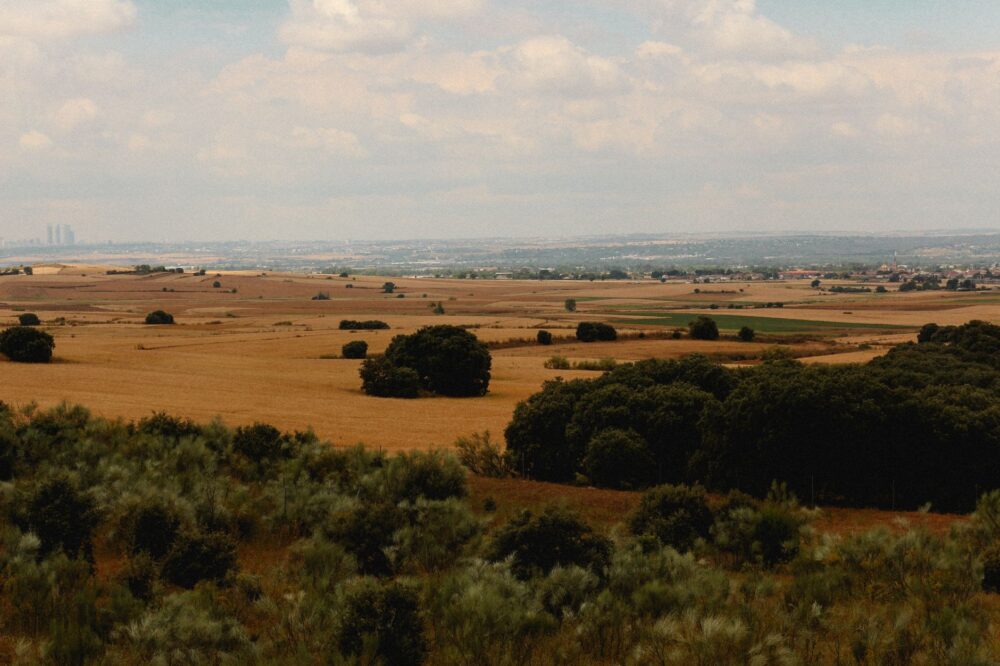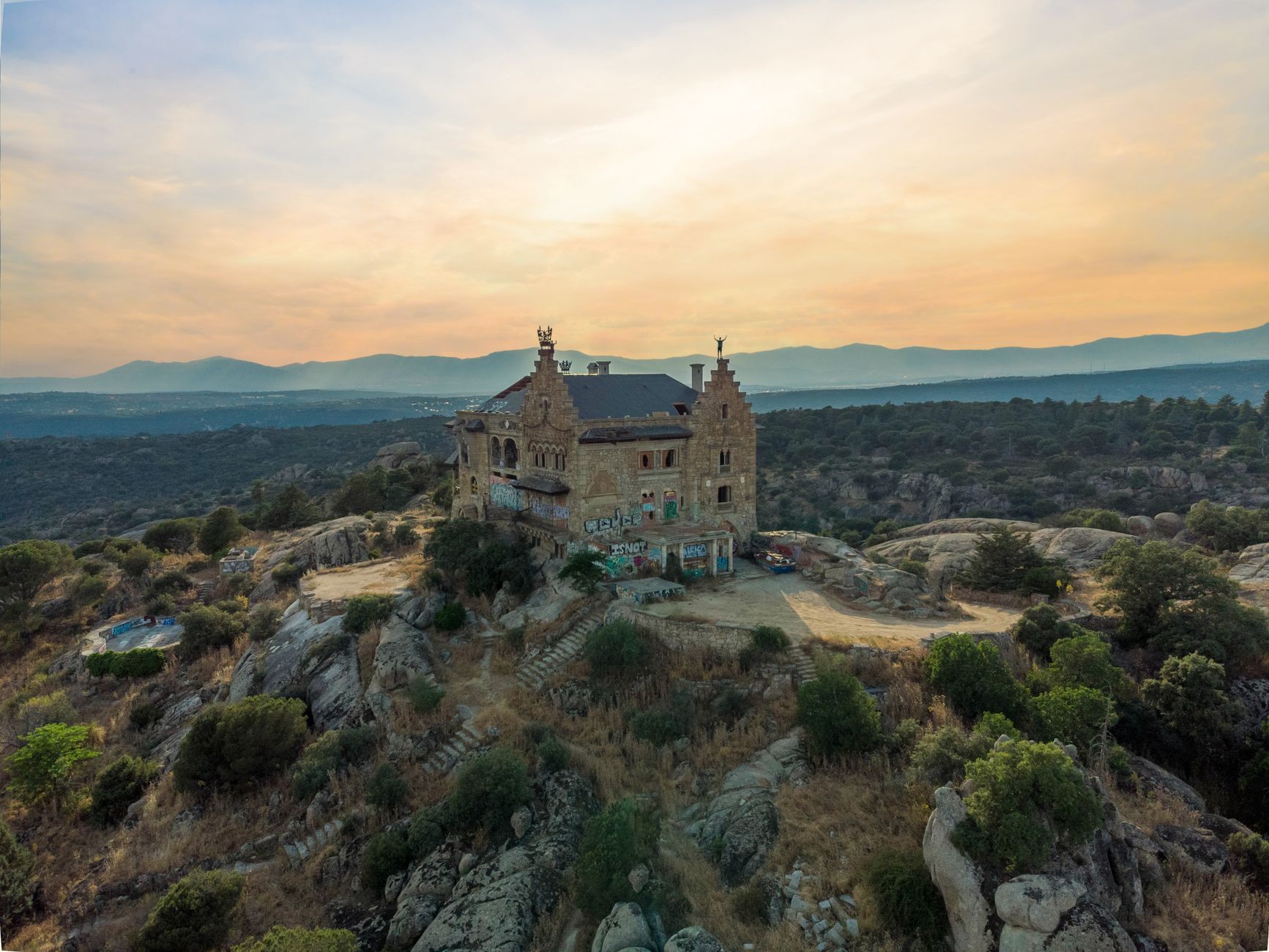

The Mediterranean woodland of Sierra Morena conceals one of the most complex and hopeful conservation stories in contemporary Europe. Amidst dense cistus shrublands, centuries-old holm oaks, and sprawling dehesas, the Iberian lynx (Lynx pardinus) has orchestrated an unprecedented demographic comeback after teetering on the absolute brink of extinction in the late twentieth century. This corner of the southern Iberian Peninsula, defined by rolling reliefs and a climate characterized by scorching summers and mild winters, serves as the natural laboratory where the most advanced scientific models for endangered wildlife management have been tested and refined.
Comprehending the biology of this feline requires analyzing its extreme trophic specialization. Unlike other generalist apex predators, the Iberian lynx relies almost exclusively on the European rabbit (Oryctolagus cuniculus) for its survival and reproduction. Fluctuations in the populations of this lagomorph, historically decimated by viral diseases such as myxomatosis and rabbit hemorrhagic disease, have persistently dictated the feline’s demography. Conservation technicians have had to implement parallel prey-enhancement strategies, improving biotopes through the construction of artificial brushpiles and the selective control of understory vegetation.
The Invisible Architecture of Ecological Corridors
Habitat fragmentation constitutes the greatest structural threat to the long-term viability of the Iberian lynx. Road networks, intensive agricultural expansions, and energy infrastructure have historically severed connectivity among distinct Andalusian, Extremaduran, and Portuguese subpopulations. To counteract this genetic isolation, conservation programs have prioritized the creation and restoration of green ecological corridors that function as secure pathways for the dispersal of juvenile specimens.
These corridors are not merely lines drawn on cartographic maps, but active strips of Mediterranean woodland managed in collaboration with private landowners and hunting estates. Within these zones, vegetative cover density is promoted while human disturbances are minimized during critical breeding and mating periods. The installation of dedicated wildlife overpasses and underpasses across high-traffic roadways has drastically reduced mortality from vehicle collisions, historically one of the most significant non-natural regression factors.
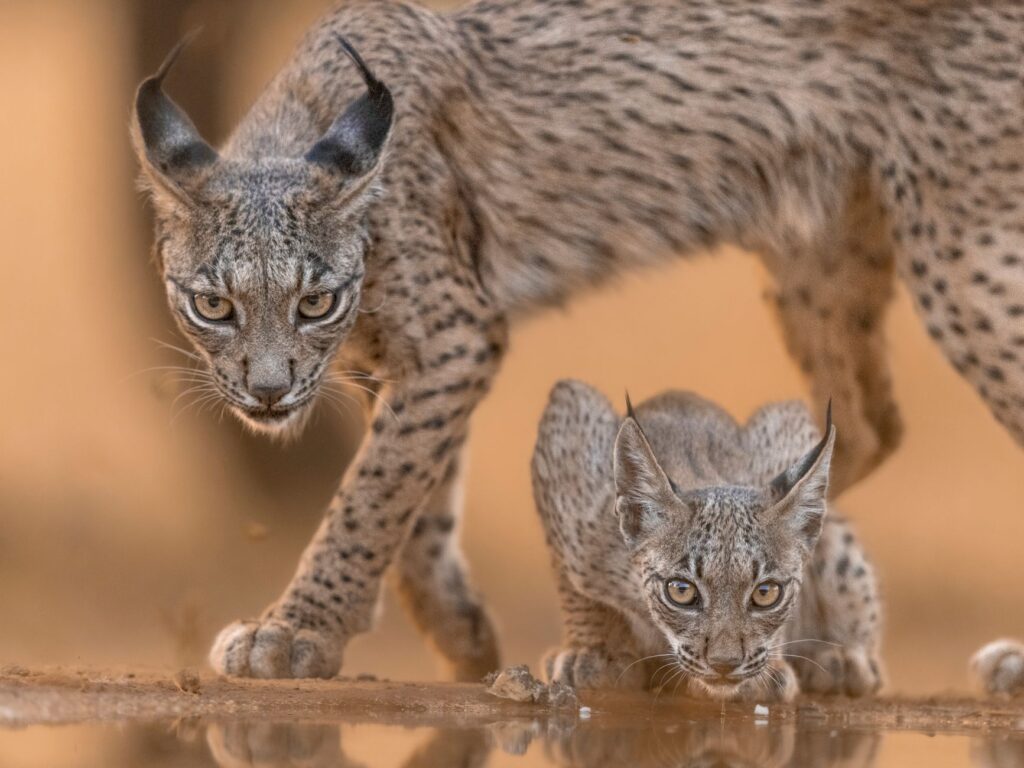
The recovery of the Iberian lynx is not the exclusive triumph of veterinary science, but the result of reconciling traditional human activity with the biological imperative for wild space.
Genetic analysis of current specimens demonstrates that prolonged isolation dangerously reduced the species’ allelic diversity. The controlled introduction of individuals from diverse population nuclei has successfully mitigated the effects of inbreeding, increasing cub survival rates and enhancing immunological responses against common pathogens in the wild.
Demographic Dynamics and Territoriality in the Dehesa Landscape
An adult Iberian lynx’s territory is not a diffuse space, but a strictly demarcated home range defended against intruders of the same sex. Reproductive females require territories that guarantee a constant availability of rabbits during lactation, whereas males occupy larger surfaces that frequently overlap with those of multiple females. This complex social structure profoundly conditions the carrying capacity of every sector within the Mediterranean woodland.
During the autumn months, coinciding with juvenile dispersal, subadult individuals are forced to abandon their maternal territory in search of new areas to settle. It is during this critical phase that young lynxes traverse dozens of kilometers exposed to multiple anthropogenic risks. Monitoring via satellite radio-tracking and VHF telemetry collars has enabled biologists to identify the most frequent dispersal routes and reinforce surveillance at specific high-risk black spots.

Coexistence between extensive livestock farming, traditional game management, and large carnivore conservation has necessitated a profound shift in the mindset of local land managers. Far from historical confrontation, economic incentives linked to respectful ecotourism and coexistence compensation have transformed the lynx into an asset of incalculable value for the rural communities of Sierra Morena.
The Crucial Role of Captive Breeding Centers
Before reintroductions into the wild began yielding quantifiable results, the Ex-situ Conservation Program for the Iberian Lynx played a lifesaving role. Specialized facilities such as El Acebuche Breeding Center in Doñana National Park and La Olivilla Center in Jaén established a foundational captive population designed to maximize genetic variability while minimizing human imprinting on cubs.
Modern breeding protocols prioritize the acoustic and visual isolation of animals from caretakers, utilizing closed-circuit television systems to supervise litter development without interfering with natural behaviors. Cubs destined for release into the wild pass through pre-release enclosures where they learn to hunt live rabbits and develop evasive behaviors against potential hazards, ensuring optimal post-release survival rates.
Every cub raised without direct human contact represents a victory against the biological margin of error that nearly erased the continent’s most exclusive feline.
The success of these facilities has made it possible not only to consolidate existing populations in Andalusia, but also to export individuals to new reintroduction areas in Castilla-La Mancha, Extremadura, and the Alentejo region of Portugal, exponentially expanding the species’ historical distribution range on the Iberian Peninsula.
Scientific Monitoring and Population Censuses
Rigorous evaluation of the Iberian lynx’s conservation status relies on highly standardized field methodologies. Annually, teams of technicians and environmental agents deploy networks of camera-trapping stations across thousands of sampling sites distributed throughout the species’ range. The unique spot pattern on each individual’s coat allows unambiguous identification via advanced facial and pattern recognition software.
These photographic campaigns are complemented by systematic tracking of scats and territorial markings along pathways and rocky outcrops, alongside non-invasive genetic analysis of biological samples collected in the field. This integrated data forms a demographic knowledge base of pinpoint precision, enabling public authorities to periodically update the species’ threat status in accordance with International Union for Conservation of Nature (IUCN) scientific criteria.
Investment in scientific research has also encompassed the study of emerging diseases and the potential impact of climate change on the availability of optimal habitats, evidencing that long-term conservation requires constant adaptation to unprecedented environmental scenarios.

Practical guide
How to get there: The primary gateways to historical and current lynx habitats in Sierra Morena are the cities of Córdoba and Jaén, accessible via Spain’s high-speed rail network (AVE) and the A-4 highway. To explore natural enclaves securely, flying into Seville or Malaga airports and renting a four-wheel-drive or high-clearance vehicle is strongly recommended.
When to go: The months between October and March offer the most favorable weather conditions for wildlife viewing and interpretive hiking, avoiding extreme summer heat. The mating season, typically concentrated between January and February, increases the mobility and territorial activity of the specimens.
Where to stay: Sustainable rural tourism is concentrated in small mountain municipalities such as Andújar, Villanueva de la Reina, or Fuencaliente. Rehabilitated traditional accommodations and restored farmhouses converted into eco-lodges offer stays integrated into the natural environment, frequently collaborating with local guides specializing in respectful wildlife watching.
Observation tips: Tracking the Iberian lynx requires infinite patience and high-quality optics, such as 10×42 binoculars and spotting scopes with tripods. Leaving authorized trails, using acoustic lures, or approaching closer than the safety distance established by environmental agents to prevent unnecessary stress on the animals is strictly prohibited.

Rules of conduct: The Mediterranean woodland is a fragile ecosystem subject to severe wildfire risks. Lighting fires, discarding cigarette butts, and generating loud noises are strictly forbidden. Furthermore, respecting the instructions of private landowners and game reserves during authorized hunting periods is mandatory.
Recommended readings: To delve deeper into the species’ ecology, monographs published by the Ministry for Ecological Transition and the Demographic Challenge regarding the Action Plan for the Conservation of the Iberian Lynx in the Iberian Peninsula are essential, alongside scientific publications stemming from European LIFE Lynx.Connect and LIFE Iberlince projects.
The afternoon sun begins to descend over the rolling ridges of Sierra Morena, dyeing the horizon with deep ochres and elongated shadows that restore the woodland’s ancestral mystery. In this landscape where silence is broken only by the distant clinking of livestock bells and the whisper of the wind through cistus bushes, the survival of the Iberian lynx stands as the most eloquent testimony that human determination, guided by science and rigor, can reverse the fate of natural abysses. Observing from the prudent distance of a spotting scope the furtive silhouette of this feline vanishing into the thicket is proof that wildlife salvation is not a fortuitous miracle, but the unwavering consequence of an ethical commitment to the biodiversity that sustains us.