


The maritime horizon of Cuba facing a necessary transformation
The Caribbean Sea has historically served as the primary artery through which the history, commerce, and identity of Cuba flow. However, the way travelers experience this vast marine territory is undergoing a structural shift. Far from traditional mass tourism, new ventures in nautical exploration seek to connect visitors with marine biodiversity and coastal heritage from a perspective of respect and depth. The recent expansion of Taíno Tours’ tourism offerings marks a milestone in this direction, redefining navigation routes and opening the archipelago to expeditions that combine active adventure with historical and naturalist rigor.
This report examines how specialized agencies are redesigning itineraries along the Cuban coastline, what implications this expansion holds for coastal communities, and how contemporary travelers can access these experiences with verified, factual information. Through a journey across remote cays, coral reefs, and historic ports, we analyze the current state of marine tourism in the largest of the Antilles, stripping away commercial clichés to focus on the geographic and operational reality of the sector.
The evolution of nautical tourism in the Cuban archipelago
For decades, nautical infrastructure in Cuba remained concentrated in highly specific enclaves, limiting access to areas of high ecological value. The diversification of offerings driven by operators like Taíno Tours responds to a growing demand for specialized adventure tourism, where catamarans, sailboats, and sea kayaks become tools for knowledge. Tourism authorities and local operators have had to update their protocols to cater to travelers who seek not just relaxation on the sand, but immersion in complex ecosystems.

The expansion of routes is not merely a matter of adding nautical miles, but of integrating logistics in areas where the human footprint must remain minimal. This involves coordinating maritime transport with environmental monitoring, ensuring that each expedition complies with marine conservation regulations. The result is a renewed map of routes connecting the northern cays with the southern channels, offering a multifaceted reading of the island’s geography.
The logistics of navigation in tropical waters
Navigating Cuban coasts requires rigorous planning due to extensive coral barriers, shallow banks, and trade wind regimes that vary seasonally. The modernization of fleets and the inclusion of local captains with decades of experience in these cays guarantee safety without sacrificing the exploratory spirit. The new itineraries incorporate technical stops at strategic points that were previously inaccessible to conventional tourism.
True nautical adventure in the Caribbean lies not in the speed of the vessel, but in the ability to read the tides, winds, and reefs with the same respect shown by ancient navigators.

This technical approach allows travelers to understand the geographical challenges of a long, narrow island where the sea directly influences every aspect of daily and economic life. Current vessels incorporate satellite navigation technology and low-impact environmental systems, reducing underwater noise and protecting marine fauna during transits.
Marine ecosystems and the urgency of their preservation
At the heart of the proposal by Taíno Tours and similar initiatives in the insular Caribbean lies the biological richness of its waters. The Cuban cays host some of the best-preserved coral reefs in the region, serving as a vital refuge for tropical fish species, mollusks, and marine mammals. However, the increase in tourism activity poses complex challenges in terms of carrying capacity and environmental protection.
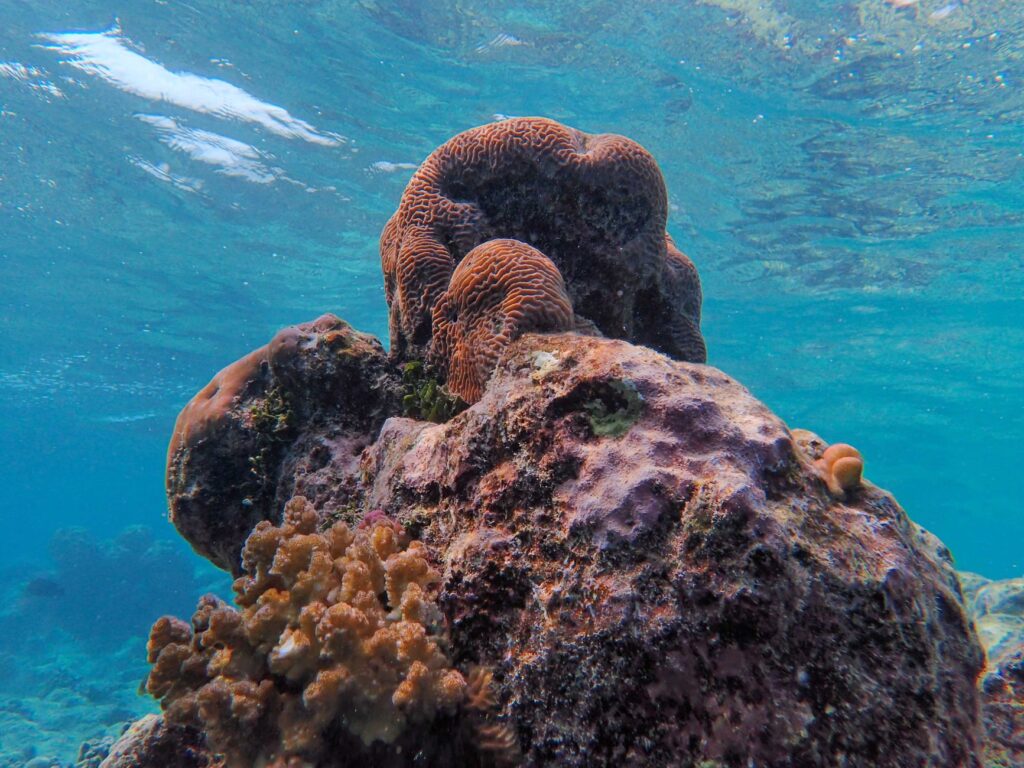
Scientists and environmental managers insist that any expansion of tourism offerings must remain subordinated to ecological impact studies. Diving excursions and snorkeling trips are conducted under strict guidelines to avoid physical contact with corals, organisms extremely sensitive to climate change and human pressure. Environmental education has been integrated as a mandatory component in the narrative of these excursions, transforming tourists into conscious observers of environmental fragility.
Diving routes and contact with biodiversity
The observation points selected in the new catalogs stand out for their biological diversity and water clarity. Zones such as the cays of northern Villa Clara and Ciego de Ávila offer open-air natural laboratories where it is possible to study the dynamics of mangroves and their interaction with seagrass meadows. These areas function as authentic natural nurseries for numerous species of commercial and ecological importance.

The presence of naturalist guides aboard each vessel ensures that explanations regarding fauna and flora are based on updated scientific data. Travelers learn to identify different types of coral, recognize seabirds’ behavior, and understand the crucial role reefs play as natural barriers against coastal erosion and extreme weather events.
Coastal architecture and heritage along sea routes
The Cuban coastline is not merely pristine nature; it is also an architectural mosaic intertwining colonial fortifications, artisanal fishing outposts, and centennial lighthouses that once guided galleons. The expansion of nautical circuits allows visitors to approach these enclaves from the water, offering a historical perspective rarely appreciated from land routes.
Ports in the central and western regions showcase construction typologies tied to maritime activity from the 18th and 19th centuries. By calling at these points, travelers have the opportunity to interact with local communities whose traditions of boat carpentry, sustainable fishing, and seafood gastronomy have been passed down through generations.

Seafaring traditions and local economy
The integration of coastal communities into the value chain of adventure tourism is a decisive factor for the socio-economic sustainability of the region. Excursions designed by specialized operators encourage the consumption of local products and the hiring of auxiliary services managed by cooperatives of fishers and artisans.
Responsible tourism development along the Cuban coastline must articulate itself as a bridge of mutual respect between the global traveler and the living memory of seafaring peoples.
This cultural exchange enriches the travel experience, moving it away from standardized circuits and closer to the human reality of a country navigating between tradition and the need for economic renewal.
Practical guide
- How to get there: The main entry point to Cuba is through José Martí International Airport in Havana or Varadero Airport, from where land transfers to marinas and nautical bases on the north and south coasts are organized.
- When to go: The dry season, spanning from November to April, offers the most stable weather conditions for navigation, featuring moderate winds and lower rainfall probability.
- Entry requirements: A valid passport with at least six months of validity, a tourist visa or card, and travel medical insurance including coverage for adventure and nautical activities are required.
- Operators and bookings: Excursions by Taíno Tours and other authorized operators can be booked through receptive travel agencies in Cuba or via their official online booking platforms in advance.
- Recommended gear: Lightweight sun-protective clothing, appropriate water shoes for coral surfaces, personal snorkeling equipment if preferred, and waterproof storage systems for electronic devices.
- Environmental rules: Extracting coral fragments, shells, or marine species is strictly prohibited, as is discarding waste into the sea. Biodegradable sunscreens are mandatory.
- Currency and payments: It is recommended to carry international cards accepted in the country and cash in convertible foreign currency for minor expenses in rural and coastal areas.
The human pulse of the Caribbean Sea
At sunset, when the outline of the cays blurs into a horizon of violet and orange tones, the true dimension of the nautical journey reveals itself in all its simplicity. It is not solely about the distance covered on the decks of a catamaran or the precision of cartographic coordinates, but about the shared pause with the crew and fellow travelers. In that moment of silence, as the engine shuts off and only the rhythmic murmur of water against the hull is heard, the island geography ceases to be a destination in a brochure and becomes an intimate, enduring experience. The sea routes continue to unfold, inviting those who seek to understand the essence of Cuba to view it from its most vast and enigmatic frontier.
Source in EN: Excelencias Cuba (https://www.excelenciascuba.com/)


