
A Landscape Sculpted by Perpetual Cold
The northernmost expanse of Alaska conceals one of the most pristine wilderness areas on the planet. Gates of the Arctic National Park and Preserve stretches far above the Arctic Circle as a vast cathedral of rock, permafrost, and river valleys carved by millennia of glaciation. Here, the absolute absence of roads, paved trails, or human infrastructure preserves an ecosystem where natural dynamics operate exactly as they did ten thousand years ago. The Brooks Range divides the region into watersheds feeding powerful rivers like the Kobuk and Noatak, creating vital biological corridors for tundra wildlife.
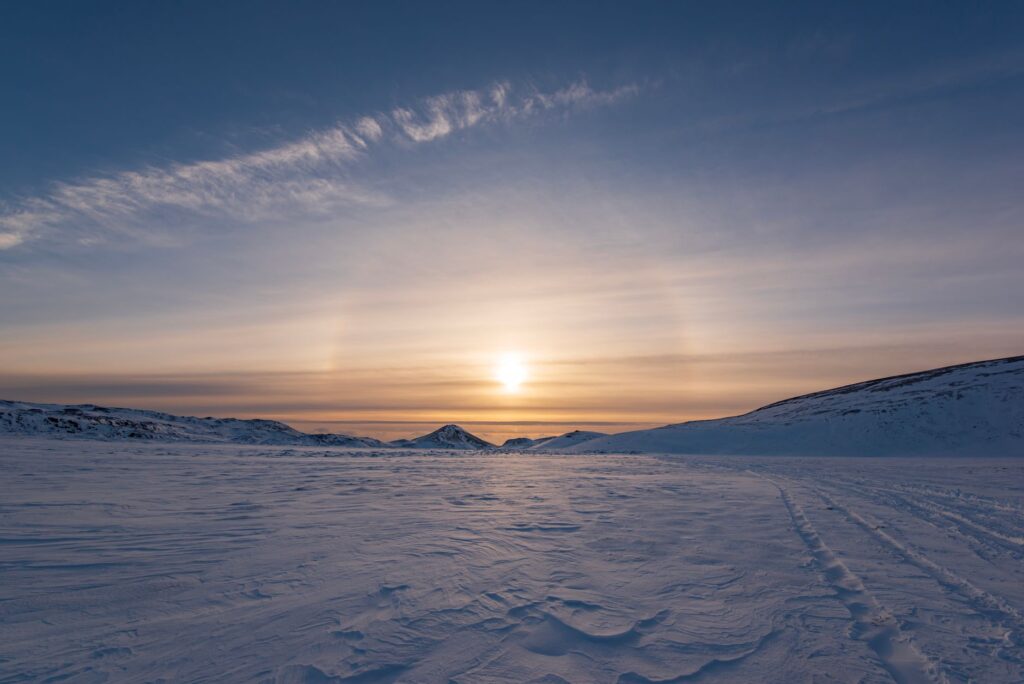
In this arena of infinite horizons and absolute silence, wildlife does not merely survive; it thrives under unforgiving laws. Winter temperatures can plunge to fifty degrees below zero, transforming water into a solid element and demanding extraordinary physiological adaptations from every resident organism. Alpine tundra, seemingly barren at first glance, sustains a complex trophic web where brief summer solar energy accumulates rapidly in lichens, mosses, and dwarf willows that feed large herbivores.
Understanding the ecological scale of this territory requires examining the climatic cycles governing northern Alaska. The transition between the continuous light of the midnight sun and the prolonged darkness of the polar night sets the biological rhythm for all species. While grizzly bears and arctic ground squirrels enter deep hibernation during the darkest months, other mammals face surface winter rigor, defying blizzards and extreme resource scarcity with evolutionary strategies perfected over eons.
The Social and Adaptive Architecture of the Arctic Wolf
At the apex of this winter trophic pyramid stands the arctic wolf (Canis lupus arctos), a subspecies perfectly adapted to the most severe conditions of the Northern Hemisphere. Unlike their temperate latitude relatives, these canids exhibit a dense, nearly translucent coat that acts as a flawless thermal insulator and provides immaculate camouflage against vast snow blankets. Their limbs are slightly shorter and their ears more rounded to minimize body heat loss, demonstrating the precision of natural selection in extreme environments.

The packs patrolling the valleys of Gates of the Arctic operate across immensely vast territories that can exceed one thousand square kilometers per clan. This territorial breadth is strictly necessary due to the low density of prey during the arctic winter, when caribou of the Western Arctic herd migrate south toward boreal forests less exposed to wind. Wolves rely on meticulous social cohesion, where the alpha pair leads hunting strategy and coordinates tracking through persistent blizzards that would erase any human trail in seconds.
Acoustic and olfactory communication forms the social glue for these animals in arctic isolation. Nightly howls, echoing with crystal clarity in the frozen air, serve to delimit territory against rival packs and keep the group together during long chases. Biologists and researchers who have documented the species in this region note that individual survival depends absolutely on collective efficiency, from cooperative pup rearing to territory defense against direct competitors like the wolverine.
Trophic Dynamics: The Dance Between Caribou and Predator
Wolf ecology in this sector of Alaska cannot be understood in isolation; it is inextricably linked to the grand migrations of the tundra caribou (Rangifer tarandus). During the short boreal spring, caribou calving grounds draw canids toward open slopes, where the temporary abundance of newborns provides the energetic sustenance needed to raise the next generation of wolves. This predator-prey relationship naturally regulates the demographic health of both populations, culling sick or weakened individuals and strengthening the herd’s genetic resilience.
However, shifting snow precipitation patterns and accelerated arctic warming are altering these secular dynamics. Hard ice layers forming when winter rain penetrates snow make it difficult for caribou to access underlying lichens, triggering mass mortality events that directly impact wolf reproduction rates. Current science in the park monitors these imbalances through satellite telemetry and non-invasive genetic analysis, seeking to anticipate how the trophic web will respond to a rapidly mutating climate.
The stability of the arctic tundra depends on the health of its apex predators; removing the wolf would trigger a cascading collapse across northern biodiversity.
Despite the park’s apparent remoteness, global effects reach these remote valleys. The accumulation of atmospheric pollutants transported by air currents from industrial latitudes contaminates tissues in certain base species, a phenomenon biologists monitor with concern. Nevertheless, in Gates of the Arctic, the wolf continues to fulfill its primordial ecological function without the direct pressure of mass human hunting, given that federal legislation strictly protects wildlife within the national park interior.
Botanical Pulse and Permafrost Resilience
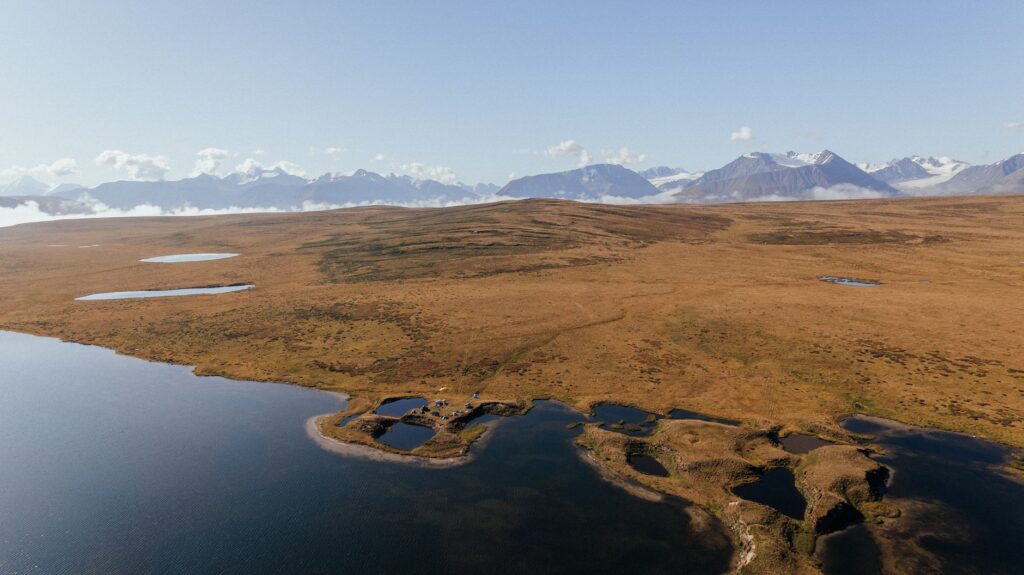
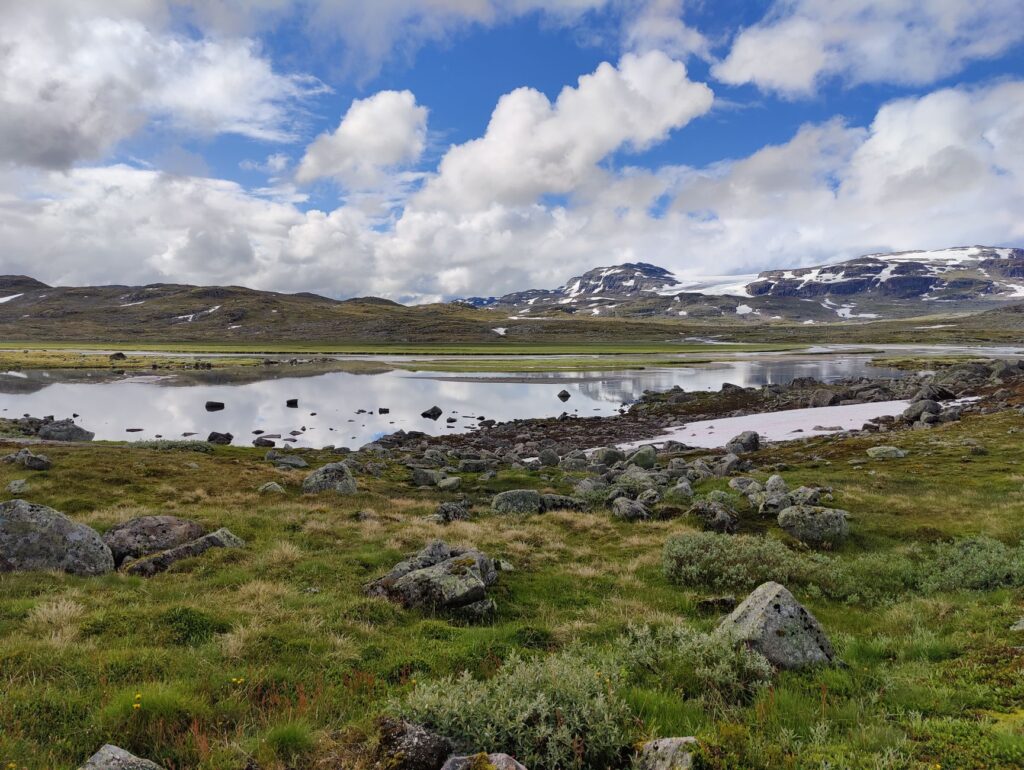
Beneath the paws of wolves and the hooves of caribou lies permafrost, a foundation of frozen soil that has maintained the structural stability of the arctic landscape for millennia. In summer, the upper layer of this soil thaws superficially, permitting an ephemeral yet intense explosion of plant life. Valleys blanket themselves in bog cotton, saussureas, and tiny arctic blossoms completing their life cycle in just a few short weeks, taking advantage of twenty-four hours of continuous sunlight.
This vegetation cover not only feeds herbivores but acts as a biological sponge retaining meltwater and preventing massive slope erosion. Nevertheless, record summer temperatures registered in northern Alaska are driving deep permafrost thaw in certain zones, generating landslides known as thermokarst. These events radically alter river channels, modifying fish habitats and forcing terrestrial fauna to shift traditional roaming routes.
For naturalists, studying the botany of Gates of the Arctic is deciphering a living climate archive. Growth rings in dwarf willows and creeping birches record thermal variations of past centuries with millimeter precision. Each plant adapted to extreme dwarfism represents an evolutionary victory against cutting wind and nutrient scarcity in soils where organic decomposition occurs at an exceptionally slow pace due to persistent cold.
The Absence of Footprints: The Value of the Polar Desert
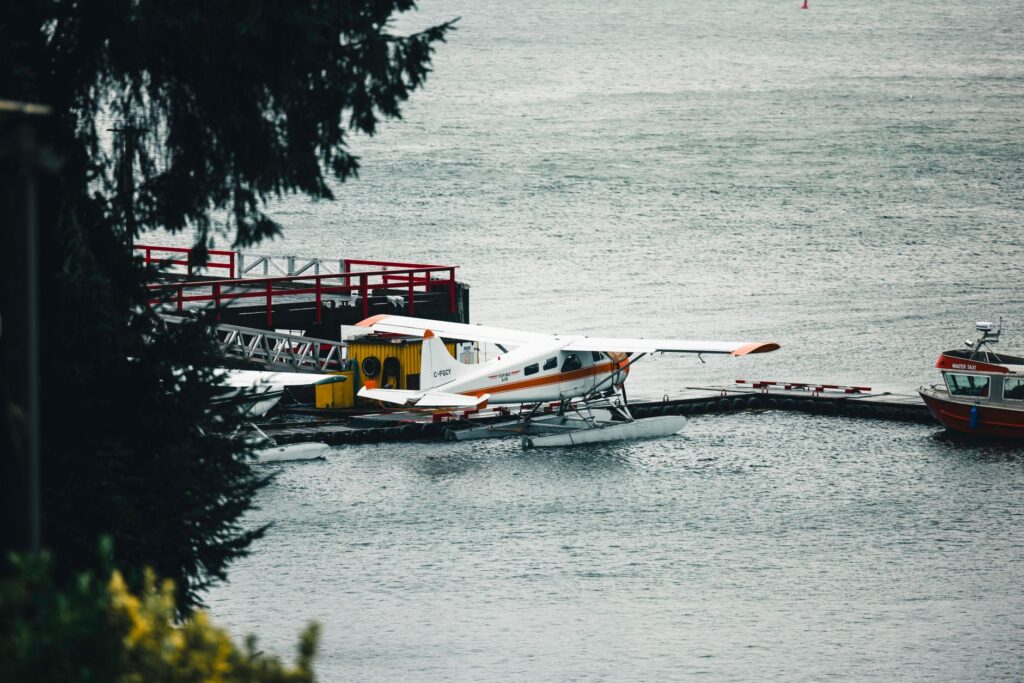
The primary allure of Gates of the Arctic does not lie in accumulated tourist infrastructure, but precisely in its absolute absence. Here, luxury hotels, paved interpretive centers, and secondary roads do not exist. Travelers managing to penetrate its boundaries do so via floatplanes or ski-equipped bush planes landing on remote lakes or river gravel bars, assuming complex logistics and rigorous self-sufficiency. This extreme remoteness ensures that the visitor experience retains a deeply introspective and respectful character.
National Park Service regulations in the United States are extremely strict to prevent any environmental alteration. The leave-no-trace principle is rigorously enforced, prohibiting fires in wide zones and requiring campers to pack out all waste. This low-impact management turns the park into a global model of passive conservation, where nature manages itself and humans act merely as temporary, silent observers.
Access Logistics and Expedition Preparation
Planning an incursion into this environment demands an exceptional level of technical competence. The primary base for accessing the park is the frontier settlement of Bettles, a post south of the Brooks Range from which authorized floatplane operators operate. Explorers must possess alpine camping gear capable of withstanding hurricane-force winds, advanced water purification systems, and rigorous training in wilderness first aid, given that rescue can take several days due to unpredictable weather.
- Exclusively hire certified Alaska-based air services with extensive experience on natural gravel airstrips.
- Carry approved bear-resistant food storage containers to avoid attracting large wildlife like bears and wolves to camp.
- Establish redundant satellite communication plans, as cellular coverage is entirely nonexistent throughout the park territory.
- Permanently monitor weather reports issued by the National Weather Service to avoid sudden storms in mountain passes.
Practical guide
How to get there: Access to Gates of the Arctic is strictly by air. Most expeditioners fly from Fairbanks to Bettles or Coldfoot via local bush airlines. From there, smaller floatplanes transport passengers to specific points within park boundaries.
When to go: The optimal season for hiking and wildlife viewing extends from late June to early August, when rivers are navigable and the tundra displays its peak floral splendor. Winter is reserved exclusively for technical ski expeditions and scientific missions.
Requirements and permits: No park entrance fee or general backcountry camping permit is required for recreational stays, but commercial operators and research expeditions must formally register with the park administration in Fairbanks.
Safety and gear: Carrying EPA-approved bear spray, layered thermal clothing made of merino wool or high-end synthetics, and GPS navigation systems with offline detailed cartography is mandatory.
The Echo of Arctic Silence
At dusk, as the boreal sun descends toward the horizon without fully setting during summer, the landscape acquires a golden, spectral hue. Quartzite crests of the Brooks Range cast long shadows over valleys where crystal-clear, cold water flows. In that instant of absolute stillness, the distant howl of a wolf pack reminds the traveler that this territory does not belong to humanity, but to the unforgiving and beautiful laws of wild nature.
The conservation of this corner of the planet transcends mere landscape protection; it represents the defense of the last great frontier where ecological and evolutionary processes continue unfolding without industrial development interference. Protecting the arctic wolf habitat in Gates of the Arctic ensures that the untamed pulse of the north continues beating strongly for future generations, reminding us of life’s fragility and resilience on our planet.