
The Stony Roots of the Fluvial Veneto
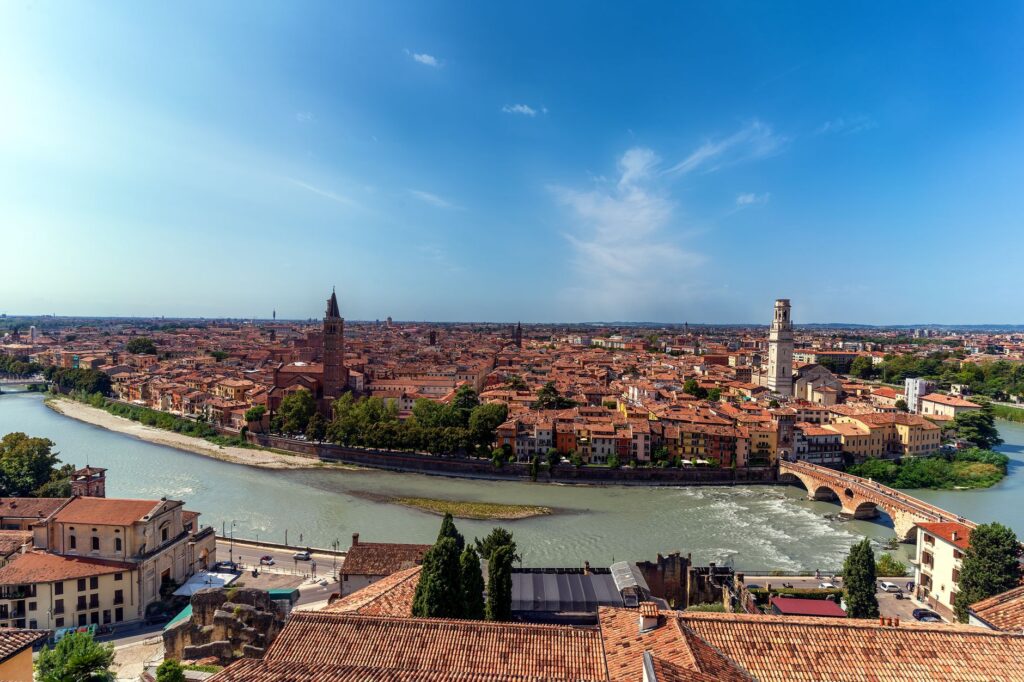
Beneath the ancient shadow of Roman bridges and the steady, rushing murmur of the Adige River, the city of Verona beats to the rhythm of a commercial pulse that has scarcely shifted since the Renaissance. This is not merely a point of economic exchange, but a social ecosystem where limestone and the aromas of alpine gardens merge into a daily liturgy. Every dawn, before the first rays of sunlight brush the pink marble bell towers, the stalls and traditional market booths unfold a display of produce that explains why Venetian cuisine is, above all else, an exercise in resilience and memory.
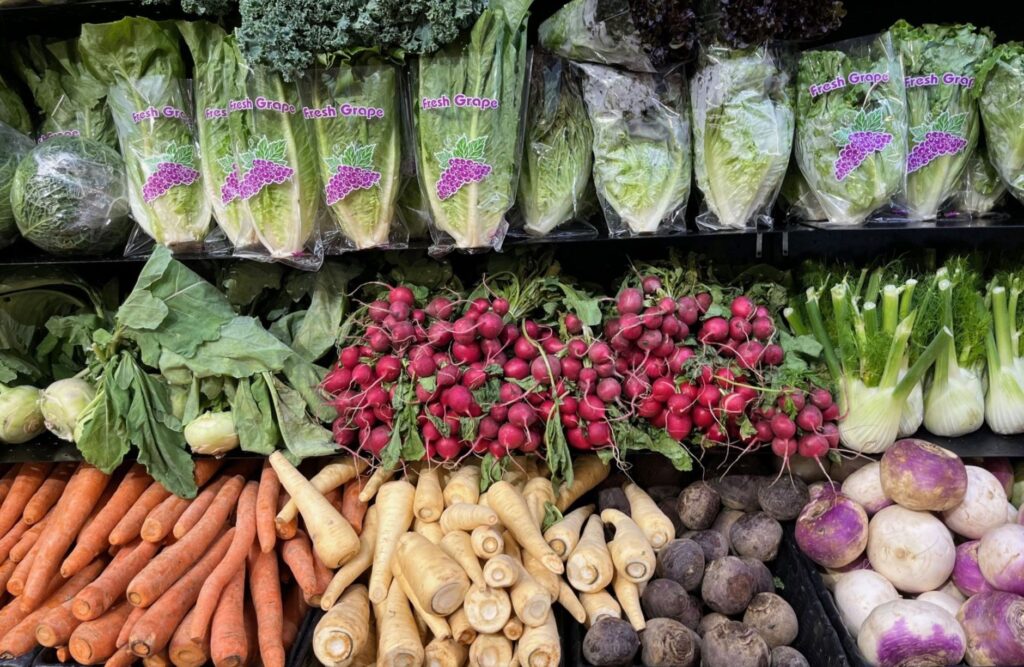
The traveler who ventures into this labyrinth of stalls and arcades quickly discovers that the true character of Verona resides not exclusively in its opera monuments or Shakespearean myths, but behind the merchant counters and in the wisdom of its farmers. Here, wild fennel, Vialone Nano rice, and root vegetables from the alluvial soils configure an edible landscape that defies the rush of the contemporary world. Vegetable stands display neat rows of local artichokes, pungent radishes, and dense-pulp pumpkins, arranged with an almost aesthetic precision that reveals the pride of a trade passed down through generations.
Market Architecture and the Guild Pulse
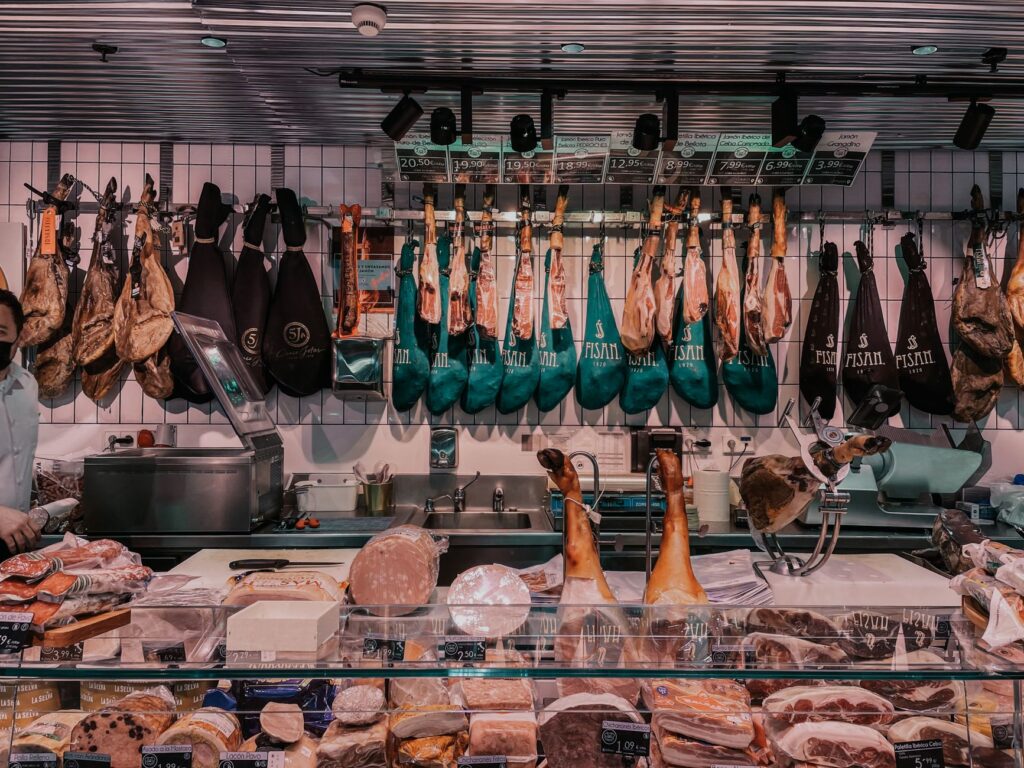
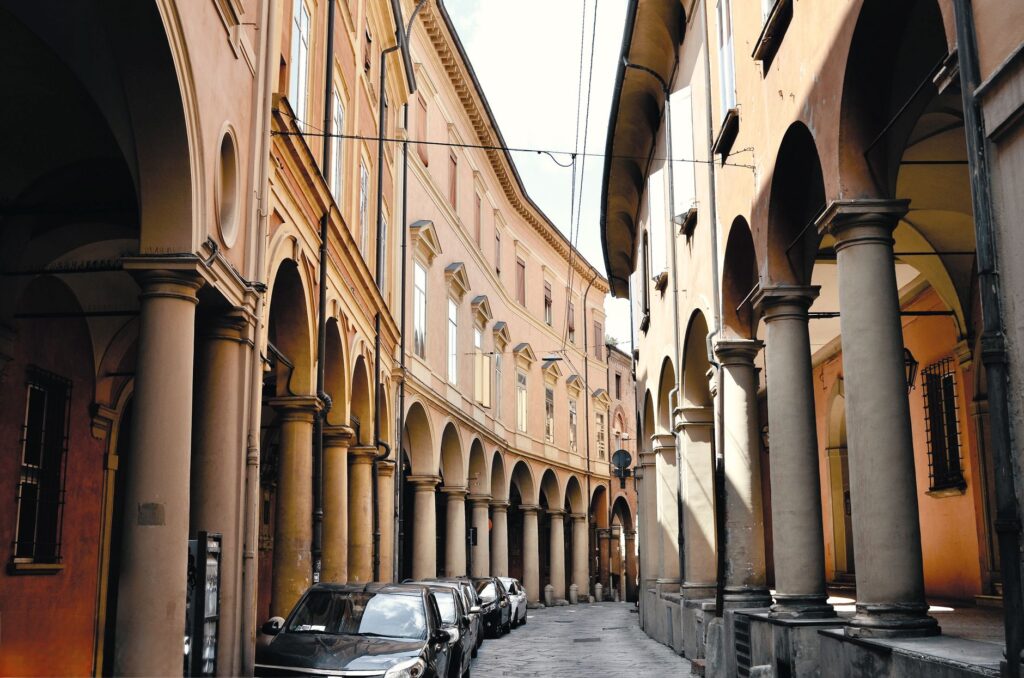
Strolling through the porticomed arcades of the Veronese commercial fabric is an exercise in living archaeology. Wrought-iron structures and semicircular arches shelter a hierarchy of stalls where each merchant defends their specialty as an inalienable heritage. Cheesemakers offer wedges of Monte Veronese in various stages of aging, from the fresh and lactic to the sharp, crumbly mature versions that evoke the pastures of the Lessini Mountains. A few paces away, charcuters slice translucent sheets of Vicentine sopressa and wild boar ham cured with juniper berries and beechwood smoke.
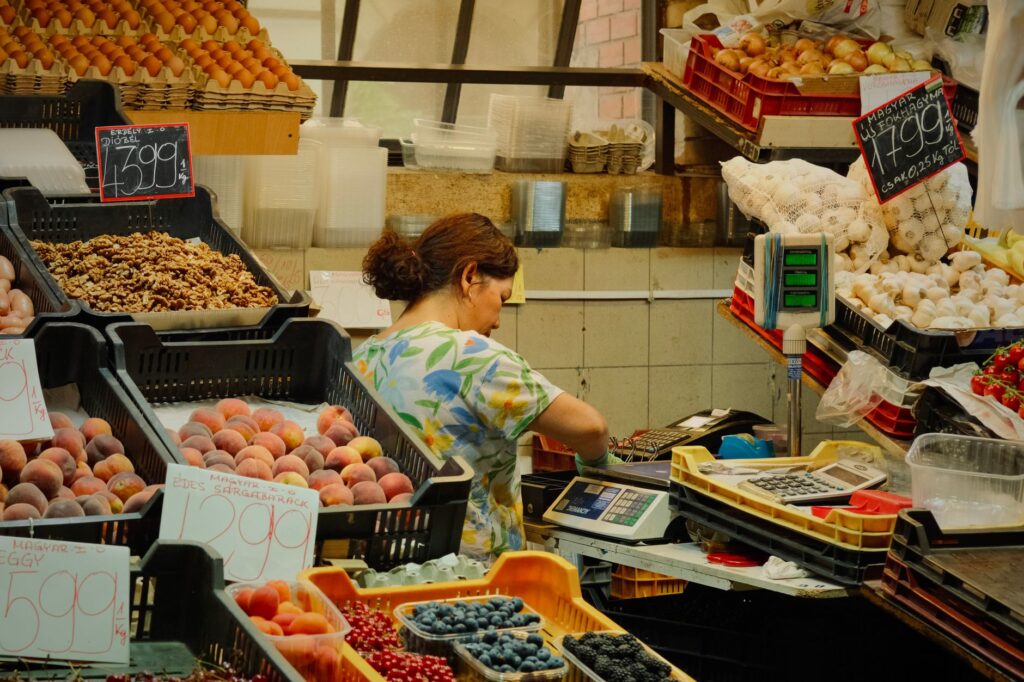
This commercial order is not a matter of chance, but the result of centuries of guild regulations and mutual respect between valley producers and urban shopkeepers. Unlike impersonal supermarkets, the custom of discussing cooking times, exact origins, or the influence of autumn fogs on harvest quality remains alive here. The relationship between producer and consumer is direct, honest, and grounded in mutual trust. This proximity turns daily shopping into a first-rate social act, where time seems to slow down to accommodate expert recommendations and the exchange of family recipes.
Hidden Treasures of the Alluvial Orchard
Moving slightly away from the monumental core, the lands irrigated by the canals and tributaries of the Adige display a unique vegetable pantry in northern Italy. Silt deposited by historical river floods has generated soils of exceptional fertility, ideal for winter vegetables and aromatic roots. It is in this context that fennel takes on a capital role, acting not merely as a simple seasoning, but as a structural element in broths, river fish stews, and traditional marinades.
Local farmers tend the plants with artisanal care, protecting them from morning frosts using techniques inherited from the old horticulturists of the Scaliger lordship. The feathery leaves and compact, whitish bulbs are harvested by hand before dawn, preserving their essential oils and characteristic anisette sweetness intact. This respect for the plant’s biological cycle contrasts sharply with global agricultural standardization, reminding the visitor that culinary excellence depends inexorably on soil health and human patience.
The Liturgy of Rice and Primordial Broths
At the heart of Veronese gastronomy, rice occupies an undisputed throne, far above the dry pasta prevalent in the south of the peninsula. The fields of the nearby Isola della Scala plain supply the coveted Vialone Nano rice, a semi-late variety that absorbs broths with prodigious efficiency while retaining its firm al dente bite. In the kitchens of historic trattorias, this grain becomes the absolute protagonist of classic risotto all’amarone or comforting riso e bisi, a dish that celebrates the arrival of the season’s first tender green peas.
The preparation of these recipes follows a culinary choreography that is as strict as it is unhurried. The initial soffritto of golden onion simmered in local butter fuses with the grain before receiving the impact of Valpolicella red wine or a clear poultry and vegetable stock. The cook’s patience in stirring constantly, incorporating liquid ladle by ladle, is a tangible sign of respect for the product. There are no shortcuts in traditional Veronese cooking; time is the invisible ingredient that binds all flavors together.
The Shadow of Vineyards and Underground Cellars
No journey through Verona’s food culture would be complete without descending into underground cellars and exploring the vineyards climbing the limestone hills of Valpolicella and Soave. Here, Corvina, Rondinella, and Garganega grapes are transformed into world-famous nectars through natural drying methods like appassimento. In these cellars, a reverent silence prevails, interrupted only by the slow sigh of wine maturing in Slovenian and French oak barrels.
Local winemakers act as guardians of a winemaking tradition dating back to Roman times, when Rhaetian wine was praised by poets and emperors. Today, tasting a glass of Amarone della Valpolicella alongside aged cheese or a plate of braised meat with polenta is a sensory experience that synthesizes the soul of the region. Balanced acidity, velvety tannins, and notes of candied red fruit and spices dialogue directly with the mineral flavors of the Venetian earth.
The Art of Rest and the Recipe Book of Memory
As afternoon advances and market stalls pack away their awnings, Veronese life shifts toward historic taverns and arcaded squares to enjoy the traditional aperitivo. This ritual does not simply mean consuming a drink before dinner, but sharing small bites known as cicchetti, where horsemeat meatballs, crostini with mantecato cod, and pickled vegetables find their perfect match in a glass of crisp white wine or a classic local spritz.
In these spaces of sociability, family recipes are passed down by word of mouth, resisting the erosion of mass tourism. Elderly locals recall how homemade gnocchi were made on Carnival Fridays or how less noble cuts of pork were utilized during harsh postwar winters. This living culinary archive proves that Verona’s cuisine is a map of collective memory, a sanctuary where history, landscape, and human appetite converge in perfect harmony.
Practical guide
How to get there: Verona Valerio Catullo Airport is located about 12 kilometers from the historic center, connected by regular bus services. Verona Porta Nuova railway station offers direct high-speed connections with Milan, Venice, Bologna, and Rome.
When to visit: Spring (from April to June) and autumn (from September to November) offer ideal weather conditions to explore the open-air market and enjoy seasonal harvests without excessive crowds.
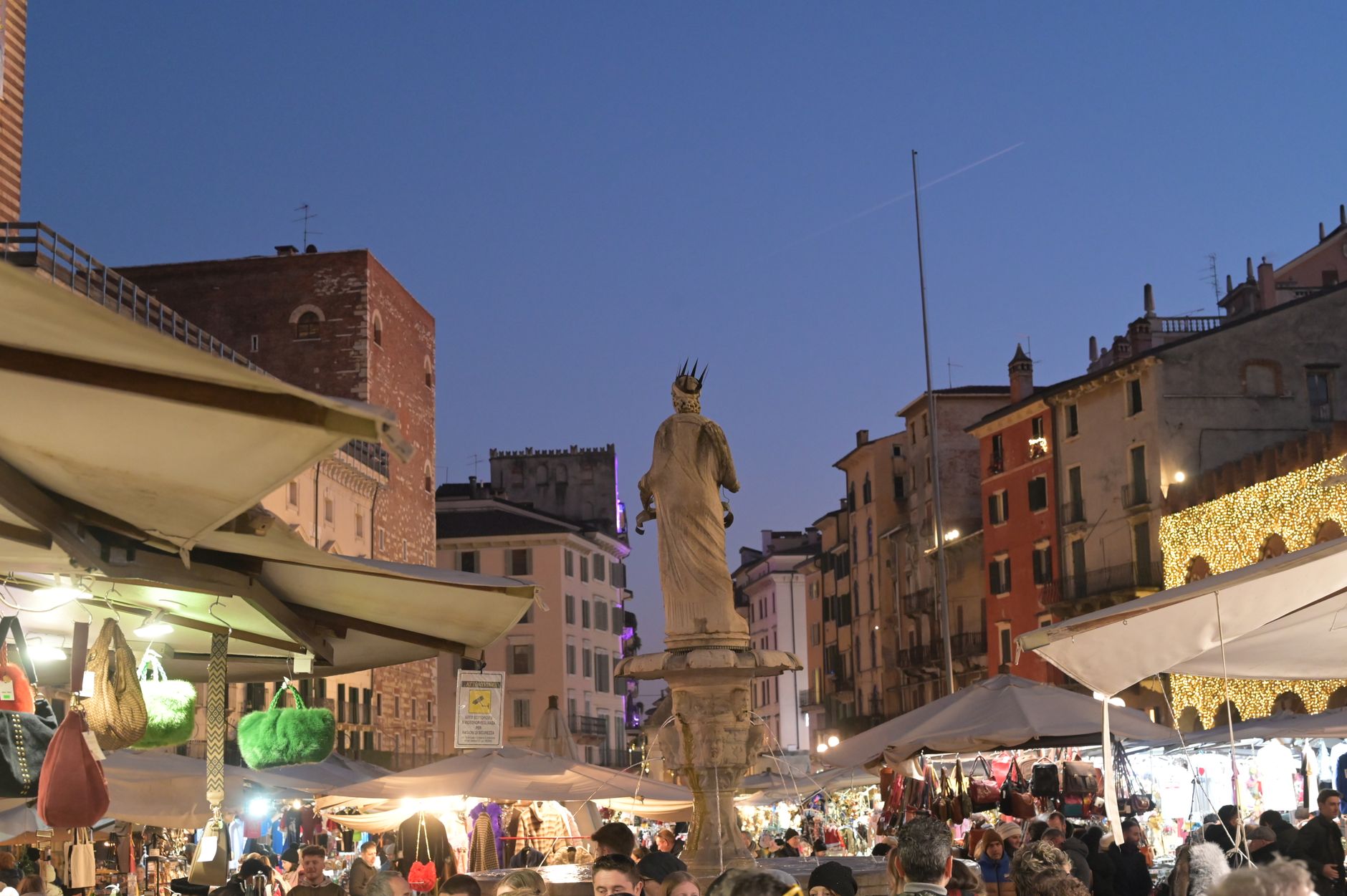
Where to shop: The Central Market and historic stalls of Piazza delle Erbe are the neuralgic points for acquiring certified local products, artisanal cheeses, and regional cured meats.
Gastronomic tip: Look for traditional trattorias away from mass tourist circuits to taste authentic dishes like pastissada de caval and genuine risottos prepared with locally sourced ingredients.
The Last Glass Facing the Adige
When dusk paints the swift waters of the Adige in copper tones and streetlamps begin to reflect on the pavement of ancient bridges, Verona recovers its most intimate quietude. It is the moment when haste vanishes and the city seems to hold its breath, remembering that its true grandeur lies not in monumental stone sculpted by centuries, but in the warmth of a shared table, the lingering aroma of fresh fennel, and the certainty that the most authentic traditions are those savored slowly, with the reverent respect of one who understands the value of time and earth.