The Dawn of a Sovereign Fat
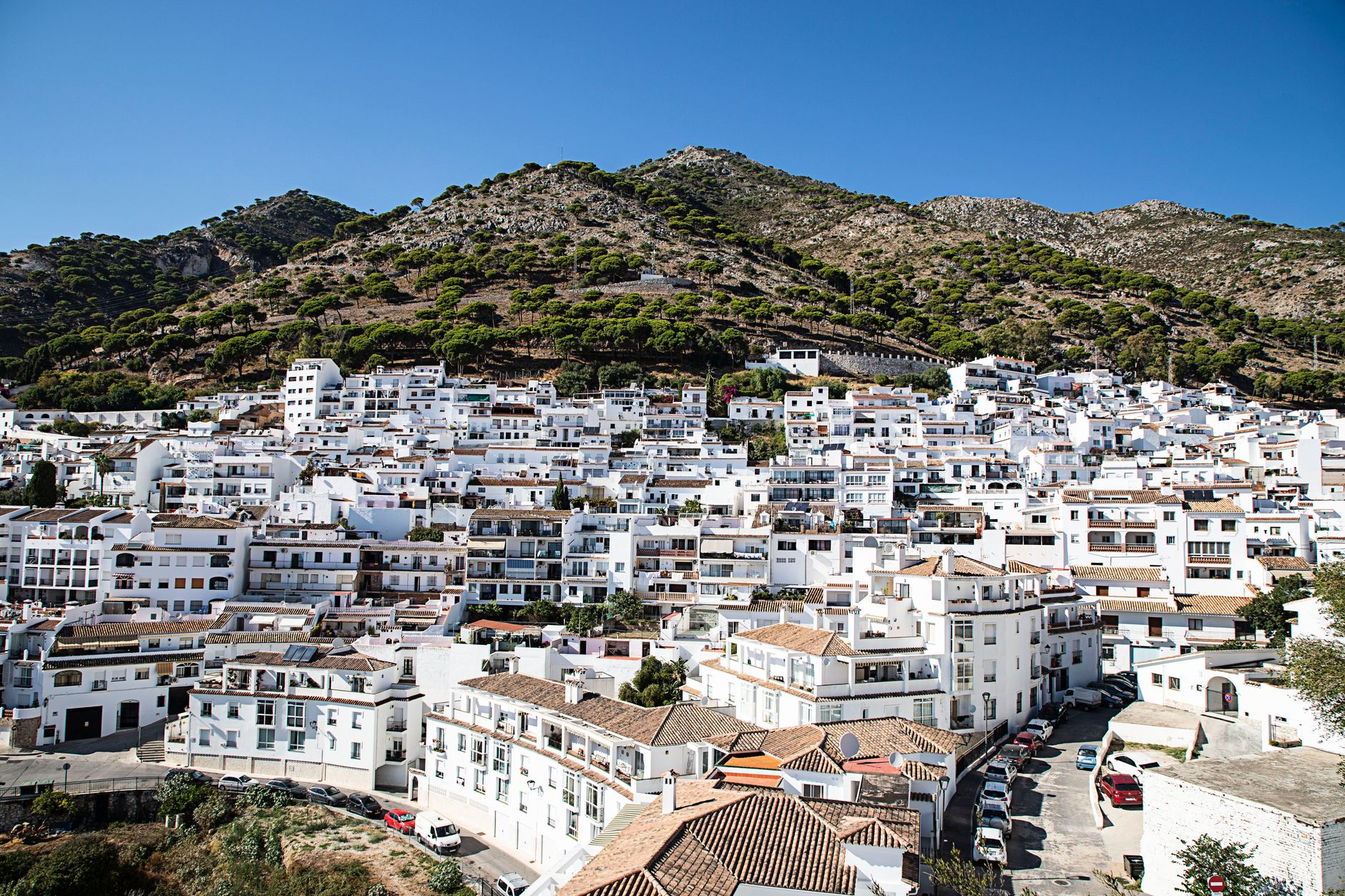
There is a precise moment in the mountain morning of Cádiz when light pierces the mist rolling down from the Sierra de Grazalema, settling softly on whitewashed rooftops anchored to rugged stone. It is the hour when the hearths of old roadside ventas and small bakeries in towns like Ubrique, Benamahoma, and Alcalá de los Gazules begin to exhale an unmistakable aroma. It is neither the scent of dark-roasted coffee nor that of freshly baked country bread that dominates the air, but rather the dense, aromatic warmth of paprika slowly toasting in rendered pork lard. This is the silent ceremony of manteca colorá.
Far from the sun-drenched coastal resorts that define the province’s Atlantic strip, the Andalusian interior preserves a pantry where historical necessity forged a sophisticated cuisine of survival. Manteca colorá is neither a simple condiment nor a modern gastronomic novelty; it is the secular result of the urgent need to preserve Iberian pork meat before the advent of electrical refrigeration. In these rugged valleys, where the climate swings between harsh winters and unforgiving summers, pork fat became the ultimate vehicle for preservation, sustenance, and cultural identity.
The Geography of the Iberian Pig and the Underbrush
To understand manteca colorá, one must traverse the territory that sustains it. The swine herds of the Sierra de Grazalema graze under a late montanera regime or feed on the wild resources offered by the Los Alcornocales Natural Park and the Sierra de Grazalema Natural Park. Here, the pig is not an intensive production unit, but a fundamental actor in maintaining the dehesa ecosystem. Holm oaks, cork oaks, and gall oaks provide the acorns and wild fruits that shape the lipid profile of the animal.
In local oil mills and butcher shops, the selection of laella—the subcutaneous and protective fat of the pig—is carried out with criteria passed down through generations without written manuals. Artisans look for clean fat with precise firmness and a melting point that allows both spreadability when cold and stability when hot. The secret of a great manteca colorá lies in the uncompromising quality of the raw pork material and absolute respect for slow-cooking times.
The Alchemy of Fire: Method and Proportions
The making of manteca colorá is an exercise in patience and domestic chemistry that demands constant attention. In a copper or cast-iron pot, raw pork lard is meticulously chopped and melted over very low heat to prevent burning or acquiring bitter notes. Traditionally, lean pork meat—usually loin or, in more humble preparations, selected scraps—is added and confited in its own fat until it reaches a tender texture that melts at the touch.

The turning point occurs when the spices are incorporated. Paprika, preferably from La Vera for its balance between sweetness and smokiness, is dissolved or added with millimetric precision alongside oregano, garlic crushed in a mortar, and, in many households, a splash of Sherry vinegar or local white wine to balance the greasy density. The exact proportion of paprika is the best-kept secret of every ventero; too much drowns out the flavor of the pork, while too little leaves the mixture devoid of its characteristic terracotta hue and spiced depth.
Manteca colorá is not merely a dense foodstuff; it is the liquid memory of a mountain range that transformed scarcity into a masterpiece of preservation pantry craft.
The Country Bread and the Liturgy of Breakfast
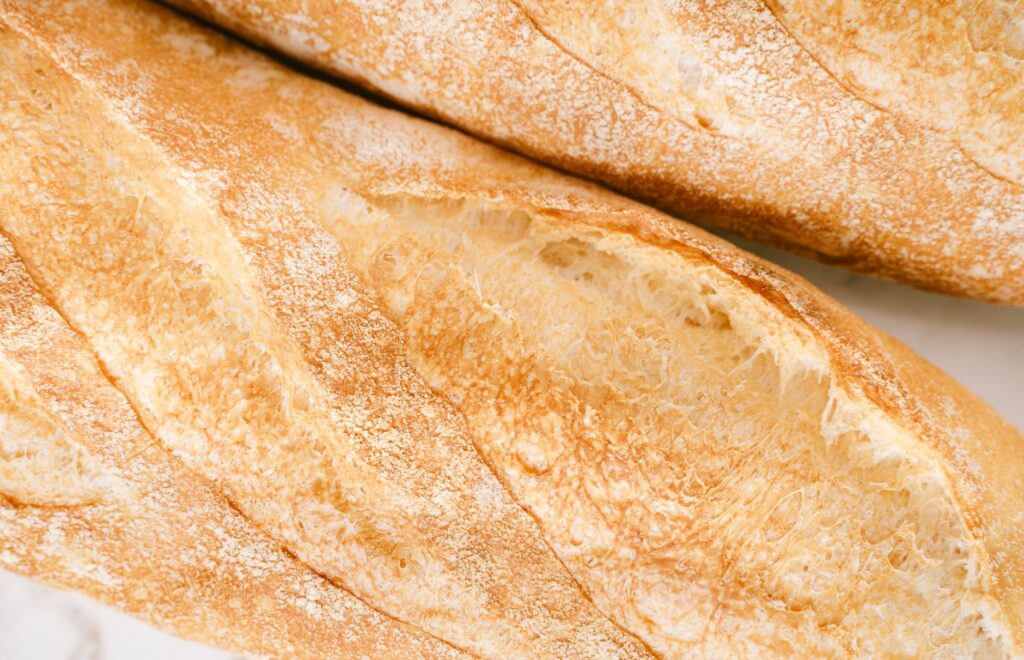
The natural destiny of manteca colorá is bread. Not just any bread, but the so-called pan cateto or dense loaf, made with rustic wheat flours, a tight crumb, and small alveoli, baked in traditional wood-fired ovens that give it a hard, toasted crust. The friction between the piping-hot toast and the solid lard—which begins to melt slowly upon contact with the warmth of the bread—is one of the most resounding sensory experiences in southern peninsular gastronomy.
On winter mornings, stopping at a roadside venta to breakfast on a slice of village bread with manteca colorá and a glass of pot-brewed coffee is a ritual shared by laborers, cycling tourists, and wandering travelers. It is a caloric breakfast, originally designed to sustain marathon days of fieldwork, but today claimed as an intangible cultural heritage that resists the standardization of industrial pastries.

Local Variations and Close Relatives
Although manteca colorá is the undisputed queen, the universe of pork lards in Cádiz includes fascinating nuances and variants. There is white lard (manteca blanca), flavored exclusively with garlic and bay leaves, more subtle and frequently used as a base for stews or for spreading with a touch of coarse sea salt. And there is zurrapa de lomo, where chunks of meat occupy such a high percentage of the jar that the fat acts almost as a transport medium for strands of confited loin that rival the excellence of pork crackling.
The differences between manteca colorá and zurrapa de lomo lie in the proportion of meat and the prominence of paprika, though both share the same common root in resourceful cooking. In towns like Medina Sidonia or Vejer de la Frontera, each artisan butcher shop boasts its own family recipe, incorporating subtle touches such as crushed cloves or finely grated dried orange peel to provide a citrus note that counteracts the heaviness of the fat.

Conservation and the Slaughter Cycle
Historically, the preparation of manteca colorá was inextricably linked to the pig slaughter (la matanza), a social and familial event that marked the beginning of winter in the mountain villages. During the cold months, families sacrificed the animal and made use of every single gram. The lard was traditionally packed into glazed ceramic orza jars, traditional earthenware containers that allowed the product to breathe slightly while solidifying in the dark, cool pantries of village houses.
The top layer of fat acted as a natural hermetic seal preventing air and bacteria from entering, ensuring the contents remained in optimal condition for months. Today, although domestic slaughter has been regulated by strict health controls and moved to approved slaughterhouses, earthenware jars remain the fetish container for artisan producers seeking to market the product while maintaining respect for aesthetic and functional tradition.
Practical Information for the Culinary Traveler
For those interested in delving into the route of manteca colorá and the interior gastronomy of Cádiz, it is recommended to plan the trip outside the summer months, when the Sierra shows its most authentic face and the climate invites the consumption of these hearty stews and pantry staples.

- How to get there: The main access to the Sierra de Cádiz is by private vehicle from Jerez de la Frontera (about 45 minutes via the A-382) or from Seville via the A-375. A car is essential to navigate the winding secondary roads connecting the white villages.
- Key supply points: Traditional butcher shops in Ubrique, Grazalema, El Bosque, and Alcalá de los Gazules are mandatory stops to purchase artisan manteca colorá in glass jars or tins.
- Recommended ventas: Venta Toledo (near Algar) and Venta El Pulga (Grazalema) keep their traditional hearths lit, offering memorable breakfasts and game and spoon dishes.
- Home storage: Once opened, it is recommended to store the lard in a cool, dry place, preferably away from direct sunlight. Refrigeration is not strictly necessary if room temperature is moderate, though cold extends shelf life if it is not consumed frequently.
The Challenge of Artisan Survival
In an era dominated by ultra-processing and the homogenization of global flavors, the future of such local and specific products as manteca colorá depends on the skill of small artisans and the awareness of consumers increasingly interested in traceability and authenticity. European health regulations have forced traditional workshops to modernize their facilities, a costly process that many small producers have overcome thanks to the support of a loyal clientele that values the product above passing dietary fads.
The survival of manteca colorá in 21st-century tables is conclusive proof that gastronomic cultures rooted in the territory possess formidable resilience against food globalization. This is not a food to be consumed daily in large quantities, but a heritage treasure to be understood as what it is: a bite of living history, a concentrate of mountain landscape, and a masterclass in how human ingenuity turned fat into culinary art.