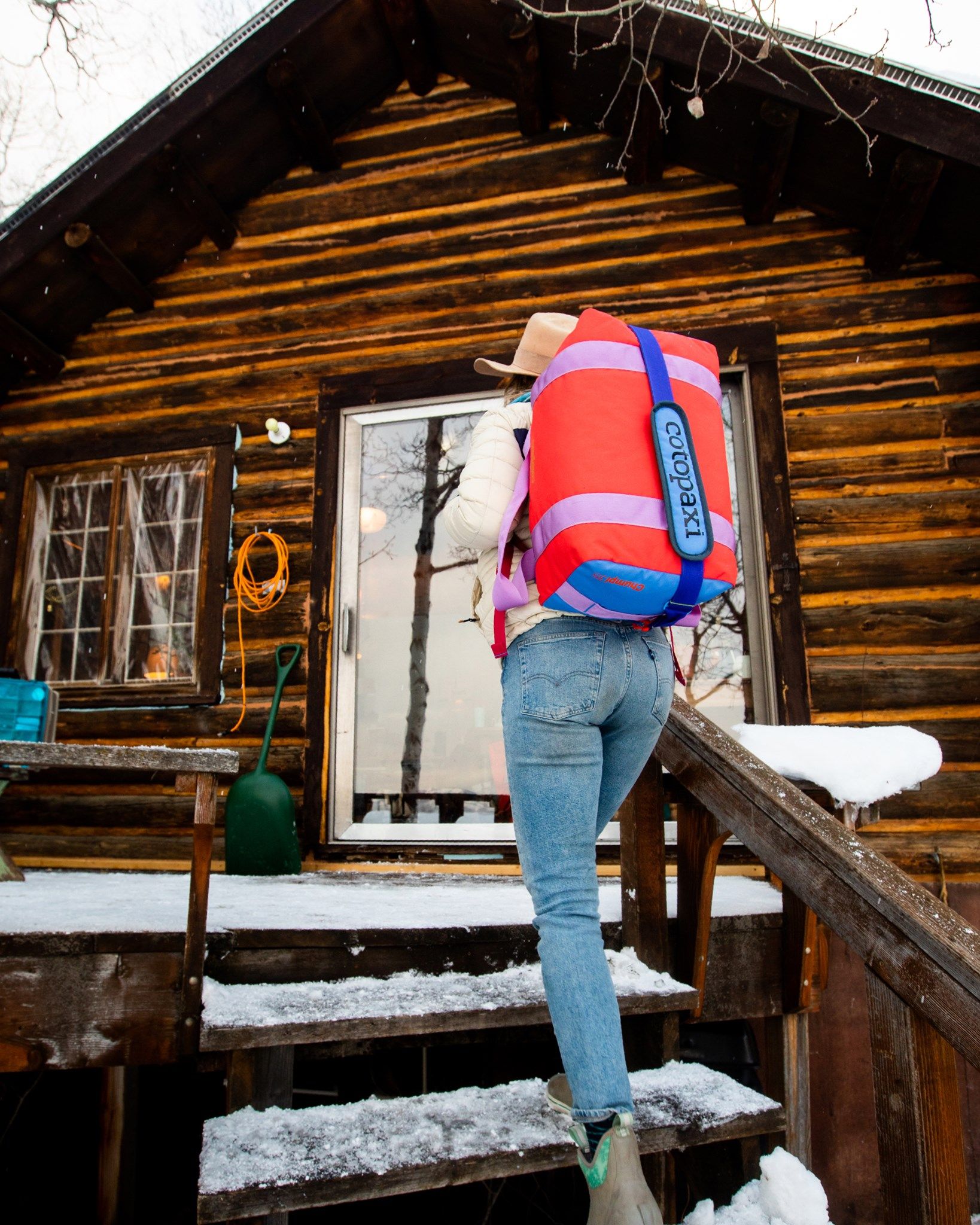
A New Philosophy for the Contemporary Traveler
The act of travel has undergone a radical metamorphosis in recent years. It is no longer enough to accumulate destinations in a passport or hunt for the ultimate online bargain before boarding a low-cost flight. Today’s traveler faces a constant paradox: the irrepressible desire to discover new horizons contrasted against the ecological and social footprint left behind by every journey. In this context, the choice of gear, technical apparel, and accessories no longer responds merely to aesthetic or functional needs, but serves as a declaration of principles regarding how we relate to the natural environment and local communities.
Major outdoor adventure brands sit at the center of this debate. Gone are the days when extreme performance was the sole metric of value for a waterproof jacket or an expedition backpack. Today, concepts such as circularity, fair trade, and textile waste reduction set the tone in the industry. It is not merely about acquiring products with seasonal discounts or searching the web for promotional codes, but about understanding durability as the most honest form of sustainability. Every garment that withstands the passage of years and the wear of the roughest trails stands as a vote against planned obsolescence.
The Burden of the Textile Industry on Fragile Ecosystems
When we observe the immensity of the Ecuadorian Andes, dominated by the imposing silhouette of the Cotopaxi volcano, the fragility of mountain ecosystems becomes starkly evident. Alpine glaciers recede at an alarming rate, and mountain trails bear the scars of mass tourism and the excessive consumption of resources. The manufacturing of adventure gear has traditionally depended on highly polluting processes, from the use of perfluorinated chemicals (PFCs) to the mass extraction of petroleum for synthetic fibers like virgin nylon and polyester.

However, pressure from a globally informed community of travelers has forced a paradigm shift. The brands that stand out are not those that flood the market with massive clearance sales, but those that redesign their supply chains from the ground up. The use of recycled materials, organic cotton, and fabric remnants from other productions (known in the industry as remnant fabrics) prove that it is possible to create colorful, durable backpacks and accessories without sacrificing the planet’s well-being. Transparency in product traceability has become the new gold standard for the discerning consumer.
Circular Economy as the New Luxury in Adventure
In the past, buying second-hand clothing or refurbished goods was associated with economic necessity. Today, official resale platforms and used gear markets have established themselves as the preferred space for the most conscious travelers. This trend not only extends the useful life of products but subverts the linear consumption logic that governs global commerce.
The true luxury in contemporary travel is not breaking in a new piece of gear every season, but owning an item that has proven its worth across multiple summits and can be repaired indefinitely.
This circular economy approach echoes initiatives where surplus inventory and pristine returns are reintroduced into the market at a fraction of their original cost, drastically reducing textile waste. For the traveler planning a high-mountain route or an urban getaway, opting for these alternative distribution channels represents not a compromise on quality, but a validation of their commitment to a more equitable economic model.
Ethical Discounts Versus Seasonal Consumerism
The modern commercial calendar is dictated by events such as Black Friday, autumn sales, and inventory liquidations. While it is undeniable that accessing reduced prices makes it easier to acquire expensive technical gear—such as responsible down jackets or ergonomic backpacks—the challenge lies in distinguishing between impulse buying and thoughtful investment.
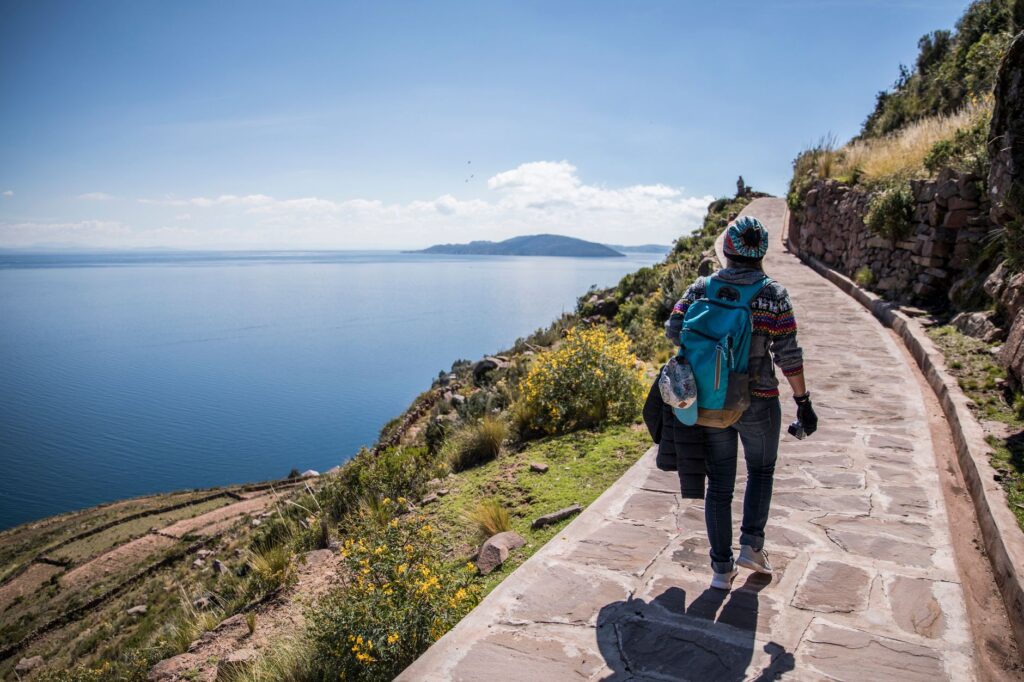
Ethical brands tend to structure their sales differently, using seasonal promotions or welcome discounts to educate the consumer rather than incite hoarding. A 15% promo code on a first purchase or a special offer on daily accessories acquires real value when the acquired product is designed to last a decade. Durability thus becomes the greatest possible savings, eliminating the need to constantly replace low-quality equipment.
The Human Impact Behind the Expedition Backpack
Behind every reinforced seam and every vibrant color panel inspired by the Andes lies a complex network of artisans, workers, and designers. Corporate social responsibility can no longer be limited to stamps printed on labels; it demands rigorous audits of working conditions in factories, living wages, and the empowerment of local communities in production countries.
When a traveler chooses a brand committed to fair trade, their financial investment becomes an engine for human development. Initiatives that allocate a percentage of profits to community funds in vulnerable regions demonstrate that tourism and its surrounding industry can be positive agents of change. The backpack we carry on our next getaway ceases to be a mere utilitarian object and transforms into a testimony of global solidarity.

How to Prepare Essential Gear for a Conscious Getaway
Planning a sustainable trip begins long before packing the suitcase. It involves a thorough review of what we already own to avoid unnecessary purchases. The fundamental principle of the minimalist traveler is that the best gear is the one already hanging in the closet.
If additional items are necessary—such as a waterproof cover, sun-protection caps, or modular accessories to keep luggage organized—strict criteria must be prioritized:
- Proven durability: Look for double stitching, heavy-duty zippers, and materials that withstand constant abrasion.
- Official certifications: Verify the presence of seals that guarantee fair labor practices and freedom from toxic chemicals.
- Versatility of use: Choose pieces that function equally well on an alpine trek or during an urban walk through the historic center of an Andean city.
- Repair warranty: Opt for manufacturers offering post-purchase repair services to keep equipment out of landfills.
Design as a Tool of Identity and Belonging
The visual aspect of adventure accessories has also evolved. The trend toward military monochrome or neutral colors has yielded to bold proposals celebrating the chromatic palette of Andean cultures. This explosion of color is not merely a matter of style, but a way to make visible the cultural heritage inspiring the brand’s spirit.

Far from falling into superficial cultural appropriation, the best design proposals collaborate closely with local artisans and support the preservation of ancestral textile techniques. Carrying a piece with this imprint on a trip fosters intercultural dialogue and reminds the explorer that every visited territory holds a rich history worthy of respectful listening.
Low-Impact Tourism as a Natural Consequence
Equipping oneself consciously is the first step toward a more respectful way of traveling. Those who invest in a durable, ethically manufactured backpack designed to last also tend to adopt a more reflective attitude toward their behavior at the destination. Public transport is valued, zero-kilometer gastronomy is supported, and the generation of single-use plastic waste is minimized.
The respect for nature promoted by major adventure brands translates directly to the field. Leaving no trace on the trails of Cotopaxi or any national park worldwide is the logical culmination of a chain of ethical decisions that begin at the moment of purchase.
Toward a Future Where Travel and Preservation Are Synonymous
The horizon of international tourism demands a deep review of our priorities. Offers, discount coupons, and seasonal sales will remain part of the commercial landscape, but their true purpose must be to democratize access to durable, responsible gear, never to encourage a throwaway culture.

The challenge for our traveling generation is to prove that it is possible to explore the most beautiful corners of the planet without compromising their future integrity.
At the end of the journey, what truly matters is not the objects accumulated, but the quality of the experiences lived and the certainty that our footprint on the world has been as light as it is respectful.
Practical Information for the Conscious Traveler
For those seeking to optimize their budget without falling into unbridled consumption, verified alternatives exist within the digital ecosystem of adventure brands:
- Loyalty programs: Subscribing to official newsletters often grants an initial 15% discount on the first purchase, ideal for acquiring key high-durability pieces.
- Certified second-hand sections: Platforms like resale markets or refurbished outlets offer up to 90% off items with minor aesthetic flaws or returns from other users.
- End-of-season liquidations: Months of transition between autumn and winter typically concentrate the best deals on accessories, caps, and technical gear without compromising the manufacturer’s warranty.
Source in English: Condé Nast Traveler