

Introduction to the Northern High-Speed Corridor
Japan’s insular geography has historically presented a monumental challenge for civil engineering and territorial integration. With the continuous expansion of the Shinkansen network toward the northernmost prefectures, the archipelago’s transport system has demonstrated an unprecedented capacity to compress geographical distances. The corridor connecting the main island of Honshu with the vast and mountainous Hokkaido is not merely a piece of railway infrastructure; it represents a geopolitical and logistical milestone that redefines passenger mobility under highly adverse weather conditions. The completion of this high-speed section has radically transformed how residents and travelers experience the country’s deep north, replacing the slowness of maritime ferries and regional air traffic congestion with pinpoint precision over steel rails.
To understand the magnitude of this project, it is necessary to examine the technical complexities involved in drilling the seabed and adapting bullet trains to the rigors of powder snow and extreme low temperatures. Unlike the lines in southern and central Japan, where a temperate climate facilitates track maintenance, the northern section faces severe blizzards, massive ice accumulation on bogies, and the technical demand of sharing infrastructure with conventional freight trains. This report examines the foundations of this engineering feat, the socioeconomic impact on local communities, and the logistical keys to planning a journey across this vital transportation corridor.
The Genesis of the Challenge: Conquering the Tsugaru Strait
The primary physical obstacle between Honshu and Hokkaido has always been the Tsugaru Strait, a maritime strip known for its unpredictable currents, considerable sea depths, and volatile weather conditions that traditionally disrupted traditional ferry navigation. For decades, the only viable alternative for mass passenger and freight transport was travel by water or short-haul commercial flights, both vulnerable to frequent winter storms. The response to this geographical isolation was the construction of the Seikan Tunnel, one of the most ambitious underground and submarine works ever conceived by humanity.
Inaugurated in the late 20th century after decades of geological studies and titanic labor beneath the seabed, the Seikan Tunnel stretches for over fifty kilometers, with a significant portion running more than one hundred meters below the sea floor. The subsequent incorporation of high-speed rail tracks required a titanic adaptation of existing infrastructure. It was not merely a matter of introducing faster trains, but of synchronizing gauges and signaling systems so that a passenger train capable of exceeding two hundred kilometers per hour could safely coexist with heavy conventional diesel freight convoys supplying Hokkaido on a daily basis.

Extreme Engineering: The Seikan Tunnel and Gauge Compatibility
Railway operations through the Seikan Tunnel present a fascinating and complex technical dilemma. While the Shinkansen operates on a standard track gauge of one thousand four hundred and thirty-five millimeters and requires overhead catenary power at twenty-five thousand kilovolts alternating current, Japan’s conventional network used diesel traction and shared space with freight. To resolve this incompatibility without interrupting the island’s logistical supply, engineers implemented a triple-rail track system inside the tunnel, allowing both lightweight high-speed trains and heavy freight trains to travel along the same underground corridor.
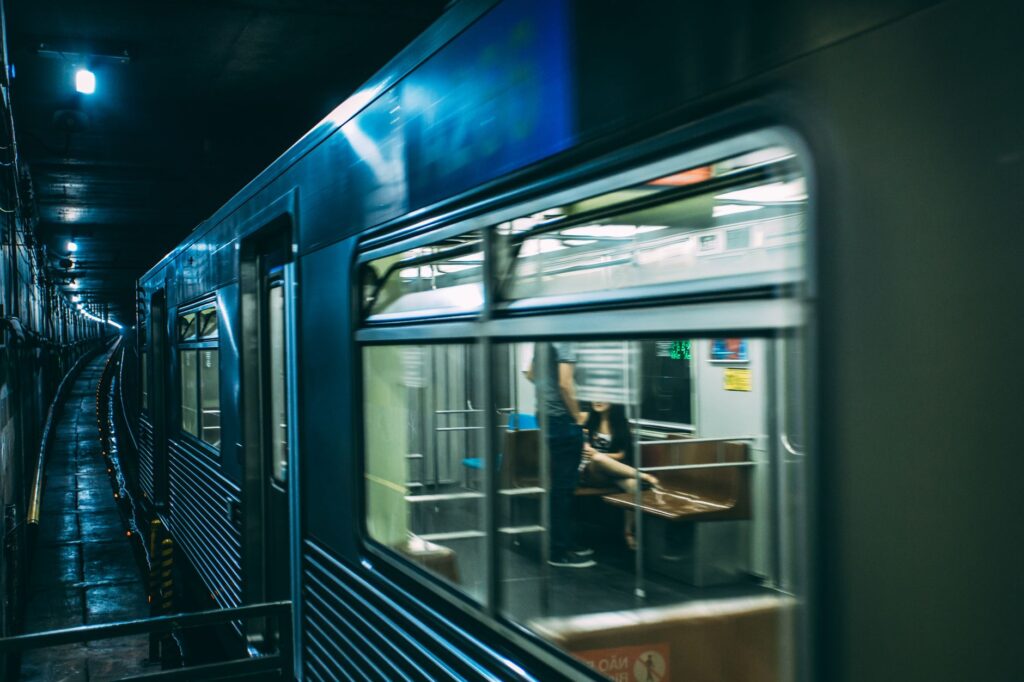
This solution required the development of highly specialized braking systems and strict environmental control and ventilation protocols. Air currents generated by a bullet train traveling at high speed inside such a long and narrow tunnel can compromise the stability of freight convoys traveling in the opposite direction. For this reason, the speed of high-speed trains is controlled as they pass through shared sections, balancing passenger transport efficiency with operational safety and preventive maintenance of the submarine track.
Socioeconomic Impact in Hakodate and the Oshima Peninsula
The formal arrival of high-speed rail at the Hokuto terminal, serving the historic port city of Hakodate, generated profound economic expectations throughout the southern region of Hokkaido. Traditionally considered a peripheral area due to its relative isolation from the financial centers of Tokyo and Osaka, the Oshima peninsula saw this railway corridor as a golden opportunity to revitalize its tourism industry, diversify its economy, and attract new temporary and permanent residents.
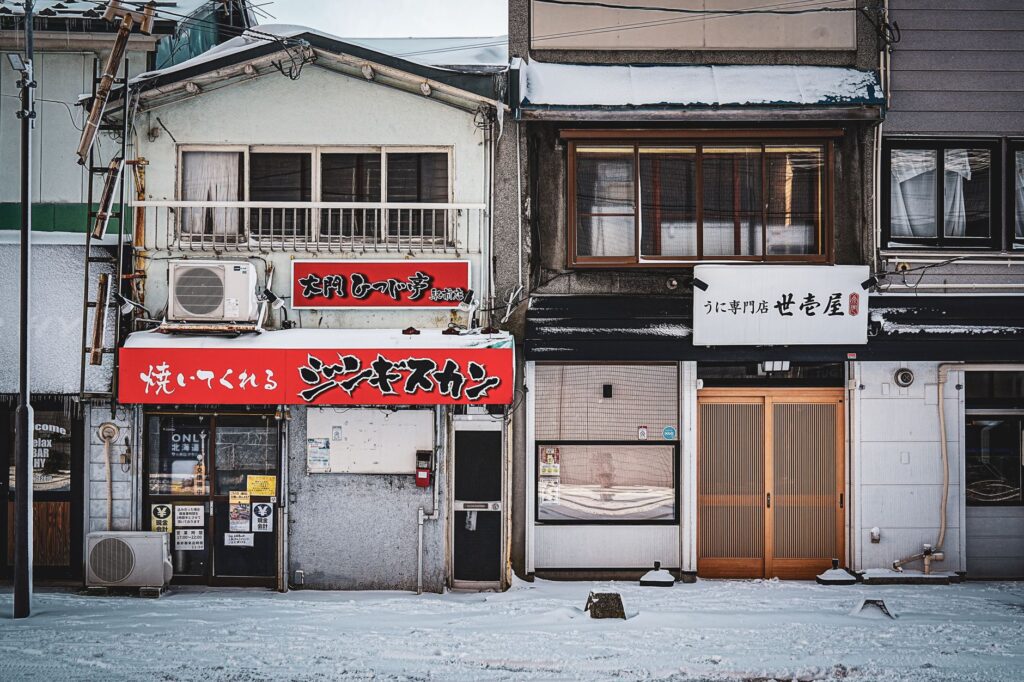
However, economic outcomes have proven nuanced and complex. While the influx of metropolitan visitors increased noticeably in the months following inauguration, local authorities and tourism operators soon realized that the mere existence of a rapid rail line does not guarantee extended stays for travelers. Many tourists choose to make day trips or continue their journeys inland without overnighting in stopover cities. This has forced local communities to rethink their hospitality strategies, betting on authentic cultural experiences, local marine gastronomy, and more efficient intermodal integration between the terminal station and urban and natural attractions.
High-speed rail does not merely shorten kilometer distances; it reshapes the temporal expectations of entire societies, forcing host regions to reinvent their value proposition far beyond mere travel speed.
The Logistics of Arctic Winter: Snow, Ice, and Rail Resilience
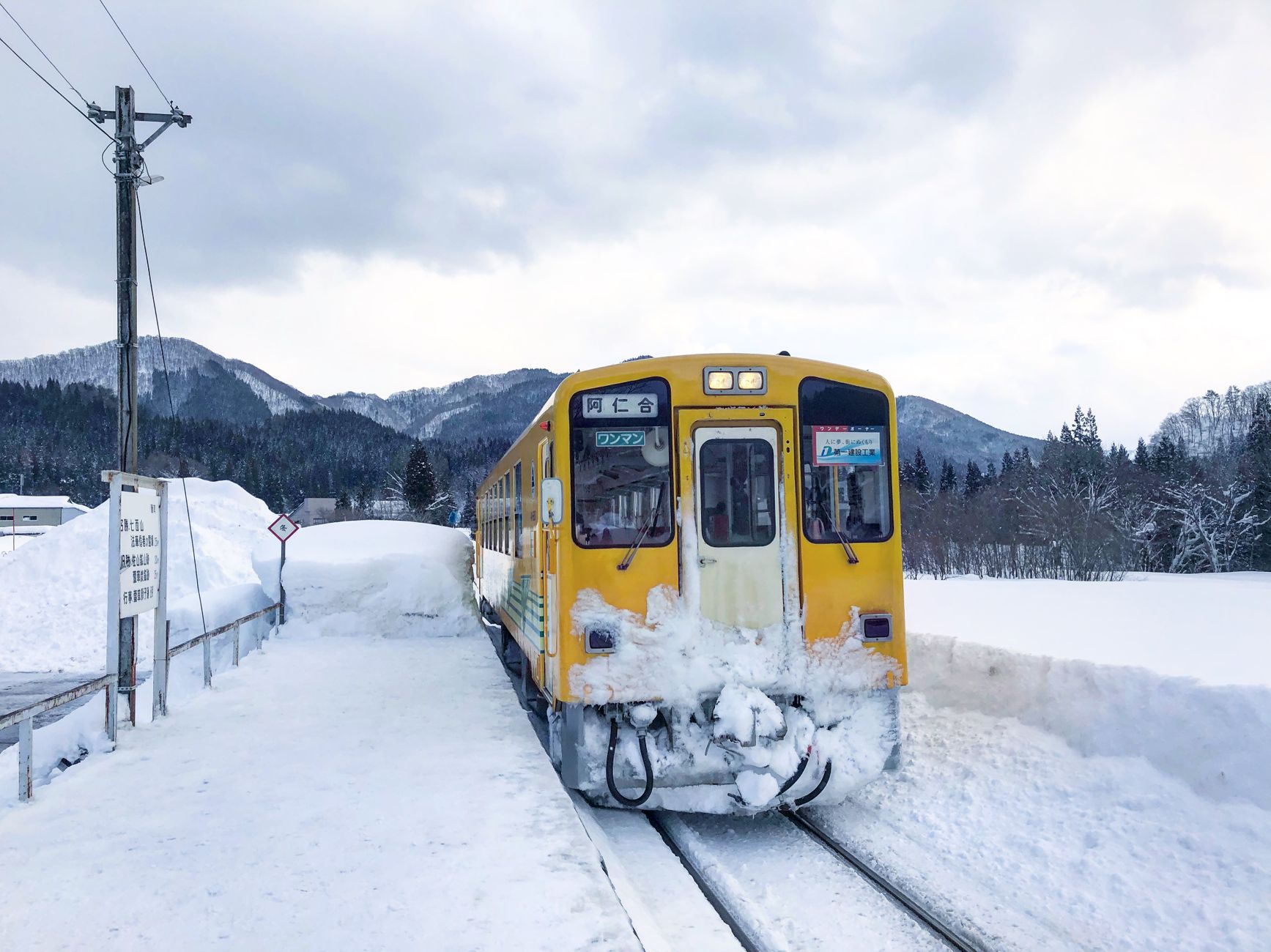
Operating high-speed trains in an environment where snowfall can reach several meters in depth and temperatures drop drastically below zero demands a colossal logistical deployment. Unlike southern regions, where cars can circulate without special thermal protection, the convoys assigned to the northern route incorporate reinforced metal alloys, underfloor heating systems to prevent ice buildup in switch mechanisms, and aerodynamic skirts designed to minimize suction and the impact of compacted snow blocks.
Preventive maintenance work is relentless. During the coldest months of the year, fleets of snowplow trains and crews work during nighttime windows when commercial service is suspended, inspecting miles of tracks exposed to hurricane-force winds blowing from Siberia. System reliability depends on this meticulous discipline; any failure in switches or power supply due to frost formation can paralyze an entire island’s primary mobility artery, affecting thousands of travelers and the punctual transport of fresh food and produce.
Intermodal Integration and the Future Toward Sapporo
The current corridor constitutes merely the first phase of a much more ambitious expansion project aimed at extending the high-speed line northward, directly connecting Hakodate with Sapporo, the economic and cultural capital of Hokkaido. This future extension involves tunneling through new mountain ranges, constructing complex viaducts over river valleys prone to seasonal flooding, and designing intermodal stations that seamlessly connect the bullet train with urban tram systems, local buses, and regional airports.
Intermodal integration represents the true Achilles’ heel and the greatest opportunity for modern mobility in Japan. Urban planners have understood that the railway station must not be an isolated arrival point, but the core of a sustainable transport ecosystem. Scheduling synchronization between high-speed trains and local bus services to the national parks of Daisetsuzan or the Shiretoko Peninsula is essential so that visitors can forgo private vehicles, reducing the carbon footprint of the tourism sector in fragile and highly protected natural ecosystems.
Landscapes in Transition: From Urban Hustle to Northern Taiga
For the observant traveler, the journey aboard the northern bullet train offers an unparalleled lesson in visual geography. The trip begins amid the dense, vertical urban fabric of Honshu’s vast metropolitan area, where skyscrapers and industrial suburbs dominate the horizon. As the convoy accelerates northward, the built density gradually dilutes, giving way to orderly agricultural plains, river valleys flanked by coniferous forests, and finally, the imposing and lonely beauty of the Tsugaru Strait.
Once past the submarine tunnel, Hokkaido’s landscape unfolds with an unmistakable poetic raw beauty. Open fields, snow-covered mountain foothills, and small rural stations evoke a sense of controlled remoteness. This scenic contrast constitutes one of the most subtle attractions of the corridor: the ability to transport the passenger in a few hours from the technological frenzy of the megalopolis to the almost meditative stillness of the subarctic landscapes of the north.

The true luxury of contemporary travel lies in the harmonious transition between opposing geographical realities, allowing the traveler to inhabit radically diverse worlds in the course of a single day.
Practical Information for Travelers and Route Planners
Planning a journey through this high-speed corridor requires understanding the tariff and operational specifics of the Japanese rail system. Unlike other national routes where trains operate with high frequency, the northern section features a reduced number of daily frequencies due to shared operational restrictions in the Seikan Tunnel and the region’s lower demographic density.
Seat Reservations: On most trains crossing toward Hokkaido, seat reservations are mandatory or highly recommended, especially during snow festival seasons and school holidays.
Rail Passes: If utilizing the national Japan Rail Pass, it is essential to verify current coverage conditions for the fastest trains on the route, as certain specific express services may require additional surcharges.
Bulky Luggage: Due to recently introduced regulations for oversized suitcases, passengers transporting baggage exceeding combined dimensional limits must reserve seats with specific luggage space.

Weather Connections: During winter months, it is advisable to check real-time operational status boards, as high winds in open areas and bridges can cause temporary weather delays for safety reasons.
Visual Casing: The Persistence of Travel Over Ice
Japan’s northern railway corridor transcends the merely utilitarian function of mass transport. In a world obsessed with digital immediacy and air travel devoid of territorial context, the experience of crossing the seabed aboard a high-speed train restores the traveler’s awareness of the planet’s physical scale. The steel rails cutting through snow and defying the fury of the Tsugaru Strait symbolize human perseverance against the inclemencies of nature.
Upon arriving at the northernmost terminal station, while snowflakes melt against the polished carriage windows, there remains the certainty that true connectivity is not merely about arriving sooner, but about understanding the vastness and diversity of the territory being traversed. This railway link unites more than just two islands; it sutures with technical precision and landscape sensitivity the multiple realities of a country that has made movement on rails its highest expression of culture and civilization.


