The Paradox of Colombia’s Eastern Borderlands
Norte de Santander, a Colombian department of stunning geographic contrasts stretching from high-altitude Andean paramos to the warm plains of the Venezuelan border, stands at a crucial turning point in its economic history. After decades of relying on border trade and currency fluctuations with Venezuela, the region has turned its gaze toward tourism as a driver of sustainable development. However, transitioning from a transit economy to a consolidated tourism destination is hindered by structural realities that cannot be ignored. Road disconnection, informal service providers, and persistent public safety challenges create a complex scenario where local enthusiasm frequently clashes with environmental and logistical limitations.
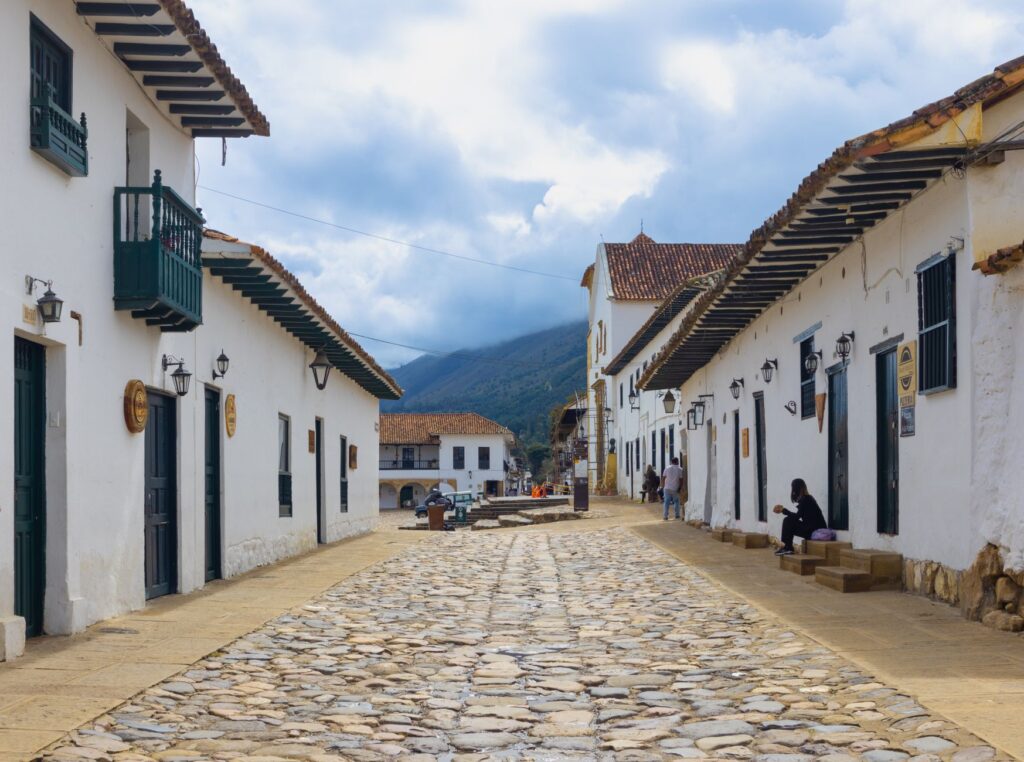
Despite boasting heritage gems such as historic Villa del Rosario—the birthplace of the Great Colombia nation—and the spectacular Tamá National Natural Park, the flow of international and national visitors remains modest compared to other regions in Colombia. Local private sector leaders and authorities agree that the potential is undeniable, but they warn that the lack of a coordinated state policy and large-scale investment in basic infrastructure keeps the department at a competitive disadvantage.
Informality: The Silent Threat to Tourism Quality
One of the most persistent obstacles to the growth of the tourism sector in Norte de Santander is the high rate of informal labor and business operations. According to various local trade association analyses, a significant portion of tour operators, guides, accommodations, and transport services operate outside the National Tourism Registry (RNT). This situation not only creates unfair competition for businesses that rigorously comply with tax and training obligations, but also degrades the visitor experience and compromises safety.

Informality often translates into a lack of standardized quality controls. Tourists who hire unregulated services risk arbitrary pricing, guides lacking proper first aid training or accurate historical knowledge, and accommodations that fail to meet basic health and safety regulations. Combating this phenomenon requires a joint effort that combines strict enforcement with attractive formalization programs. These programs must demonstrate the tangible benefits of entering the legal economy, such as access to credit, technical training, and international promotion platforms.
«Formalization must not be viewed merely as a tax requirement, but as the only viable path to building a trustworthy, safe destination with international standards of hospitality.»
The Infrastructure Deficit: The Journey of Navigating the Territory
The mountainous terrain of Norte de Santander is one of its greatest visual assets, but it also represents one of its toughest logistical barriers. The department’s road infrastructure has historically suffered from chronic underinvestment. Highways connecting the capital city of Cúcuta with high-value historical and scenic destinations—such as Ocaña, Pamplona, or the colonial town of La Playa de Belén (neighboring the unique natural area of Los Estoraques)—face frequent closures due to landslides, geological faults, and poor maintenance.
For the contemporary traveler, travel time and predictability are key factors when choosing a destination. A trip that should geographically take three hours can easily turn into a seven or eight-hour journey under adverse weather conditions. This uncertainty discourages weekend travel and significantly increases operating costs for travel agencies, which must budget for expensive contingencies. Modernizing major road corridors and improving secondary and tertiary roads—essential for rural and community-based tourism—remain critical pending tasks requiring priority attention from the national government.

Security and Perception: Rebuilding Traveler Trust
It is impossible to analyze tourism in this region without addressing the complex reality of public safety. Norte de Santander is home to areas with complex conflict dynamics, such as the Catatumbo region. Although major tourist attractions are located far from the primary flashpoints, the generalized perception of insecurity disproportionately affects the entire department. Travel advisories issued by foreign governments and media coverage focused on public order create a psychological barrier that is difficult for the average tourist to overcome.
Building safe tourism in the region involves implementing secure tourist corridors monitored by public security forces, but above all, strengthening the social fabric of host communities. When local communities become the primary beneficiaries and protectors of tourism, an organic safety net is created that visitors can feel. It is vital to differentiate the realities of the department’s various subregions, actively promoting those municipalities that enjoy peace and are ready to welcome the world.
Unlocking the Border and Catatumbo’s Raw Potential
Despite the difficulties, Norte de Santander possesses resources that many established destinations would envy. The border with Venezuela, historically the most active in Latin America, offers a unique opportunity for integration tourism, shopping, and cultural exchange. With the gradual reopening of border crossings, the possibility of designing binational routes that attract travelers interested in the shared history of both nations opens up once again.
On the other hand, traditionally excluded areas like the foothills of Catatumbo harbor astonishing biodiversity, featuring endemic bird species and tropical rainforests virtually unexplored by science and nature tourism. Birdwatching is emerging as one of the most powerful tools for social and economic transition in these areas, allowing former conflict zones to transform into conservation sanctuaries where local residents find dignified employment as nature guides and forest guardians.
Governance and the Vital Role of the Local Private Sector
Successful tourism development does not happen by chance; it requires solid governance and a long-term vision agreed upon by the public sector, academia, and private entrepreneurs. In Norte de Santander, the tourism business community—composed mostly of micro, small, and medium-sized enterprises (MSMEs)—has demonstrated remarkable resilience. Associations like Cotelco and Anato have led efforts to train staff and promote the destination in national showcases.

However, the lack of continuity in local public policies due to changing departmental and municipal administrations often disrupts long-term planning. Establishing a Departmental Tourism Institute with administrative and financial autonomy is essential. This would ensure the continuity of tourism development plans, help secure national and international funding, and execute consistent, long-term territorial marketing campaigns independent of political cycles.
«Sustainable tourism only thrives when the public sector guarantees infrastructure and security, allowing the creativity and drive of local entrepreneurs to craft memorable experiences.»
Strategic Pathways to Sustainable Transformation
To overcome connectivity challenges and informality, the department must target high-value, low-impact niche markets rather than pursuing mass tourism, which the current infrastructure cannot support. Cultural tourism, historical journeys, high-mountain trekking, and scientific tourism are segments that attract travelers with higher spending power, greater respect for the social and natural environment, and a willingness to adapt to local conditions.
The digitization of tourism offers another key tool. Training rural operators to use digital platforms for direct marketing can dramatically reduce unnecessary middleman costs and lower de facto informality. Similarly, implementing environmental quality and sustainability certifications can position Norte de Santander as a responsible destination, aligning with global post-pandemic travel trends.
The Conscious Traveler’s Guide: Navigating Norte de Santander Today
For travelers determined to discover the hidden treasures of this department, informed planning is the key to a rewarding journey. Exploring this region of Colombia requires respect, flexibility, and a genuine desire to connect with local communities working daily to transform their reality through hospitality.
- Route Planning: Before traveling by road to municipalities like Ocaña or Pamplona, always check road conditions with the Highway Police (dial 767) due to unpredictable weather impacts.
- Choosing Formal Services: Ensure that any agency, guide, or lodging you hire holds an active National Tourism Registry (RNT) number. This ensures safety standards and directly supports the region’s formal economy.
- Must-Visit Destinations: Do not miss the historic center of Villa del Rosario, the main square of Pamplona with its colonial architecture and religious art museums, and the breathtaking rock formations of Los Estoraques in La Playa de Belén.
- Environmental Respect: Many natural areas, such as the Santurbán Paramó, are fragile ecosystems. Always hire certified local guides and pack out all trash during your treks.
Tourism in Norte de Santander is at a decisive crossroads. The challenges of infrastructure, informality, and security are real and demanding, but the natural wealth, irreplaceable historical heritage, and unwavering warmth of its people provide a solid foundation for a prosperous future. With committed state investment and strong industry coordination, this corner of eastern Colombia is set to become one of South American tourism’s best-kept and most valued secrets.
Source: laopinion.co