The New Paradigm of the Nordic Earth
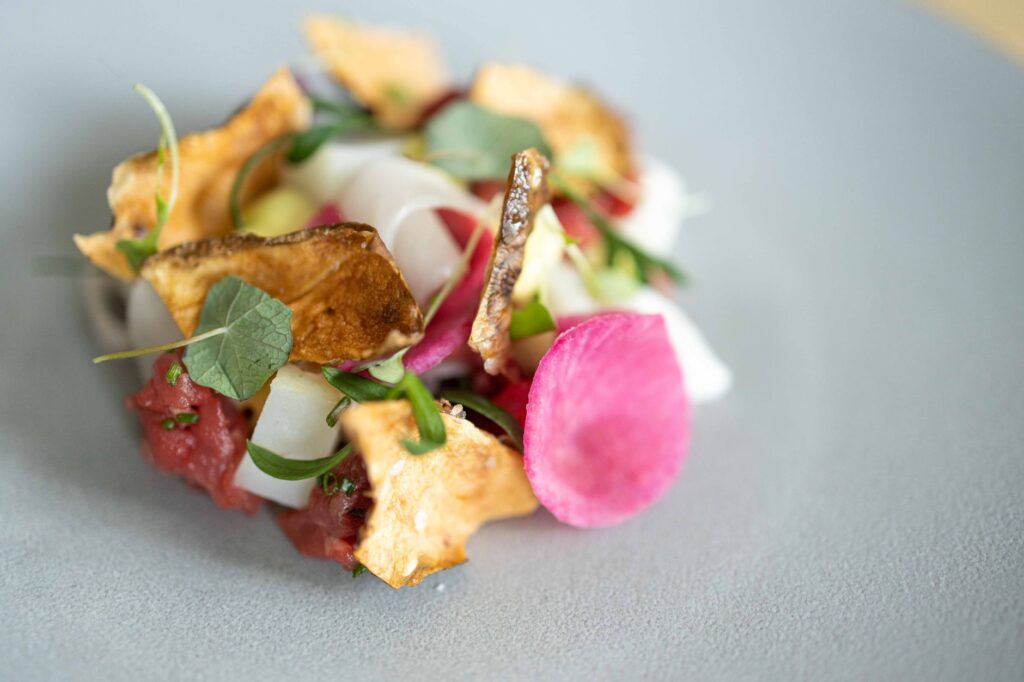
For decades, international haute cuisine was built upon a rigid culinary hierarchy: animal protein—whether a marbled cut of meat, a noble fish, or select seafood—occupied the undisputed center of the plate. Vegetables, meanwhile, were relegated to a secondary role as decorative accompaniments, mere aesthetic and nutritional fillers that completed the composition without altering its core meaning. However, in Northern Europe, and most notably in Denmark, this established order has undergone one of the most radical transformations in modern culinary history. Today, vegetables no longer wait at the margins of the dish; they have taken absolute control of the culinary discourse, becoming the narrative axis upon which cutting-edge tasting menus are built.
This phenomenon is not a passing fad driven by global wellness trends, but rather a profound, almost philosophical evolution rooted in the renovation sparked by the new Nordic cuisine movement. Supported by a network of local farmers, food scientists, and foragers, Danish chefs have realized that true sophistication in the twenty-first century lies in precision, absolute respect for natural cycles, and the ability to extract complex flavors from elements once considered humble. The Danish soil—cold, damp, and demanding—yields a vegetable pantry endowed with a unique natural acidity and minerality, qualities that chefs have learned to decode to elevate the produce category to the pinnacle of international gastronomy.
The Demystification of Meat-Based Luxury
The paradigm shift in Denmark stems from a critical revision of the concept of luxury at the table. Traditionally, culinary luxury was associated with the scarcity of exotic, expensive, or distant ingredients: truffles, caviar, foie gras, or specific cuts of animals raised on special diets. In the current Danish gastronomic landscape, this notion has been completely deconstructed. True luxury is no longer what crosses continents to reach a plate, but what possesses an unmistakable territorial identity and a responsible environmental impact. In this new order, a turnip harvested at its optimal point of maturity after the first frosts, or a white asparagus treated with meticulous aging techniques, can far surpass the gustatory complexity of any animal protein.
This reorientation has demanded a titanic technical effort from cooks. While cooking a piece of meat requires mastering cooking points and Maillard reactions, working with vegetables as absolute protagonists requires a deep understanding of botany, fermentation, dehydration, and juice extraction. Vegetables demand extreme sensitivity, lacking the intramuscular fat that provides roundness and persistence on the palate to animal proteins. To compensate for this absence without resorting to artifice, Danish restaurants have recovered and perfected ancestral preservation methods, applying scientific techniques to boost the natural umami of roots, leaves, and stems.
The Field Laboratory: Regenerative Agriculture and Mycelium
Behind every vegetable dish that triumphs on the menus of Copenhagen and the rural areas of Jutlandia lies intense agronomic work. Chefs no longer buy solely from industrial distributors; they work hand in hand with regenerative agriculture projects seeking to restore the biodiversity of Danish soils. Ancient varieties of grains, forgotten tubers, and leafy greens that had disappeared from commercial markets due to low yields or irregular appearance are now cultivated. This close collaboration guarantees that the produce reaches the kitchens with unsurpassed organoleptic vitality.
Furthermore, experimentation with fungi and mycelium has become one of the most powerful tools of this vanguard. Through the use of koji and other fungal fermentation agents, chefs manage to transform the texture and aromatic profile of hard vegetables, generating dense broths, unctuous sauces, and emulsions that rival the depth of traditional dark meat stocks. Mycelium acts as an invisible bridge that endows the plant world with surprising meatiness and texture, completely shattering the preconceived notion that eating vegetables is synonymous with lightness or insipidity.
Technique at the Service of Extreme Seasonality
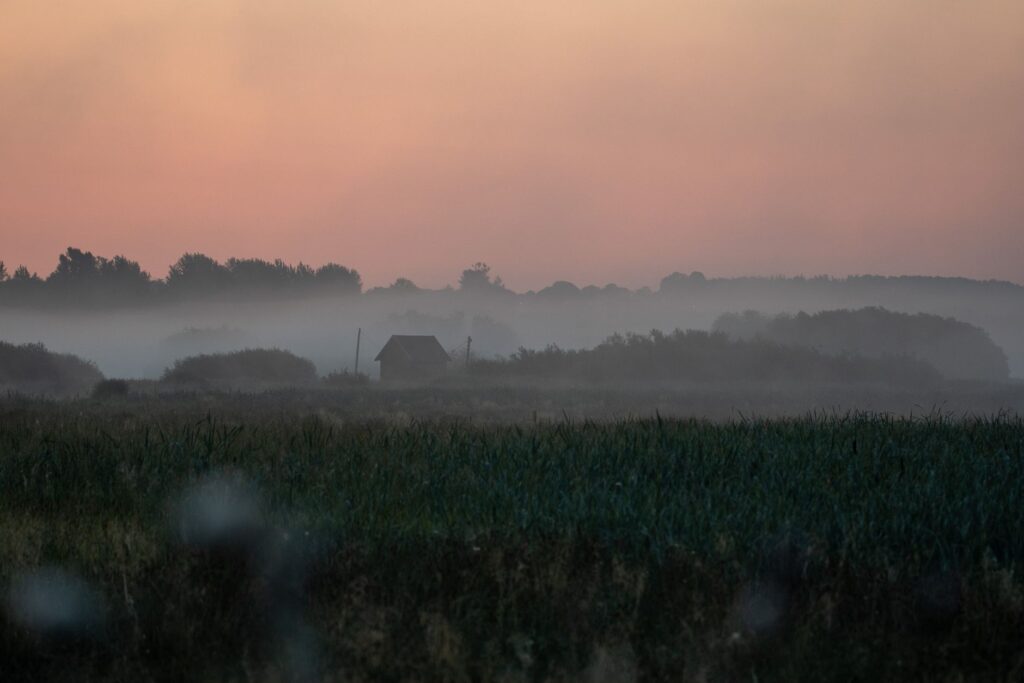
Denmark’s climate imposes a severe seasonal tyranny. Winters are long, dark, and geographically restrictive, forcing the local population for centuries to master the art of preservation to survive the lean months. Today, this climatic limitation has transformed into the greatest source of creativity for the country’s haute cuisine. Chefs have turned extreme seasonality into an exercise in technical virtuosity, where each time of year dictates a radically different script that admits no repetition.
During spring, the focus shifts toward tender shoots, wild leaves, and the first herbs emerging after the thaw. In summer and early autumn, an explosion of wild berries, dense roots, and edible flowers floods the kitchens. And when winter arrives, fermented, pickled, smoked, and dehydrated products from the months of abundance come into play. This closed cycle proves that Danish vegetable cuisine is not a laboratory whim, but a faithful reflection of its natural environment, an exercise in culinary honesty where time and climate dictate the menu.
Cultural Impact and the Shifting Consumer
The transformation of vegetables in Denmark transcends the walls of high-end gastronomic restaurants; it has deeply permeated the country’s society and food culture. Danish consumers today show a level of demand and knowledge regarding the origin of their food that is markedly superior to a decade ago. Sustainability has ceased to be a marketing argument and has become an unquestionable standard of quality. If an ingredient is not seasonal, local, or produced under ethical criteria, it automatically loses its market appeal.

This cultural shift has also forced the mid-range and casual restaurant industry to reinvent itself. The menus of urban bistros and cafés reflect this trend, offering plant-based options that steer away from the classic boring salad or the combination plate of sautéed side dishes. Creativity is no longer exclusive to high-priced tasting menus, but permeates the entire food chain of the country, democratizing a more conscious, healthy way of eating connected to the planet’s rhythms.
The Role of Great Referents and Generational Handover
It is impossible to understand this phenomenon without analyzing the breeding ground generated by the so-called new Nordic cuisine, although the current focus has shifted significantly. While global pioneers put Copenhagen on the world gastronomy map by proving that local territory could compete with any classical culinary tradition, the current generation of chefs has decided to go a step further, drastically reducing or completely eliminating reliance on meat and fish in their most ambitious proposals.

These new talents, trained in the world’s best kitchens, return to their roots with a critical eye toward the ecological impact of intensive livestock farming. For them, the true creative challenge does not consist in replicating meaty textures through ultra-processed substitutes—such as textured soy lasagnas or industrial plant-based burgers—, but in celebrating the vegetable for what it is in itself, respecting its anatomy, fibrous texture, and original color palette through precise cooking, wood-fired roasting, and subtle marinades.
Gastronomic Criticism and Future Outlook
International critics visiting Denmark agree that the experience of a vegetable menu in the Nordic country offers a sensory roller coaster comparable, and occasionally superior, to traditional carnivorous temples. The lightness felt upon leaving these restaurants, combined with the aromatic complexity of the dishes, marks a definitive break with the heaviness historically associated with classical haute cuisine. Satiety is no longer sought through heavy animal fat, but through intellectual and sensory stimulation via perfectly balanced acidic, bitter, sweet, and umami notes.
Looking to the future, the Danish model consolidates itself as a beacon for global gastronomy. As pressure on the planet’s natural resources increases and awareness of the carbon footprint of livestock spreads, Denmark’s experience proves that it is possible to offer top-tier cuisine without compromising the environment’s future. Vegetables have definitively conquered the center of the plate, and all indications suggest this shift is irreversible.

Practical Information and Tips for the Gastronomic Traveler
Planning a gastronomic trip to Denmark focused on vegetable vanguard requires keeping in mind several fundamental operational guidelines to ensure a smooth and satisfying experience:
- Advance Reservations: Copenhagen and rural restaurants specializing in vegetable and seasonal cuisine often book out months in advance. It is essential to check opening calendars and reserve as soon as official windows open.
- Seasonal Flexibility: Since the produce dictates the menu, offerings change drastically from week to week based on field availability. It is advisable to trust the sommelier and chef’s judgment rather than arriving with expectations of fixed dishes.
- Transport and Location: Although most gastronomic temples are concentrated in Copenhagen, some of the most interesting regenerative agriculture and farm-to-table proposals are found in rural Jutlandia and smaller islands. Renting a vehicle or planning train routes carefully is essential.
- Allergies and Dietary Restrictions: Despite focusing on vegetables, many menus use fish broths, high-quality dairy, or gluten-containing grain fermentations. It is fundamental to communicate any strict intolerances during the reservation process.
The true evolution of cuisine is not measured by the complexity of its artifice, but by its ability to listen to the earth and return the spotlight to the essential.
Ultimately, the gastronomic journey through green Denmark is much more than a succession of memorable culinary experiences; it is an immersion in a new way of understanding our relationship with nature. Far from the noise of passing trends, Danish chefs have proven that the future of flavor is cultivated in silence, beneath the surface of soil cared for with tenderness and respect.
Eating vegetables in Danish haute cuisine is no longer a restrictive option or a dietary alternative, but the pinnacle of contemporary culinary creativity.
Source in EN: Falstaff