
Origins and Geography of the Eastern Borough
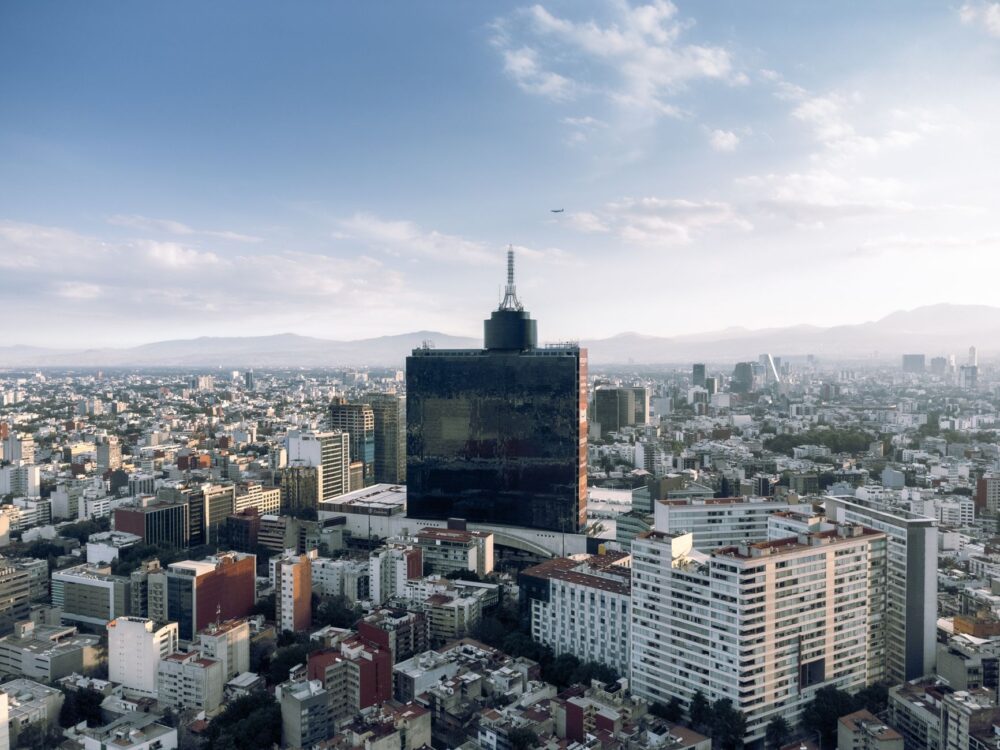
Situated in the eastern sector of Mexico City, the borough of Iztapalapa extends across a landscape shaped by its lacustre past and impressive volcanic relief. Dominated historically by the silhouette of the Cerro de la Estrella and the Sierra de Santa Catarina, the territory has undergone profound transformations from pre-Hispanic times to the present day. The ancient lakeside settlements that once harnessed the resources of the Chalco and Xochimilco lakes gave way, over the centuries, to a dense and complex urban fabric. With a population exceeding one million eight hundred thousand residents, the area represents one of the most significant demographic hubs in the country, where historical memory coexists daily with the urban challenges of the twenty-first century.
The physical environment of the borough rises to an average altitude of two thousand two hundred and thirty-eight meters above sea level. The surrounding volcanic elevations not only define the visual landscape of the valley but also act as silent witnesses to the geological evolution of the Mexico basin. In these enclaves, the interaction between the natural environment and human intervention has generated a delicate balance. Current conservation policies seek to rescue the environmental value zones that still persist amidst the asphalt, recognizing that the protection of volcanic soils and scarce native vegetation remnants remains essential for guaranteeing the future habitability of the territory.
The urban configuration of Iztapalapa is distinguished by remarkable heterogeneity. Alongside popular neighborhoods consolidated over decades of self-construction, newly renovated public spaces and recently created green areas strive to mitigate the historical deficit of environmental infrastructure. Local residents participate actively in defending their community spaces, organizing cleanup brigades, environmental education workshops, and urban flora and fauna censuses. This neighborhood commitment constitutes the true engine of local governance, demonstrating that sustainability does not depend solely on top-down governmental decisions, but equally on everyday social fabric.
The Historical Heritage of Cerro de la Estrella
Gazing upwards in the geographical center of the borough inevitably leads to the Cerro de la Estrella, a space where archaeology, colonial history, and popular traditions intertwine in a unique manner. This volcanic promontory, known anciently as Huizachtépetl, hosted the New Fire ceremony during the Mesoamerican period—a foundational ritual for the peoples of the central highlands that marked the end and beginning of a fifty-two-year cycle in the pre-Hispanic calendar. Today, archaeological remains scattered across its slopes recall the sacred significance this site held for original civilizations.
Beyond its archaeological value, the Cerro de la Estrella functions as the most significant ecological lung of the eastern metropolitan area. Local authorities and various scientific research groups have implemented rigorous programs to protect its vegetative cover, composed primarily of xerophytic scrub species and historical eucalyptus and pine reforestations. These conservation efforts face constant challenges, ranging from real estate pressure to forest fires during the dry season. Nevertheless, community surveillance and the establishment of interpretive trails have helped raise visitor awareness regarding the fragility of this protected ecosystem.
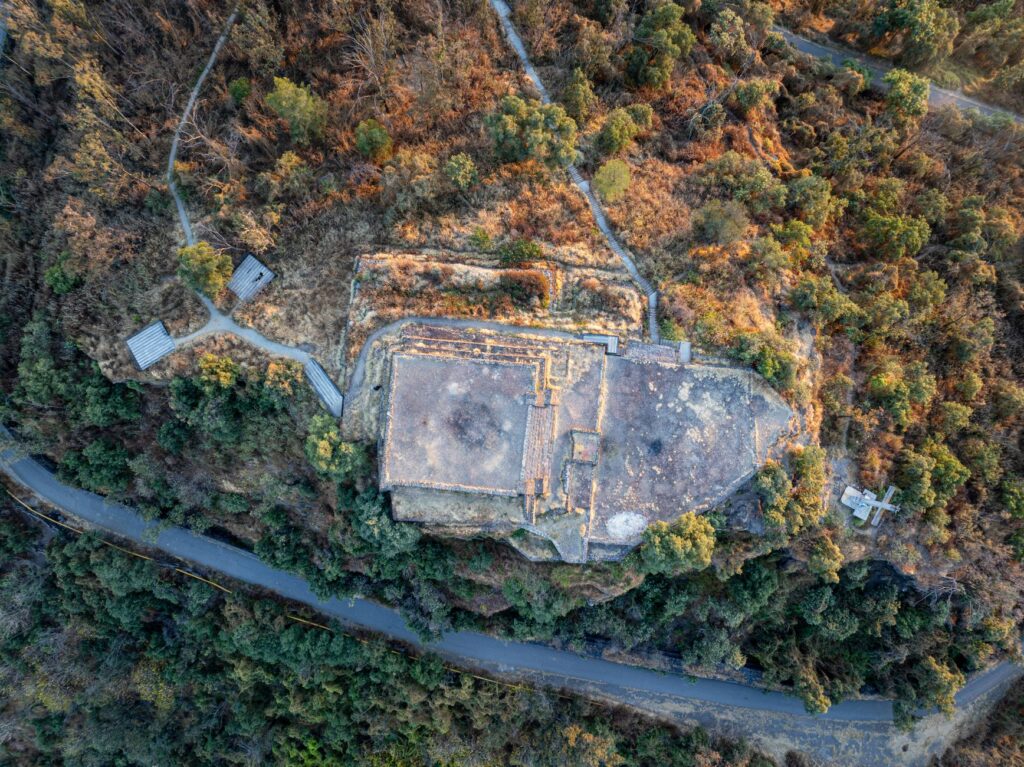
The annual celebration of Christ’s Passion, deeply rooted in the traditional neighborhoods of Iztapalapa for over a century and a half, also finds its main stage on the lower slopes of this hill. This festivity, declared intangible cultural heritage, mobilizes millions of people and demands complex logistical and environmental coordination to ensure the massive influx of the faithful does not degrade the natural surroundings. Careful waste management, the protection of wooded areas during peak concentration days, and ongoing dialogue between traditional organizers and environmental institutions exemplify a uniquely participatory form of governance.
Water Challenges and Sustainable Resource Management
Water has defined the history of this region since the days when Aztec canals crisscrossed the lacustre landscape. Today, the supply and management of water resources constitute one of the most complex problems facing the borough. Due to the historical overexploitation of the Valley of Mexico aquifer and the geological characteristics of the soil, Iztapalapa experiences significant challenges related to differential subsidence and fluid availability. The pursuit of technical and social solutions has become a priority for university researchers and public agencies, who promote alternatives focused on rainwater harvesting and aquifer infiltration.
In recent years, various community and institutional initiatives have installed rainwater harvesting systems in schools, residences, and public spaces throughout the borough. These projects demonstrate that reducing reliance on external sources through the direct capture of precipitation during the rainy season is entirely feasible. Likewise, the rehabilitation of surface water bodies and the creation of artificial wetlands have begun to transform how the community interacts with water resources, fostering a culture of shared responsibility and household conservation.
Water conservation in the eastern metropolis is not merely a matter of technical infrastructure, but an ethical challenge requiring the active participation of every community and the recognition of natural basin limits.
The role of citizen science in this arena has been fundamental. Local collectives conduct periodic water quality monitoring in community cisterns and participate in workshops on ecological sanitation. These actions yield verifiable data that complement official technical studies, offering a more precise overview of the water situation in each neighborhood. Thus, water management in Iztapalapa evolves toward a decentralized model, where citizens shift from passive consumers to key actors in resource protection.
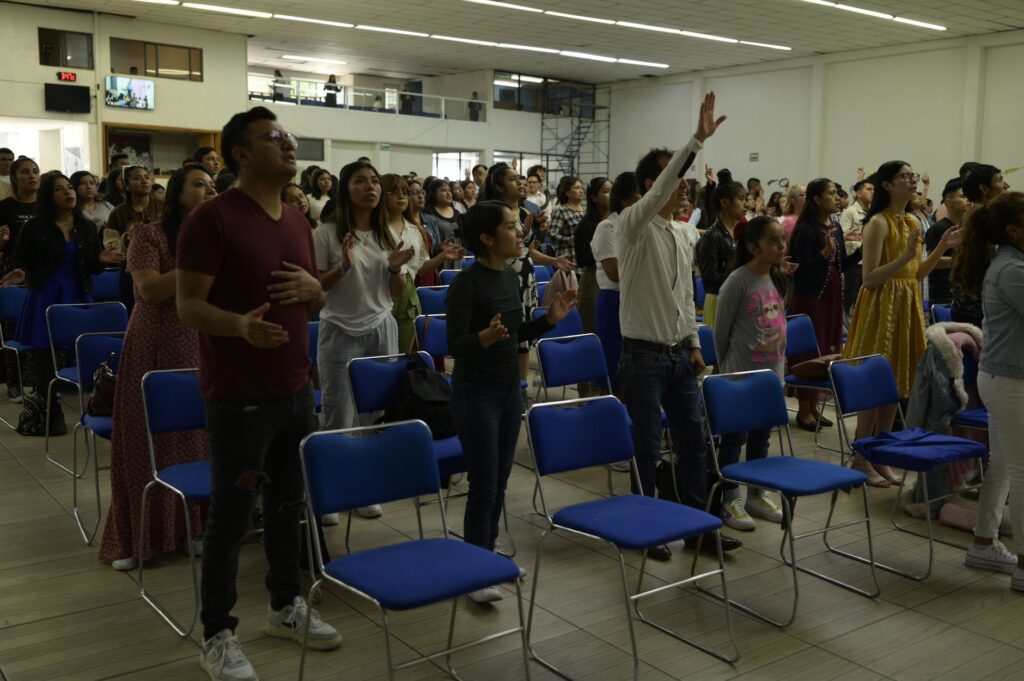
Urban Biodiversity and Ecological Corridors
Despite the intense urbanization characterizing the metropolitan zone, Iztapalapa harbors surprising biodiversity surviving in urban parks, median strips, and reserve zones. Biology specialists and local volunteers have documented the presence of numerous migratory and resident bird species, as well as essential pollinators such as wild bees and butterflies. The creation of pollinator gardens in public spaces has multiplied remarkably, turning small concrete quadrants into flowering refuges that ecologically connect highland areas with interior urban parks.
These biological corridors fulfill an indispensable function in maintaining the resilience of local ecosystems against climate change and the urban heat island effect. Academic institutions collaborate closely with residents to identify which native plant species offer higher survival rates and greater attraction for local fauna. This synergy between scientific knowledge and popular wisdom ensures that reforestation and green area maintenance efforts respond to solid ecological criteria rather than mere aesthetic choices.
Urban wildlife protection has also required awareness campaigns concerning responsible pet ownership and respect for free-roaming fauna. Neighborhood committees organize informative sessions to explain the importance of avoiding the introduction of invasive species and preserving remaining natural habitats. Through these measures, the borough steadily advances toward a model of harmonious coexistence between urban development and nature conservation.
Traditional Markets and Food Sovereignty
The economic and cultural pulse of Iztapalapa beats strongly within its traditional markets, spaces where culinary knowledge and local commerce networks sustaining community food sovereignty are preserved. Venues such as La Purísima market or the traditional central supply market—which, although located on the border with the neighboring borough, daily supplies much of the local population—reflect the richness of agricultural produce arriving from central Mexico’s rural zones. Here, seasonal products and native varieties of maize, chiles, and vegetables continue to occupy a central place in the daily diet.
Vendors and small producers play a crucial role in the borough’s circular economy, fostering proximity consumption and reducing the carbon footprint associated with food transport. In recent years, various collectives have promoted urban agriculture initiatives on rooftops and vacant lots, reviving traditional cultivation techniques such as the milpa in confined spaces. These practices not only diversify fresh food sources but also strengthen community fabric by encouraging the exchange of seeds and knowledge among neighbors of different generations.
The traditional market is much more than a commercial exchange point; it constitutes the living archive of food memory and the space where the community reaffirms its collective identity day after day.
The relationship between markets and sustainability also manifests in organic waste management. Several supply centers have implemented pilot programs for separating and valorizing vegetable scraps, transforming them into compost subsequently used in the borough’s green areas and urban gardens. This closed nutrient loop exemplifies how traditional market wisdom can successfully integrate with modern circular economy strategies and environmental impact mitigation.
Modern Architecture and Renovated Public Spaces
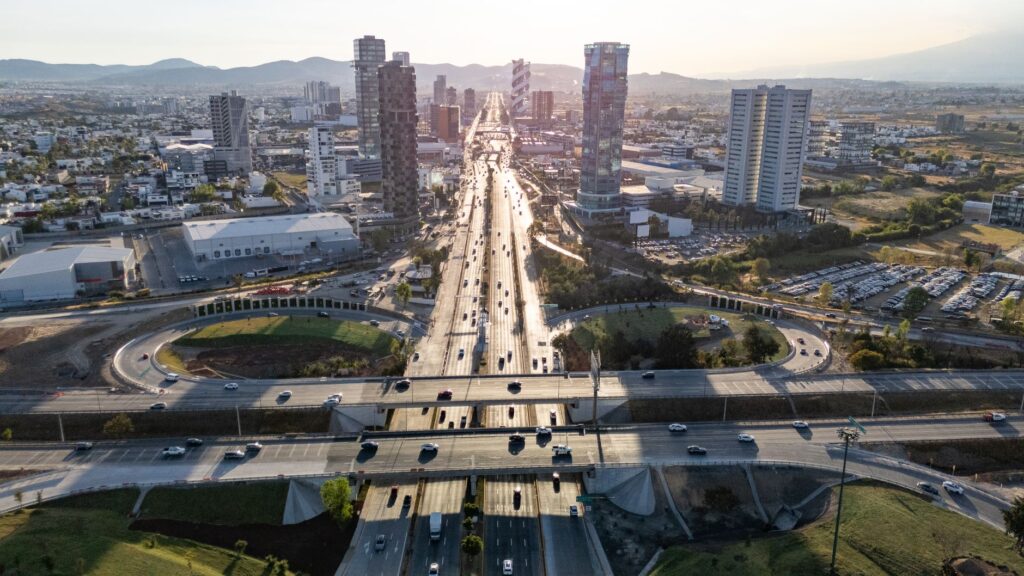
The urban landscape of Iztapalapa has undergone a profound architectural renewal in recent years, geared toward public space recovery and social inclusion. The construction of large linear parks, community centers equipped with cultural infrastructure, and innovative public transport systems has radically transformed the mobility and quality of life for thousands of residents. These works seek not only to resolve functional challenges of connectivity and recreation, but also to endow various neighborhoods with focal points of identity and community pride.
Among the most prominent interventions are spaces designated for culture and sports, designed under criteria of energy efficiency and universal accessibility. The use of local materials, low-consumption lighting systems, and the integration of green roofs in new public buildings reflect a growing commitment to sustainable architecture. Residents participate in defining the uses of these spaces through public consultations, ensuring facilities effectively respond to real community needs.
Furthermore, the integration of artistic elements and monumental murals in public spaces has redefined the borough’s urban aesthetics. These visual expressions narrate local history, pay homage to traditions, and make visible the daily struggle of inhabitants for a fairer and greener environment. Architecture and urban design in Iztapalapa thus become instruments of social transformation, demonstrating that environmental beautification and sustainability can advance hand in hand.
Citizen Science and Community Environmental Monitoring
The active participation of inhabitants in scientific research has consolidated itself as one of the most powerful tools for environmental defense in Iztapalapa. Through training workshops organized by universities and research centers, residents learn to employ standardized methodologies to measure key variables such as air quality, surface temperature, and soil pollutant presence. This network of local observers collects continuous data that prove essential for evaluating the effectiveness of public environmental mitigation policies.

Citizen science committees organize periodic flora and fauna recording expeditions, utilizing open-science digital platforms to document biodiversity across hills and urban parks. These records not only enrich national and international scientific databases but also enable the community to detect potential threats to local ecosystems early—such as illegal logging, unauthorized dumping, or forest pests. The information generated thus strengthens response capacity against ecological emergencies.
Horizontal collaboration between academic scientists and local residents fosters a culture of shared responsibility transcending strictly environmental realms. By understanding firsthand the ecological processes sustaining their environment, inhabitants develop a deeper sense of belonging and greater willingness to adopt sustainable practices in daily life. This participatory governance model demonstrates that science and community form an indispensable alliance for the future of the eastern metropolis.
Practical guide
How to get there: Access to the borough from various points in Mexico City is efficiently managed via the collective metro transport network, particularly through lines connecting the center with the east. Additionally, elevated trolleybus systems and metropolitan bus routes offer frequent connectivity options.
When to visit: Any time of year is suitable for exploring the borough’s public spaces and parks, though spring offers optimal conditions for observing blooms within protected natural areas. For witnessing traditional cultural expressions, the Easter season brings together the most significant festivities of the year.
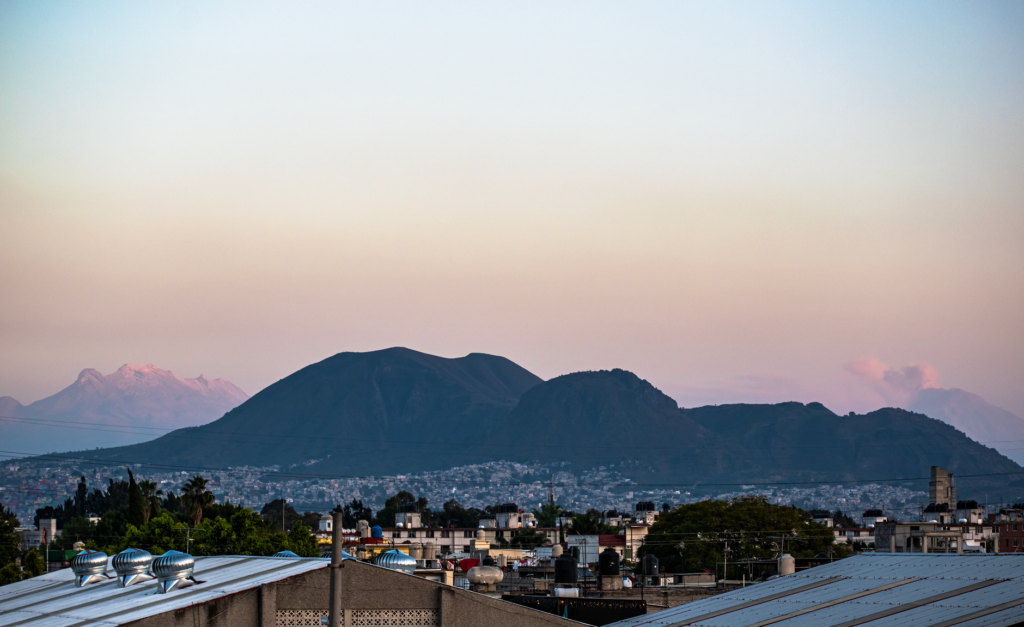
Itinerary recommendations: Visitors are advised to allocate at least two days to leisurely explore historical and environmental points of interest, beginning at the slopes of Cerro de la Estrella and continuing toward renovated urban parks and traditional markets.
Local respect guidelines: Following instructions from community authorities and environmental protection committees when exploring protected natural areas is essential, always avoiding waste accumulation and respecting native flora and fauna.
The Green Pulse Beating in the East
The collective effort to revitalize Iztapalapa’s natural and social environment reveals a facet frequently overlooked by conventional tourist circuits. Beneath the urban density and the dynamism of its streets lies a tenacious network of residents, researchers, and collectives defending every square meter of volcanic soil, every urban tree, and every drop of water. This daily commitment demonstrates that sustainability in large metropolises is not an unreachable utopia, but the result of steady, shared work.
Walking through these neighborhoods makes it clear that local identity is not static within history books, but in constant construction through the daily decisions of its people. From protecting archaeological heritage to creating urban gardens and monitoring biodiversity scientifically, the community charts its own path toward climate resilience. At the end of the journey, the certainty remains that the true value of this territory lies in its capacity to reinvent itself without losing the memory of its roots.