
Hastings and the Heretaunga Basin: Wetlands, Waterways, and Biodiversity on the Plains of New Zealand
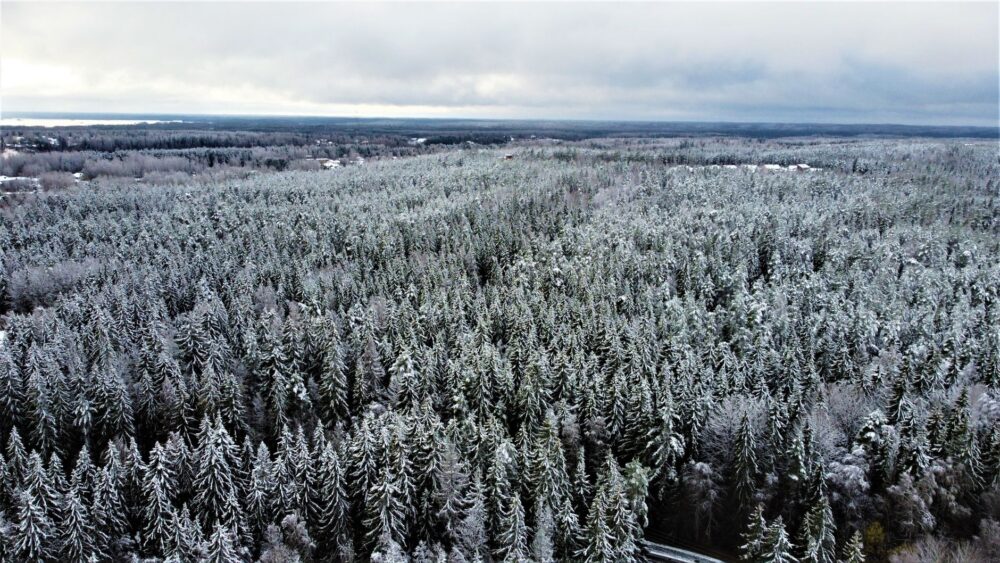
The Hawke’s Bay region, situated on the eastern coast of the North Island of New Zealand, is a territory shaped by fluvial dynamics and the accumulation of alluvial sediments. At the heart of this landscape lies the city of Hastings, nestled within the vast Heretaunga Plain. This plain is not only a critically important agricultural center, but also a complex hydrogeological basin where groundwater flows through ancient gravel deposits formed by the Ngaruroro and Tutaekuri rivers. The average elevation of the municipality, located just nineteen meters above sea level, facilitates a constant interaction between surface currents and water tables, creating a unique hydrological equilibrium that sustains both native vegetation and low-impact human activities.
The subsoil of the area acts as a gigantic natural sponge. The rivers descending from the interior ranges toward Hawke’s Bay have deposited alternating layers of sand, silt, and rounded stones over millennia. This porous substrate allows for rapid aquifer recharge, a vital phenomenon for local ecosystems during the drier months of the austral summer. The flat topography, occasionally interrupted by tertiary-origin hills that delimit the valley, generates temperate microclimates where moisture retained in the soil favors the development of plant communities adapted to seasonal saturation and fluctuations in the water table.
Aquatic Ecosystems and Native Flora Along River Margins
Along the waterways crossing the Hastings district, riparian vegetation plays an irreplaceable ecological role. Although much of the valley has been transformed by human intervention over the centuries, the surviving fragments of native riverine forest harbor essential plant species for bank stability. Among them stand out tree ferns, the kahikatea or New Zealand white pine, and various species of rushes and sedges that colonize temporarily flooded zones. These plants not only anchor clay soils and reduce erosion during winter floods, but they also act as natural filters that retain nutrients and sediments before they reach the main channels.
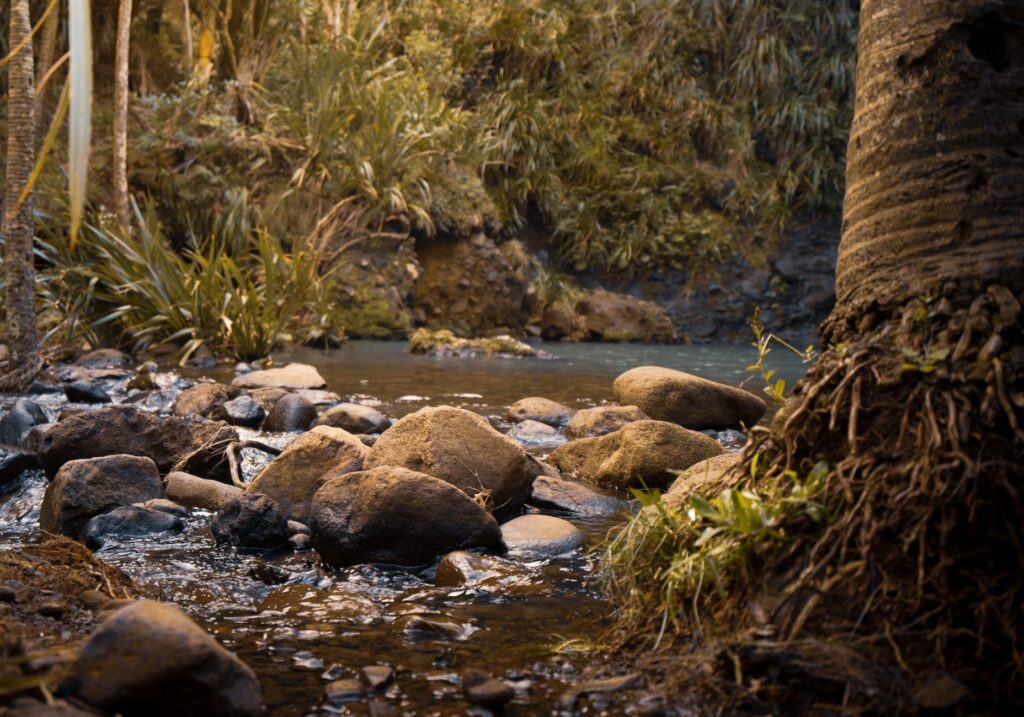
The botanical biodiversity of these green corridors contrasts with the uniformity of the surrounding grasslands. The submerged roots of riparian vegetation provide shelter and spawning grounds for aquatic invertebrates, a fundamental basis of the local trophic chain. Likewise, maintaining a dense vegetative cover on both sides of the streams helps regulate water temperature, a critical factor for the survival of native fauna inhabiting these watercourses. The interaction between native plant species and the plain’s hydrological regime constitutes a living testimony to ecological resilience in the face of modern environmental pressure.
Hydrological Dynamics and Connectivity in Watercourses
The relationship between surface flows and the subsoil in Hastings shapes a dynamic network of interconnected wetlands and streams. Seasonal changes in precipitation within the New Zealand territory determine significant variations in the volume of water carried by the plain’s main channels. During periods of higher rainfall, controlled overflows allow the temporary inundation of secondary floodplains, a fundamental process that recharges local aquifers and renews available nutrients in the soil. This alternation between saturation phases and partial desiccation fosters the proliferation of specialized microorganisms and aquatic plants that act as natural carbon sinks and purify water before it reaches the marine outlet.
The management of these watercourses requires an integrated approach considering both the supply needs of coastal communities and the preservation of aquatic habitats. Historical human interventions in river channels have partly altered the original morphology of the rivers, but current renaturalization programs seek to restore the sinuosity and structural complexity of the margins. By reestablishing the longitudinal and lateral continuity of rivers, the movement of native fish species is facilitated, and the overall resilience of the ecosystem is increased against extreme weather events, which are increasingly frequent in the region.
Avifauna and Wildlife in the Rural and Coastal Landscape
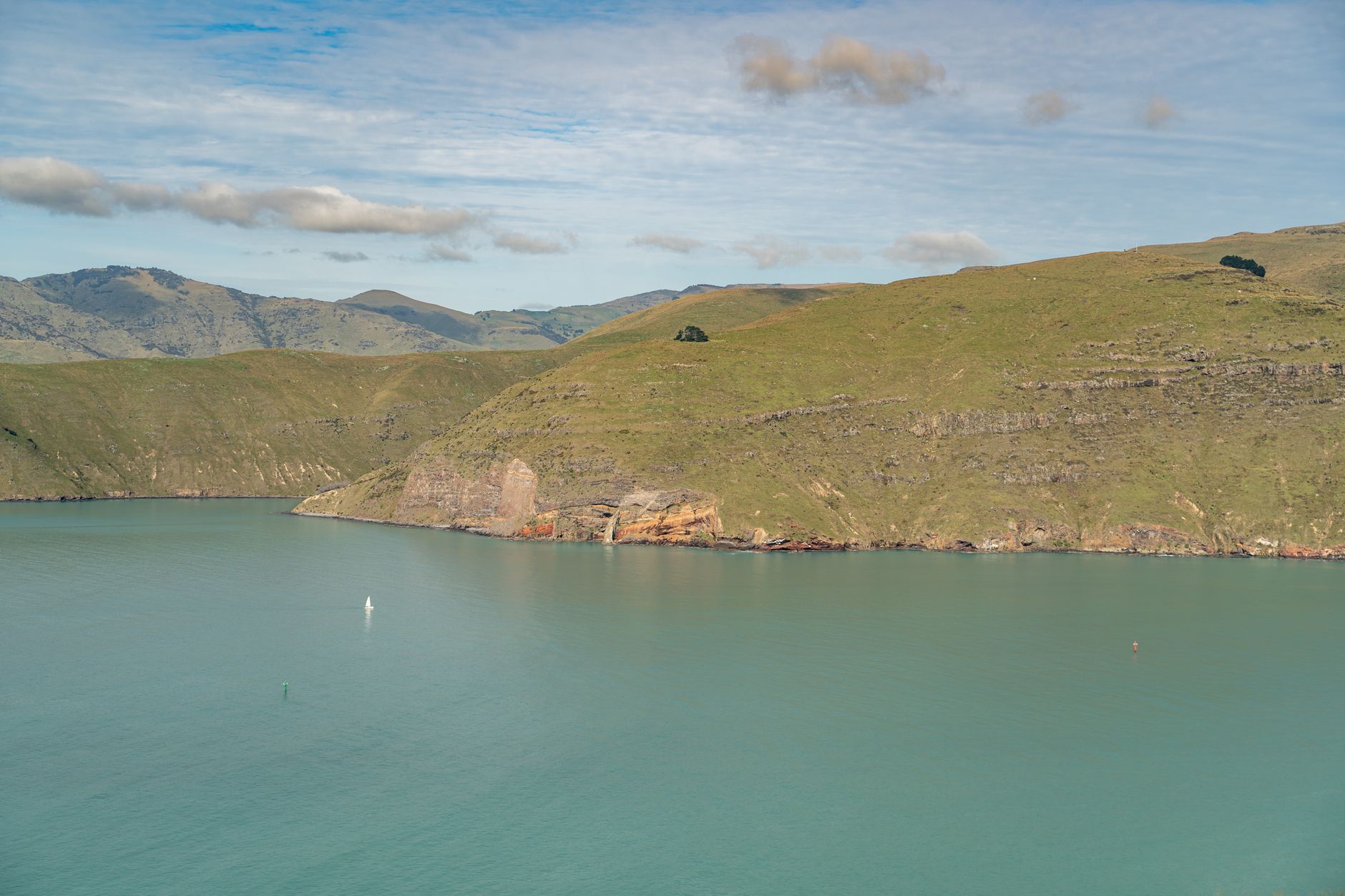
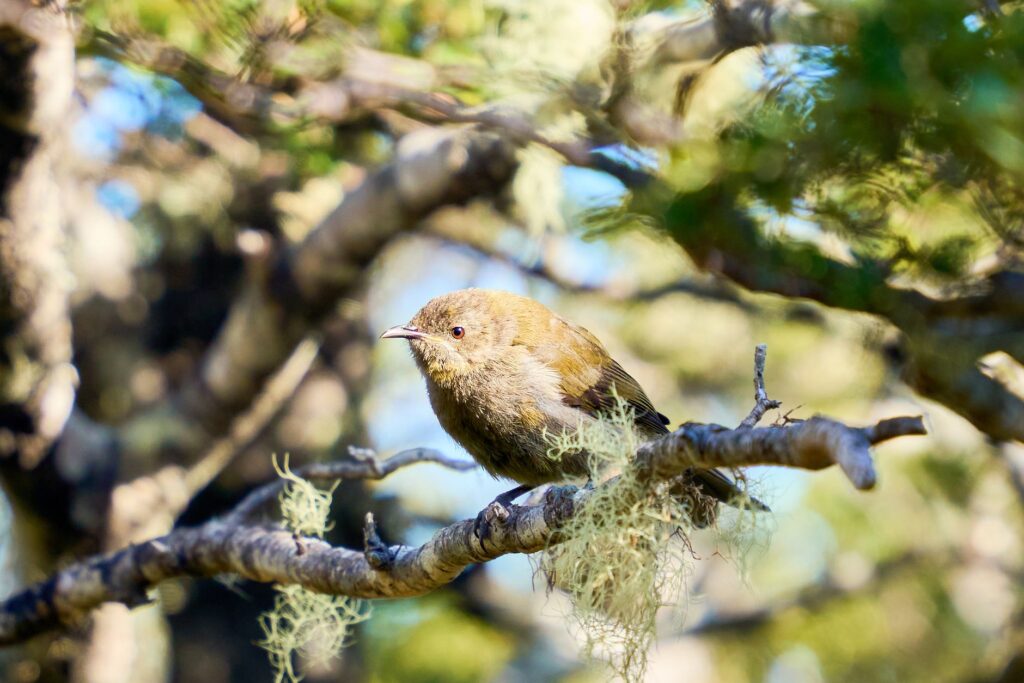
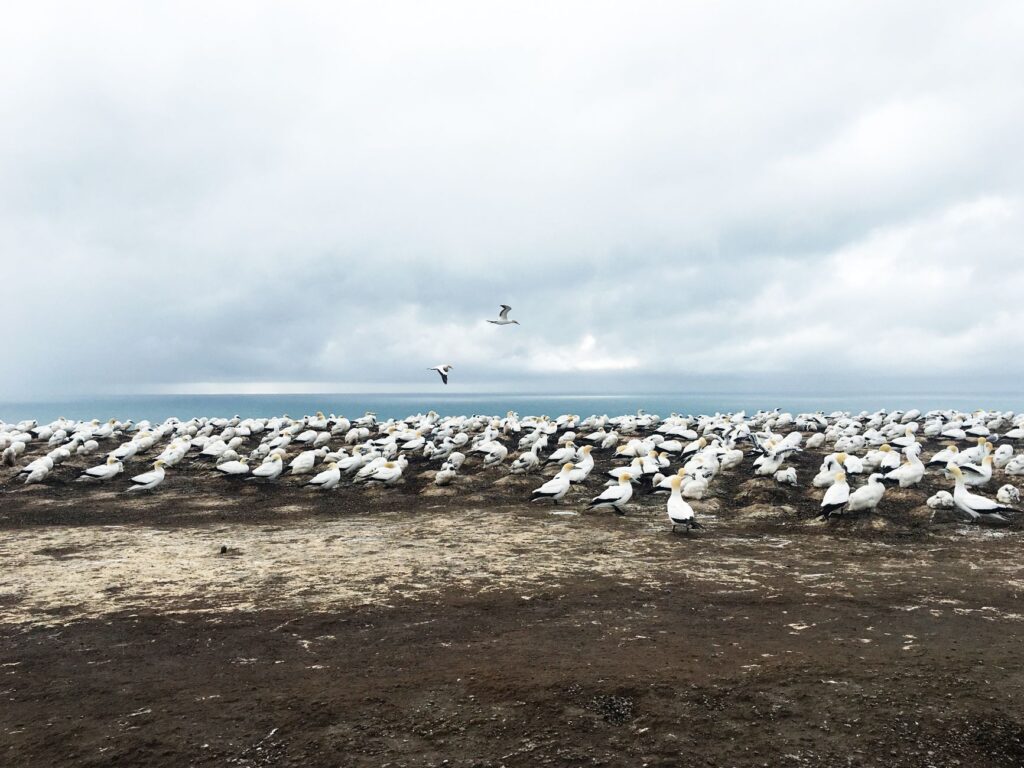
The natural environment of Hastings and its surroundings offers diverse habitats for native fauna, especially for birds. Remnant wetlands and river mouths heading toward Hawke’s Bay serve as stopover and nesting points for numerous waterbird and marine bird species. Among the scrublands and patches of secondary forest, it is possible to observe endemic and naturalized birds that find food and protection in these refuges. The conservation of these small natural pockets is a priority to prevent the fragmentation of ecological corridors connecting the mountain foothills with the marine littoral.
The presence of wader bird species in coastal wetlands demonstrates the interconnection between the region’s terrestrial and marine ecosystems. These birds depend on the invertebrate richness of mudflats and estuaries to complete their migratory and reproductive cycles. Despite pressure from urban and agricultural development, the combined efforts of local administrations and community groups seek to restore ecological connectivity through the reintroduction of native flora and the control of invasive species threatening native fauna balance.
The preservation of aquifers and river margins in Hastings is an indispensable requirement to sustain the biodiversity of the Heretaunga Plain over the long term.
Community Conservation Initiatives and Ecological Restoration
In recent years, awareness of the fragility of natural resources in the Hawke’s Bay region has driven various environmental restoration initiatives led by citizen organizations and public institutions. These projects focus on waterway cleaning, the removal of exotic invasive plants, and the massive planting of native species along local stream banks. The primary objective is to recover the ecological functionality of aquatic ecosystems, improving water quality and creating safe microhabitats for native fauna.
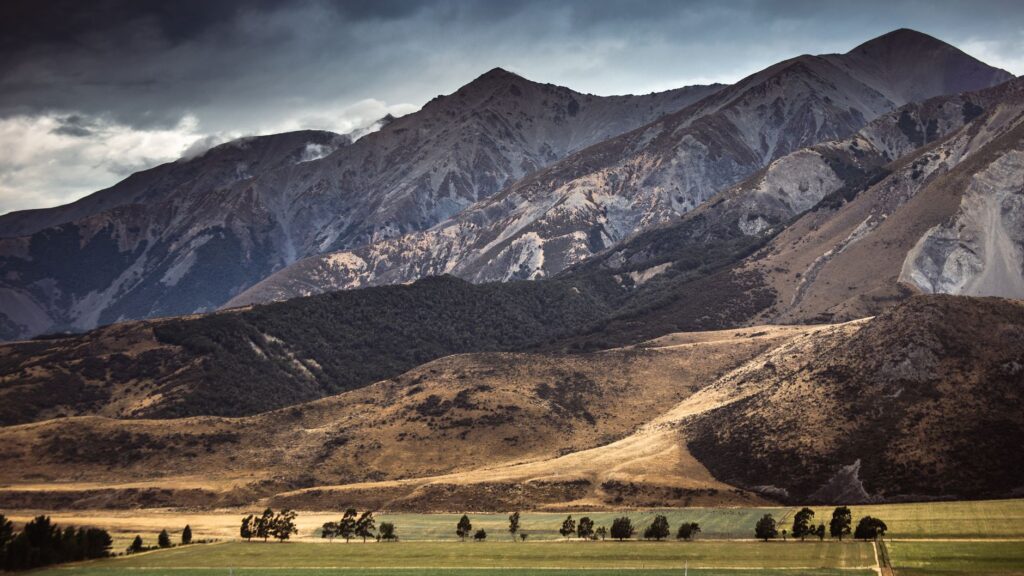
Local community involvement in these cleanup and reforestation efforts has proven to be an effective model of environmental management. Through environmental education and volunteering programs, Hastings residents directly engage in water quality monitoring and the tracking of native bird and fish populations. This close connection between society and its natural environment fosters a sense of belonging and collective responsibility toward the preservation of the Heretaunga Plain’s ecological heritage, ensuring that future generations can enjoy a balanced and healthy landscape.
Low-Impact Visitation Practices in the Natural Environment
Responsible tourism in Hastings is grounded in strict respect for the fragile ecosystems of the plain and coastal strip. For nature-minded travelers, exploring the region implies adopting behavioral guidelines that minimize ecological footprints. This includes walking exclusively on authorized trails in protected areas and natural reserves, avoiding stepping on fragile vegetation along river margins or disturbing avifauna during nesting periods. Additionally, it is essential to comply with local regulations on waste management and water use, a treasured resource in this agricultural area.
Excursions on foot or by bicycle along rural paths and river margins allow visitors to appreciate the landscape richness of Hawke’s Bay without altering wildlife habitats. Visitors are advised to utilize authorized local guides and support commercial initiatives that reinvest part of their profits into environmental conservation projects. In this way, the flow of visitors contributes positively to the local economy while supporting the long-term protection of the district’s natural and cultural values.
Practical Guide
How to get there: The main access to the Hawke’s Bay region is through the airport located in the nearby locality, with regular connections from major New Zealand airports. From there, Hastings is a short drive away via the state highway network.
When to go: The austral summer months offer warm and stable conditions, ideal for exploring natural trails and riparian areas. Spring stands out for the blooming of native vegetation and increased activity in local avifauna.
Travel requirements: Foreign visitors must verify current visa requirements and travel authorization prior to departure, in addition to complying with biosecurity regulations imposed at New Zealand borders to protect local ecosystems.

Local recommendations: It is advisable to carry appropriate footwear for walking on wet or gravel terrain, sunscreen, and light waterproof clothing, as the coastal climate can present sudden changes. Always respect signage in natural reserves and maintain a safe distance from wildlife.
The Silent Pulse of Southern Wetlands
As evening falls, when the golden light of sunset spreads over the Heretaunga Plain and tree shadows lengthen alongside river channels, Hastings reveals its most peaceful and profound dimension. In this moment of stillness, the murmur of water filtering through rounded stones and the distant whistle of birds in the wetlands remind us that nature persists, tenacious and silent, even in landscapes shaped by human hands. Observing this fragile balance, understanding its geological history, and walking respectfully along its trails is the best way to honor the vital pulse of New Zealand’s eastern coast.