
Introduction to the Hawke’s Bay Plain
At the heart of the Hawke’s Bay region on New Zealand’s North Island lies the Heretaunga Plain, a territory where intensive agriculture and Māori memory shape the daily landscape. Hastings, the district’s principal town, rests upon alluvial soils deeply marked by horticultural and fruit-growing activity. Unlike purely urban enclaves, daily life here is dictated by harvest seasons, apple tree blossoming cycles, and the constant proximity of Hawke Bay and the Pacific Ocean, which moderate a mild, sun-drenched climate for much of the year.
The community of Hastings has forged an identity where agricultural tradition and architectural resilience coexist. Following the devastating earthquake of 1931, a significant portion of the urban fabric was rebuilt under the aesthetic canons of the period, endowing the historic center with a remarkable collection of art déco and Spanish Mission style buildings. This built heritage is not merely a tourist stage set, but the material support for commercial life, farmers’ markets, and neighborhood gatherings that sustain local social cohesion.
Furthermore, the surrounding geography creates a distinct microclimate that benefits various orchards and vineyards. The interplay between sea breezes from the coast and sheltering hills defines the rhythms of agricultural work, dictating when pruning, thinning, and picking take place across family-owned plots and larger commercial enterprises alike.
The Legacy of Heretaunga and Māori Roots
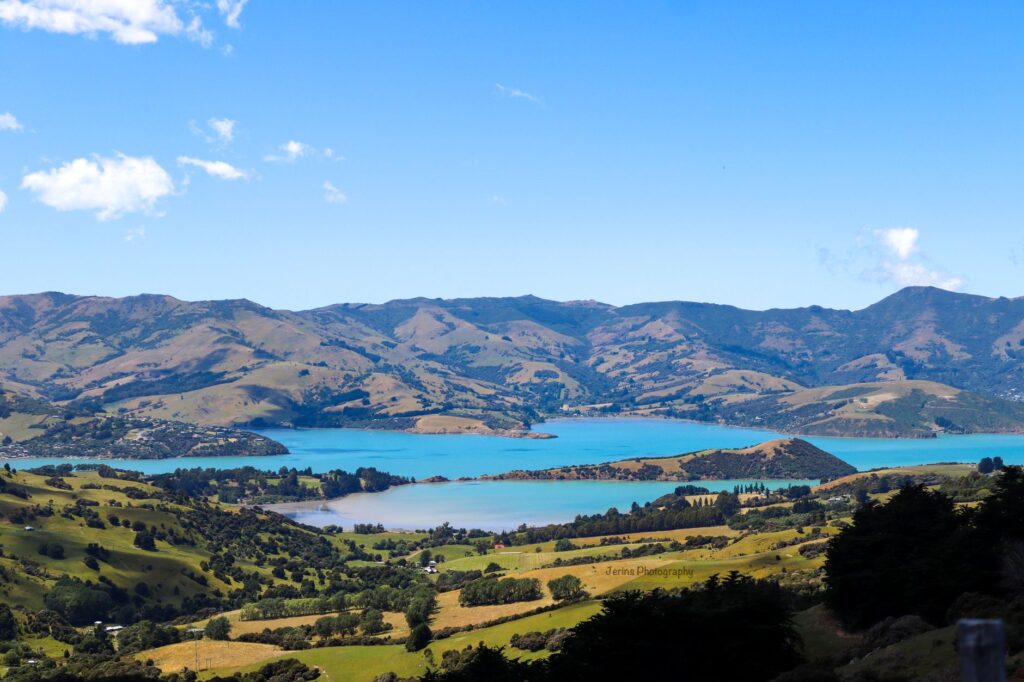
The traditional name for this valley is Heretaunga, an appellation evoking the profound historical connection of the local iwi (tribe) with the land. Long before the establishment of commercial agricultural ventures in the late 19th century, the river valleys formed by the Ngaruroro and Tūtaekurī rivers already supported seasonal settlements and traditional cultivation of kūmara (sweet potato). Toponymy and Māori cultural presence remain vibrant today, serving as a reminder that soil fertility is not merely an economic resource, but a core element of the local worldview.
European settlement gradually transformed land use, draining swamps and channeling river courses to convert the valley into one of the country’s primary orchards and granaries. However, this process involved negotiations and tensions regarding land ownership and stewardship. Today, local institutions and Māori communities collaborate closely on watershed environmental management and the protection of culturally significant sites, ensuring that agricultural development respects ecological boundaries and honors historical narratives.
This ongoing dialogue between indigenous heritage and modern land management shapes local governance and community initiatives, ensuring that the history embedded in the soil is preserved for future generations through active consultation and shared stewardship practices.
Architecture Rebuilt After Adversity
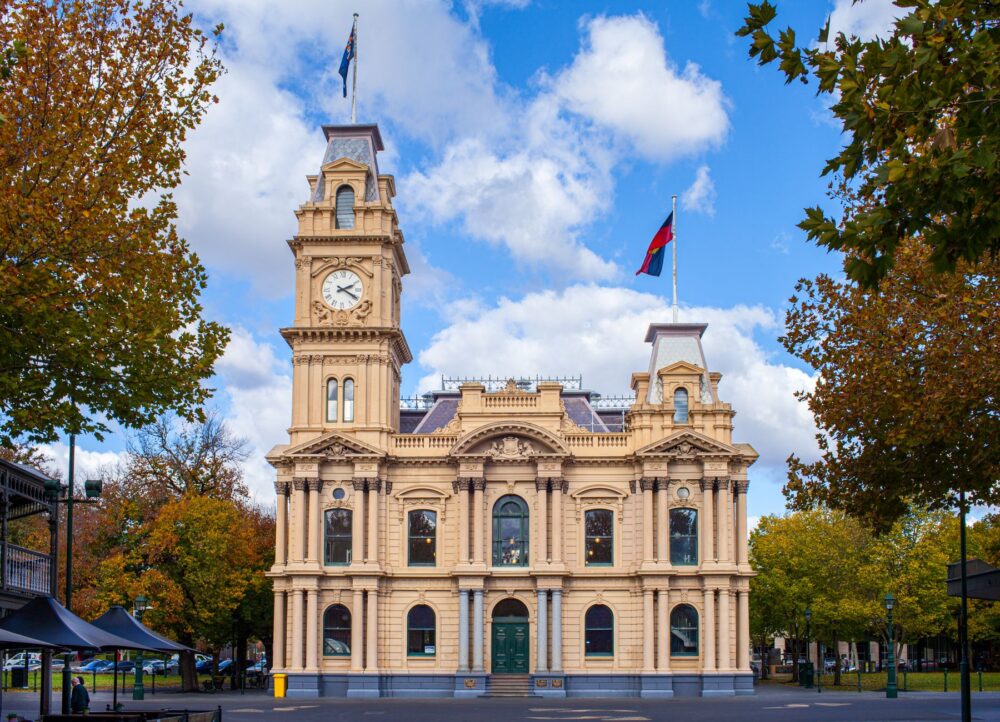
Walking through downtown Hastings is, in many ways, stepping into an open-air museum of interwar architecture. The magnitude 7.8 earthquake that struck the region in February 1931 destroyed nearly all the original commercial core, built largely with heavy masonry structures. Rather than replicating previous Victorian models, local architects and merchants chose an optimistic, functional modernity, adopting geometric art déco lines and stylized floral motifs that alluded to the surrounding agricultural abundance.
Iconic buildings such as the Hawke’s Bay Opera House and former commercial banks display symmetrical facades, geometric bas-reliefs, and pastel tones that endure through ongoing heritage conservation programs. Unlike cities where historic fabric has been displaced by office towers, Hastings has maintained a human scale in its central urban grid, allowing pedestrians to traverse shopping arcades and tree-lined squares free from heavy traffic congestion.
The architecture of Hastings stands as tangible testimony to a community that chose to rise from its own rubble, transforming the necessity of reconstruction into a declaration of visual and civic optimism.
Maintenance of these historic facades requires specialized craftsmanship and adherence to strict preservation guidelines, ensuring that structural updates do not compromise the stylistic integrity that defines the visual identity of the central district.
Fruit Economy and Farmers’ Markets
The economic activity of Hastings centers on the production of apples, pears, stone fruit —such as peaches and nectarines— and, notably, the wine industry extending across the surrounding alluvial terraces of Gimblett Gravels and the Heretaunga bridge. During summer and autumn months, seasonal workers and freight operators fill secondary roads with trucks carrying fresh fruit destined for both domestic markets and international export via the nearby commercial port.

This agricultural pulse is reflected directly in local markets, where direct producers offer harvests without intermediaries. The Hawke’s Bay Farmers’ Market, held every Sunday, serves as an intergenerational meeting place where local vegetable varieties, monofloral honeys, and artisanal cheeses are exchanged. For residents, this space functions not merely as a shopping venue, but as a public forum to discuss weather conditions, crop yields, and innovations in sustainable farming techniques.
Agricultural research stations and grower cooperatives also play a vital role in testing drought-resistant crops and organic pest management, helping local farmers adapt to shifting climate patterns while maintaining high standards of food production.
Green Spaces and Urban Coexistence
The urban design of Hastings prioritizes the integration of green areas and public parks acting as climatic lungs against high summer temperatures. Cornwall Park, located near the center, offers a vast enclosure of mature trees, sports fields, and ponds where local birdlife finds refuge. This green space serves as a regular venue for community events, seasonal fairs, and free recreational activities fostering coexistence among residents of all ages.
Furthermore, the network of cycle lanes and pedestrian pathways connects the urban area with peripheral horticultural zones and the neighboring city of Napier, encouraging active mobility that reduces private car dependence in daily commutes. Municipal bylaws protect urban forestry and mandate energy efficiency criteria in new commercial buildings, seeking to balance moderate population growth with the preservation of the surrounding rural landscape.
Community groups frequently organize tree-planting days and waterway clean-ups, reinforcing a shared commitment to maintaining the ecological health of both public parks and natural reserves within the municipal boundaries.
Mobility and Responsible Travel Planning
Access to Hastings is typically achieved by road via the national bus transport network or private vehicles connecting with the North Island’s main arteries. Although the town lacks a commercial passenger airport within its municipal boundaries, it utilizes the nearby Napier airport for domestic connections, complemented by regular long-distance coach services ensuring smooth connectivity without straining local infrastructure.

For visitors, the primary recommendation from local authorities and community groups is to adopt a respectful, low-impact tourism approach. This entails prioritizing bicycles to explore the flat vineyards, staying in establishments certified with environmental standards, and consuming zero-kilometer products in local restaurants and markets, thereby contributing to the local economy without disrupting residential tranquility.
The responsible traveler in Hastings understands that the true value of the destination lies not in the accumulation of standardized attractions, but in the capacity to integrate respectfully into the unhurried rhythm of a land-focused community.
Travelers are also encouraged to check seasonal transit schedules in advance, as peak harvest periods can increase regional traffic on rural routes shared by agricultural machinery and touring cyclists alike.
Practical guide
Getting there: Primary air access is via Hawke’s Bay Airport (NPE) near Napier, offering regular connections from Auckland, Wellington, and Christchurch. From there, bus services and car rentals reach Hastings in under twenty minutes.
When to go: The southern summer months (December to February) offer warm temperatures and clear skies, ideal for exploring outdoor markets and vineyards. Autumn (March to May) coincides with the grape harvest and apple picking season, a time of peak agricultural activity.
Accommodation: Lodging options include small boutique hotels in rehabilitated art déco buildings, traditional family-run motels, and rural guesthouses on the outskirts of the plain.
Gastronomy: Sampling local stone fruits, regional mānuka honey, and red wines crafted in the gravel soils of Gimblett Gravels is essential.
Code of conduct: Visitors are requested to respect private agricultural property, avoid entering orchards without authorization, and use recycling receptacles in public spaces to minimize plastic waste.
Epilogue: Memory Under the Heretaunga Sun
As evening falls, the golden twilight bathes the geometric facades of central Hastings and stretches across endless rows of apple trees carpeting the Heretaunga Plain. Far from mass tourism and massive metropolitan crowds, this corner of New Zealand’s North Island perseveres in a complex yet harmonious balance between respectful land exploitation and the conservation of civic heritage. In every Sunday market, every restored doorway, and the steady murmur of its waterways, Hastings demonstrates that the identity of a territory is built upon the daily constancy of its inhabitants and the conscious decision to care for a shared future.
Ultimately, the enduring character of this district lies in the resilience of its people, who honor their historical roots while thoughtfully adapting to the challenges of modern life. The quiet dignity of the plain remains a testament to harmonious coexistence between human endeavor and natural bounty.