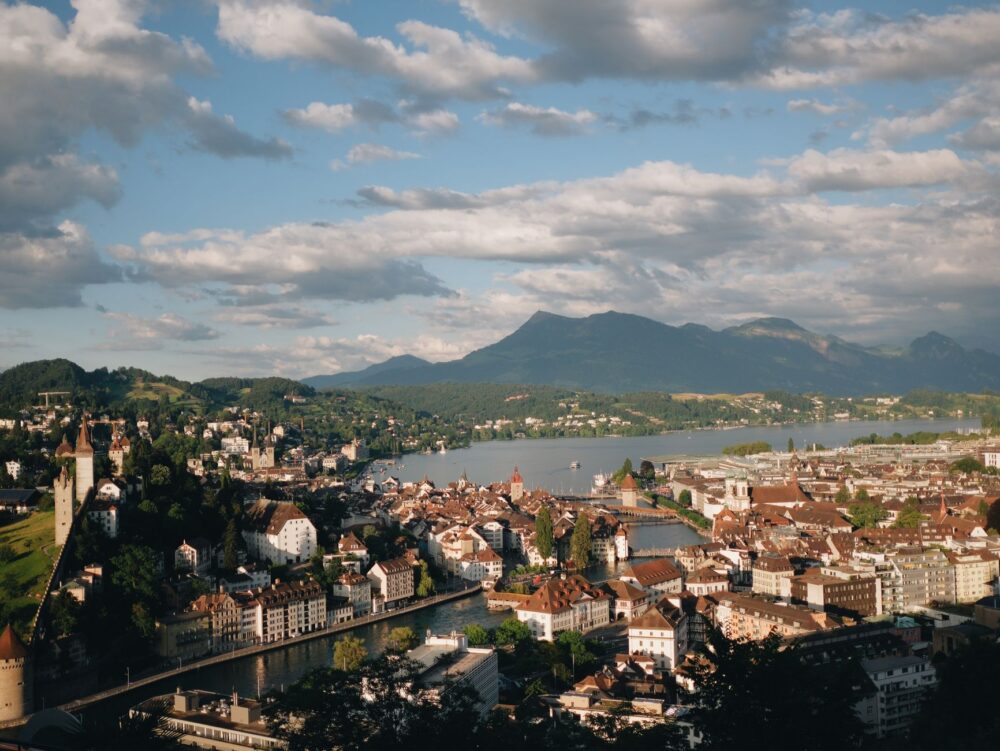

A Valley Sculpted by Winter and Steadfastness
At nearly one thousand meters of altitude, across a plateau where biting winds from the Jura Mountains regularly test the patience of its residents, La Chaux-de-Fonds displays a geometric urban layout that never fails to astonish travelers. This municipality in the Swiss canton of Neuchâtel is not only a global benchmark for watchmaking architecture and industrial urbanism recognized by UNESCO; it is also a territory where daily cooking responds with absolute precision to the rigors of a severe climate. Between grid-patterned streets and sandstone facades that have witnessed centuries of artisan labor, community life beats to the rhythm of baking ovens and neighborhood counters where local produce is defended with immense pride.
Walking along its avenues during the early morning hours means listening to the crunch of frost beneath one’s boots and inhaling the unmistakable aroma of freshly brewed coffee drifting from small neighborhood cafés. Here, everyday nutrition avoids stridence and passing fads; it is firmly rooted in the solidity of ingredients that withstand the cold and in recipes that provide the necessary energy to face days when the thermometer plunges without mercy. The locals, accustomed to discipline and methodical work, maintain a very close relationship with food markets and small producers who descend from the surrounding slopes to offer their goods.
The Morning Pulse of Plateau Markets
The commercial and social heart of the town beats strongly in its neighborhood markets. Far from impersonal big-box stores, the street stalls and traditional shops of La Chaux-de-Fonds form an intergenerational meeting space where goods are bartered with a glance and the seasonality of each product is deeply respected. Root vegetables, frost-resistant greens, and raw-milk cheeses crafted in neighboring valleys occupy a privileged place on the display counters, reminding visitors that mountainous geography dictates its own rules in the shopping basket.
Within these market hubs, conversation between vendor and buyer serves as an extension of community life. Discussions arise over the aging point of an alpine Gruyère, the merits of rye flour for crafting long-lasting loaves of bread, or the arrival of the first seasonal mushrooms harvested in the Jura forests. The authenticity of these exchanges lies in mutual trust and respect for the natural cycles of the region, where every food item tells a story of collective effort and environmental adaptation. The morning routine thus transforms into a leisurely ritual, a moment when haste yields to the weight of a deeply rooted commercial tradition.
Dairy Tradition and High-Altitude Pastures
It would be impossible to understand the pantry of this Swiss corner without looking toward the meadows stretching beyond the urban core. During the summer months, cattle graze at high altitudes, feeding on a rich and varied alpine flora that later translates into complex, persistent notes in the milk. Local cheesemakers transform this raw material into blocks of hard cheese that mature for months in underground cellars, acquiring that robust character which defines the gastronomic identity of the Neuchâtel canton.
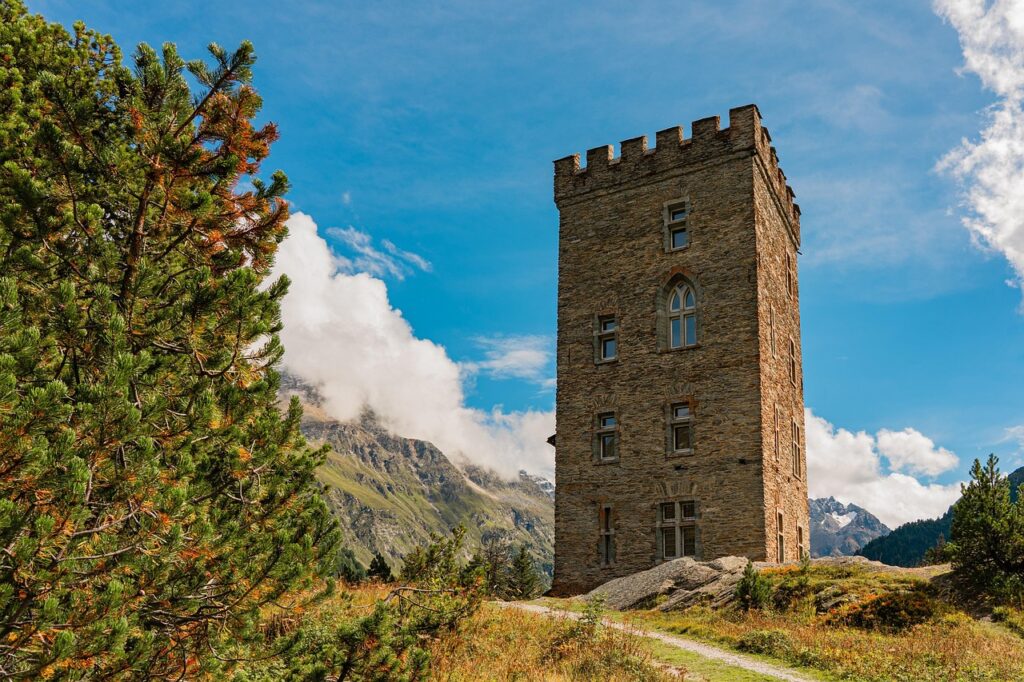
This close bond with alpine livestock transcends pure commerce; it defines how families conceive their evening meals and midday dinners during the coldest months of the year. Dishes where melted cheese, carefully boiled potatoes, and cured local sausages take center stage at the communal table. This is not avant-garde cuisine, but rather historical survival transformed into gastronomic comfort, a constant reminder that local cooking is, above all an act of thermal and cultural resistance against the harshness of the Swiss winter.
The Baker’s Art and Centenary Workshops
Amidst the grid streets of the town, artisanal bakeries operate as true sanctuaries of fire and patience. Local master bakers inherited techniques that prioritize slow fermentations and whole grain flours sourced from regional mills. The result consists of loaves with thick crusts and dense crumbs, designed to last for days on the table without losing an ounce of their original texture and flavor—an indispensable quality in an era when bread had to be rationed during prolonged snowstorms.
Crossing the threshold of these centenary workshops, the air smells of toasted cereal, fine butter, and sourdough. It is common to see veteran residents personally selecting their loaves, tapping the base of the bread to verify the exact cooking point. This daily rigor in choosing bread reflects a collective standard that tolerates no mediocrity, keeping alive a level of quality passed down from parents to children without the need for manuals or external regulations.
Chocolate Sweetness and Artisan Heritage
If salt and cheese represent the fortitude of the territory, chocolate and confectionery embody its most delicate and refined facet. The confectionery tradition of this Swiss region is closely tied to the precision of its inhabitants; not surprisingly, the extreme care required in handling watchmaking machinery found a natural echo in the work of cocoa, pralines, and precision molds.
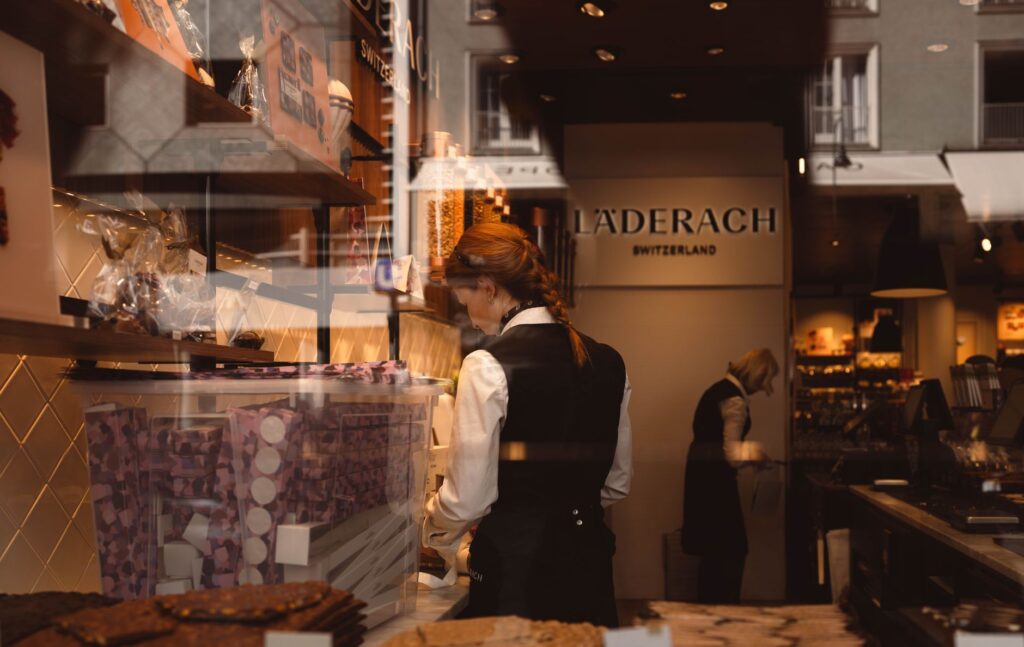
Small chocolate shops in the historic center craft specialties combining roasted nuts with high-purity coatings, paying special attention to aesthetics and packaging. These establishments also function as gathering points where people pause to converse over a hot beverage. For visitors, stepping into these shops means understanding that sweetness here is no fleeting caprice, but a logical extension of manual mastery characterizing the town’s history—a daily homage to craftsmanship done right.
The Visitor’s Responsibility Toward a Fragile Legacy
Growing tourist interest in unique alpine destinations currently poses significant challenges for the preservation of daily life in La Chaux-de-Fonds. With a population nearing thirty-eight thousand residents, the town maintains a delicate balance between welcoming curious travelers and protecting its daily rhythm. Residents value the tranquility of their streets and the authenticity of traditional shops against the temptation of commercial overdevelopment.
For this reason, the attitude of the responsible traveler becomes the primary tool for conservation. Shopping at local markets, respecting the operating hours of small workshops, purchasing goods with protected designations of origin, and exploring the urban layout on foot or via public transit are decisions ensuring the sustainability of this alpine ecosystem. Conscious tourism in this setting is not about consuming a landscape as a mere backdrop, but about integrating respectfully into a community dynamic that has spent centuries perfecting itself high upon the plateau.
The true wealth of the mountain is measured not in conquered summits, but in the capacity of its people to sow, knead, and share the fruit of their daily labor beneath the snow.
Practical guide
How to get there: La Chaux-de-Fonds features excellent rail connections within the Swiss Federal Railways network (SBB CFF FFS), allowing fast and convenient access from Neuchâtel, Bern, or Zurich via seamlessly integrated tunnels and mountain passes.
When to visit: Autumn and winter months offer deep immersion into the authentic atmosphere of the plateau, with morning markets and workshops operating at full capacity. Spring and summer allow travelers to explore the urban layout and surrounding pastures under milder weather conditions.
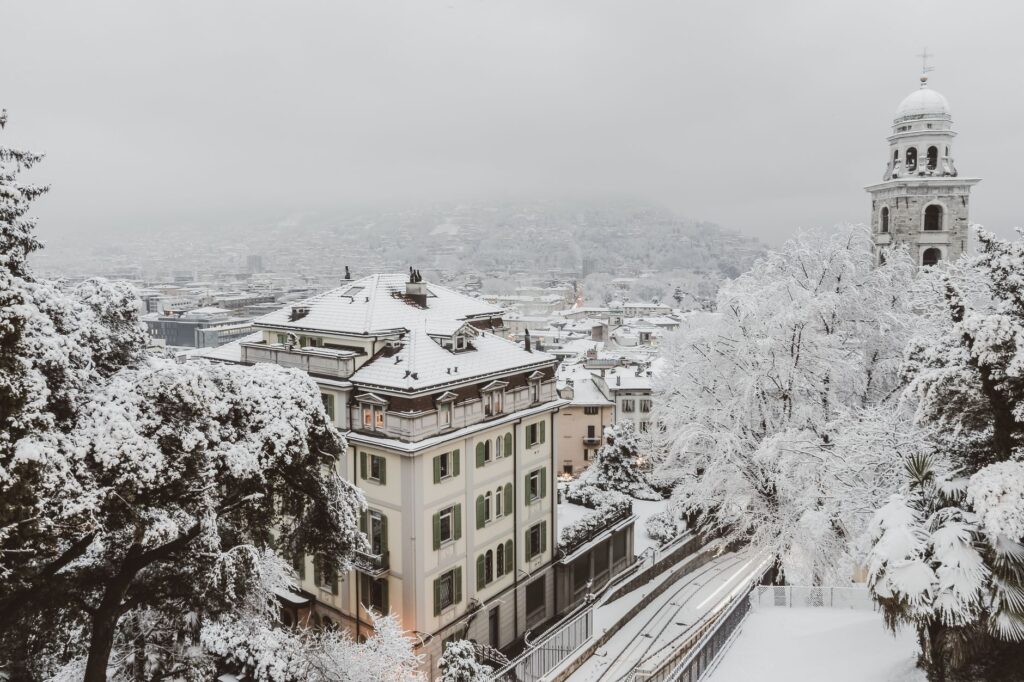
Where to eat and shop: It is advisable to visit the municipal market and the small artisan shops in the historic center to acquire local cheeses, sourdough breads, and traditional artisan chocolates.
Etiquette tips: Respect local business hours and residents’ tranquility in the residential zones of the geometric street grid. A polite greeting when entering small shops is a highly appreciated courtesy.
Alpine Epilogue
As evening falls and street lamps begin to outline the accumulated snow on the geometric rooftops of La Chaux-de-Fonds, the town recovers a solemn silence that invites reflection. Chimneys smoke steadily, reminding visitors that in this Swiss corner life endures thanks to shared effort, respect for well-done craftsmanship, and a table always provisioned with bread, cheese, and chocolate to weather the cold with dignity.