The silent transformation of the olive tree sea in Jaén
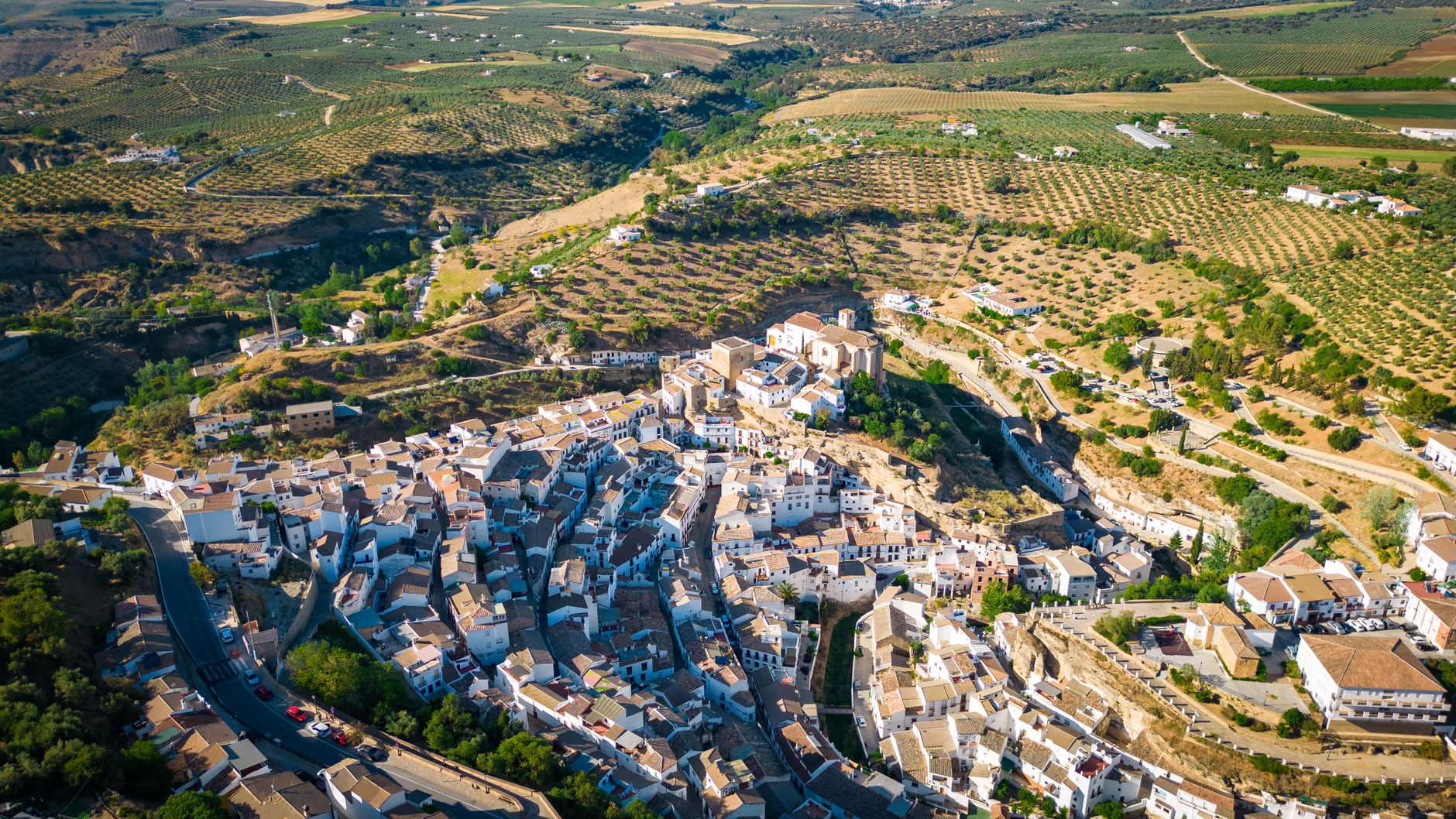
For centuries, the province of Jaén has been identified almost exclusively by an overwhelming satellite image: an infinite horizon composed of over sixty-six million olive trees undulating over clay hills. This green sea, the world’s largest producer of extra virgin olive oil, traditionally operated under an extractive economy. The liquid gold was harvested with titanic effort, transported in bulk, and used to enrich the blends of other European regions that reaped the commercial credit. However, over the past decade, this inland Andalusian territory has undergone a profound mutation. The MICHELIN Guide has focused on Jaén not as a secondary stop on the route to Granada or Córdoba, but as an autonomous, complex, and highly creative gastronomic destination.
The thesis underpinning this metamorphosis does not emerge from a vacuum. It is the direct result of a generational awakening. Chefs, farmers, oleologists, and cultural managers have realized that the ultimate identity product —early harvest extra virgin olive oil— is not merely a background condiment, but the guiding axis upon which contemporary haute cuisine must pivot. The kitchens of the province have stopped looking toward global metropolitan trends to immerse themselves in their own agrarian DNA, elevating local resources to the category of international fine dining.
Geography, landscape, and the tyranny of the olive grove
Understanding Jaén’s gastronomy requires physically traversing its territory. The province is not a homogeneous block; it folds into rugged natural parks such as the Sierras de Cazorla, Segura y Las Villas, or Sierra Mágina, where steep slopes and microclimates shape oils with drastically opposing personalities. While flat countryside areas are dominated by Picual monovarietals—robust, bitter, and highly stable—mountain zones and centenarian dry-land groves offer wild nuances, hints of tomato vine, fresh grass, and green almond.
This landscape is not merely a tourist postcard; it is a fragile ecosystem conditioning the lives of entire villages. Olive harvesting, locally known as the campaign, mobilizes tens of thousands of farmworkers during the winter in a ritual blending physical hardship with community life. The region’s fine-dining restaurants have successfully captured this atmosphere, translating the rawness and beauty of an environment where humans have spent millennia negotiating with stone and climate into the plate.
Jaén’s cuisine imitates no other because it springs from the biological and cultural imposition of a tree that absolutely dominates everything.
The guardians of the fire: vanguard in the territory
The MICHELIN Guide’s recognition of the province does not respond to a media whim, but to the constant work of pioneer chefs who chose to remain in their hometowns rather than emigrate to major capitals. Names like Pedro Sánchez at Bagá restaurant, located in the historic center of Jaén capital, have proven that sophistication requires no grand scenographic artifice. With a tiny space and a hyper-concentrated culinary proposal, Bagá became a beacon of national avant-garde by distilling Andalusian memory into bites of apparent technical simplicity yet overwhelming depth.
A few kilometers away, in Baeza and Úbeda—heritage cities declared UNESCO World Heritage sites—the culinary offering dialogues directly with Renaissance architecture. Places like Vandelvira or Dagostino, alongside other established proposals in the province, integrate monastic recipes, Sephardic, and Moorish influences with contemporary laboratory techniques. This is not exotic fusion cuisine, but a critical reinterpretation of the inland pantry: small game, river garden vegetables, Segureña lamb meats, and artisanal baking recovering native wheats.
Extra virgin olive oil as the guiding thread: beyond the liquid
Talking about gastronomy in Jaén without delving into extra virgin olive oil would be an incomplete exercise. In recent years, the province’s olive mills have transformed into design and cutting-edge technology centers. The goal is no longer mere quantity, but absolute excellence in cold extraction during the first weeks of October, when olives are still green and their fat yield is low, but their aromatic payload is explosive.
- Picual: The dominant variety, characterized by great body, intense herbal notes, and balanced bitterness and pungency that guarantee extraordinary conservation.
- Royal: Endemic to the Sierra de Cazorla, producing delicate oils with hints of banana and sweet almond, historically minor and now highly valued.
- Manzanilla de Sierra Mágina: Provides fruit complexity and smoothness on the palate, ideal for river fish and fine emulsions.
- Early Harvest: The true qualitative motor of the sector, harvested at dawn to prevent oxidation and pressed in less than two hours.
At the tables of awarded restaurants, oil is not presented in a generic cruet, but with the same solemnity as a vintage wine. Different varieties are tasted throughout the tasting menu, explaining to the diner how an intense Picual enhances a game stew, while a Royal variety oil accompanies a dairy or citrus dessert.
The forgotten pantry: game, garden, and inland legumes
Although olive oil steals the headlines, Jaén’s gastronomic wealth rests on a highly diversified inland pantry. Lacking a traditional sea coast, provincial cuisine has developed a masterful repertoire based on land products and the Guadalquivir and Segura rivers. Big and small game—wild boar, deer, red-legged partridge, and hare—form part of traditional winter stews, such as pipirana or atascaburras, though reinterpreted through haute cuisine lenses.
The orchards of the Guadalquivir valley supply seasonal vegetables starring memorable spoon dishes. Artichokes, wild asparagus, and heirloom tomatoes are treated with reverence. Likewise, legumes such as mountain butter beans or dry-land lentils reclaim prominence thanks to chefs who flee the heaviness of traditional dishes to seek elegance through clean broths and millimeter cooking times.
Architecture, heritage, and experiential tourism
Jaén’s gastronomic rise has driven a revitalization of its architectural and urban heritage. The cities of Úbeda and Baeza, with their porticoed squares, Plateresque palaces, and cathedral churches, offer an imposing visual framework for the gourmet visitor. Tourism is no longer limited to daytime monument visits; it is completed with stays in boutique hotels located in former convents or Renaissance palaces, and guided tours of historic olive estates combining scientific outreach with sensory tasting.
This synergy between stone and oil has generated a sustainable economic fabric anchoring the population to the territory. Young people find quality hospitality and advanced agronomy an attractive professional outlet, reducing traditional talent flight toward Madrid or the Mediterranean Andalusian coast.
Jaén’s true revolution lies in having converted its most massive industrial landscape into a living, appetizing cultural heritage.
Practical information for the gastronomic traveler
Planning a trip to Jaén with a culinary focus requires considering several logistical factors to maximize the experience:
- How to get there: The province is connected by highway to Madrid, Granada, and Sevilla. Jaén capital’s train station offers regular rail connections, though having your own vehicle is essential to tour the oil mills and mountain villages.
- Best time to visit: Autumn and winter months (November to February) coincide with the olive harvest season and offer the ideal climate to enjoy spoon dishes and olive mill activity. Spring (April and May) stands out for field greenness and good weather.
- Essential reservations: MICHELIN-starred or guide-recommended restaurants have very limited seating capacities. Booking months in advance is mandatory, especially for weekends.
- Recommended accommodations: The National Paradores Network features exceptional establishments in Úbeda, Jaén, and Cazorla, ideal for combining historic comfort with proximity gastronomy.
Towards a future of international consolidation
The MICHELIN Guide’s recognition of Jaén is not an endpoint, but an intermediate milestone in a maturation process still with ground to cover. The current challenge consists of maintaining authenticity against the risk of mass touristification and consolidating scientific research around the health and organoleptic properties of olive oil. Local producers and chefs continue working in a network, aware that their strength lies in territorial cohesion and absolute respect for the environment.
Jaén has proven that rewriting the narrative of a rural territory through culinary excellence is possible. It is no longer just the unknown corner of the Andalusian map where bulk oil is produced, but an indispensable destination for any global traveler seeking authenticity, radical landscape, and a cuisine with deep historical roots transformed into contemporary art.
Source in EN: Google News / MICHELIN Guide