
First Impressions Facing the Immense River
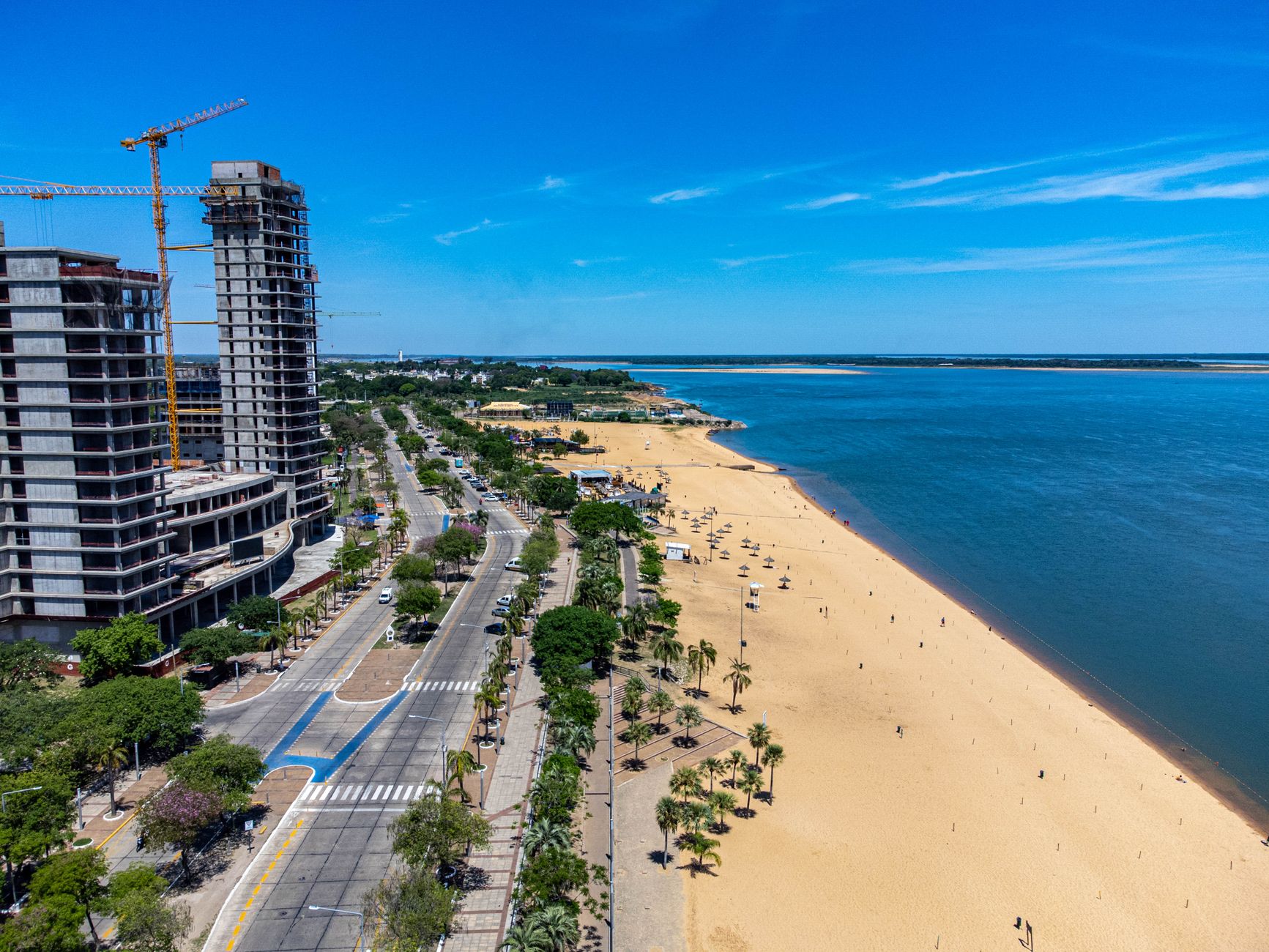
The city of Corrientes, situated in northeastern Argentina, unfolds along one of the most imposing curves of the Paraná River. Mornings begin with a translucent clarity that dissipates the mist over the waters, revealing a landscape where subtropical vegetation merges with nineteenth and twentieth-century architecture. Walking along the waterfront promenade allows visitors to perceive the pulse of a community that has grown facing the current, adapting to floods and celebrating water levels dropping with the same ancestral patience.
The original urban layout preserves regular blocks and large-facade houses with high ceilings, open galleries, and interior patios designed to mitigate the summer heat. Unlike other metropolitan areas in the country, daily life here maintains a measured cadence. Neighbors greet each other on street corners, shops close at midday for rest, and silent siestas are only interrupted by the song of native birds in the tree-lined squares.
The deep connection between the urban settlement and the surrounding wetlands shapes a unique way of understanding space. Urban routines are punctuated by environmental rhythms, where the humidity of the air and the intensity of the sun dictate the pace of daily affairs. Visitors who pause to observe these dynamics discover an intricate web of social habits that prioritize human connection over haste, fostering an atmosphere of genuine tranquility.
Colonial Architecture and Jesuit Heritage
The historic center of Corrientes bears witness to its foundation in 1588. The Church of the Cross of Miracles is a fundamental milestone for understanding local faith and history, sheltering the original timber that survived early clashes between conquistadors and indigenous Guaraní peoples. The exposed brick walls and neoclassical moldings of public buildings reflect an era when river navigation was the only secure link to the rest of the continent.
Strolling through the San Francisco neighborhood or around Plaza 25 de Mayo is an exercise in architectural reading. Stucco moldings, wrought iron balconies, and noble wood doors evidence commercial and cultural exchanges with Asunción and Buenos Aires during the colonial and republican periods. The preservation of these properties responds not merely to aesthetic caprice, but to the collective will to maintain the visual memory of its inhabitants.
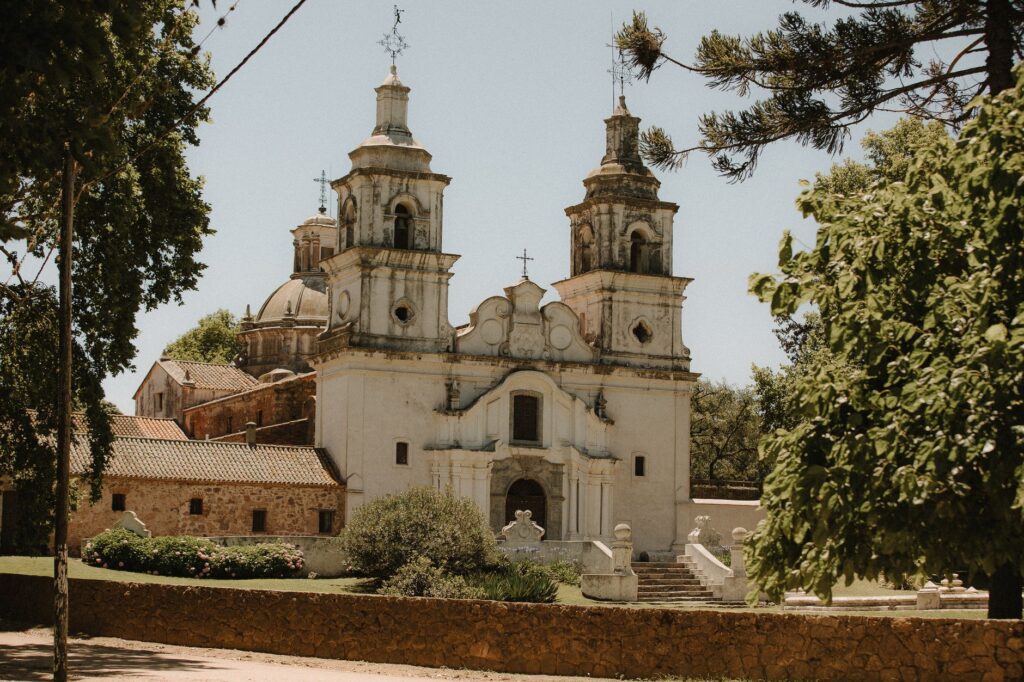
Walking through these historic sectors reveals the evolution of urban materials and construction techniques adapted to regional climates. Thick walls of adobe and brick, wide corridors, and elevated foundations served as functional responses to both thermal variations and the proximity of the river, leaving a legacy of durable craftsmanship that continues to define the cityscape.
The Sonic Universe of Chamamé in Daily Life
Correntino identity cannot be understood without attending to its heritage music, recognized as Intangible Cultural Heritage of Humanity. Chamamé resounds on neighborhood corners, in plaza bandstands, and during Sunday family gatherings. The notes of the accordion and acoustic guitar build an emotional bridge uniting melancholy with festive joy, expressing a sense of belonging to this littoral land.
Traditional peñas and spontaneous gatherings in general stores demonstrate how music acts as an element of social cohesion. Song lyrics, often sung in Guaraní or in Spanish sprinkled with regional terms, describe with remarkable precision the wetland landscape, native fauna, and religious devotion characterizing the province.
Chamamé is not merely a musical genre in Corrientes; it is the way landscape, memory, and collective affection find their shared voice beneath the Paraná sky.
The transmission of this musical tradition occurs across generations, sustained by informal encounters where elders and youth share melodies and dance steps. This intergenerational dialogue ensures that the soundscape of the city remains vibrant, serving as an ongoing testament to the emotional depth and cultural continuity of the region.
Popular Markets and Littoral Gastronomy
The Municipal Market of Corrientes is a microcosm where the flavors and aromas of northeastern Argentina converge. Amidst stalls of tropical fruits, medicinal herbs, and fresh fish extracted from the river, daily life acquires its most authentic expression. Vendors offer fresh cassava, freshly baked chipá, and artisanal sweets made from regional fruits such as papaya or chayote.
Local cuisine draws from river abundance and rural tradition. Mbejá, chipá guazú, and stews made with corn and beef form part of a diet adapted to the warm climate and long hours of outdoor labor. Sharing a meal with family or visitors is a deeply rooted act of hospitality, where the table functions as a space for conversation and the transmission of culinary knowledge.
Exploration of these culinary spaces also highlights the importance of seasonal eating and local production chains. The reliance on ingredients sourced directly from nearby rivers and agricultural plots emphasizes a sustainable approach to nourishment that has sustained generations through changing economic and environmental conditions.
Popular Devotions and Open-Air Shrines
Faith in Corrientes manifests both in consecrated temples and in the countless street and roadside shrines bordering access roads. Devotion to the Cross of Miracles and Gauchito Gil summons pilgrims from across the country, generating a steady flow of visitors arriving in search of solace or fulfillment of spiritual vows.
These expressions of popular religiosity reveal a cultural syncretism where Catholic beliefs intertwine with Guaraní myths and legends. Religious festivities mobilize entire neighborhoods, transforming public space into a stage of community devotion where processions, offerings, and traditional dances reaffirm bonds of solidarity among neighbors.
The physical presence of these shrines throughout the territory acts as a constant reminder of shared spiritual values and collective resilience. They serve as open sanctuaries where travelers and residents alike pause to reflect, offer gratitude, or seek protection before continuing their journeys across the landscape.
Riparian Nature and Urban Green Spaces
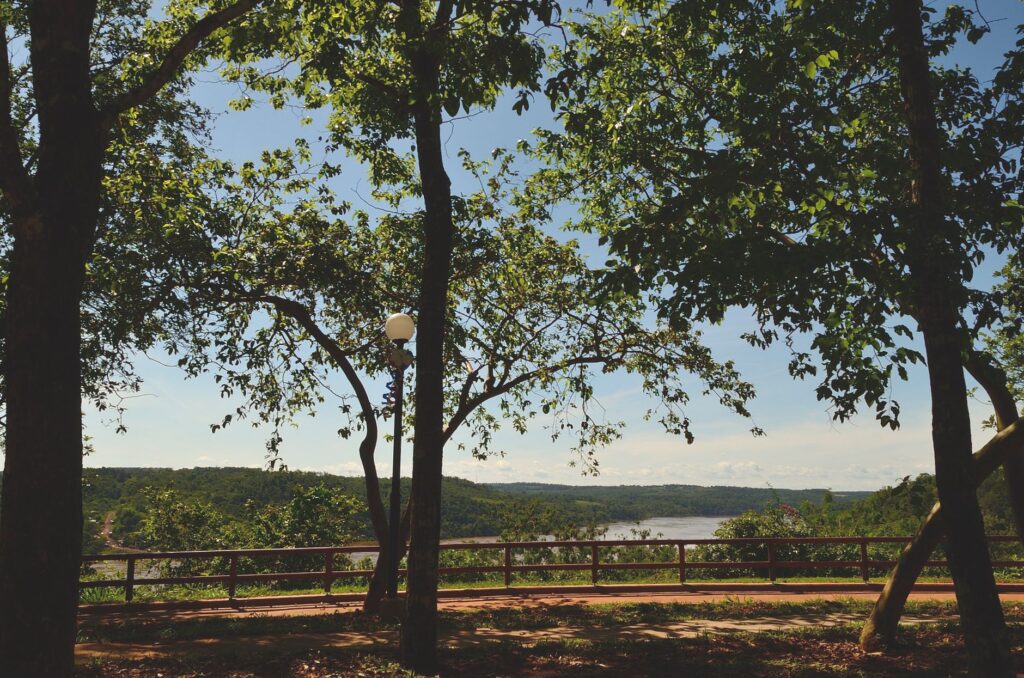
The relationship between Corrientes and its natural environment materializes in its parks and river walks. Mitre Park, located atop a high bluff overlooking the river, offers natural viewpoints ideal for contemplating sunsets when the sky dyes in orange and violet hues reflecting on calm waters. It is the preferred meeting place for residents to walk at dusk and enjoy the fresh breeze.
Native flora, composed of tipa trees, lapachos, and jacarandas, floods the streets with color during different seasons of the year. The care of these public spaces reflects a growing environmental awareness aimed at maintaining equilibrium between urban development and the preservation of the riparian ecosystem defining the region’s geography.
Preserving these green corridors within the urban matrix allows native bird species and localized fauna to thrive alongside human habitats. This harmonious coexistence reinforces the local commitment to environmental stewardship, ensuring that the natural beauty of the riverbank remains accessible for future generations.
Responsible Decisions for the Visitor
Exploring Corrientes involves adopting a respectful attitude toward its natural and cultural heritage. Visitors are encouraged to prioritize purchases in local markets, hire authorized guides for river excursions, and respect conservation rules in public spaces and nearby natural reserves. Sustainable tourism in this region relies on respectful dialogue with local communities and the valuation of their traditions without altering their daily rhythm.

Supporting local artisans who work with leather, wood, and traditional textiles contributes to the economy of local families. Likewise, moderate use of water and energy resources during stays in hotels and guesthouses ensures tourism remains an activity in harmony with the environment.
The traveler who journeys through Corrientes with attention and sensitivity discovers that the city’s true wealth resides in the warmth of its people and its capacity to keep its identity intact against the passage of time.
Mindful travel practices also entail minimizing waste generation and respecting the quietude of residential neighborhoods. By engaging thoughtfully with local customs and supporting community-led initiatives, visitors help safeguard the authentic character that defines this historic littoral destination.
Practical guide
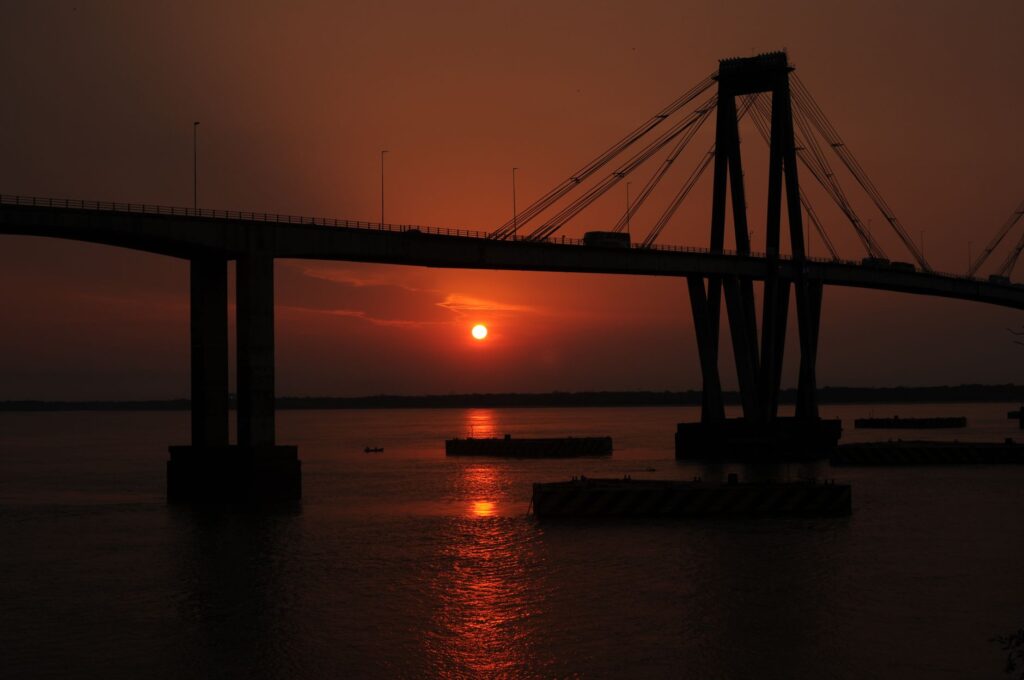
How to get there: The city features Doctor Fernando Piragine Niveyro International Airport, with regular connections from Buenos Aires. Overland access is also available via long-distance buses connecting with major national cities across the General Manuel Belgrano interprovincial bridge.
When to visit: Autumn months (March to May) and spring (September to November) offer temperate temperatures ideal for walking along the waterfront and exploring the historic center without the intense summer heat.
Where to stay: Hotel accommodation concentrates in the historic center and around the waterfront, ranging from traditional hotels to boutique guesthouses that highlight heritage architecture.
Recommended gastronomy: Taste dishes prepared with river fish such as dorado or surubí, accompanied by traditional cassava and corn preparations in traditional eateries and markets.
Local transport: The city center is easily explored on foot. For travel to peripheral areas or coastal zones, urban bus services and taxis offer accessible fares.
Cultural tips: Participating in local peñas with respect and attention to neighborhood coexistence rules enriches the travel experience and allows for genuine connection with littoral culture.