
The Geographical Coordinates of a Historic Enclave
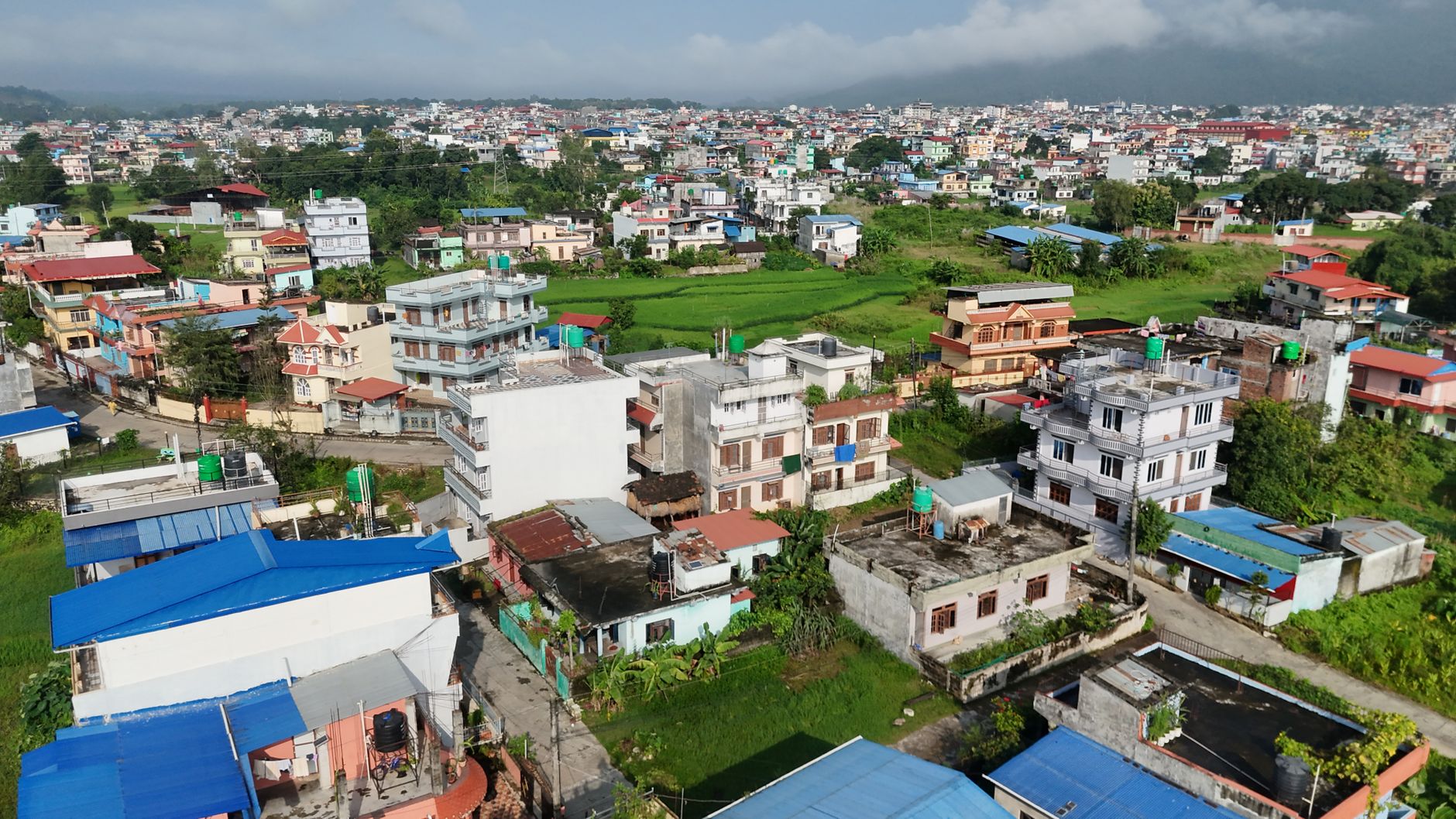
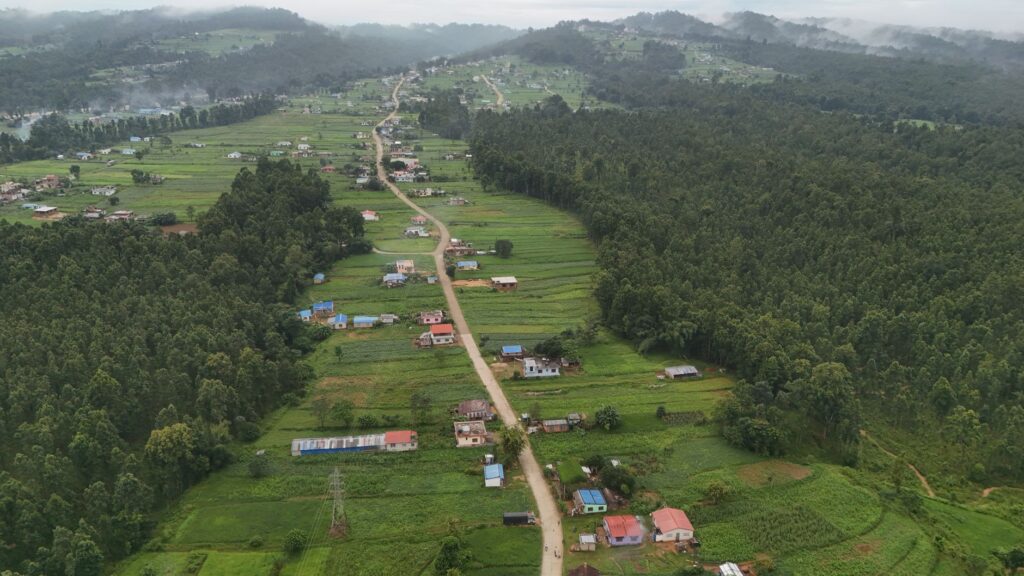
Situated in the southern plains of Nepal, within the province of Madhesh, the town of Jaleshwar rises just a few meters above sea level, shaping a landscape where the flat horizon contrasts sharply with the rugged alpine geography usually associated with the Asian nation. This territory in the Mahottari district is home to a stable population exceeding twenty-three thousand residents, distributed across an urban layout where daily routines are governed by proximity to the border and a rich agricultural tradition. Mornings in Jaleshwar begin with the light illuminating surrounding farmlands, setting a rhythm where farm labor and local commerce have sustained family economies for generations.
Unlike high-altitude enclaves, this low-lying valley experiences a subtropical climate that directly influences architecture and the habits of its inhabitants. Traditional dwellings, built with local materials and techniques adapted to seasonal heat, prioritize ventilation and shared shaded spaces. In squares and crossroads, residents gather at dusk when temperatures drop and commercial activity gives way to leisurely conversation. This compact social fabric constitutes the true core of Jaleshwarean identity, a space where inherited customs coexist organically and seamlessly with twenty-first-century needs.
Sacred Heritage and Devotion Around Water
The very name of Jaleshwar evokes a profound relationship with sacred elements, with water serving as the axis around which much of its spiritual life revolves. The main temple, dedicated to local deities, continually draws pilgrims and devotees who come to offer prayers seeking protection and well-being. The architectural structure of the complex combines classic regional elements with interior courtyards where silence and the bustle of rituals coexist in steady balance. Temple priests and custodians keep alive the chants and ceremonies transmitted orally, ensuring the preservation of an intangible legacy that defines the community’s character.
Religious festivities mark the annual calendar with chromatic and acoustic intensity, transforming the city’s streets. During these celebrations, portable altars, fresh flower garlands, and oil lamps create an atmosphere of collective communion. Visitors who come to witness these events find a respectful environment where participation is guided by observant contemplation and mutual understanding. The preservation of these collective practices depends directly on the respect travelers show toward places of worship and the privacy of local rites. Sacred architecture here is not a mere tourist attraction, but the daily heartbeat of a population finding an unalterable identity anchor in faith.
Traditional Commerce in the Markets of Mahottari
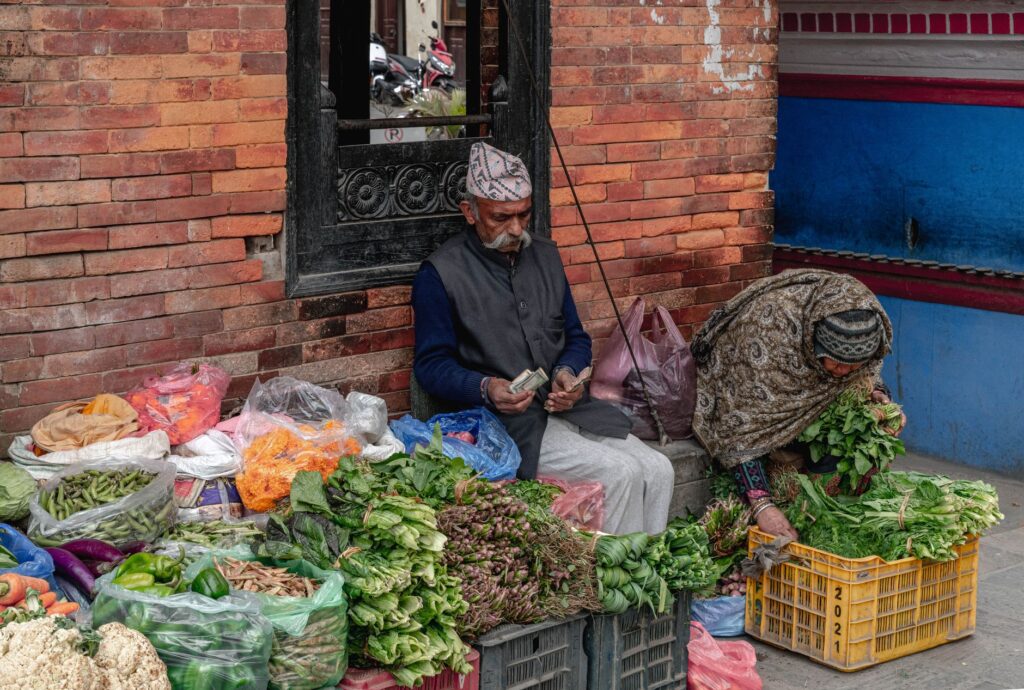
The economic pulse of Jaleshwar concentrates in its street markets and small grocery shops, where commercial activity stretches from dawn to sunset. Stalls trade regional agricultural produce, ranging from aromatic spices to vegetables harvested in the fertile alluvial soils of the Mahottari district. Shopkeepers lay out their merchandise meticulously, creating a mosaic of colors and textures reflecting the subtropical environment’s biodiversity. Each commercial transaction comes with a greeting, an exchange of local news, and a relationship of mutual trust that transcends mere monetary exchange.
This neighborhood commerce contrasts with the large shopping malls of metropolises, offering visitors a sustainable consumption experience rooted deeply in the territory. Local artisans continue crafting utensils and textiles using traditional techniques prioritizing durability over mass production. Supporting the local economy through the direct acquisition of craftsmanship and agricultural products constitutes one of the most responsible decisions conscious travelers can make. The vitality of these markets depends on visitors understanding the value of fair trade and respect for regional production cycles.
Life in the Squares and the Community Rhythm
Public space in Jaleshwar organizes around squares and small plazas acting as authentic open-air living rooms. Beneath the shade of centuries-old trees, elders gather to discuss community matters while children play simply. This dynamic use of urban space fosters a strong sense of belonging and social cohesion, where anonymity is practically nonexistent. Surrounding architecture, though marked by time and weather, retains details in balconies and window frames revealing the hand of local artisans specializing in woodcarving and fired brickwork.
Intergenerational coexistence is a pillar sustaining the locality’s social stability. Traditional knowledge, culinary recipes, and local legends pass from grandparents to grandchildren in these daily meeting spaces. For outside observers, witnessing this community dynamic offers a unique perspective on how rural societies in the Nepali plains manage change without renouncing their roots. Hospitality toward travelers does not stem from a tourism strategy, but from an unwritten rule of courtesy and openness toward strangers manifested in every respectful greeting.
Local Gastronomy and Flavors of the Plain
The cuisine of Jaleshwar accurately reflects available resources in the fertile plains of Madhesh province, combining cereals, legumes, and a rich variety of local spices. Traditional dishes are prepared over slow fires, using fresh ingredients harvested by farmers just hours before preparation in homes and small popular eateries. Rice grown in neighboring fields forms the basis of the daily diet, accompanied by lentil preparations seasoned with turmeric, cumin, and mustard—indispensable elements in the pantry of Nepal’s southern region.
Attending food preparation in a domestic setting reveals the cultural importance granted to food as a family and social bonding element. Recipes vary subtly by season, adapting to the availability of earth’s yield and climatic demands throughout the year. Tasting local gastronomy should always be approached with respect for culinary traditions and the unhurried preparation times of unhurried cooking. This culinary experience directly connects travelers to the agricultural and community essence of a territory keeping its original flavors intact.
Vernacular Architecture and Climatic Adaptation
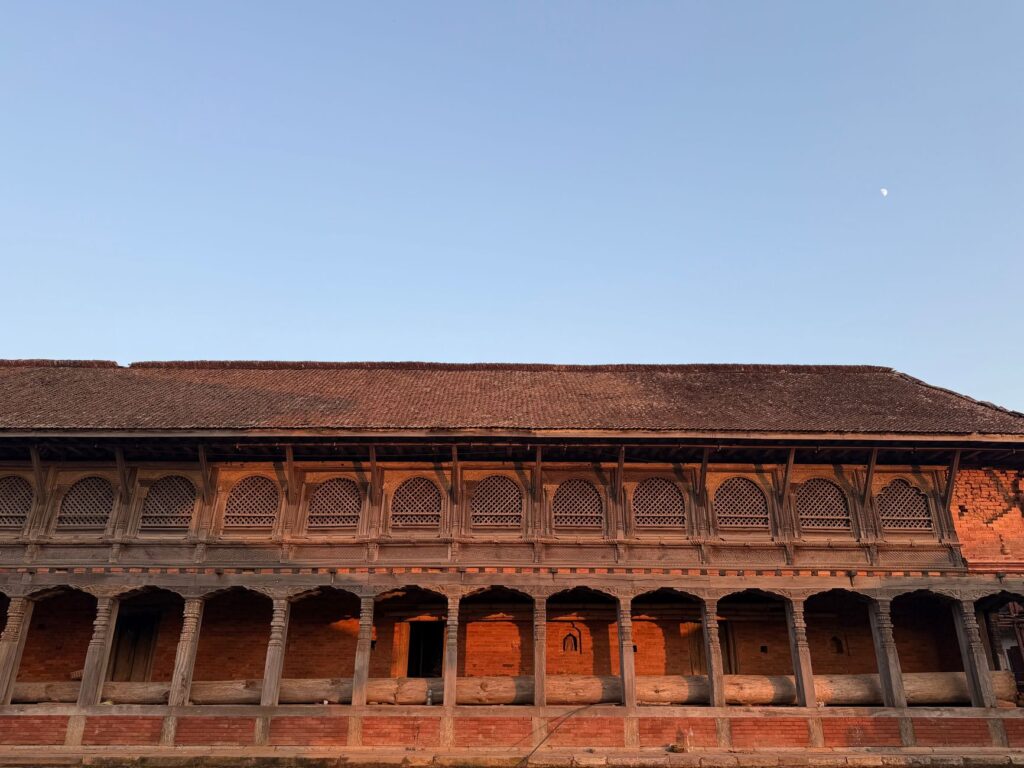
Jaleshwar’s architectural physiognomy responds to an intelligent adaptation to the subtropical climate of Nepal’s lowlands, where high temperatures and seasonal monsoon rains dictate construction solutions. Single-family homes and community buildings employ thick brick walls and sloped tile roofs facilitating thermal insulation and rapid rainwater runoff. Interior courtyards fulfill a dual climatic and social function, allowing cross-circulation of fresh air and serving as protected areas for domestic chores and crop drying.
Despite demographic growth and the gradual introduction of contemporary materials like concrete, the old town preserves numerous examples of vernacular architecture deserving careful observation. Details on door and window frames, crafted from noble regional woods, show artisanal mastery surviving decades of wear. Conserving these historic buildings is a constant challenge for local administration and owners, who strive to balance necessary modernization with the protection of built heritage. The result is an eclectic urban landscape endowed with a strong personality of its own.
Responsible Decisions for Conscious Tourism
The gradual increase in visitors interested in discovering the cultural wealth of the Nepali plains presents new challenges and opportunities for Jaleshwar. Unlike heavily commercialized mountain routes, this destination offers genuine immersion in the daily life of a community that has not transformed into a theme park for tourists. Therefore, traveler responsibility plays a decisive role in preserving local balance, demanding an attitude based on discretion, respect for customs, and minimization of environmental impact during each movement.
Cultural tourism experts recommend prioritizing lodging in locally managed initiatives, hiring regional guides, and maintaining an open attitude toward dialogue without intrusive camera or recording device use. Traveling to Jaleshwar implies accepting that visitors are guests in a shared home, where local rules of coexistence must prevail over individual expectations. This respectful approach ensures that the intangible heritage and daily life of residents continue developing authentically and with dignity for future generations.
Practical guide
Practical guide
- Getting there: Accessible by road from major cities in southern Nepal or by crossing the border from the Indian state of Bihar using local buses or authorized private vehicles.
- Best time to visit: Months between October and March offer pleasant temperatures and stable weather conditions, avoiding extreme heat and heavy monsoon rains.
- Accommodation: Hotel options consist mainly of small family-run establishments in the urban center, ideal for a simple stay connected to the community.
- Recommended gastronomy: Dishes based on local rice, spiced lentils, seasonal vegetables, and traditional Madhesh cuisine preparations made with proximity products.
- Respect guidelines: Requesting permission before photographing individuals in private spaces or religious ceremonies is essential, as is modest dress in temples and places of worship.
- Currency and payments: Carrying Nepalese rupees in small denomination cash is advisable, as card payments are not widespread in local markets and small shops.
- Health and safety: Consuming bottled or purified water, having adequate travel medical insurance, and exercising basic food hygiene precautions are strongly recommended.
Final Reflection on Memory and Future
Across Jaleshwar’s flat horizon, time seems measured by crop cycles, morning prayers by the water, and exchanged greetings at market corners. This corner of southern Nepal demonstrates that true travel wealth lies not in grandiose monumentality, but in the capacity to tune into the unhurried cadence of a community preserving its identity with dignity. Upon leaving the Mahottari plains, travelers carry the certainty of having shared days in a territory where collective memory remains the most solid foundation upon which the future is built.