

Understanding the Daily Pulse of Kibaha in Tanzania
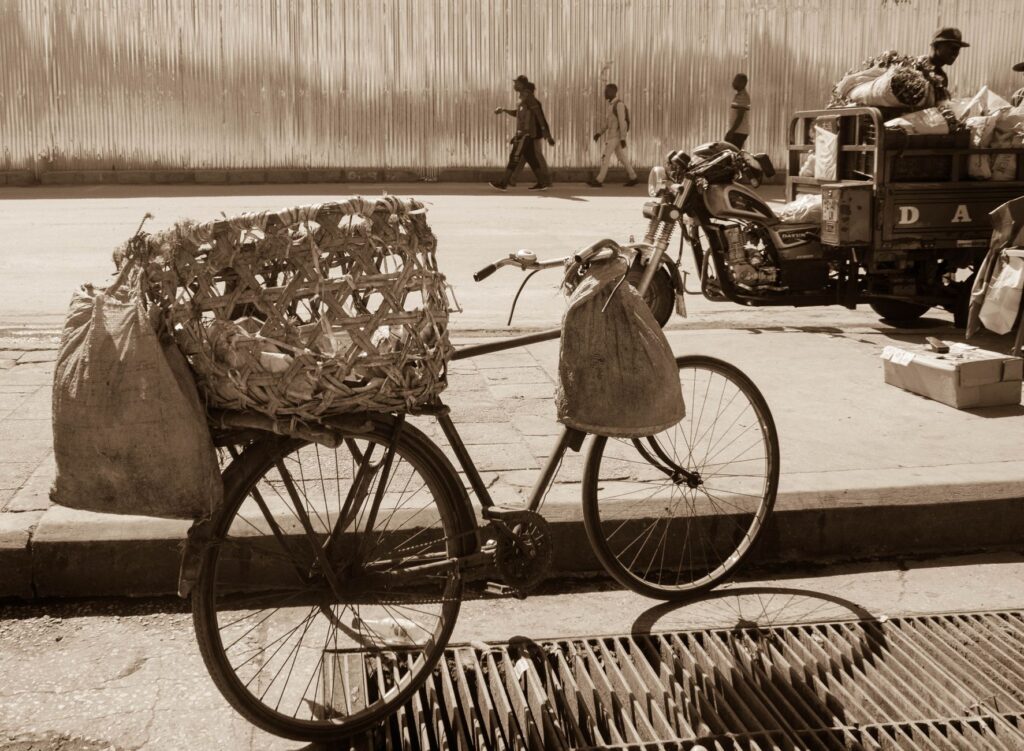
The rhythm of the day in Kibaha is established long before the sun reaches its zenith over the Pwani region in Tanzania. In this dynamic hub, strategically situated along the routes connecting the interior to the coast, culinary activity and local commerce form an inseparable network that sustains everyday life. Mornings begin with steady movement along the main thoroughfares, where provision stalls start displaying fresh goods and sacks of grain that supply both local residents and travelers in transit.
Daily cooking in this territory is not left to chance, but follows a heritage passed down through generations that prioritizes the use of surrounding resources. Maize, the undisputed staple of the diet, is transformed from early morning into fine flour to prepare ugali, the benchmark dish accompanying most lunches and dinners in local households. Around this fundamental ingredient, a deeply rooted economy of subsistence and trade thrives, with merchants playing an essential role in ensuring a constant supply for every neighborhood.
Observing commercial routines in local markets reveals how the inhabitants of Kibaha interact. Far from large urban supermarkets, direct and human-scale commercial exchange is preserved here. Buyers personally inspect vegetables, dried fish brought from coastal routes, and bulk legumes, engaging in unhurried conversations that reinforce community bonds. This closeness turns the act of cooking into a collective exercise of memory and belonging.
The flow of daily commerce extends beyond simple transactions, acting as a vital social anchor for the entire district. Vendors and buyers share news about agricultural yields, weather conditions, and regional events, transforming every market visit into a communal gathering. This continuous exchange of information strengthens the social fabric and ensures that traditional culinary knowledge remains relevant and actively practiced across all age groups.
The Pantry of the Coastal Land and Its Ingredients
The gastronomic wealth of this part of Tanzania relies firmly on products ripening under the equatorial sun. Surrounding lands, characterized by their reddish hue and seasonal fertility, favor the cultivation of cassava, sweet potato, and various millet varieties that complement maize in the daily diet. Each season brings distinct nuances to the market counter, forcing local cooks to adapt their recipes to current availability without losing traditional identity.
The stalls dedicated to spices and condiments clearly reflect the influence of historical Indian Ocean trade routes. Fresh ginger, cloves, and turmeric blend with local chillies to give stews an unmistakable aromatic depth. These combinations do not seek excess, but rather enhance the primary ingredient, whether local beef, fish, or leafy greens cooked with ground peanuts.
The use of coconut oil is another pillar defining the traditional recipe book of Pwani. Its presence in rice dishes and vegetable preparations provides a creamy texture and subtle aroma that distinguishes the cuisine of this geographical strip from the mountainous interior of the country. Cooks handle these elements with intuitive precision, the fruit of years of domestic and family practice.
Local foraging and small-scale cultivation also contribute seasonal greens and wild fruits that enrich the daily diet with essential nutrients. These secondary ingredients are harvested with careful attention to natural cycles, ensuring that gathering practices do not deplete the local flora. Such sustainable harvesting reflects a long-standing environmental awareness embedded in the culinary traditions of the region.
The Essential Role of Provision Markets
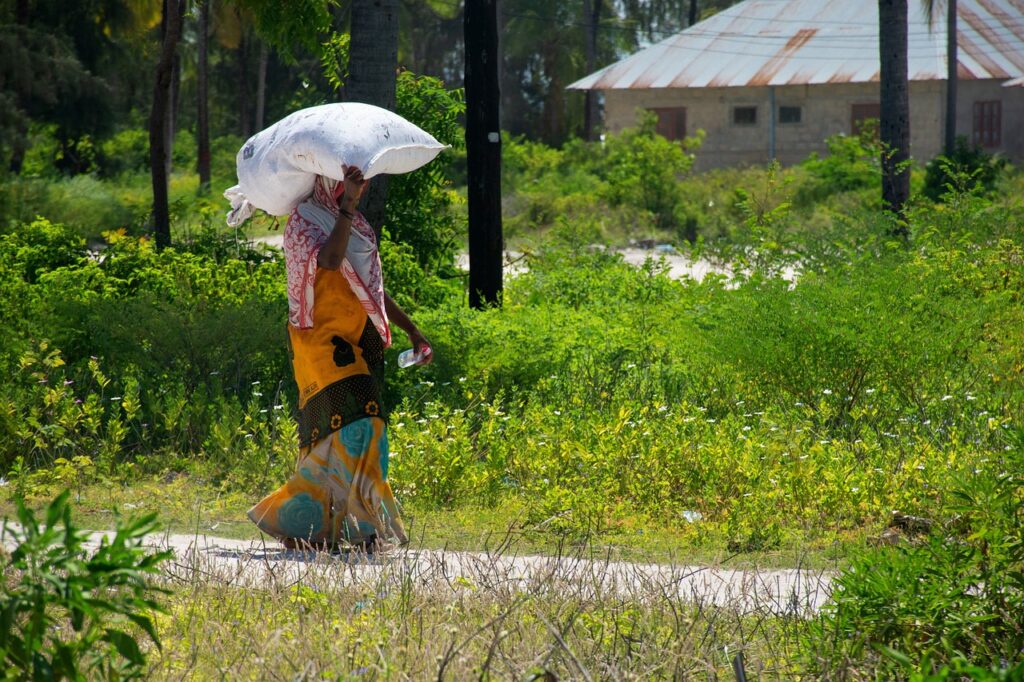
Direct retail spaces are the true social engine of Kibaha. These are not merely places to acquire food, but intergenerational meeting points where harvests, prices, and community news are discussed. From early dawn, local producers arrive with their goods organized in traditional baskets, ready to be displayed on makeshift open-air counters.
The internal organization of these markets follows a spontaneous yet highly efficient logic. Grain and legume zones sit next to spaces dedicated to aluminum or wooden kitchen utensils, while the fresh fruit and vegetable sector occupies the most ventilated areas. This layout facilitates the daily flow of buyers and ensures that product turnover remains agile and constant.
For the curious visitor, walking through these aisles demands respect and unhurried observation. There is no room for haste in an environment where every commercial transaction is accompanied by a cordial greeting and an exchange of courtesies. Understanding this leisurely pace is the key to appreciating the authenticity of a market operating outside the dynamics of mass tourism.
Market stalls also serve as informal information centers where visitors and locals can learn about seasonal dietary shifts. The arrangement of goods offers a visual ledger of what the land currently provides, highlighting the close connection between natural rhythms and daily nourishment in this part of East Africa.
Slow-Fire Techniques and Shared Knowledge
The culinary craft of Kibaha stands out for its patience at the stove. Most main dishes require prolonged simmering in iron pots or clay vessels placed over charcoal stoves. This slow-cooking method allows flavors to concentrate and the textures of meats and tubers to reach optimal tenderness without losing their nutritional properties.
Women largely sustain this culinary know-how, transmitting exact proportions and cooking times to younger generations through daily practice. Cooking thus becomes a space for informal education where lessons in nutrition, domestic economy, and limited resource management are absorbed side by side. Each household maintains its own variations for seasoning fish broths or tomato and onion sauces that accompany cereals.
The value of a traditional recipe does not lie in its complexity, but in the consistency with which a community manages to preserve its memory through the simplest ingredients of everyday life.
This care for culinary details extends to the way meals are shared. Portions are usually served on communal platters, encouraging socialization and dialogue around the table. This age-old custom reflects a societal vision where food is a shared asset reinforcing neighborly cohesion against any adversity.
The mastery of heat control, acquired through years of experience with simple fuel sources, ensures that every dish retains its authentic flavor profile. Cooking over open flames or modest charcoal burners requires constant attention, turning food preparation into an active, mindful engagement with the physical elements of the kitchen.
Everyday Heritage and Community Life
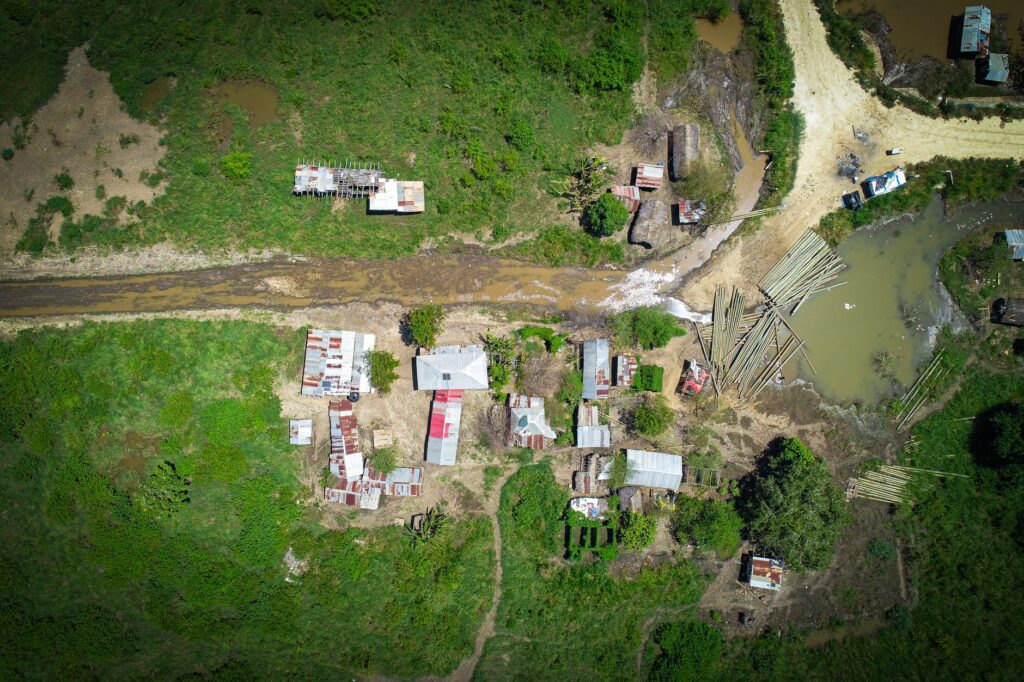
Daily life in Kibaha unfolds between commercial activity and the maintenance of neighborhood networks. The streets surrounding the provision centers display a vibrant scene where craft workshops, small bakeries, and tea stalls coexist in perfect harmony. Here, heritage is not locked inside museums, but manifests on compacted earth facades, corrugated metal roofs, and the steady coming and going of passersby.
Community life is also reflected in how family and seasonal events are celebrated. Weddings, births, and successful harvests are always accompanied by collective banquets involving neighbors from across the district. On these occasions, the labor of cooking is organized cooperatively, dividing cleaning, grinding, and boiling tasks among several generations to ensure no one is excluded from the celebration.

This resilient social fabric allows Kibaha to project itself toward the future without renouncing its roots. Despite population growth and proximity to larger urban centers, the locality retains a distinct character tasted in every dish and discovered in every roadside conversation.
Public spaces and neighborhood pathways serve as extensions of the domestic sphere, where children play under the watchful eyes of elders and local artisans mend tools in public view. This continuous visibility of everyday labor reinforces a collective identity grounded in mutual support and shared responsibility.
Practical guide
- How to get there: Kibaha is accessible by road from Dar es Salaam, with frequent connections via buses and public transport vans known as dala-dalas operating throughout the day.
- When to visit: The dry season months, between June and October, offer the most comfortable conditions for exploring open-air markets and rural paths in the area.
- Where to eat: Small local establishments around the Mkuza market serve traditional dishes such as ugali, stewed dried fish, and peanut-infused greens.
- Local currency: The Tanzanian shilling is the legal tender; carrying cash in small denominations is recommended for everyday market purchases.
- Cultural respect: Visitors are advised to ask permission before photographing merchants or food stalls, and to dress respectfully in accordance with local customs.
- Accommodation: The lodging selection includes small guesthouses and modest inns primarily oriented toward travelers navigating regional transit routes.
Final Reflection on the Tanzanian Table
Approaching the gastronomic reality of Kibaha means discovering a space where cooking functions as a faithful mirror of Tanzanian identity. Every ingredient reaching the market counter, every gesture at the marketplace, and every slow-simmered recipe narrate a story of adaptation, effort, and community. Far from conventional tourist circuits, this corner of Pwani proves that the true wealth of travel lies in the capacity to observe and value the dignity of the everyday.
Responsible visitors who take the time to understand these local dynamics contribute to the preservation of cultural heritage without disrupting neighborhood harmony. By prioritizing local consumption, respecting privacy, and engaging in patient observation, travelers help sustain the authentic rhythms that define life in this remarkable Tanzanian locality.