
The Land of Sunlight and Deep Memory
In the department of Ica, beneath the clear skies of central coastal Peru, the city of Chincha Alta organizes its daily routine among colonial-style street layouts, leafy squares, and a commercial pulse that reflects the richness of its soil. Far from the hustle and bustle of major metropolises, this enclave stands as a neuralgic point where agrarian history, artistic expressions, and the warmth of its residents converge. With an elevation hovering around one hundred and eleven meters above sea level, the municipality enjoys a temperate climate that favors both local agriculture and unhurried strolls along its main avenues. The surrounding topography gently frames this urban sanctuary, offering travelers an immediate sense of geographic clarity and atmospheric serenity.
The passage of hours in Chincha Alta is measured by the sounds of traditional commerce and the steady movement within its provincial seat. Mornings begin early as local markets open their doors to offer the bounty of surrounding valleys, ranging from root vegetables to fresh fruits that supply neighborhood households. Urban life moves naturally among low-rise buildings, small artisan shops, and traditional residential courtyards that preserve the memory of past generations. Each street corner reveals a fragment of Peruvian identity, built upon collective effort and territorial roots that stretch back through decades of shared history.
Walking through these historic neighborhoods allows visitors to observe the quiet rhythm of local existence. Neighbors greet each other from doorways, and shopkeepers arrange their wares with an attention to detail that speaks of professional pride and continuity. This unhurried pace provides an ideal backdrop for contemplation, enabling travelers to absorb the subtleties of provincial life in Peru without the pressures commonly found in larger tourist centers. The air carries the faint scent of nearby orchards and coastal breezes, creating an inviting sensory environment for all who arrive.
Cultural Heritage and Living Expressions
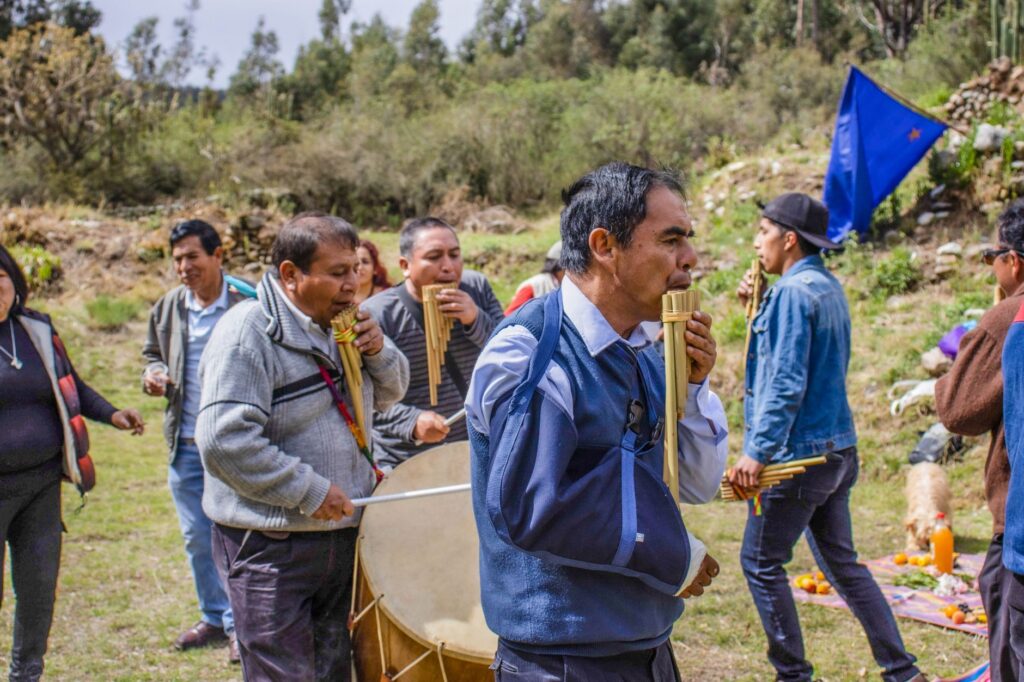
The patrimonial wealth of Chincha Alta is intrinsically linked to its Afro-Peruvian legacy, visible in every artistic manifestation and regional gastronomy. The rhythms of the cajón and guitar form part of the cultural substratum that distinguishes this community within the national panorama. Music is not a decorative element reserved for stages, but a daily presence accompanying festivities, neighborhood gatherings, and the oral transmission of knowledge between elders and youth. These artistic expressions serve as a vibrant bridge connecting historical memory with contemporary cultural vitality.
Local culture draws its strength from respect for ancestral roots and continuous community exchange.
This intangible heritage is complemented by vernacular architecture and the remnants of historic estates framing the surrounding rural landscape. Visitors exploring the outskirts can appreciate the scale of former adobe and wattle-and-daub structures, silent witnesses to eras of agricultural prosperity tied to cotton and grapevine cultivation. The preservation of these spaces offers insight into the territory’s social and economic evolution across the centuries, highlighting the resilience and adaptability of its people.
Community traditions are continuously renewed through local celebrations and neighborhood gatherings where ancestral knowledge is shared openly. Younger generations learn the intricacies of traditional dances and musical forms not through formal academies, but through direct participation in family and community events. This organic transmission ensures that the cultural essence of the area remains dynamic, relevant, and deeply rooted in the daily lives of its inhabitants.
Commercial Pulse and Marketplace Life
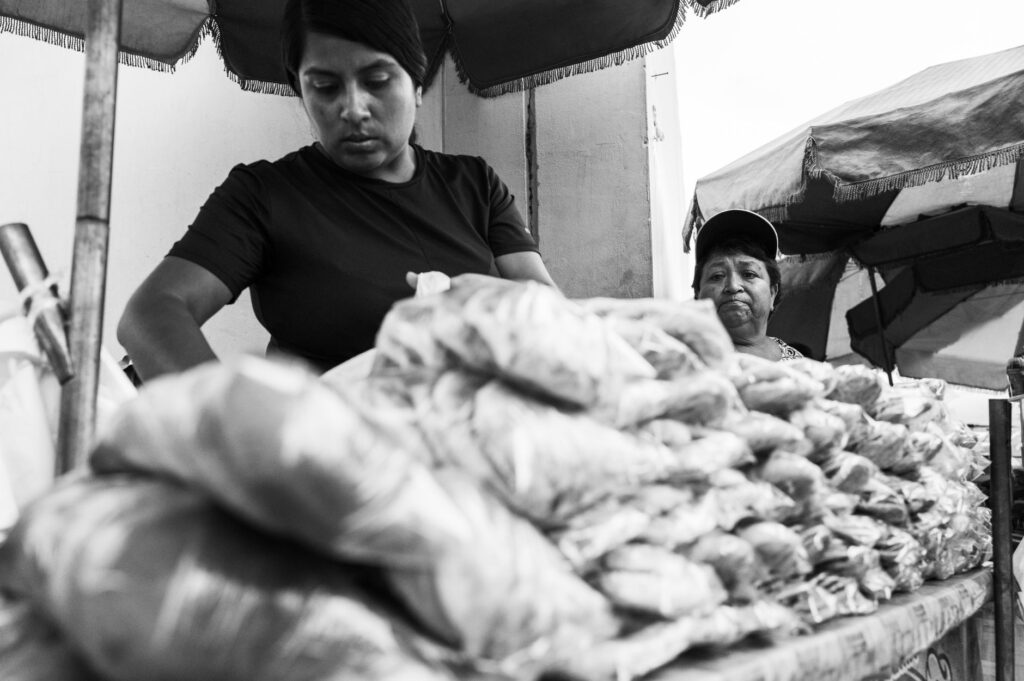
The economic and social heart of the town beats strongly in its markets and popular supply areas. Here, daily routines transform into an exercise in coexistence where producers, merchants, and buyers interact directly. Stalls offer a faithful cross-section of the regional larder, highlighting grape-derived products, artisanal piscos, and culinary preparations combining coastal and Creole techniques. The vibrant colors and aromas of fresh produce create an atmosphere of authentic commercial vitality.
The true value of a destination is measured by the capacity of its markets to narrate the everyday history of its people through local flavors and gestures.
Walking through these commercial zones reveals the dynamics of an industrious neighborhood maintaining centuries-old trading traditions. Local shopkeepers act as informal chroniclers of the municipality’s recent history, sharing anecdotes about harvests, weather patterns, and urban changes that have transformed the environment without altering its communal essence. Their willingness to converse offers visitors a window into the human dimensions that sustain the local economy.
The marketplace also serves as a vital social hub where news is exchanged, friendships are reinforced, and the collective mood of the community is reflected. Transactions are conducted with a personal touch that mass retail environments have long forgotten, emphasizing relationships over mere commercial efficiency. For the attentive traveler, spending time in these bustling spaces offers an unvarnished look at the social fabric of provincial Peru.
Traditional Architecture and Public Spaces
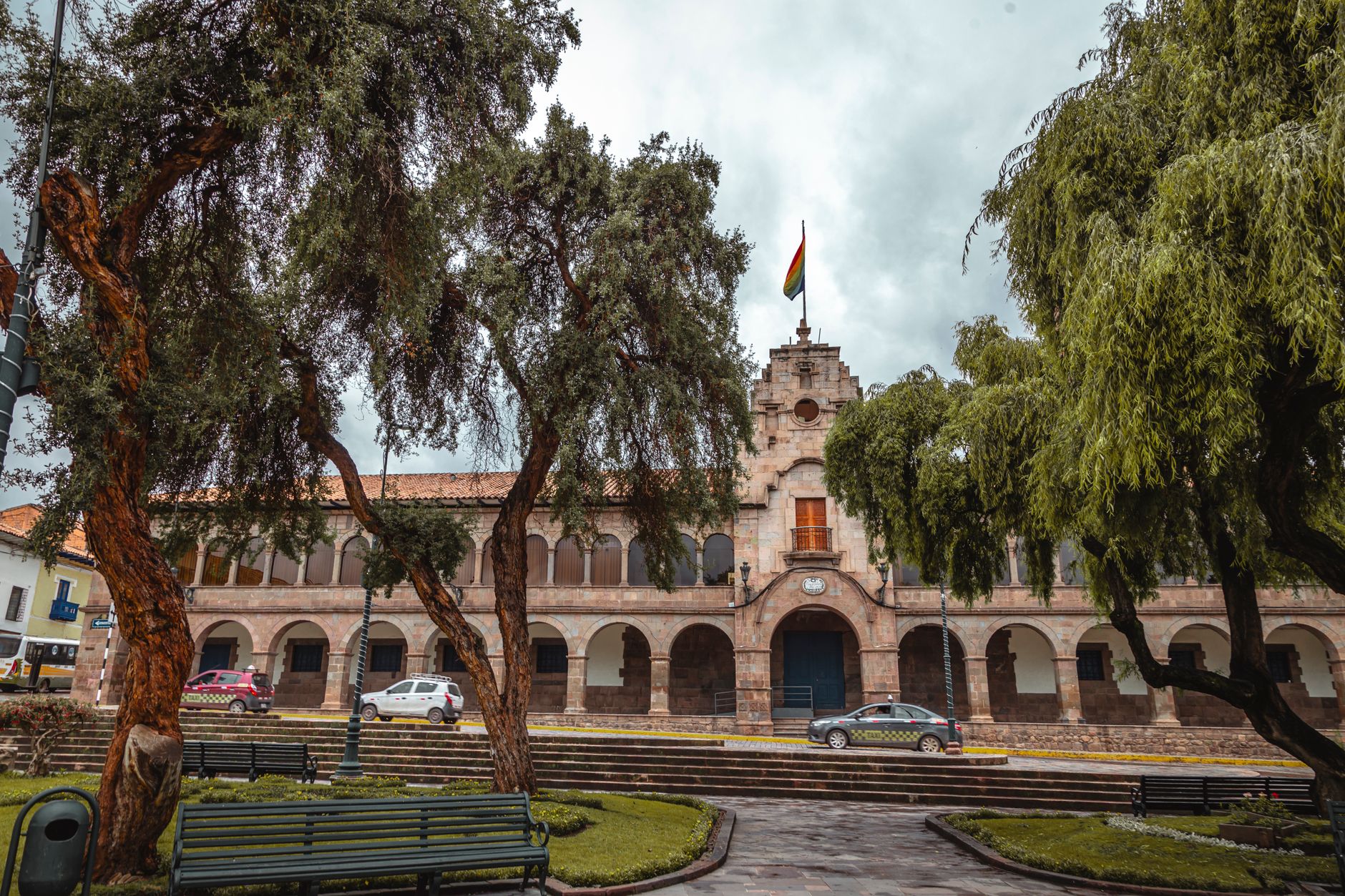
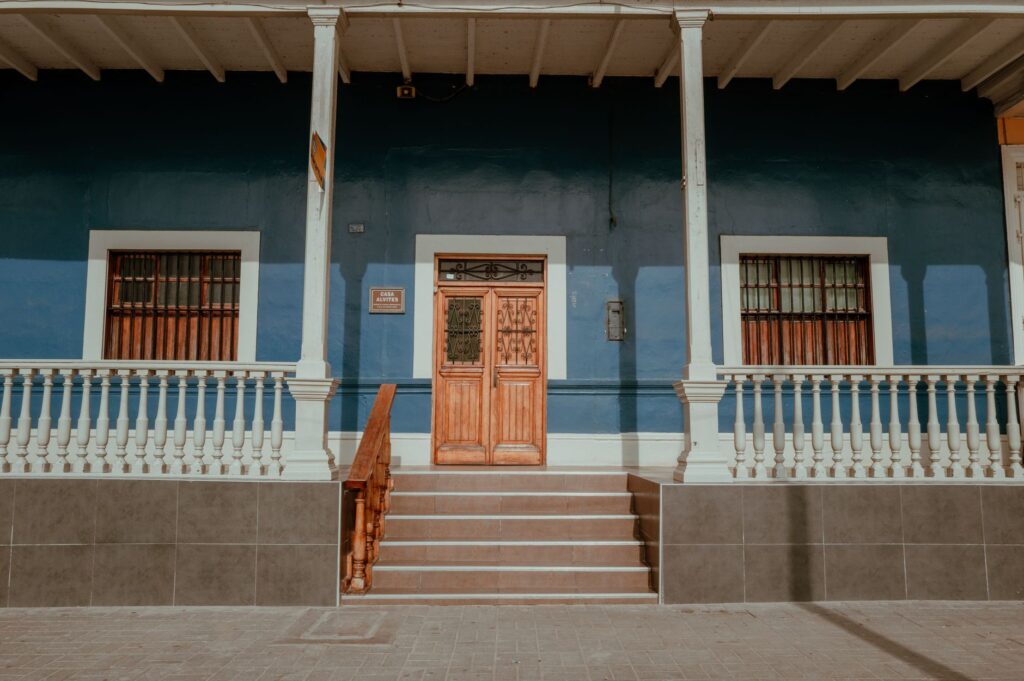
Chincha Alta’s urban fabric preserves notable examples of republican and traditional coastal architecture. Facades with wooden balconies, wide entry hallways, and interior courtyards typical of historic townhouses provide a cool refuge against the heat of the Ica desert. These construction elements respond not only to aesthetic criteria but also to bioclimatic adaptations developed by local builders over generations, ensuring comfort in an arid environment.
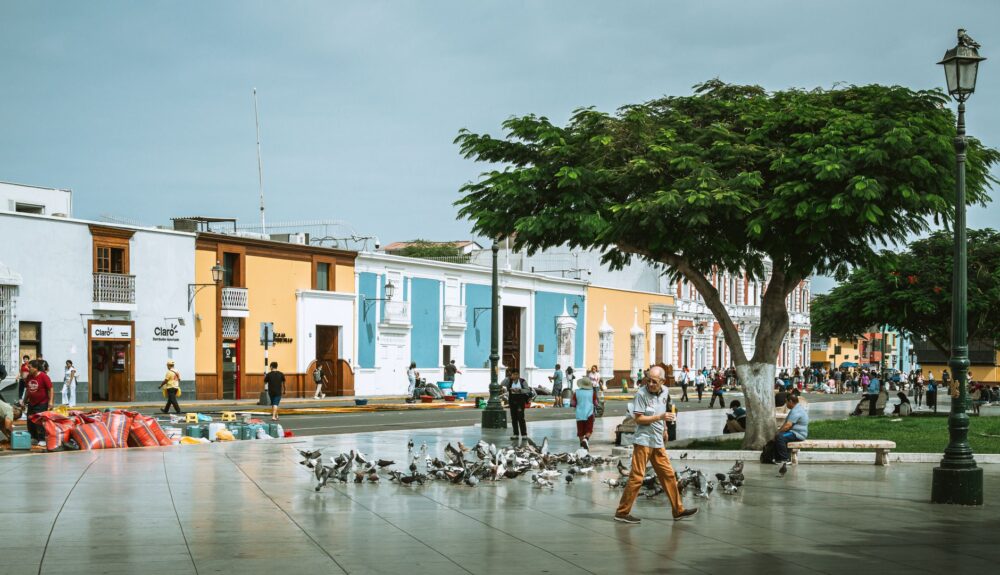
Squares and small plazas serve as intergenerational meeting points. In the afternoons, when the sun lowers and temperatures soften, residents gather on public benches to converse while children play in open spaces. This active neighborhood life reinforces the social fabric and provides travelers with an authentic perspective of Peruvian daily life, far removed from mass tourism circuits. The careful maintenance of these public areas reflects a collective pride in the town’s spatial heritage.
Architectural details such as forged ironwork, carved wooden lintels, and high ceilings speak of an era when craftsmanship was paramount. While modern construction has inevitably introduced new styles into the urban periphery, the historic core retains a coherent character that invites architectural appreciation. Walking these streets is akin to turning the pages of an open-air book on regional building traditions.
Agricultural Surroundings and Neighboring Valleys
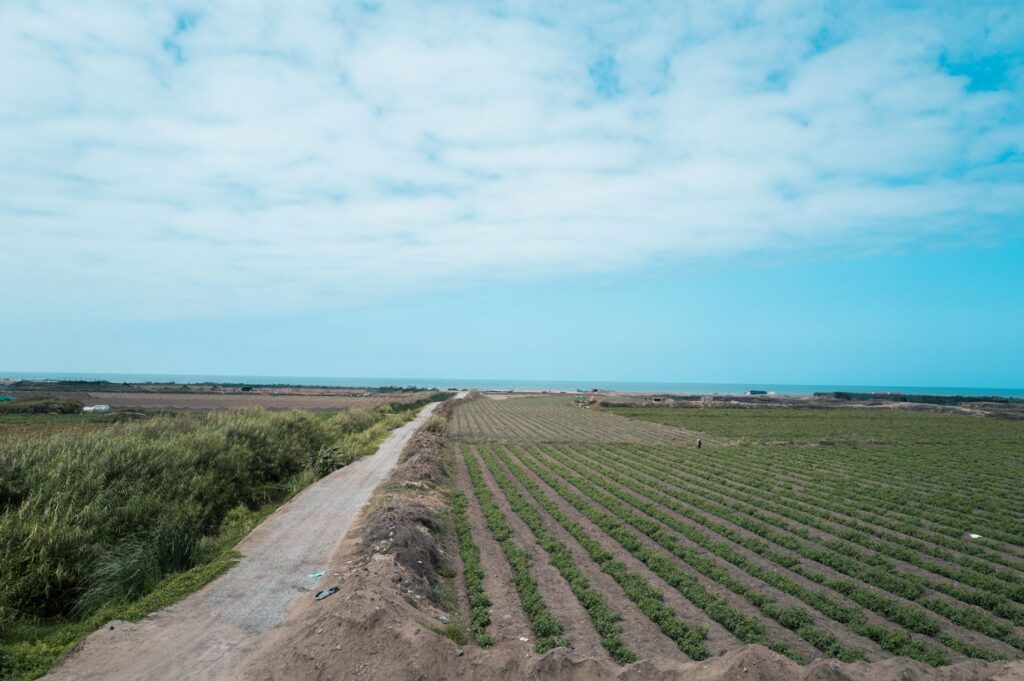
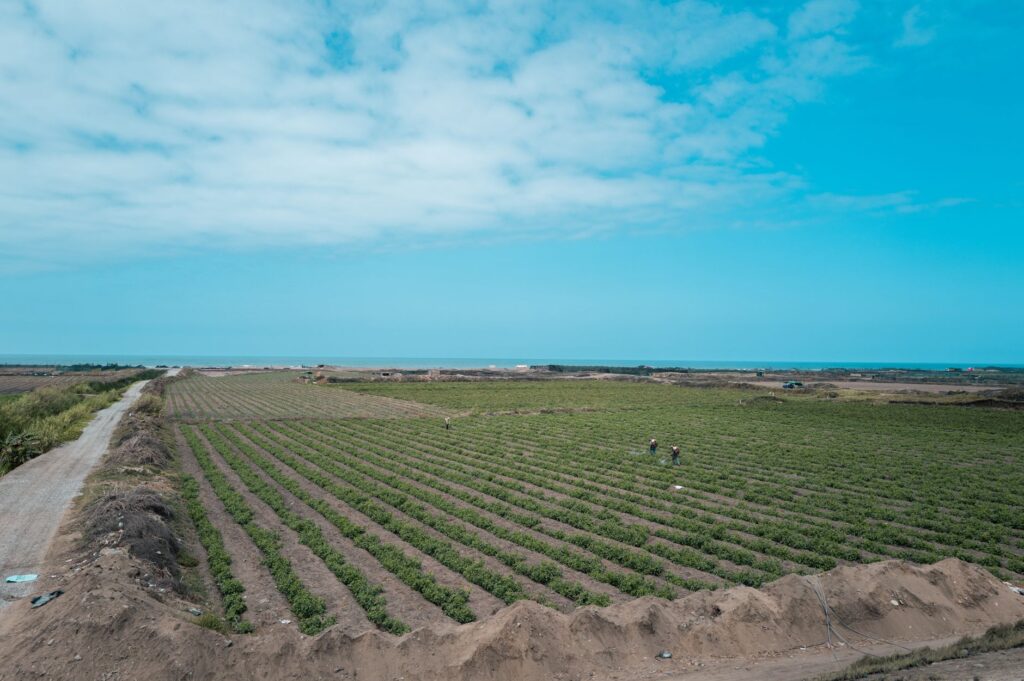
Beyond the urban center, Chincha Alta’s landscape transforms into a mosaic of fertile valleys dedicated to intensive farming. Irrigation canals, harnessing water resources from the western slopes of the Andes, nourish fields where grapevines, broad beans, and fruit trees thrive. This agricultural vocation defines the local economy and shapes a rural landscape characterized by dirt tracks flanked by groves and family plots, creating a peaceful pastoral setting.
The symbiotic relationship between the city and its surrounding fields ensures food sustainability and the preservation of the cultural landscape.
Tours through rural lanes offer glimpses of traditional farming practices passed down from parents to children. Local farmers manage crops with a deep understanding of seasonal cycles, ensuring high-yield harvests that supply both neighborhood markets and distribution centers in the nation’s capital. This agricultural dedication underpins the self-sufficiency and economic stability of the region.
The visual harmony of cultivated fields against the backdrop of arid hills creates a striking landscape characteristic of Peru’s southern coast. Observing farm workers tending their plots provides a deeper appreciation for the labor-intensive nature of coastal agriculture. It is a reminder that the culinary delights found in local markets are the direct result of enduring rural traditions and careful land stewardship.
Flavorful Traditions in Chinchana Cuisine
Gastronomy stands undeniably as one of the fundamental pillars for understanding Chincha Alta’s identity. Local kitchens prepare emblematic dishes combining Creole seasoning with indigenous ingredients. Recipes based on fresh seafood from nearby shores, marinated meats, and traditional seasonings form a culinary repertory noted for its intensity and variety, reflecting the multicultural history of the region.
Family-run eateries and traditional picanterías are where this culinary heritage is best appreciated. Local cooks employ techniques inherited from their ancestors, prioritizing seasonal produce sourced from neighborhood markets. Each served dish is a synthesis of the municipality’s multicultural history, where indigenous, Spanish, and African influences converge in harmonious balance, offering an unforgettable experience for the palate.
The preparation of local dishes is often a communal affair, carried out with patience and adherence to traditional recipes that have stood the test of time. From savory stews to delicate desserts flavored with local fruits, every culinary creation tells a story of adaptation and cultural fusion. Sharing a meal in these traditional establishments connects the visitor directly with the warmth and hospitality of the Chinchana people.
Responsible Practices for the Conscious Traveler
Tourism in Chincha Alta requires a respectful and conscious approach toward the environment and its host community. To fully enjoy the experience, travelers are encouraged to follow guidelines that directly benefit the local economy and minimize negative impacts on the town’s cultural and natural heritage.
- Prioritize spending at family-owned accommodations, restaurants, and shops to support the local economy.
- Respect neighborhood coexistence rules and the quiet schedules of public and religious spaces.
- Support traditional artisans by purchasing pieces crafted directly in their workshops.
- Use shared transportation or walk through the urban center to reduce carbon footprint.
- Consult official sources and community guides to learn about local festivities and participate respectfully.
Adopting these mindful habits ensures that tourism remains a positive force for the municipality, preserving its authenticity for future generations. Conscious travel is not merely about observing a destination, but about engaging with it in a manner that honors its history, its environment, and its people.
Practical Guide
Location: Chincha Province, Ica Department, Peru.
How to Get There: Accessed via the Pan-American South Highway from Lima, in a bus or private vehicle journey taking approximately three hours.
Climate: An arid and temperate climate prevails, with warm daytime temperatures and moderate drops at night. Precipitation remains scarce throughout the year.
Currency: Peruvian Sol (PEN). Carrying cash in local currency is recommended for transactions in markets and small establishments.
Best Time to Visit: The transitional months between southern spring and summer offer optimal conditions for exploring both the urban center and surrounding agricultural valleys.
Local Etiquette: Greeting residents politely when entering small shops or neighborhood spaces fosters positive interactions and reflects cultural respect.
Visual Memory and Shared Horizon
The journey through Chincha Alta concludes with the certainty of having traversed a space where history is not exhibited in display cases, but breathed into every corner of its urban and rural geography. As dusk settles over adobe rooftops and tree canopies lining the squares, the locality reveals its most intimate and enduring face. A destination that, through the dignity of its everyday life, invites travelers to view the world with heightened attention, patience, and respect for the cultures sustaining it.
Leaving this coastal enclave does not mean severing ties with its spirit; rather, it carries forward a renewed appreciation for communities that maintain their identity through quiet perseverance. The memories of sunlit plazas, market chatter, and rustling orchards remain long after departure, serving as a lasting reminder of Peru’s diverse cultural tapestry and the enduring value of local heritage.