
Introduction to the Brewing Pulse of Brussels
The capital of Belgium cannot be understood solely through its Gothic architecture or its complex institutional political framework; its true substance beats in the dark wooden counters of its centuries-old taverns and in the morning hustle of its traditional food markets. Here, beer is not merely an accompaniment or a mass-consumed product, but a liquid historical document that has survived wars, industrial revolutions, and urban transformations. Walking through the food markets of Brussels and stepping into its traditional brewing workshops means immersing oneself in a culture where patience, natural microbiology, and respect for basic ingredients constitute a true secular religion.
The city’s urban landscape is dotted with buildings where the aroma of toasted malt and wild yeast mingles with everyday bustle. From the fresh produce stalls at the Sainte-Catherine market square to the aging cellars of the peripheral abbeys, the value chain of Belgian beer is sustained by a network of small producers, master brewers, and grocers who defend the value of authenticity against global standardization. This report explores the depths of this millenary tradition, analyzing how cereal and water are transformed into masterpieces of fermentation through methods that have barely changed in centuries.
The Geography of Hops: From Fields to Market Stalls
To understand the present state of beer in Brussels, one must look back at the agricultural geography that supplies its boiling coppers. Although the city is an eminently urban environment, its connection with the surrounding countryside—especially the Zenne valley and the regions of Flanders and Brabant—is umbilical. In local markets, such as the lively market at the Place du Jeu de Balle or the city’s historic covered stalls, seasonal produce merchants maintain a direct relationship with farmers who grow indigenous varieties of brewing barley and whole-cone hops.
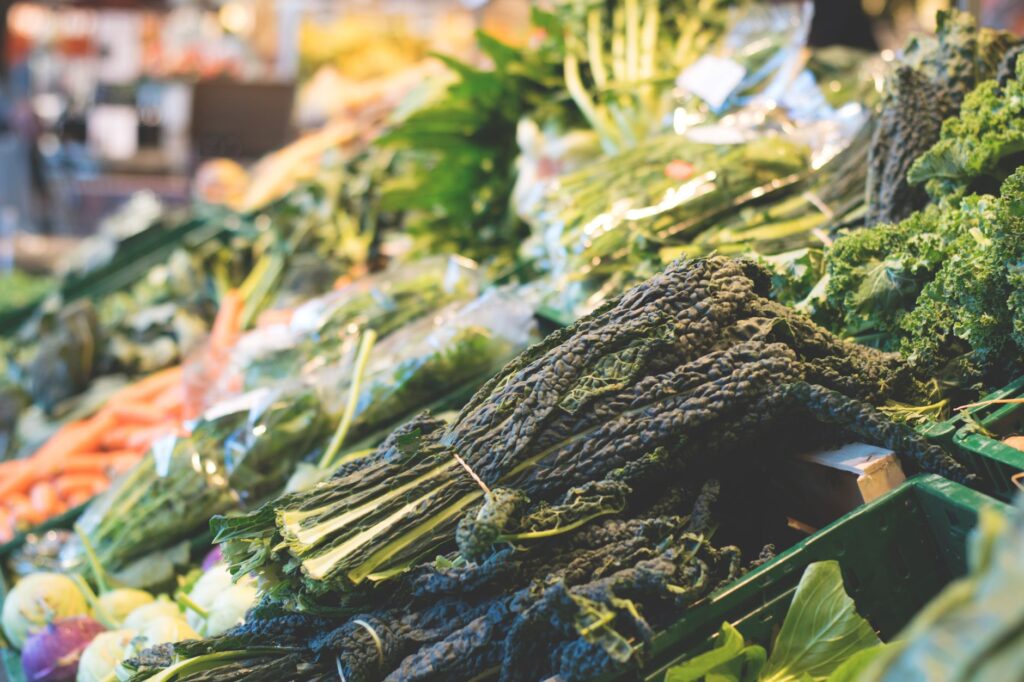
Unlike the industrial extracts used in modern mass production, traditional regional brewers insist on the use of fresh hops and unprocessed cones. This approach demands precise logistics and deep knowledge of annual harvests. In the market aisles, specialized stalls routinely offer not only the final product but also special malts, selected yeasts, and botanical herbs traditionally used to flavor brews before boiling. The interaction between the food market and the traditional brewery creates a symbiotic ecosystem where gastronomy and drink share a single territorial origin.
The Invisible Alchemy: The Mystery of Spontaneous Fermentation
If there is one element that radically distinguishes the brewing tradition of Brussels and its surroundings, it is the process known as spontaneous fermentation, the basis of the emblematic Lambic beer family, as well as its evolutions in the form of Gueuze and Kriek. Unlike the vast majority of beers worldwide, which rely on laboratory-cultivated yeast strains controlled with millimeter precision, spontaneously fermented beers entrust their soul to the open air of the Zenne valley.

During the colder months of the year, the hot wort—a precise mixture of malted barley and unmalted wheat—is pumped into a wide, shallow vessel located in the upper part of the brewery, known as a coolship. Exposed to the atmosphere through open windows, the liquid comes into contact with wild yeasts and native bacteria floating in the local microclimate, especially Brettanomyces bruxellensis and Brettanomyces lambicus. This unrepeatable phenomenon endows the resulting liquid with a unique organoleptic complexity, characterized by acidic, earthy, and wild notes that baffle the novice and fascinate the connoisseur.
Spontaneous fermentation is the only case in global oenology and brewing where climate and territory are drunk directly in the form of invisible microorganisms.
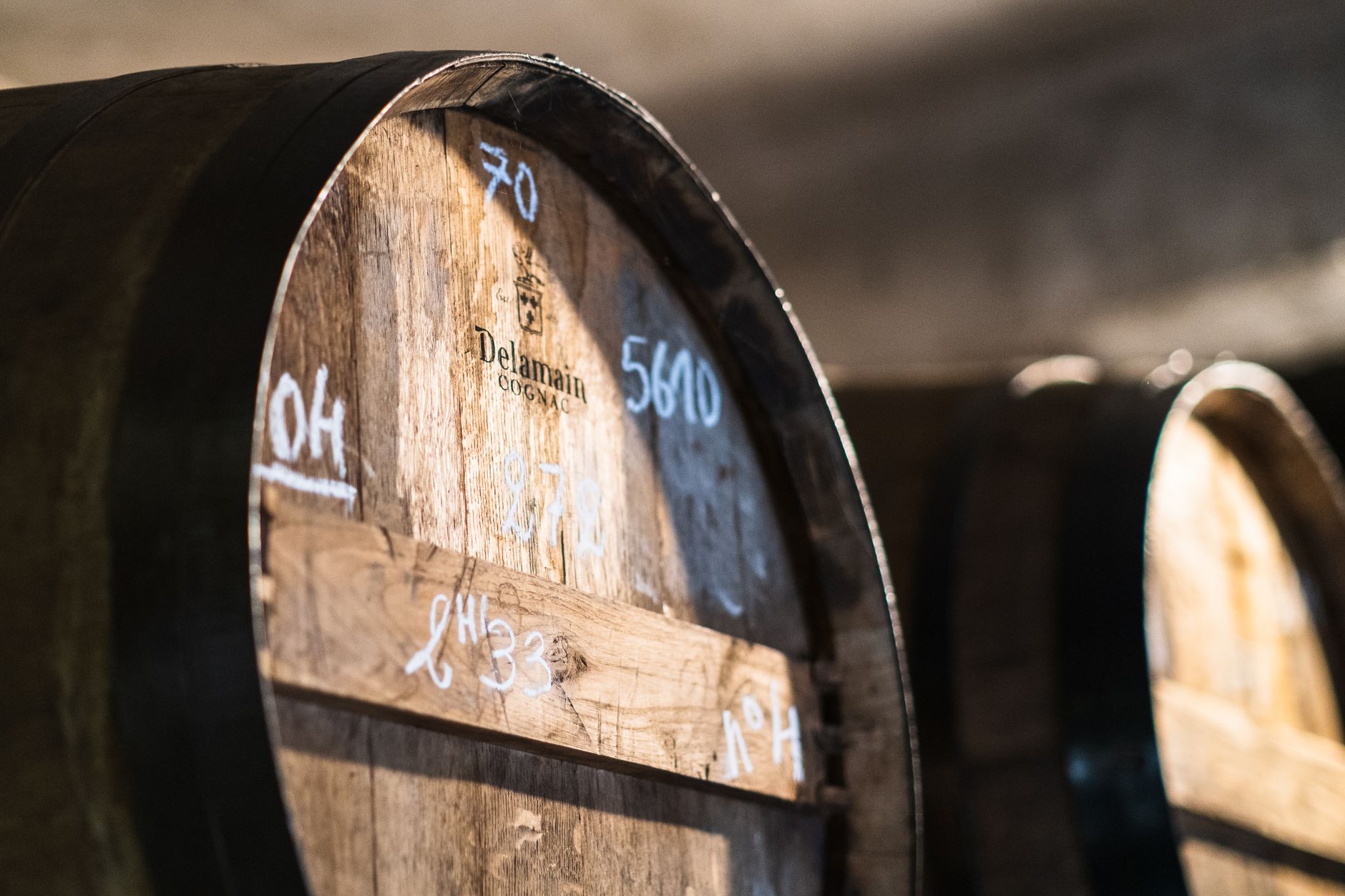
The process continues with the transfer of the wort into old oak barrels, often sourced from wine cellars in Bordeaux or the Loire, where it rests for months or even years. The wood does not impart a dominant new-oak flavor; instead, it acts as a lung through which the liquid breathes, allowing slow and complex maturation. It is this geological patience that turns every batch into an unrepeatable piece, subject to the whims of weather and time.
The Liturgy of Gueuze and Blending
Once the barrels have completed their maturation cycle, one of the most respected and enigmatic figures in the guild steps in: the master blender. In the scarce traditional breweries and geuzeries still operating in and around Brussels, this artisan tastes barrel by barrel to evaluate the degree of acidity, dryness, and evolution of each contents.
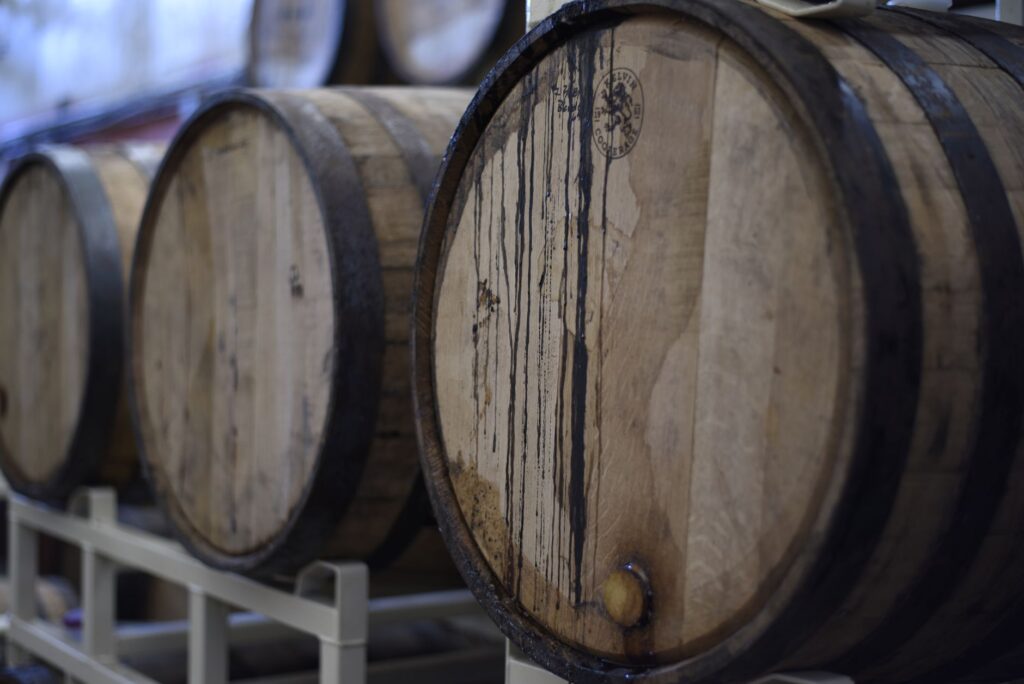
The production of classic Oude Gueuze is a delicate art of assemblage: young Lambics—which still contain fermentable sugars—are combined with mature Lambics aged for two and three years. Bottling this blend triggers a secondary fermentation inside the glass thanks to residual sugars and the renewed activity of the yeasts. The result is an intensely carbonated beverage with a dense, ephemeral head, a refreshing acidity that cleanses the palate, and an aromatic depth that evolves in the glass as the temperature rises slightly.
This practice, passed down from generation to generation often orally and empirically, came close to disappearing in the mid-20th century due to mass industrialization and popular preference for light, standardized lagers. However, thanks to the cultural resistance efforts of small producers and heritage defense associations, Gueuze has regained its status as one of Europe’s most treasured gastronomic assets.
The Market as Agora: Provisions and Popular Culture
The link between beer and food markets in Brussels goes far beyond mere commercial transaction; these spaces function as true urban agoras where the social life of neighborhoods is woven. The Clematites Market or the historic stalls around the Grand-Place have housed for centuries not only the sale of vegetables and meats, but also the meeting points where guilds closed their commercial agreements accompanied by a pitcher of local beer.

Today, food markets have transformed to integrate tasting stalls where local brewers present their creations directly to the final consumer. This proximity allows for unparalleled knowledge exchange. Buyers can ask about the origin of the hops, the roast level of the malt, or the exact barrel-aging time, receiving a direct response that humanizes the product. Grocers act as cultural prescribers, selecting references from independent microbreweries that barely have the capacity to distribute through large commercial chains.
Beer Cooking: When the Stew Embraces the Hop
The influence of beer culture in Brussels is not limited to the glass; it decisively impregnates the region’s traditional recipe book. Emblematic dishes like carbonnade flamande—a beef stew simmered for hours with dark abbey beer, gingerbread, and mustard—demonstrate the culinary versatility of this ingredient. The acidity and bitterness of beer act as natural degreasers and meat fiber tenderizers, achieving textures that would be impossible to reach using only wine or broth.
Similarly, North Sea fish, such as mussels—the national emblem alongside french fries—find their ideal match in wheat beer broths and preparations. In traditional restaurants in the historic center and neighborhood bistros, chefs collaborate closely with brewers to design paired menus where each dish highlights the specific notes of the drink, whether citrus nuances, intense roasts, or a bitter, lingering finish.
Practical Information for the Traveler and Researcher
For those interested in delving into the beer culture and historic markets of Brussels rigorously, it is recommended to plan the itinerary by avoiding purely commercial circuits and committing to walking exploration of traditional neighborhoods like Marolles, Ixelles, and Anderlecht.
- Getting There: Brussels-Zaventem Airport has direct rail connections to the city’s Central Station in less than twenty minutes. The metro and tram network provides easy access to peripheral markets.
- Best Time to Visit: Autumn and winter months offer the opportunity to witness coolships in full spontaneous fermentation season, alongside experiencing the atmosphere of covered markets.
- Essential Markets: The Sunday market at Place du Jeu de Balle for antiques and local produce; the food stalls at Sint-Goriks Market; and specialized shops around the Sainte-Catherine area.
- Etiquette and Consumption: In traditional taverns, each beer style is strictly served in its corresponding glass, designed to concentrate specific aromas. It is recommended not to request ice or alter the recommended serving temperature set by the publican.
The true traveler is not one who collects monuments, but one who understands the cultural intentionality behind a shared food and drink.
Visual Close: The Persistence of a Millenary Tradition
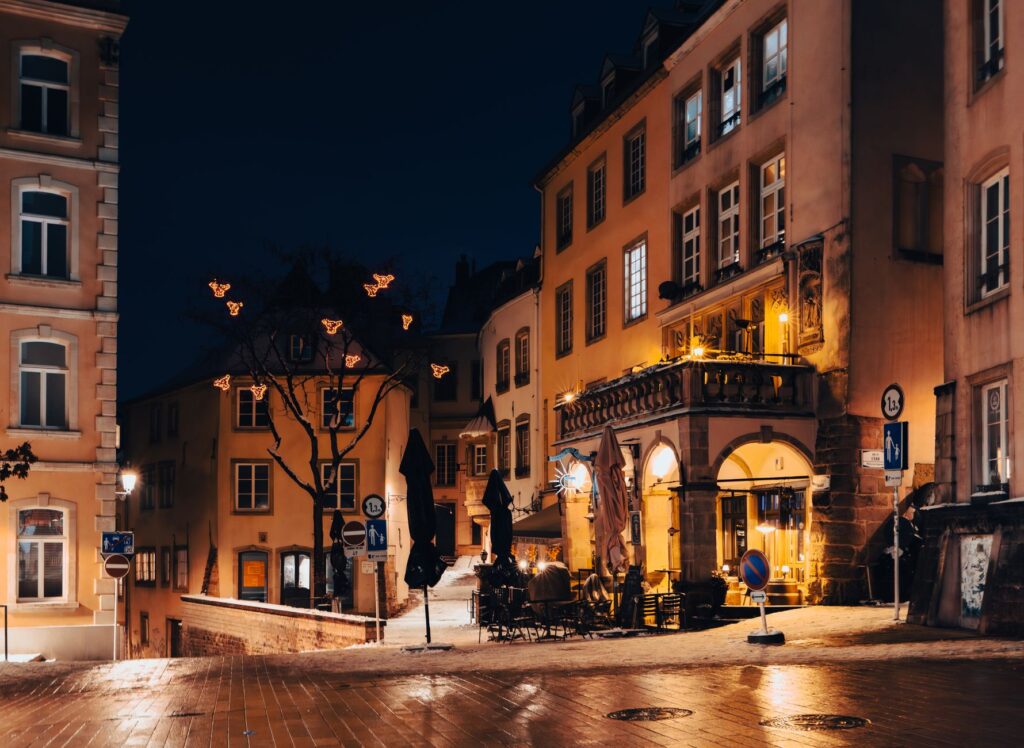
As evening falls, when market awnings are rolled up and daytime bustle gives way to the warm glow of street lamps on cobblestones, Brussels reveals its most intimate face. Inside secular taverns, beneath ceilings darkened by decades of pipe smoke and conversation, pitchers continue to rise in a silent toast that defies the passage of time. The beer culture of the Belgian capital is not a museum piece destined for passive contemplation, but a living organism that reinvents itself every day in workshops, oak barrels, and the hands of those who, with infinite patience, continue to transform cereal and air into liquid poetry.