
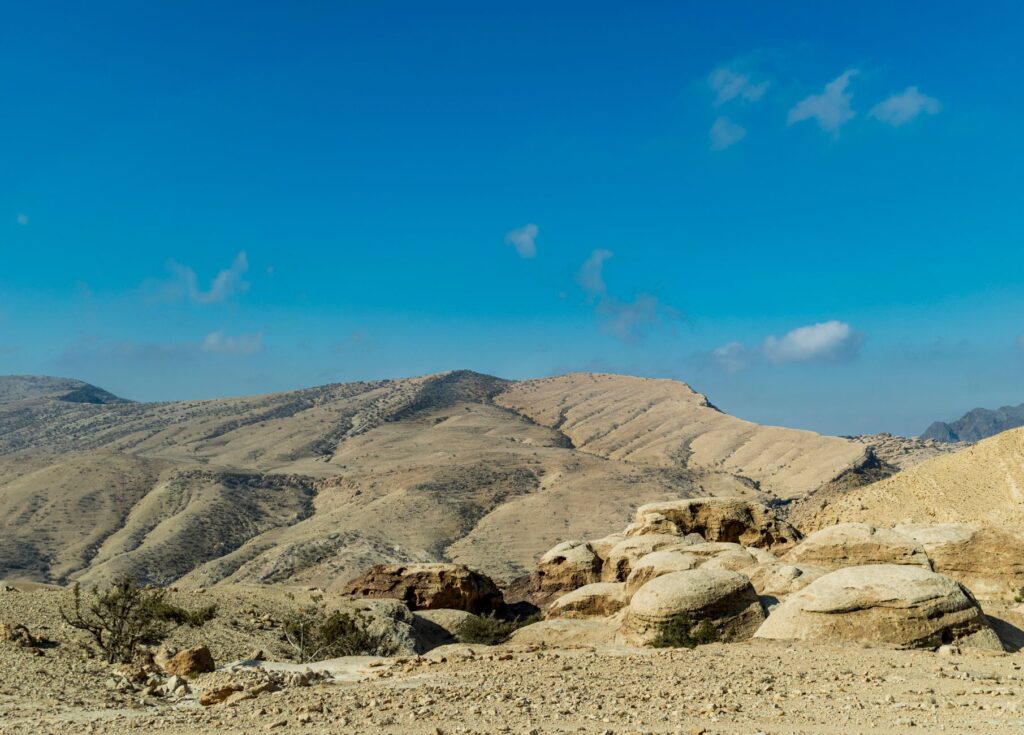
In northern Jordan, some 572 metres above sea level on the plateau that separates the Jordan Valley from the highlands around Amman, the municipality of Az̧ Z̧ulayl gathers more than fifty thousand people in a landscape that forgives no improvisation. The steppe around it is dry, stony and bright, and its existence depends on a resource rarely seen: water that moves underground, is captured in cisterns and is shared with patience among orchards, watering troughs and households.
Visiting this corner of Jordan is not about seeking a coastline or a reef. It is about learning to read an aquatic ecosystem expressed through seasonal springs, historic channels and tanks cut into rock. The question guiding this report is simple and urgent: how do you protect a fragile water system when tourism begins to look at it with interest?
A plateau explained by its water
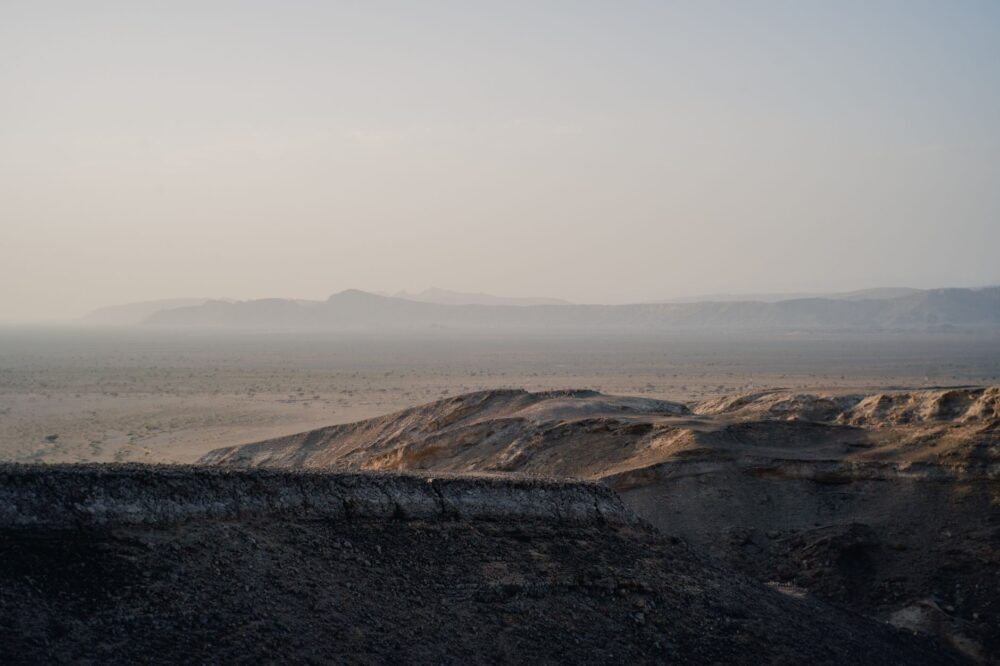
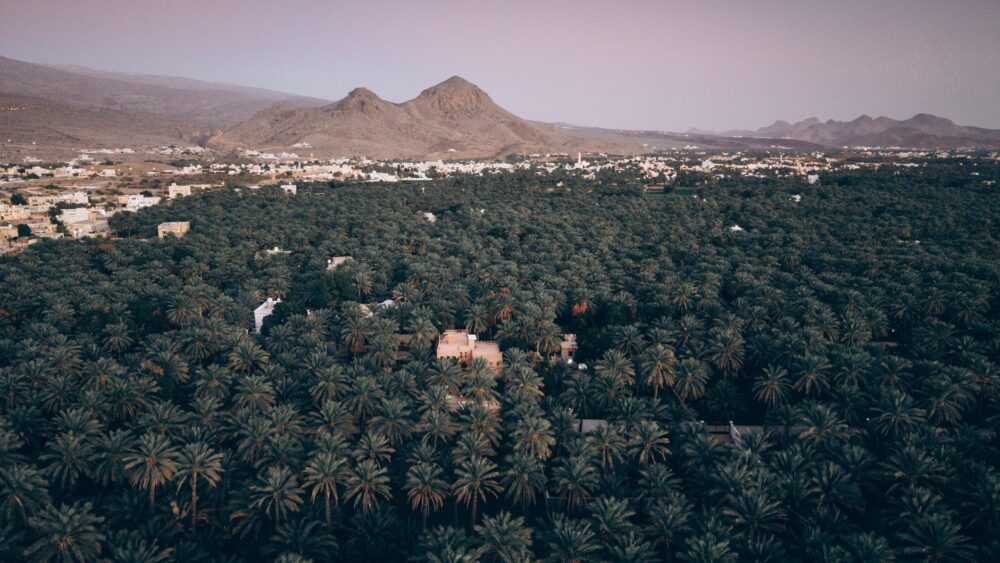
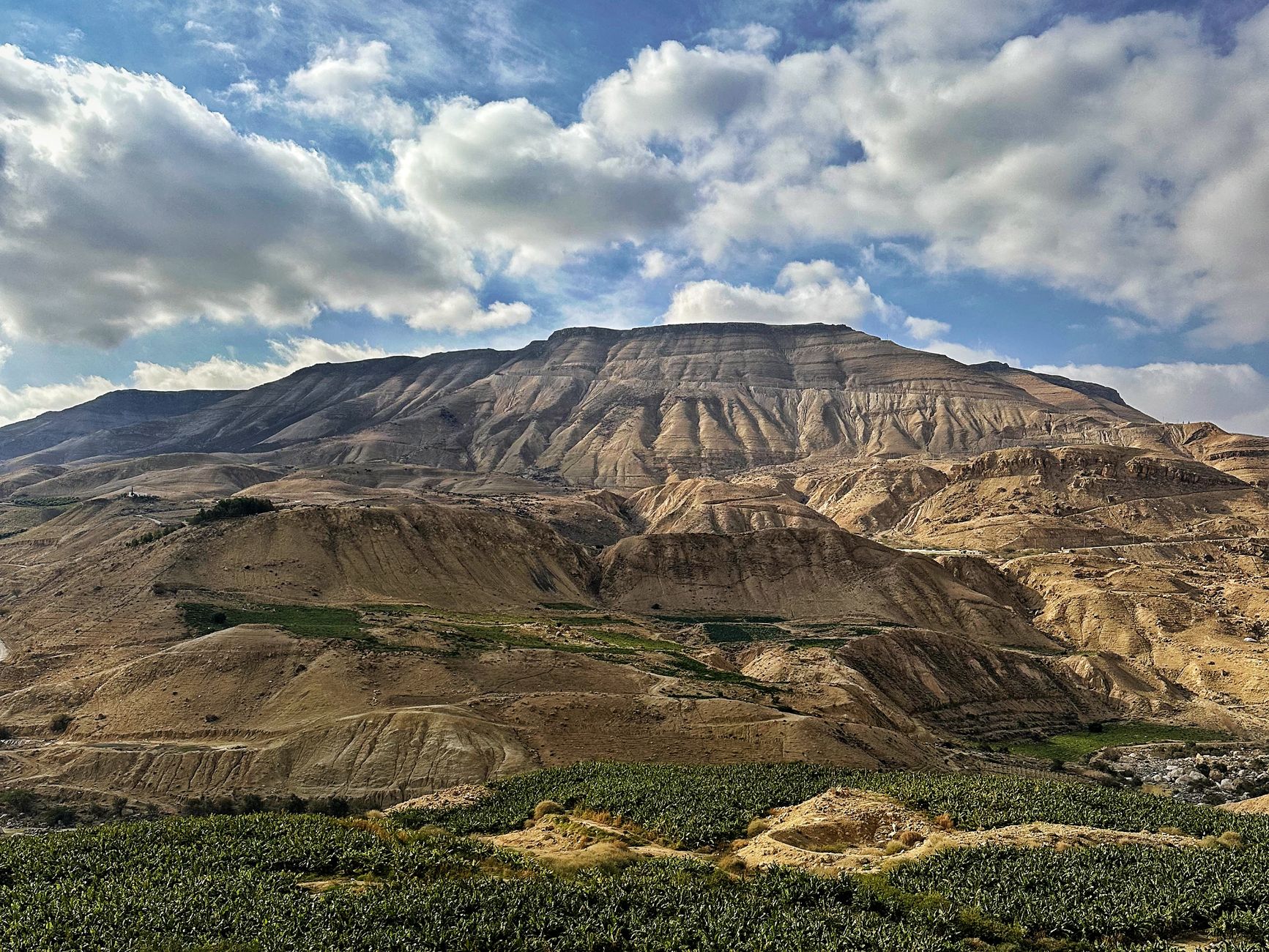
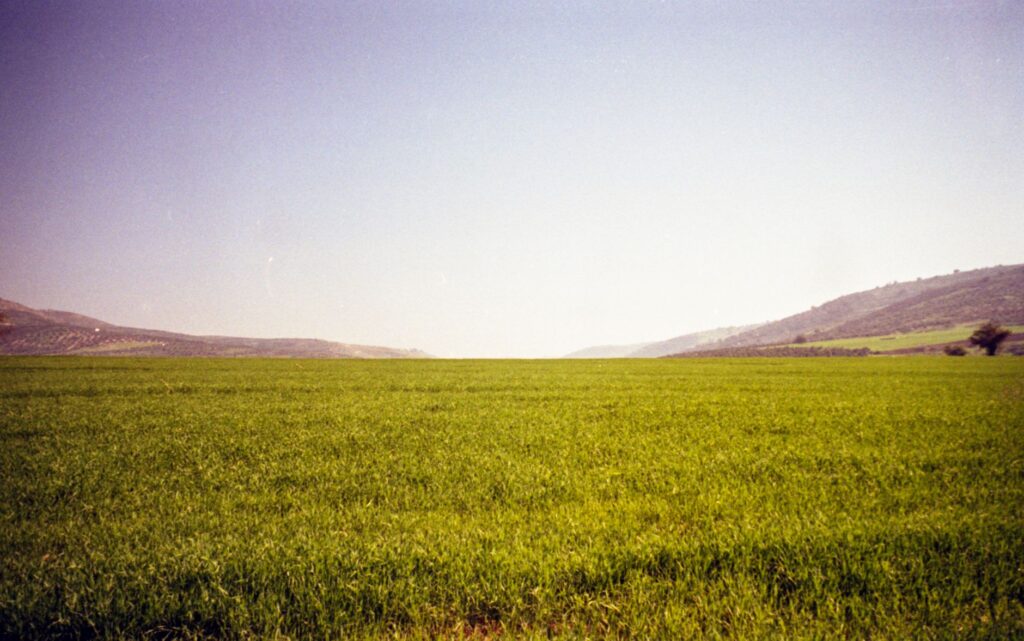
Az̧ Z̧ulayl belongs administratively to the Zarqa Governorate in north-central Jordan. The relief is gentle, dotted with limestone and marl hills, and the dominant vegetation is low, hardy scrub, interspersed with olive and almond trees where irrigation allows. There are no large rivers: water is organised through temporary runoff descending toward the Jordan Valley and through aquifers that sustain wells and springs.
That invisible architecture explains almost everything else. The layout of homes, the orientation of orchards and the oral memory of the area all revolve around who has access to a cistern and when. Water here is not scenery: it is social infrastructure that is inherited, shared and sometimes disputed.
The aquatic ecosystem you do not see at first
Anyone expecting a continuous wetland will be mistaken. The aquatic ecosystem of Az̧ Z̧ulayl is intermittent: it appears in depressions after rain, shelters in modest springs and concentrates where limestone allows water to surface. Around those points grows riparian vegetation adapted to drought: tamarisk, reeds, scattered cane.
These microhabitats host migratory waterbirds, amphibians and an insect fauna that sustains the steppe food chain. The wildlife is not spectacular, but it is indicative: when a spring dries or becomes polluted, the absence of certain species signals trouble before any report does. The health of water is measured in animal presence, not only in litres.
In the Jordanian steppe, conserving water means conserving everyday life: without cisterns there is no orchard, and without an orchard there is no community to care for the spring.
Communities that manage scarcity
The relationship between Az̧ Z̧ulayl and its water resources runs deep. Farming and Bedouin-origin families settled in the area have developed rainwater harvesting, tank maintenance and irrigation rotation systems handed down through generations. Much of this practice is unwritten: it rests on neighbourly agreements and knowledge of the terrain.
That local knowledge is, in practice, a form of conservation. Someone who understands how a spring behaves knows when to stop extracting, which slopes should not be ploughed and which trees protect the soil. International cooperation and national water policies can bring technology and funding, but without that prior knowledge any intervention risks breaking fragile balances.
Rural heritage and the memory of territory
Az̧ Z̧ulayl is not a monumental enclave. Its heritage is modest and everyday: stone and adobe houses, retaining walls on slopes, vaulted cisterns and paths linking scattered villages. In the surrounding area there are archaeological remains from different periods, consistent with a region long inhabited for its position between steppe and valley.
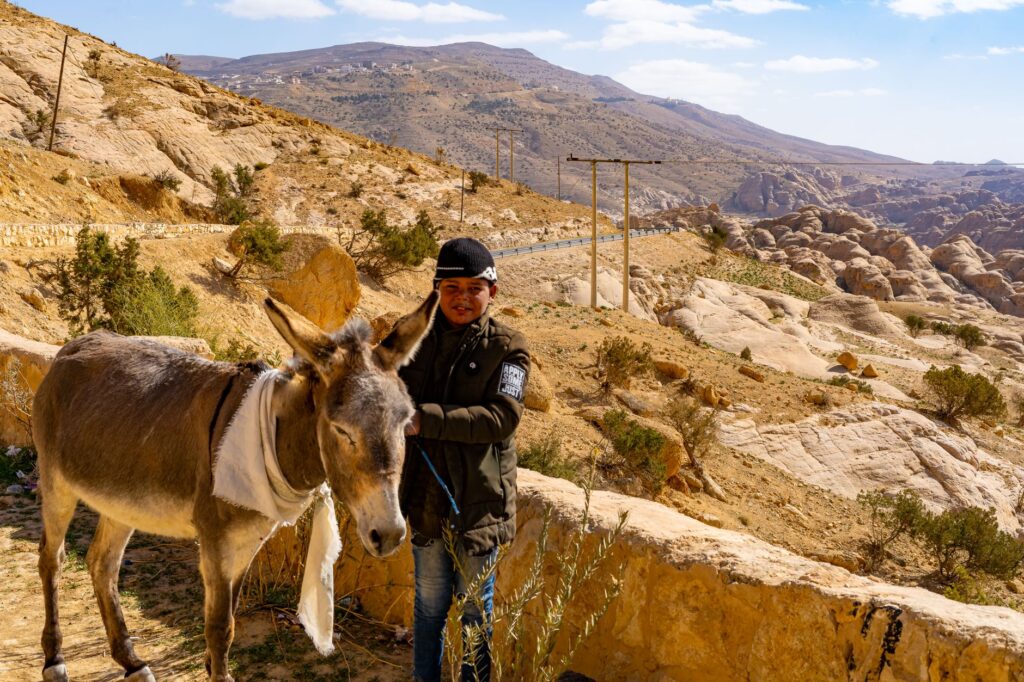
For visitors, this heritage demands a different gaze from that of famous ruins. What matters here is the whole: the way a community has organised space to survive on little water. Reading a cistern is reading a collective decision, and that exercise requires silence, respect and a local guide.
What low-impact visiting actually means
Tourism in arid areas has a basic problem: it consumes exactly the resource that is scarce. Any visit to Az̧ Z̧ulayl must therefore start from a simple rule: use less water than the place can afford. Staying in local establishments that already ration water, avoiding pools and long showers, and choosing menus based on local produce are decisions that weigh more than they seem.
Pace matters too. Walking on existing trails, not cutting across fragile slopes, not collecting plants and not entering springs without permission are basic norms. In many cases, access to springs and cisterns depends on community permits: asking first is not a courtesy, it is a condition.
- Hire local guides trained in the terrain.
- Avoid visits during periods of greatest water stress.
- Leave no waste and use no soap near springs.
- Buy from markets and workshops in the municipality.
- Respect farm closures and irrigation schedules.
The rainy season and the travel calendar
The region’s arid Mediterranean climate concentrates rainfall in winter, between November and March, though with enormous annual variability. Spring briefly turns the steppe green and fills the depressions; summer imposes a dry heat that pushes activity to dawn and dusk. For those wanting to see the aquatic ecosystem at its most expressive, early spring offers the best combination of temperatures and visible water.
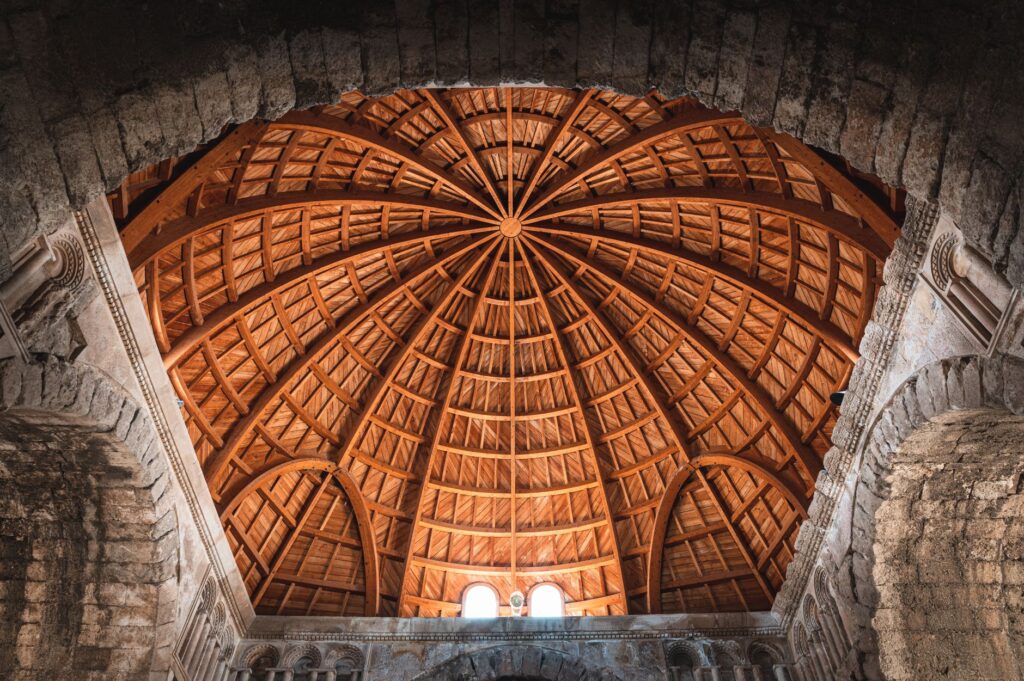
It is worth remembering that torrential rain can cause sudden flash floods in the wadis. Checking local information and avoiding channels when weather warnings are issued is part of responsible visiting. The beauty of an arid landscape includes its capacity to surprise with violence.
Dryland cuisine and local produce
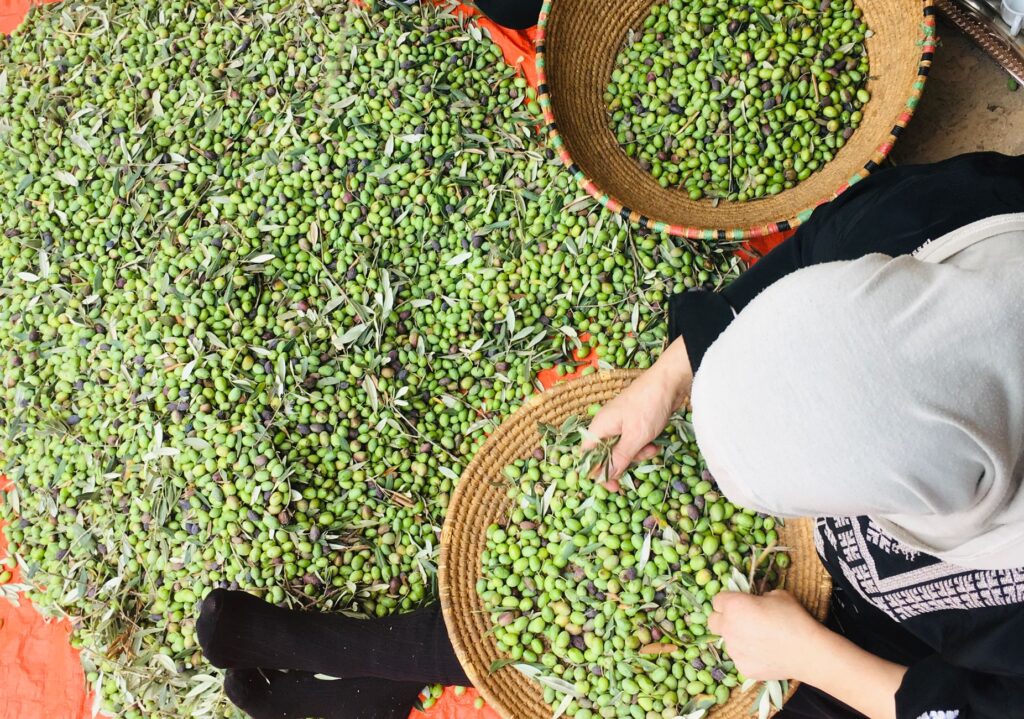
The food of Az̧ Z̧ulayl reflects its geography: olive oil, bread from communal ovens, yoghurt and fresh cheeses, pulses, thyme and sumac gathered from the steppe. Lamb and chicken appear in slow stews, and herbal tea is served as a gesture of hospitality. Eating here means understanding that every dish is shaped by what water allows to grow.
Choosing local produce is not just a culinary preference: it supports the rural economy that, in turn, maintains the orchards and cisterns. The table is an extension of the water system, and those who understand this eat differently.
A corridor between steppe and valley
Az̧ Z̧ulayl sits in a transit position between the highlands and the Jordan Valley, which has historically made the area a corridor for people, animals and goods. That condition explains the mix of influences in architecture and customs, and also the territory’s fragility: any increase in traffic or water extraction disturbs an already tense balance.
For travellers, the lesson is that this place does not work as an isolated destination but as part of a larger system. Understanding this helps avoid useless comparisons with other Jordanian landscapes and to value what is unique here: the dignity of a community that has learned to live with just enough.
Practical guide
Getting there: Az̧ Z̧ulayl lies in Zarqa Governorate, north of Amman, and is reached by road from the Jordanian capital. The nearest international airport is in Amman. Hiring private transport or local guides is recommended, as public transport to scattered villages is limited.
When to go: Early spring offers mild temperatures and more visible water in depressions and springs. Autumn is also pleasant. Summer requires planning activities at dawn and dusk, and winter can bring intense rain and flash floods.
What to bring: Closed shoes for stony ground, sun protection, enough water for your own consumption and clothing that respects local norms of modesty. Avoid conventional soaps and sunscreens near water points.
Where to stay and eat: Prioritise locally managed accommodation that applies water-saving measures and restaurants working with local produce. Asking where food comes from is good practice.
Visiting rules: Request permission before entering springs, cisterns or private farms; do not open new trails; do not collect flora; leave no waste; respect irrigation schedules and community closures.
Useful context: Jordan is one of the most water-stressed countries in the world, and any visit should take that reality as its frame. Learning about the local water situation before travelling and adjusting expectations of consumption is part of a genuinely responsible visit.
Closing: a cistern at dusk
At the end of the day, when light falls over the plateau and the heat retreats, the landscape of Az̧ Z̧ulayl turns quiet. A stone cistern, half hidden among scrub, holds the water that will sustain a family for the next few days. There is no spectacle, but there is something harder to find: evidence that a place can keep existing thanks to the collective intelligence of those who live in it. To visit this corner of Jordan with respect is perhaps the most honest way of giving thanks.