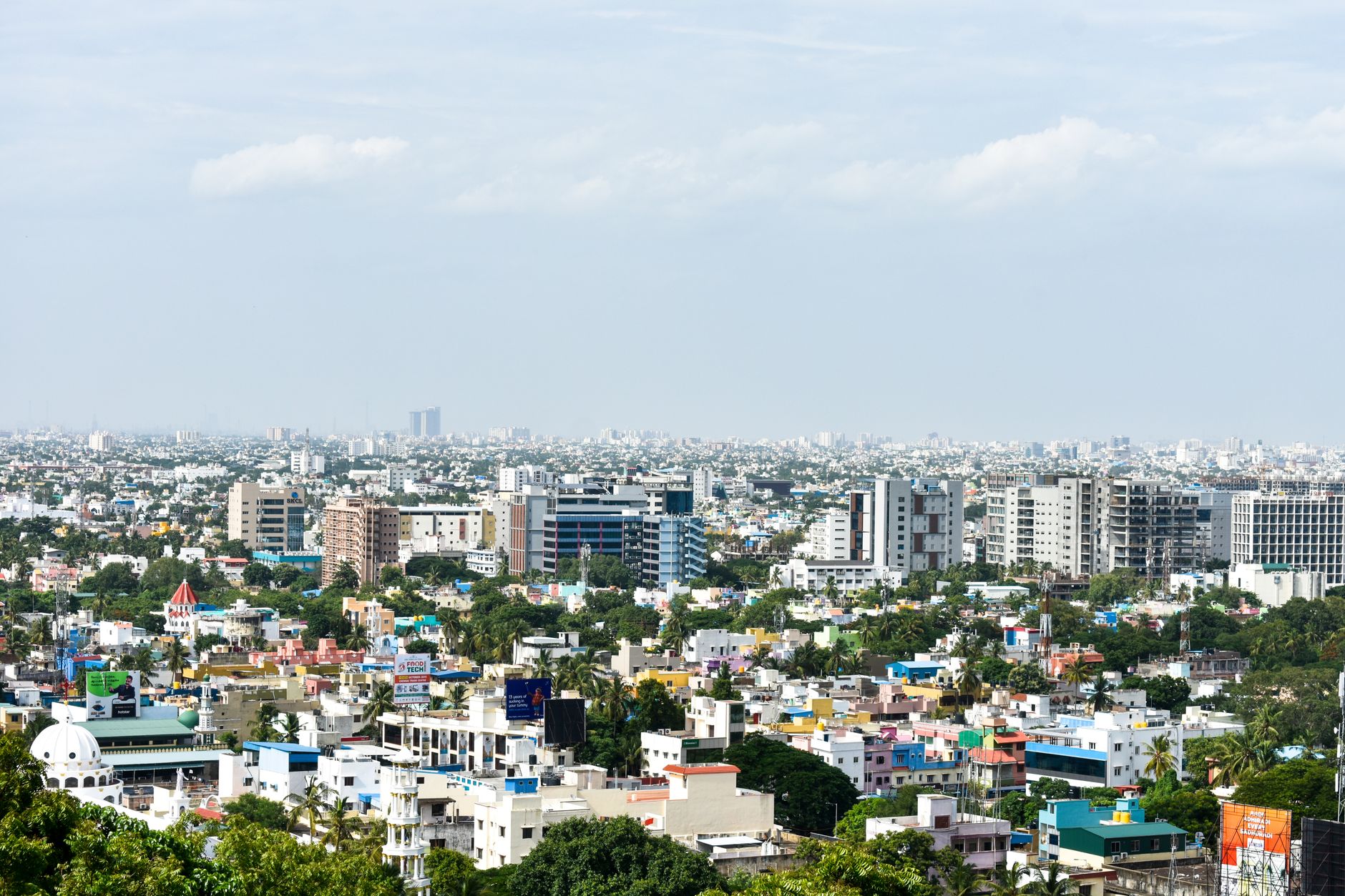

Coimbatore is not an obvious stop for travelers touring southern India. Halfway between the Nilgiri hills and the plains of Tamil Nadu, this city of more than two million people presents itself as an industrial and university center, yet it holds a daily life that unfolds in spice markets, stone temples and coffee shops where filter coffee is served with ceremony.
Known locally as Kovai, the city occupies a central place in the country’s textile history. Its cotton mills, some active since the 19th century, defined urban growth and left an architectural heritage that coexists with residential neighborhoods of low houses and inner courtyards. Walking through it means understanding how an industrial economy can coexist with a very lively devotional and gastronomic culture.
A geography of hills and plain
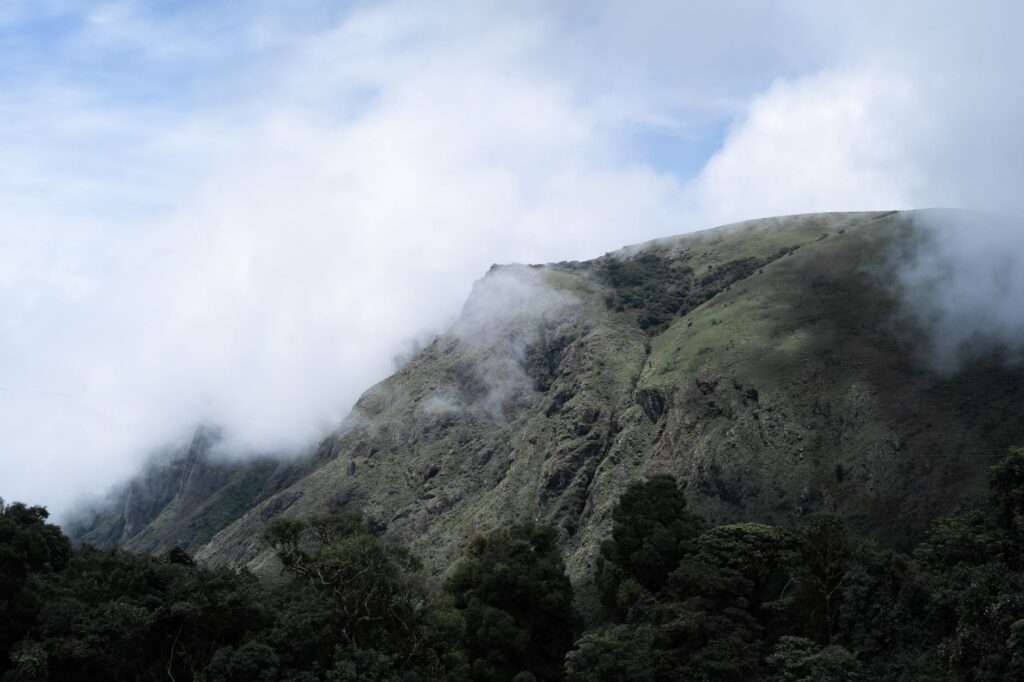
Coimbatore spreads at about 411 meters above sea level, on a plain surrounded by the foothills of the Western Ghats. To the north, the Nilgiri hills rise like a green wall that shapes the climate and landscape. To the south, the Noyyal River, now intermittent, crosses the city and recalls its historical dependence on water.
This location explains the region’s agricultural tradition, based on cotton and sugarcane, and also the presence of a business community that drove the textile industry. The visitor who arrives by train from Chennai or by plane at Coimbatore International Airport discovers a city of wide streets in the center and denser neighborhoods on the periphery.
The textile legacy you can still touch
The cotton mills are not an abstract memory. In neighborhoods such as R.S. Puram or Ganapathy, brick buildings and tall chimneys are part of the landscape. Some mills have closed, but others still operate and maintain a work culture that marked generations.
The Textile Industry Museum, though modest, preserves machinery and documents that explain how Coimbatore became the «Manchester of southern India.» The expression, used by local historians, is no exaggeration: the city came to concentrate hundreds of spinning mills and workshops.
Cotton did not only provide employment; it also shaped neighborhoods, schedules and a way of understanding work that is still felt in the city.
For the traveler, the interest lies not in visiting a factory as a tourist attraction, but in observing how industrial heritage is integrated into daily life. A walk around the old spinning mills reveals mechanical workshops, warehouses and small shops serving the workers.

Temples that order the calendar
The devotional dimension of Coimbatore is concentrated in temples such as Perur Pateeswarar, on the outskirts of the city. Its Dravidian architecture, with carved gopurams and successive courtyards, is an example of the Tamil building tradition. The temple is not only a monument: it remains a center of pilgrimage and social life.
Another relevant space is the Marudhamalai temple, located on a nearby hill, which offers a broad view of the plain. The climb, on foot or by local transport, allows an understanding of the relationship between the city and its natural surroundings. In both cases, visitors must respect access rules, such as removing shoes and dressing modestly.
A calendar of festivals
Religious celebrations mark the annual rhythm. During the Pongal festival in January, the city fills with decorations and domestic preparations. At the Perur temple, processions and rituals attract devotees from across the region. This is not a spectacle for tourists, but a community practice that should be observed with discretion.
Markets, spices and coffee
The Oppanakara Street market, in the center, is one of the liveliest places in the city. Spices, vegetables, fabrics and kitchen utensils are sold there. The smell of coriander, tamarind and chili mixes with the noise of carts and the voices of vendors. It is a space to walk without rush and without photographic pretensions.
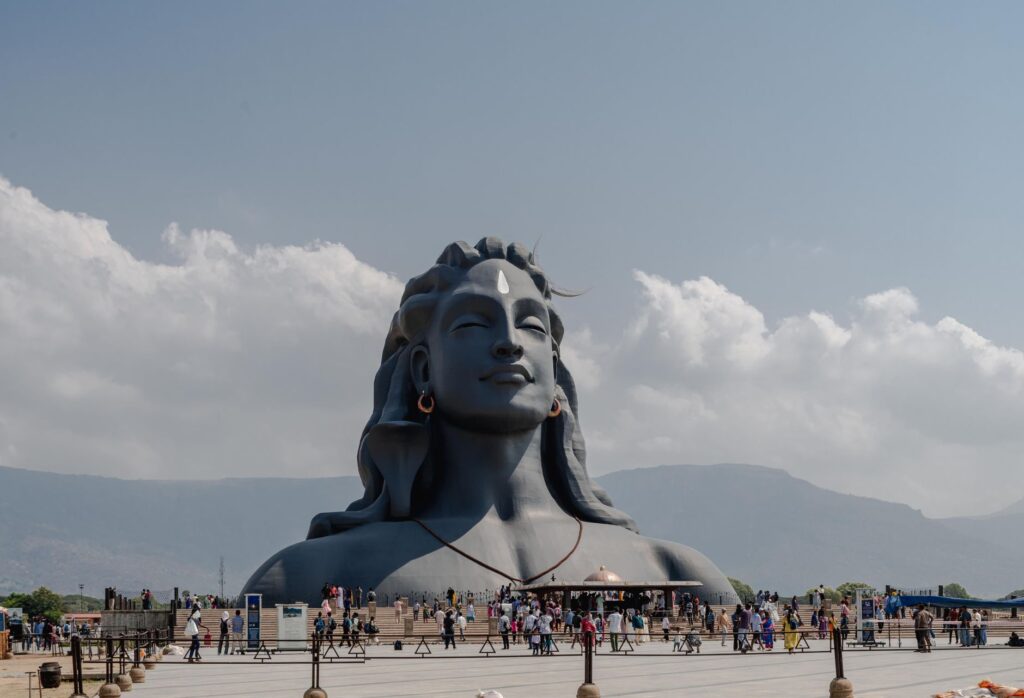
Coffee culture is another distinctive trait. Coimbatore has a tradition of coffee shops serving what is called «filter coffee,» prepared with a blend of coffee and chicory and served in a steel glass with a vessel for cooling. The ceremony, which involves pouring the coffee from one vessel to another, is part of the daily ritual.
To eat, local cuisine offers dishes such as idli, dosa and sambar, present in simple eateries and restaurants. A typical dish is «kothu parotta,» a mix of chopped flatbread with vegetables and spices, prepared on hot griddles. The gastronomic offer does not seek sophistication, but consistency and the flavor of the everyday.
Architecture of the everyday
Central Coimbatore combines late colonial buildings with modern constructions. The train station, functional in style, and the municipal corporation building are urban landmarks. In residential neighborhoods, one- or two-story houses with courtyards and terraces show architecture adapted to the hot climate.
An interesting example is the R.S. Puram neighborhood, planned in the early 20th century, with tree-lined streets and houses that preserve traditional elements. Walking its streets reveals how the city grew beyond the industrial core, integrating green spaces and public facilities.

Coimbatore’s architecture does not seek the monumental gesture; its value lies in the human scale and the mix of uses that keeps the street alive.
Nature on the margins
Although Coimbatore is a dense city, its surroundings offer possibilities for contact with nature. The Nilgiri hills, a few hours away, are a classic destination for travelers seeking hiking and fresh air. Closer by, VOC Park in the center and the botanical gardens offer spaces of shade and rest.
The Noyyal River, though polluted in some stretches, is the subject of recovery projects. Environmental awareness has grown in recent years, and some citizen initiatives work to restore its banks. For the visitor, it is a reminder that natural heritage also requires care.
Getting around and when to go
Coimbatore has an international airport and a train station well connected to the main cities of southern India. Within the city, urban buses and auto-rickshaws are the most common means. For short trips, walking is possible in the center, although the heat and traffic recommend caution.

The climate is tropical, with mild temperatures between November and February, and intense heat between March and May. The monsoon season, from June to September, brings rains that can complicate travel. The best time to visit coincides with the drier, cooler months.
Practical guide
- Access: Coimbatore International Airport (CJB) receives domestic flights. Coimbatore North and the central station connect with Chennai, Bangalore and other cities.
- Transport: Auto-rickshaws and urban buses are inexpensive. For greater comfort, taxi services can be hired through local apps.
- Accommodation: The offer includes business hotels in the center and cheaper options in neighborhoods such as Gandhipuram.
- Clothing: Light, modest clothing, especially when visiting temples. Comfortable shoes are recommended for walking.
- Cultural respect: In temples, it is customary to remove shoes and avoid photographs without permission. Religious processions should be observed from a respectful distance.
- Food: Try filter coffee and local dishes in simple eateries. Check the hygiene of the establishment.
- Language: Tamil is the main language; English is used in hotels and tourist restaurants.
A city to be explored slowly
Coimbatore does not offer the spectacle of a great monument or the postcard of a classic tourist destination. Its interest lies in the texture of the everyday: the noise of the mills, the aroma of coffee, the stone of the temples and the shade of the trees in the streets. For the traveler willing to look without rush, the city reveals a complex identity, made of work, faith and neighborhood life.
The recommendation is simple: walk, observe and ask with respect. Local hospitality, discreet but constant, allows an approach to a city that does not show off, but has much to tell.