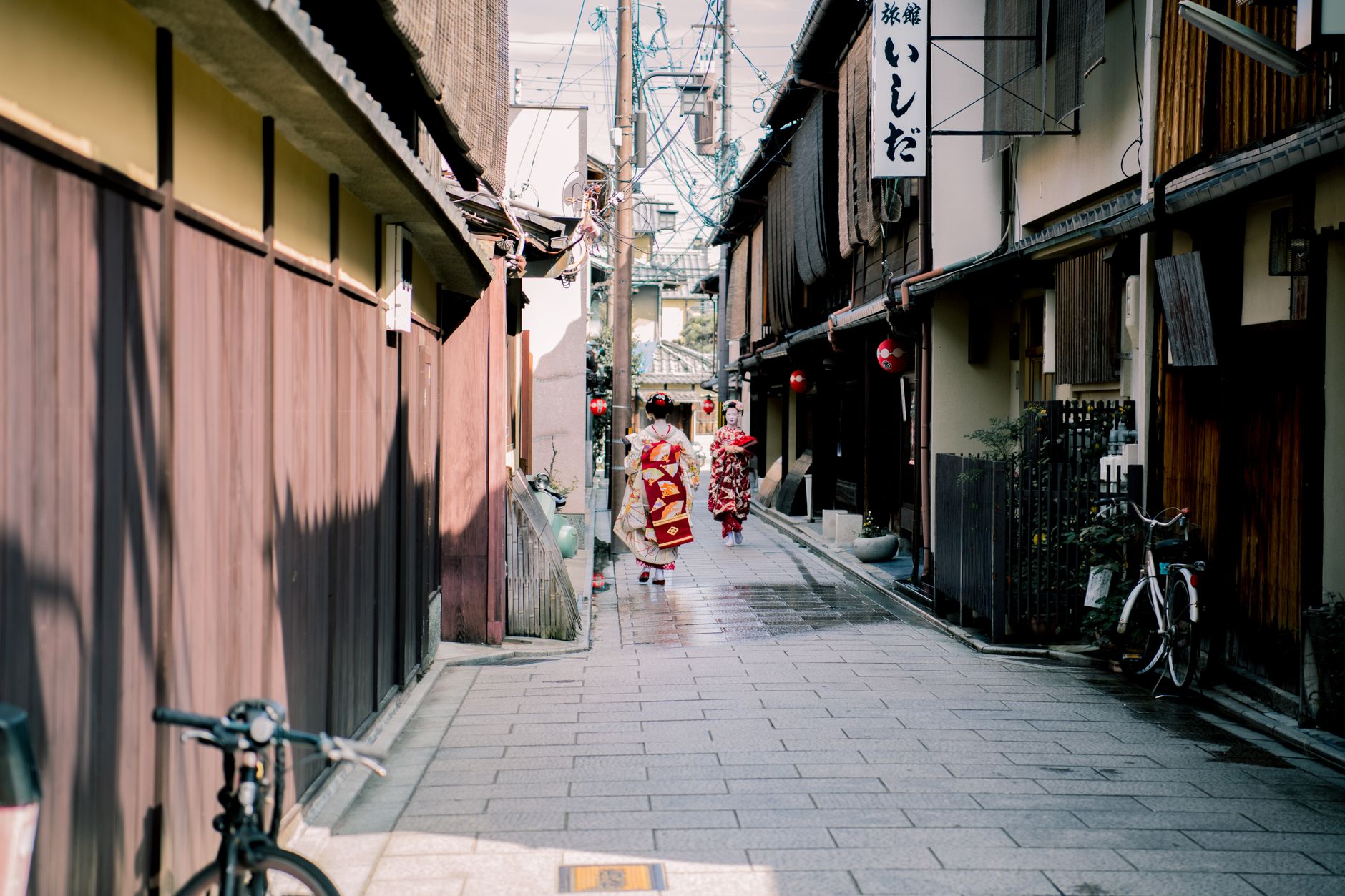

Kyoto is a city best explored on foot and with respect. Its historic neighborhoods, the ones that don’t make it onto the best-selling postcards, hide a daily life that resists becoming a backdrop. Here, machiya — traditional wooden townhouses, narrow and deep — still shelter families who live alongside the constant flow of visitors. The city is not a museum: it is a living organism that breathes between temple incense and the sound of bicycles at dawn.
In recent years, tourism pressure has put that balance at risk. Residents of neighborhoods like Gion and Higashiyama watch as their streets fill with cameras and land prices soar. The question is no longer how to attract more visitors, but how to protect what makes Kyoto unique: its community.
A neighborhood map that doesn’t appear in guidebooks
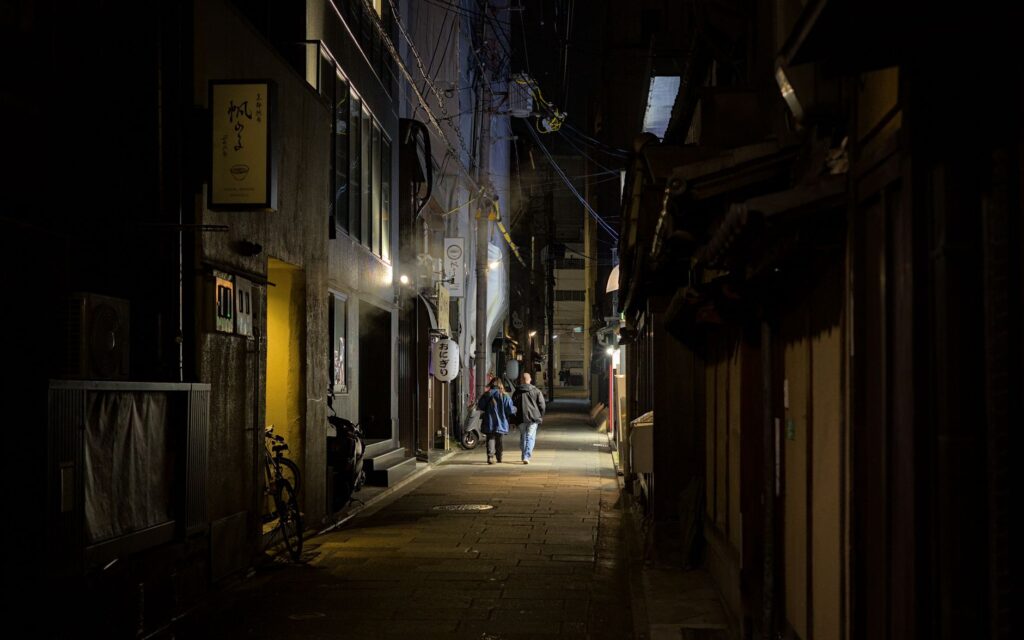
Kyoto cannot be understood without its neighborhoods. Each has its own character, a history told through its streets and facades. In the center, machiya line narrow alleys where time seems to stand still. In Gion, the district of geiko and maiko, wooden teahouses compete with souvenir shops. Further north, in Takagamine or Murasakino, the rhythm is different: fewer tourists, more neighbors who greet each other at the door.
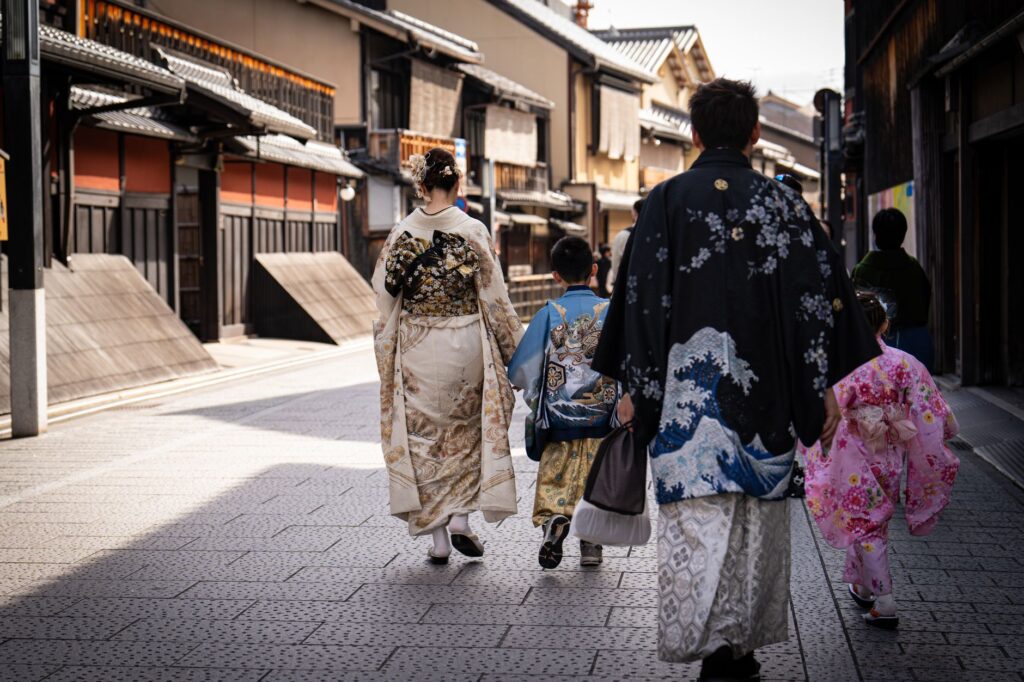
The official advice is clear: visit the most famous temples early in the morning or late in the afternoon, when lights come on and crowds disperse. But the real journey begins when you step away from the usual circuits. Neighborhoods like Nishijin, known for its textile production, or Fushimi, land of sake, offer a version of Kyoto that was not designed for the photo.
Life in a wooden house
Machiya are the soul of Kyoto. These houses, built with wood and paper, have a depth that deceives: from the street they look narrow, but they extend backward in a series of rooms and inner courtyards. Originally, they served as both family home and business. Today, many have been restored and converted into cafes, shops or tourist accommodations.
This phenomenon has two sides. On one hand, restoration has saved buildings that would otherwise have disappeared. On the other, conversion into tourist lodging has pushed out long-time residents. In neighborhoods like Gion, the proportion of permanent residents has dropped drastically. Those who remain live with the feeling of being in a shop window.
“It’s not about closing the city to tourism, but about finding a balance that allows residents to keep living here,” explain neighborhood associations calling for limits on the proliferation of accommodations.
Gion: the neighborhood that learned to set limits
Gion is Kyoto’s most recognizable face, but also its most fragile. Its wooden streets, lanterns and the silhouette of a maiko on her way to an appointment are images that have traveled the world. However, that fame has made the neighborhood a difficult place to live. Complaints about the behavior of some visitors — blocking the way, chasing geiko for photos or entering private property — have led authorities to take action.
There are now signs prohibiting smoking in the street and fines for those who do so outside designated areas. People are also asked not to stop maiko or touch their kimonos. For those seeking a respectful experience, there are alternatives such as performances at Gion Corner, where you can see traditional arts without invading the neighborhood’s privacy.
Nishiki Market and street food etiquette
Nishiki Market is another place where coexistence is tested. This covered market, known as “Kyoto’s kitchen,” is a narrow corridor lined with stalls selling vegetables, pickles, fish and traditional sweets. The temptation to eat while walking is high, but the rule is clear: consume at the stall where you bought it and dispose of waste there.
The ban on littering in the street is strict. Residents recommend bringing a bag for trash if you can’t find a nearby bin. These small rules, added together, make the difference between a visit that contributes to the neighborhood’s sustainability and one that erodes it.

Beyond the center: neighborhoods with a different pace
Kyoto doesn’t end in Gion or Kiyomizu. To the north, the Ohara area offers a rural landscape with temples surrounded by mountains. To the west, Arashiyama and its bamboo grove attract crowds, but a slight detour reveals quiet paths. To the south, Fushimi is synonymous with sake: its historic breweries, some centuries old, still produce the drink that accompanies Japanese celebrations.
In Uji, tea is the protagonist. This city, famous for its matcha, keeps a slow rhythm that contrasts with the hustle of the center. Visiting a plantation or participating in a tea ceremony at a temple is a way to connect with the more authentic Kyoto.
Transport as a sustainability tool
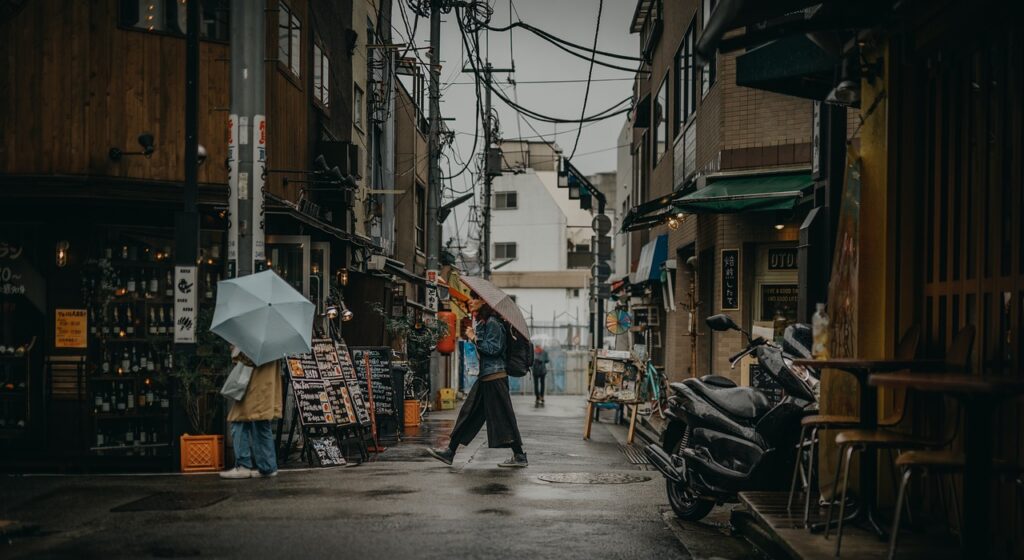
Getting around Kyoto by train or bus is not just a matter of convenience. It is also a way to reduce pressure on neighborhoods. The public transport network is extensive and efficient, and there are lockers and luggage storage services at stations. Leaving your luggage in one of these places allows you to explore the city without dragging suitcases and helps decongest buses.
To reach more remote areas, such as Miyama or Amanohashidate, you need to combine train and bus. Planning ahead is advisable, as schedules can be limited. The reward is a landscape of thatched-roof farmhouses and a tranquility that seems from another time.
Heritage and community: a delicate balance
Kyoto’s heritage is not only its temples and shrines. It is also the houses, gardens, festivals and customs passed down from generation to generation. The Gion Matsuri festival, held every July, is an example of how the community throws itself into keeping traditions alive. But that same heritage is what attracts millions of people, and what risks becoming a theme park if not managed carefully.
Local authorities have implemented measures such as the congestion forecast map, which allows checking real-time crowds at popular spots. Visits to lesser-known areas are also promoted, and tourists are asked to respect coexistence rules. The key, according to experts, lies in education and shared responsibility.
A guide to traveling with respect
Visiting Kyoto without damaging its social fabric is possible. It just requires a bit of information and a lot of empathy. Here are some practical recommendations so your trip adds rather than subtracts.

Practical guide
- Timing: Visit the most famous temples at sunrise or sunset. You’ll avoid crowds and enjoy special light.
- Transport: Use trains and buses. Leave luggage in lockers or storage services to move freely.
- Behavior: Do not stop maiko or geiko for photos. If you want to see a traditional performance, book at Gion Corner or similar activities.
- Food: At Nishiki Market, eat at the stall where you bought and dispose of trash there. Bring a bag for waste if needed.
- Smoking: Smoking in the street is prohibited in many areas. Look for designated smoking areas.
- Respect: Do not enter private property or interfere with residents’ lives. Remember that Kyoto is their home.
Kyoto’s beauty lies in its ability to adapt without losing its essence. More and more travelers choose to explore its neighborhoods calmly, participating in craft workshops, staying in guesthouses run by local families or simply sitting on a bench to watch the seasons pass. That is the Kyoto that endures, the one not in guidebooks but that stays in memory.
“If every visitor takes away a little bit of respect, Kyoto will remain Kyoto,” summarizes a resident of Higashiyama.
At the end of the day, when lanterns light up in Gion and the scent of incense mixes with dinner, the city shows its true face. It is not a museum, but a place where people live, work and celebrate. And that is, perhaps, the greatest attraction for anyone who wants to truly know it.