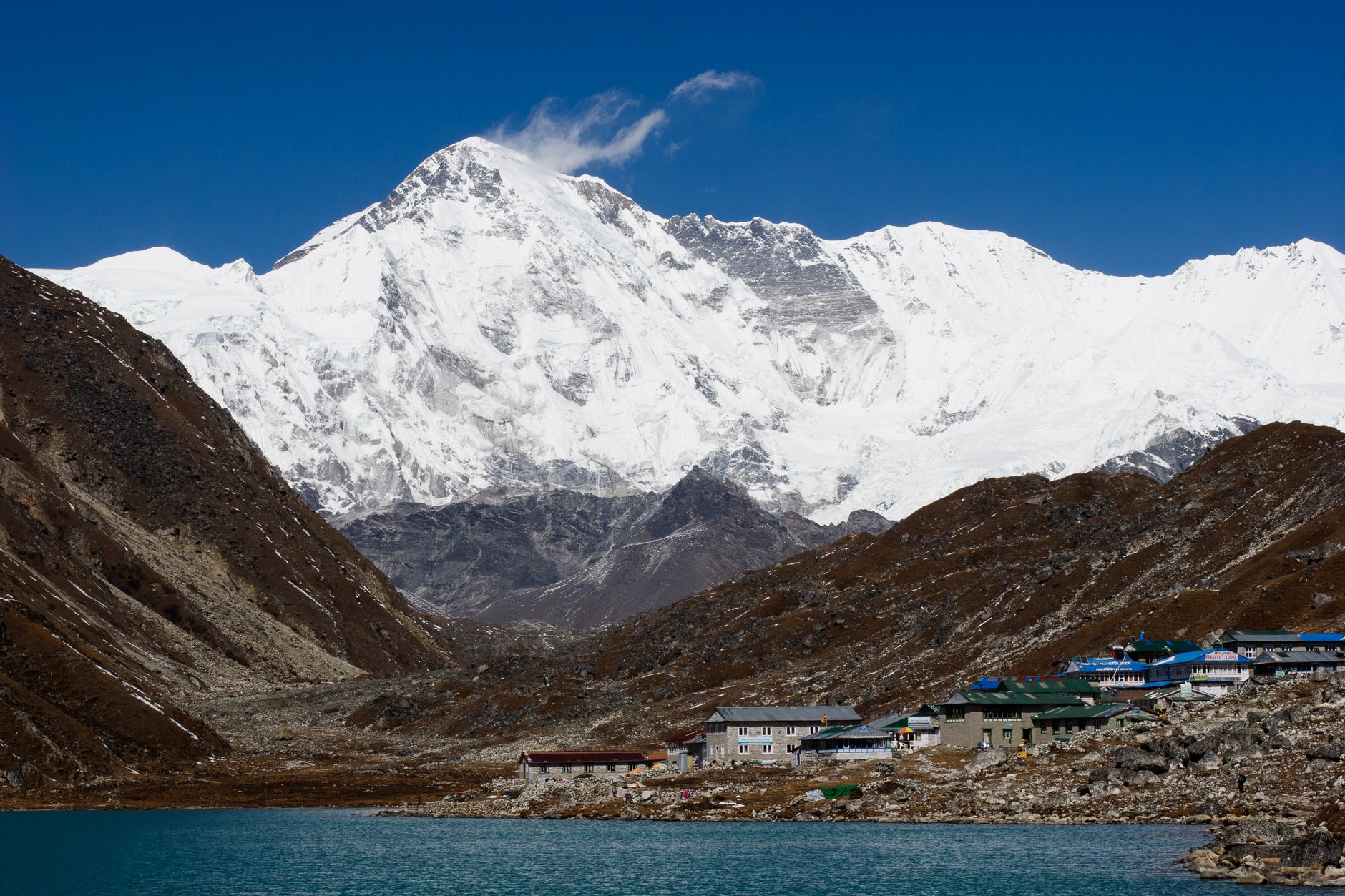

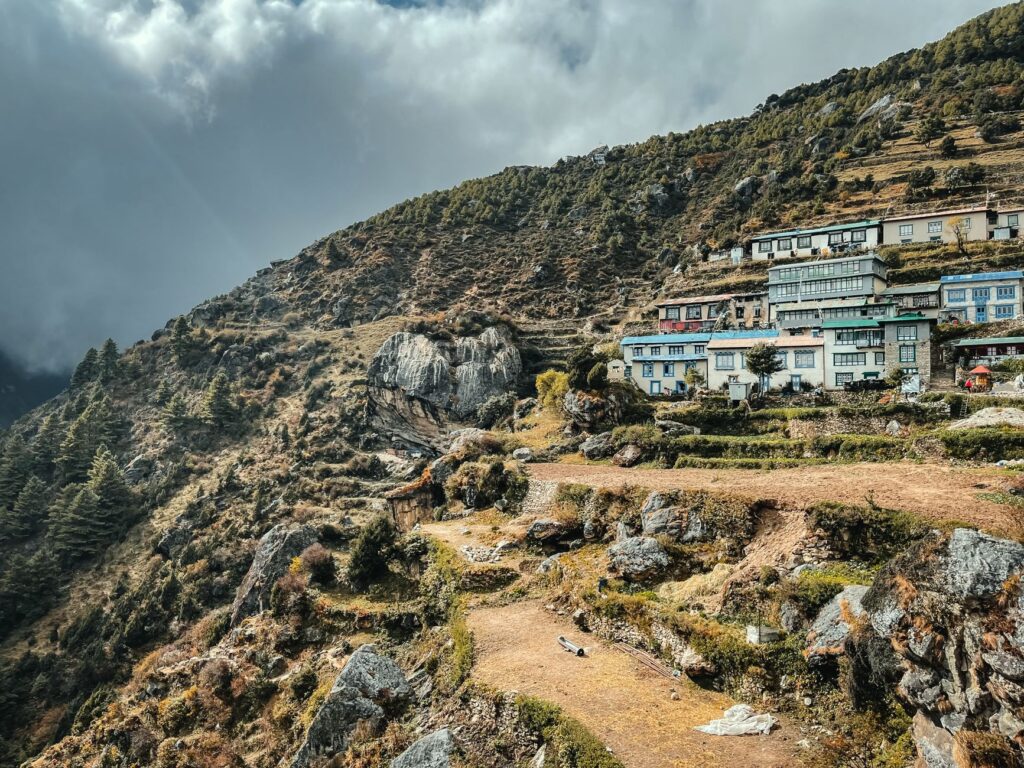
In the Solu-Khumbu district of northeastern Nepal, Sagarmatha National Park spreads across 124,400 hectares of dramatic mountains, glaciers, and deep valleys. Mount Everest, at 8,848 meters, dominates a landscape where life is organized around altitude. This is not an empty territory: more than 6,000 Sherpas live in some twenty villages inside the park, maintaining cultural and religious practices that UNESCO considers fundamental to the site’s conservation.
Inscribed as a World Heritage Site in 1979 for its exceptional natural beauty, Sagarmatha faces a paradox: it is a coveted destination for mountain tourism and, at the same time, a fragile ecosystem where glacier retreat and human pressure demand concrete responses. This report explores how that balance is managed, which species depend on these habitats, and what it means to visit the park with conservation in mind.
A territory shaped by ice and altitude
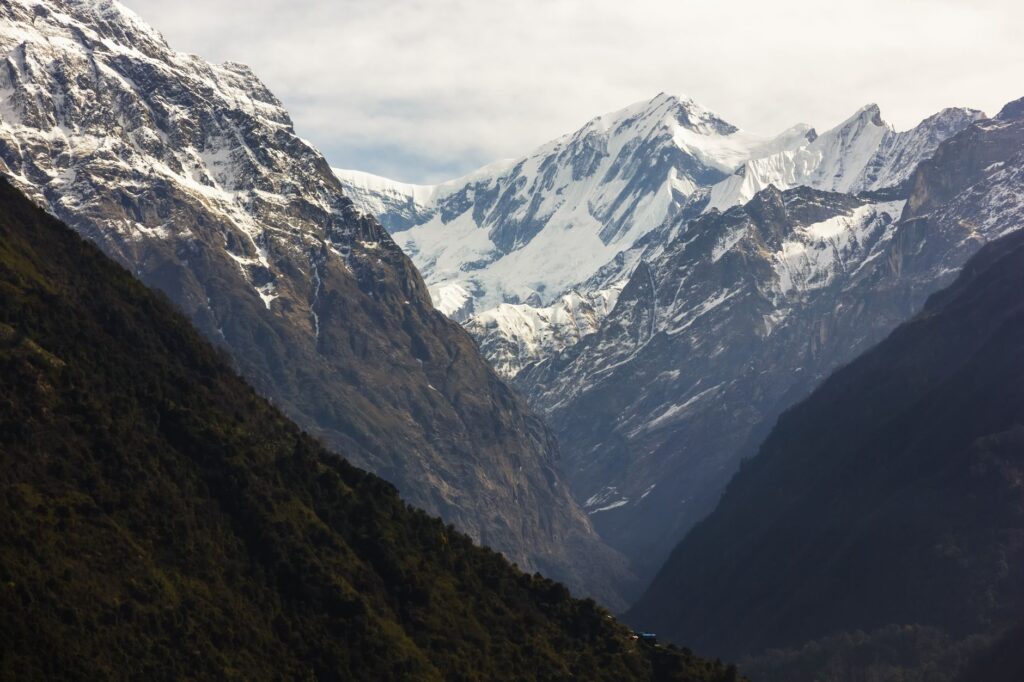
The park occupies the upper catchment of the Dudh Kosi River system, with an elevation range exceeding 6,000 meters. Beyond Everest, seven peaks rise above 7,000 meters. The geology is young and active: glaciers, moraines, and deeply incised valleys form a landscape UNESCO describes as one of the most geologically interesting regions in the world.
Altitude organizes everything. Above 5,000 meters, 69% of the park is barren land, according to management data cited by UNESCO. Only about 3% is forested, and 28% is grazing land. That proportion explains why every tree matters and why the demand for firewood has historically been an environmental challenge.
The Sherpa presence is not a cultural addition to the park: it is part of its conservation architecture.
High-altitude forests: rhododendrons, birches, and junipers
Between 3,000 and 4,000 meters, the landscape shifts. Forests of rhododendron, birch, and juniper cushion the transition between inhabited valleys and glacial zones. These forests not only sustain biodiversity: they protect slopes from erosion and regulate the water cycle on which communities and lowland areas depend.
Pressure on timber is a sensitive issue. For decades, firewood was the main energy source for cooking and heating. The introduction of micro-hydro projects and energy alternatives has partially reduced that dependence, although UNESCO notes that degradation of the fragile mountain forest ecosystem remains an important management concern.
Rare wildlife in an extreme habitat
The park harbors uncommon species. The snow leopard and the red panda are among those most cited by UNESCO. The former is an elusive predator that requires large territories and stable prey populations. The recolonization of snow leopards within the site is interpreted as an indicator that the habitat remains suitable for both predators and their prey.
The red panda, or lesser panda, inhabits temperate high-altitude forests and depends on the presence of bamboo and a continuous forest canopy. Its presence underscores the importance of conserving the remaining forest fragments in the park. Birds, small mammals, and flora adapted to radiation and cold complete an ecological picture that UNESCO considers characteristic of the world’s highest ecological zones.
Sherpas: culture and conservation intertwined
Most Sherpas in the park follow Tibetan Buddhist traditions. Their religious practices include restrictions on hunting and animal slaughter, as well as reverence for all living beings. According to UNESCO, these practices, combined with indigenous natural resource management systems, have been decisive factors in the success of conservation in Sagarmatha.
The park legally recognizes that Sherpa properties are excluded from the protected area’s definition, precisely to limit impacts on the site’s values. A Park Advisory Committee, made up of local leaders, village elders, head lamas, and park authority representatives, has been instrumental in achieving cooperation and support for management.
A laboratory for measuring climate change
The park is also an observatory for global warming. UNESCO notes that one of its management priorities is monitoring the impacts of climate change on flora, fauna, and Sherpa communities. The park’s glaciers are a source of freshwater for downstream populations, making their evolution an issue that transcends the site’s boundaries.
Gokyo Lake and its associated lakes were declared a Ramsar site in 2007, an additional recognition of the area’s value. The combination of glaciers, lakes, and high-altitude wetlands creates a delicate water system that responds quickly to temperature variations.
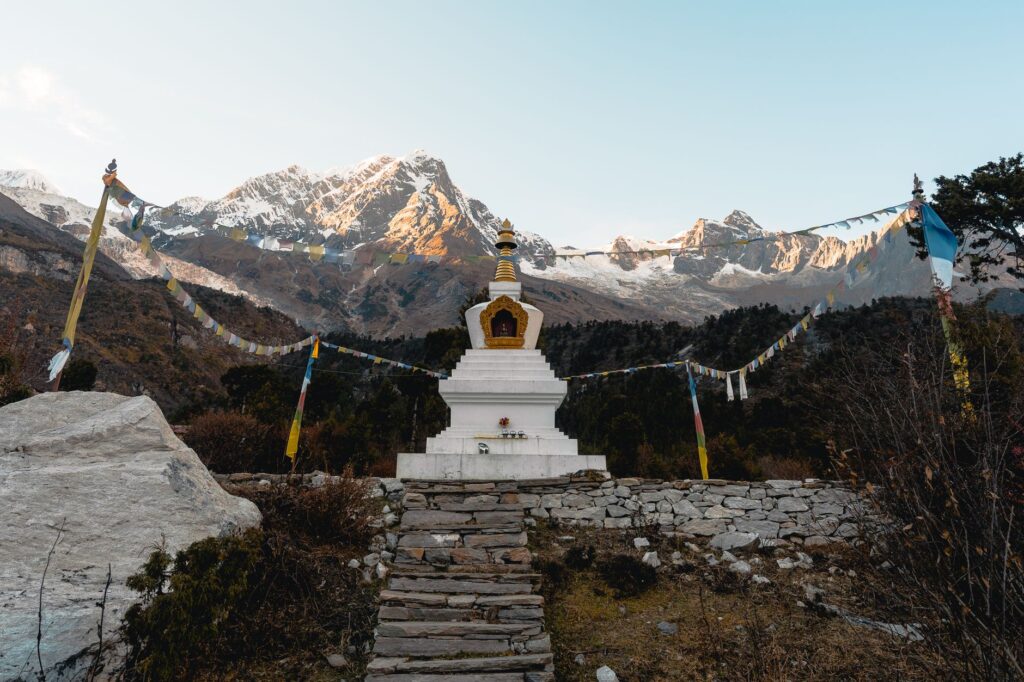
The park does not only protect summits: it manages a freshwater reserve whose behavior shapes life downstream.
Tourism: economic engine and source of pressure
Visitor numbers have grown notably. UNESCO cites 3,600 visitors in 1979 and more than 25,000 in 2010. That increase has boosted the local economy, with improvements in health, education, and infrastructure, but it has also brought degradation of the fragile ecology and cultural traditions.
Among the problems UNESCO identifies are the construction of illegal trails, resort development, energy demand and supply, and the assessment of tourism carrying capacity. Park management has managed to halt some projects, such as the expansion of Sanboche airport, but pressure continues.
Waste, hotels, and carrying capacity
Proper waste disposal is one of the main obstacles facing the park. The Sagarmatha Pollution Control Committee, a community-based NGO headquartered in Namche Bazar, works actively on pollution control with support from agencies and coordination from park authorities.
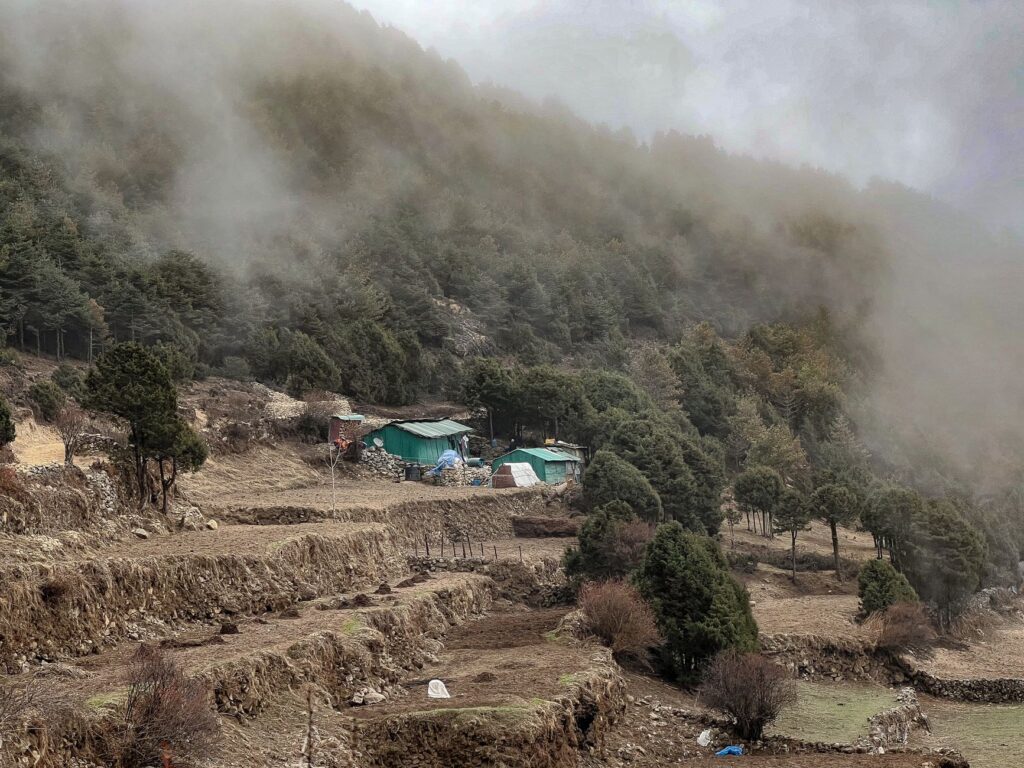
Growing tourism also multiplies demand for new hotels and lodges. The site remains vulnerable to encroachment, and park management policies must be enforced to protect endangered habitats and species within park boundaries. UNESCO stresses that, to respond to this pressure, the park’s organizational structure needs upgrading.
A mosaic of protections around the park
The site’s integrity is reinforced by other protection figures. To the east, Makalu Barun National Park was established in 1998, and to the west, the Gauri Shankar Conservation Area in 2010. To the north, the park borders the Qomolongma Nature Reserve in the Tibet Autonomous Region of China. That territorial continuity expands the space available for highly mobile species such as the snow leopard.
In 2002, a buffer zone was designated south of the park, which is not part of the inscribed property but acts as a protective layer. Local community involvement in managing that zone is, according to UNESCO, an additional asset for the park’s sustainability.
What it means to visit Sagarmatha with conservation in mind
Visiting Sagarmatha National Park is not a conventional excursion. Altitude, travel duration, and the fragility of the environment demand preparation. Official information from the park and UNESCO provides the framework for planning a respectful visit, without promises of itineraries or conditions that vary with seasons and current regulations.
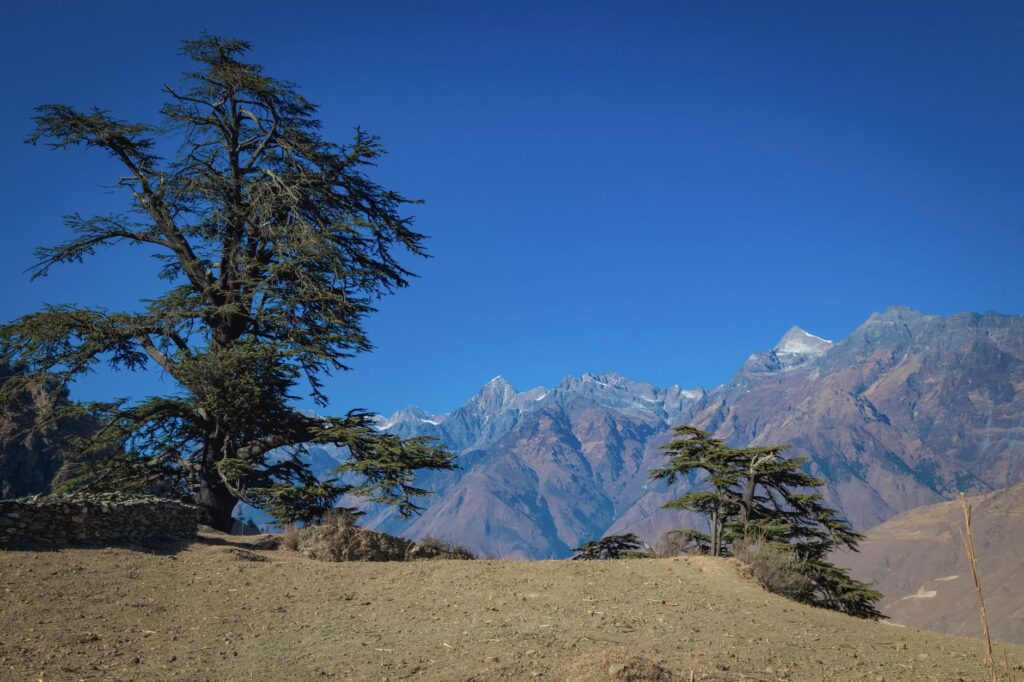
Trekking is the main way to explore the park. Classic routes ascend the Dudh Kosi valley, pass through Namche Bazar, and branch toward the Khumbu valley, Gokyo, or Everest Base Camp. Each has its own acclimatization times and rest points. The key is not speed but progressive adaptation to altitude.
The best time to trek is usually in spring and autumn, when weather conditions are more stable. Winter brings extreme cold and snow, and the summer monsoon complicates travel. Any planning should consult updated official sources before departure.
Practical guide
- Permits: park access requires official permits. They are processed through channels established by Nepali authorities, and it is advisable to inquire in advance.
- Acclimatization: altitude is the critical factor. Plan gradual ascents, with rest days, and do not push the pace. Symptoms of altitude sickness require descending.
- Gear: layered warm clothing, trekking footwear, sun protection, and high-mountain sunglasses. Temperatures drop sharply at nightfall.
- Waste: the park faces a serious litter problem. Carry back everything you bring and use existing management systems in the villages.
- Energy: firewood use pressures forests. Prioritize lodges with energy alternatives and consume responsibly.
- Culture: respect local practices, monasteries, and sacred areas. The park’s conservation depends largely on the commitment of Sherpa communities.
- Information: consult official sources from the national park and UNESCO for current regulations, route conditions, and recommendations.
Sagarmatha National Park is, ultimately, a territory where the mountain and those who inhabit it sustain a delicate balance. Understanding that balance is the best preparation for visiting.