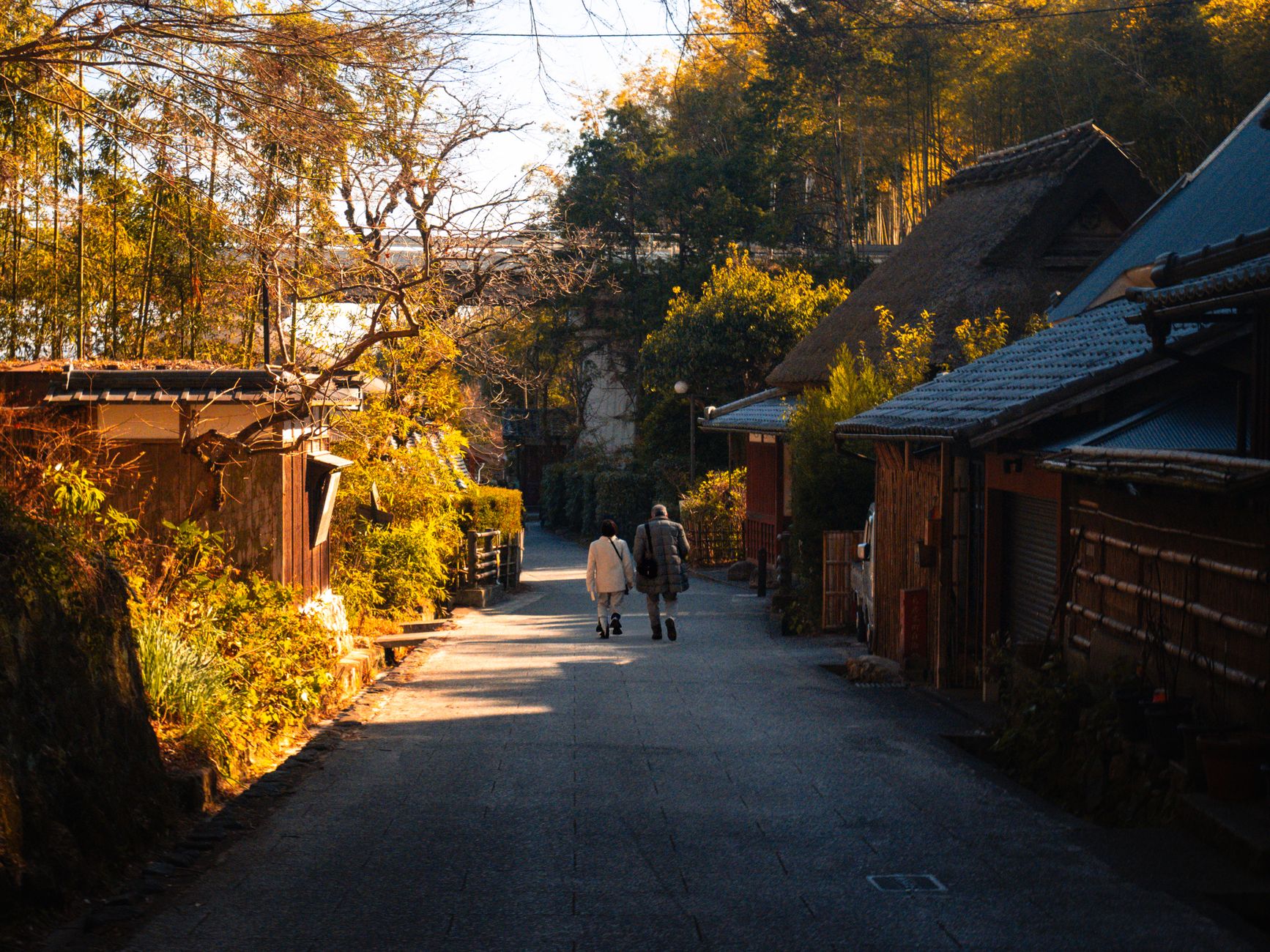

Kyoto: The City You Walk Through
In Kyoto, Japan, there is a way of traveling that does not appear in guidebooks: walking slowly through its historic neighborhoods and observing how daily life folds into the rhythm of a wooden architecture that has stood for centuries. The former capital is not an open-air museum but a living city where residents open their shops, tend their gardens, and coexist with millions of annual visitors. The question is no longer what to see, but how to be present without getting in the way.
The city is organized into areas with distinct personalities. The center holds historic buildings and lanes of traditional houses; to the north, the valleys of Keihoku and Miyama preserve a rural landscape of sloping roofs; to the south, Fushimi brews sake and Uji cultivates tea; to the west, bamboo groves and the temples of Nishiyama complete a mosaic that demands time and patience. Each zone has its own tempo, and the traveler who respects it discovers a Kyoto that does not surrender to haste.
Machiya: The Wooden House That Orders Life
Machiya are the wooden townhouses that define the landscape of the historic neighborhoods. Their narrow facades, their lattice screens, and their inner courtyards are not an aesthetic whim but a response to climate and density. Inside, tatami floors and sliding panels modulate light and space. Many are still inhabited; others have become shops, workshops, or accommodations. Walking alongside them is a glimpse into a way of life that resists disappearing.
Wood ages, darkens, and is repaired. That apparent fragility is also its strength: it requires constant maintenance and a close bond between neighbors. In neighborhoods such as Gion or Higashiyama, the streets narrow and silence imposes itself. It is not a stage set; it is the result of centuries of coexistence.
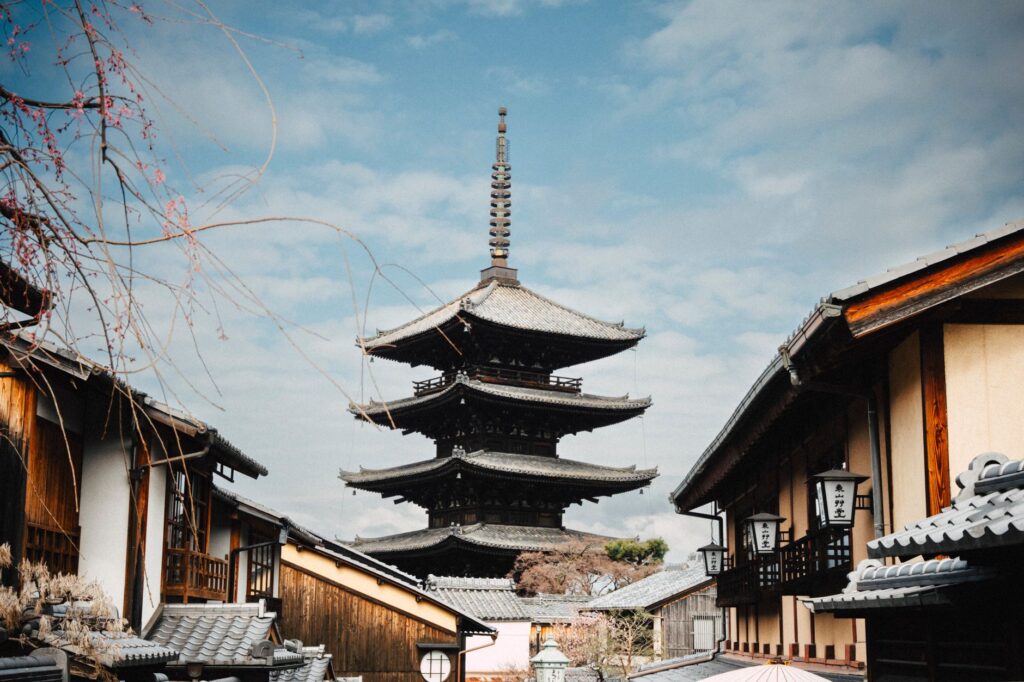
Wooden architecture is not only a construction technique but a philosophy of life. Machiya are built with natural materials that breathe and adapt to the seasons. In summer, the lattice screens allow cross-ventilation; in winter, the sliding panels retain heat. This ancestral wisdom has been passed down from generation to generation and remains alive in contemporary Kyoto.
The Neighborhood as Shared Territory
In Kyoto, the neighborhood is not just a set of streets: it is a community with unwritten rules. Residents tend their entrances, sweep the sidewalks, and maintain their gardens. The massive arrival of visitors has strained that coexistence. The tourism office itself recommends visiting temples early in the morning or during nighttime hours, when crowds diminish, and using the congestion forecast map to choose the quietest moments.
The city is not enjoyed by running from one temple to another, but by understanding that every street has owners, schedules, and silences that deserve respect.
That respect translates into concrete gestures: not stopping geiko or maiko to ask for a photo, not touching their clothes, not trespassing on private property. At Nishiki Market, visitors are asked to eat purchased food at the establishment where it was bought and not to leave waste on the street. Smoking outside designated areas is penalized. These are simple rules that protect the daily life of those who inhabit the neighborhood.
The coexistence between visitors and residents is a delicate balance that requires mutual attention. Gion residents have expressed concern about overtourism on various occasions, and local authorities have responded with awareness campaigns and flow management measures. The conscious traveler can contribute to this balance simply by being respectful and observing local rules.
Landscape and Routine: The City Lived on Foot
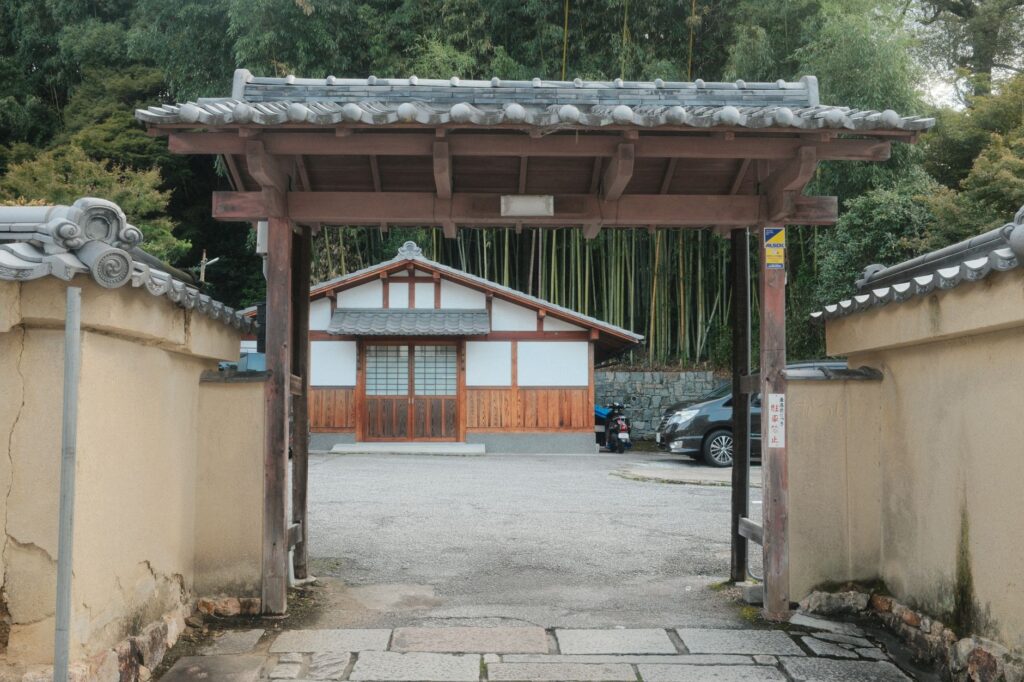
The relationship between landscape and daily life in Kyoto is inseparable. Canals, hedges, small vegetable plots, and temples are not isolated landmarks: they are part of the commute to work or the grocery store. Walking through the Gion neighborhood at dawn, when the lanterns are still off, allows you to see how a house entrance is swept or plants are watered. That is the true face of the city.
Public transport facilitates this unhurried journey. Buses and trains connect the different areas, and lockers and luggage storage allow you to leave your bags to move freely. Kyoto Station is the main hub, but so are the small neighborhood stations, from which the less-traveled corners are reached on foot.
Walking without haste is also a way of respecting the rhythm of residents. Kyoto’s streets are not designed for rapid transit but for contemplation and encounter. By adapting our pace to that of the city, we discover details that would otherwise go unnoticed: the sound of water in a canal, the aroma of tea in a shop, the shade of a centuries-old tree.
Beyond the Center: Other Rhythms, Other Landscapes
To the north, the Ohara and Takao areas offer mountain air and symbolic gardens. Miyama, with its thatched-roof houses, preserves a rural landscape that contrasts with urban density. To the south, Fushimi maintains its sake warehouses, and Uji its tea plantations. To the west, the bamboo groves of Arashiyama and the temples of Nishiyama complete a diverse geography that invites overnight stays rather than mere passing visits.

These areas are not simple excursions: they are parts of the same extended city. Reaching them requires planning, but it also rewards with a broader view. The traveler who stays a few days discovers that Kyoto does not fit into a list of monuments.
The diversity of landscapes is also reflected in local gastronomy. Each area has its specialties: yudofu in the temples, kyo-gashi in the tea houses, kyo-yasai vegetables in the markets. Tasting these products is another way of connecting with the city’s daily life.
Coexistence as a Journalistic Question
The balance between visitors and residents is the great theme of contemporary Kyoto. It is not about closing the city but about managing flows. Authorities promote visits at alternative hours, the use of public transport, and dispersion toward other areas. Residents, for their part, ask that their privacy and spaces be respected. Sustainability is not a slogan: it is a daily necessity.
A historic city is not preserved only through restorations, but through the patience of those who inhabit it and the attention of those who visit it.
That attention is learned. Walking without haste, looking before entering, asking before photographing. These are basic rules that, in Kyoto, take on special meaning because the line between public and private is sometimes blurred.
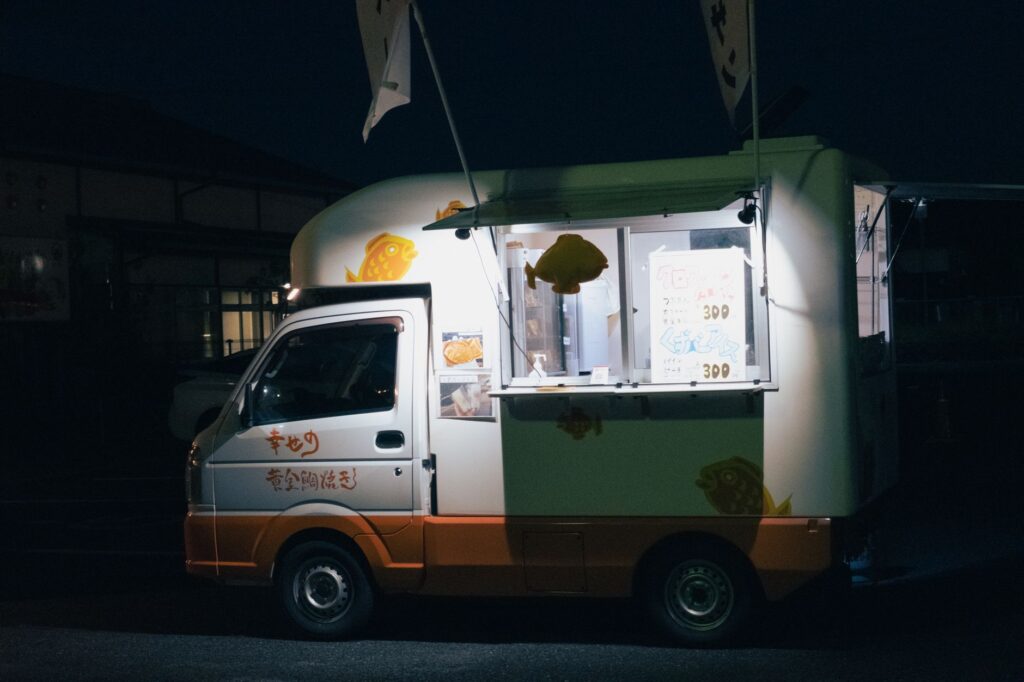
Sustainable tourism is not a trend but a necessity to preserve heritage and the quality of life of residents. Small gestures, such as avoiding peak hours or choosing accommodations outside the center, contribute to a more balanced model.
Wooden Architecture and Climate Memory
Wood, paper, and stone are the materials of an architecture designed for a humid and changing climate. Deep eaves protect from rain, ventilated courtyards cool in summer. That constructive wisdom is maintained in the machiya and temples, but also in small details: gutters, grilles, moss gardens.
The result is a landscape that changes with the seasons. In spring, cherry blossoms; in summer, fireworks and the river; in autumn, maples; in winter, occasional snow on the roofs. Each season reorganizes neighborhood life and offers a different reason to return.
Wood is also a reminder of the fragility of beauty. Unlike stone, which endures without change, wood ages and requires care. This characteristic has shaped Japanese culture, where the periodic restoration of temples is a tradition in itself.
Practical Guide
To explore Kyoto’s historic neighborhoods with respect and comfort, it is advisable to plan the visit according to congestion. The city’s tourism office offers an influx forecast map and real-time cameras. The early morning and late afternoon hours tend to be quieter. Public transport, with buses and trains, is the most efficient way to get around; leaving luggage in storage or lockers facilitates movement.
- Hours: visit temples and popular areas early in the morning or at sunset.
- Transport: use buses and trains; avoid driving in the center.
- Luggage: use station lockers to walk without weight.
- Respect: do not stop geiko or maiko, do not touch their clothes, do not enter private property.
- Food: at Nishiki Market, consume at the establishment and do not leave waste.
- Smoking: smoke only in designated areas; there are fines for doing so on the street.
- Accommodation: consider neighborhoods outside the center to reduce tourism pressure.
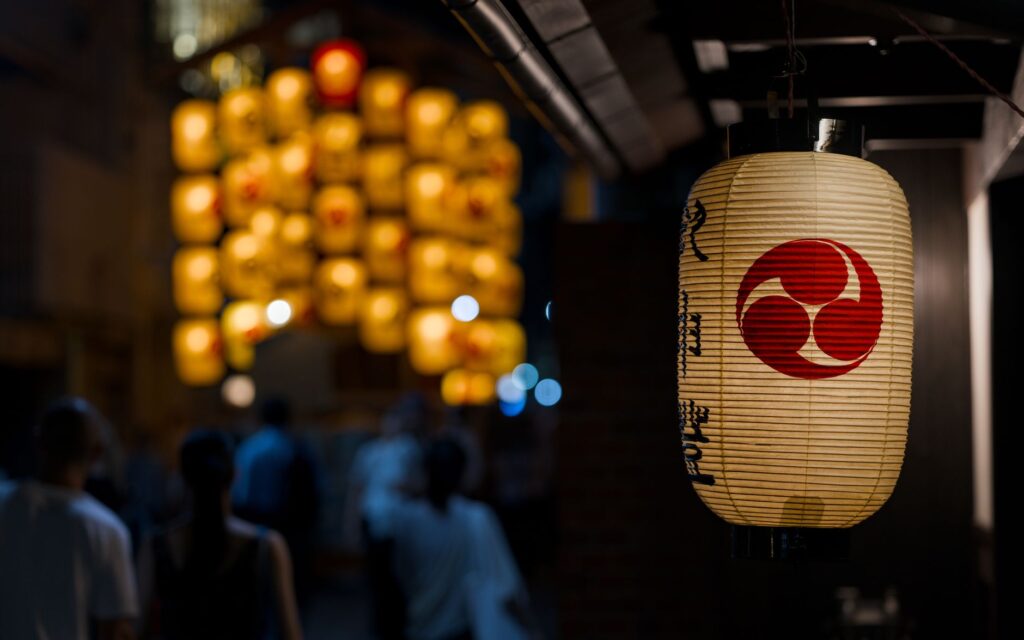
The best time to travel depends on interest: spring and autumn concentrate more visitors; winter offers serene landscapes and fewer crowds. In any case, booking in advance and checking festival calendars, such as Gion Matsuri, helps avoid surprises.
The Closing: An Emotional Photograph
At the end of the day, when lights come on in the wooden houses and the sound of bells fades, Kyoto recovers its most intimate pulse. Residents return to their chores and the streets fall into shadow. It is the moment to remember that this city is not a stage set but a shared home. Walking with respect is the only way for it to remain so.