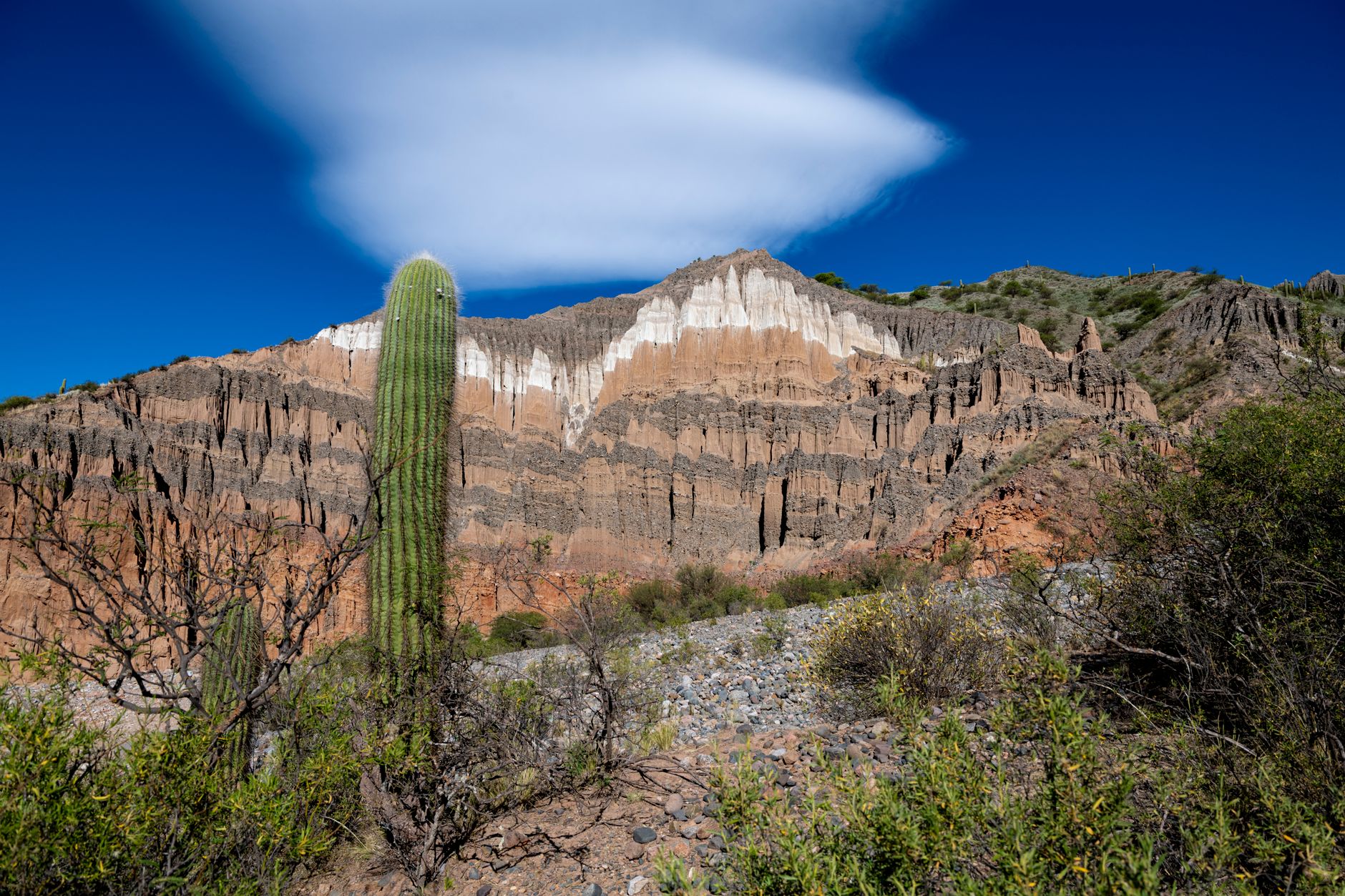

The Sierra de la Ventana, that mountain system rising unexpectedly from the Argentine pampas, holds a secret that is not geological but human. In its quarries, where quartzite has been extracted for over a century, a group of artisans maintains a craft that was once the region’s driving force and now fights to avoid disappearance. They are not many, but their work is in every step, every wall, and every monument of the mountain towns.
To walk through the extraction fronts and the workshops that still resist is to peer into a world where the blow of the mallet on the chisel sets the rhythm of the day. Here, stone is not an inert material: it is memory, it is landscape, it is livelihood. And those who work it know every vein, every hardness, every whim of a rock formed over 400 million years ago.
A craft born of necessity and abundance
The history of stonemasonry in Sierra de la Ventana is tied to the construction of the first settlements. In the late 19th century, when the railway reached the area, the demand for stone for foundations, cobblestones, and public buildings drove the opening of quarries in the hills. Quartzite, hard and resistant, became the preferred material for works that defied time.
The first quarrymen were Italian and Spanish immigrants, experts in handling the mallet and wedge. With them came techniques that blended with local knowledge. Thus a distinct school was born, characterized by maximum use of the block and a finish that prioritizes functionality without neglecting aesthetics.
“Stone teaches you to respect it. If you force it, it breaks where you don’t want it to. You have to listen to it,” says Don Héctor, a 72-year-old quarryman who learned the trade from his father.
Today, the activity no longer has the industrial scale of yesteryear. Major public works have stopped, and competition from concrete has displaced stone in mass construction. However, a niche remains: restoration of historic buildings, construction of high-value country houses, and production of artisanal pieces for gardens and plazas.
The workshop as a territory of resistance
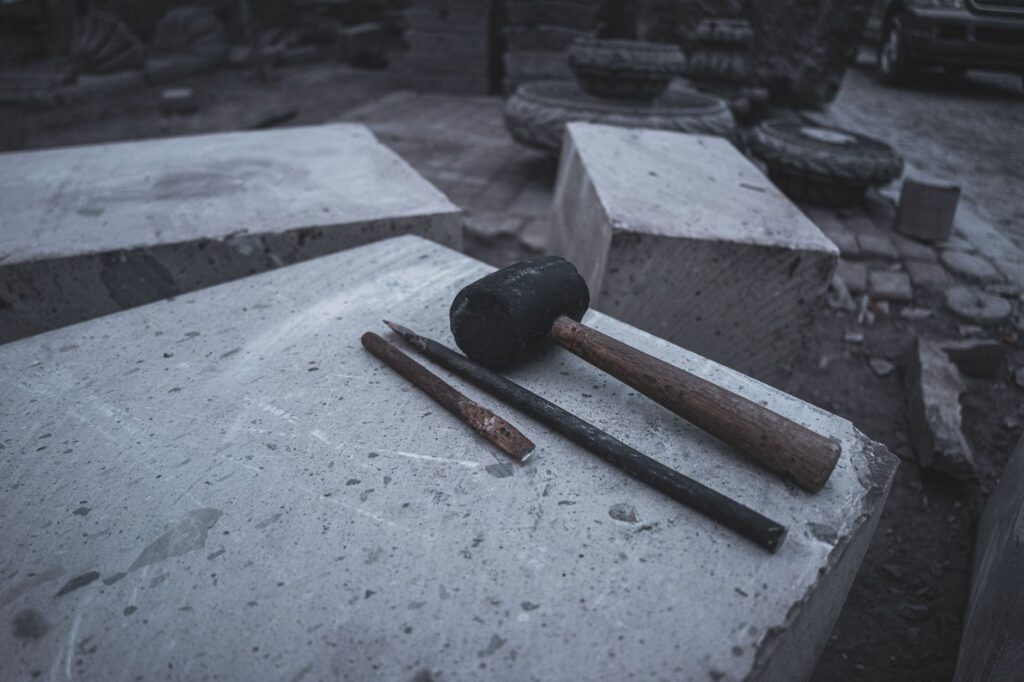
In the Álvarez family workshop, on the outskirts of Sierra de la Ventana, the air smells of silica dust and tool oil. Three generations work side by side. The grandfather, now retired, still sits in a corner polishing small slabs. The son, Martín, 48, leads the most complex projects. The grandson, 22, studies industrial design but does not rule out continuing the family legacy.
“Here it’s not just about cutting stone,” explains Martín while pointing to a freshly extracted block. “You have to read the vein, decide the cut, calculate the roughing. It’s a constant dialogue.” The workshop uses tools that combine tradition and modernity: wrought-iron mallets, tempered steel chisels, but also grinders and diamond saws. Technique adapts, but knowledge of the material remains the same.
The day begins early, when the sun barely lights the hills. The work is physical, demanding, and the quarrymen’s hands are marked by scars and calluses. Yet none would trade their craft for another. “It’s a pride to see a wall we built twenty years ago and it’s still perfect,” says Martín.
Quartzite: a material with geological history
The quartzite of Sierra de la Ventana formed from quartz-rich sandstones that, subjected to high pressures and temperatures during the Variscan orogeny, transformed into an extremely hard and abrasion-resistant rock. Its color varies from white to greenish gray, with iron oxide veins that give it a unique character.
Quarrymen distinguish several types according to hardness and fracture. “Edge stone” is the most prized for masonry because it splits into regular slabs. “Ball stone” is harder and used for foundations. “Flagstone” is used for floors and cladding. Each requires different treatment and deep knowledge of its properties.
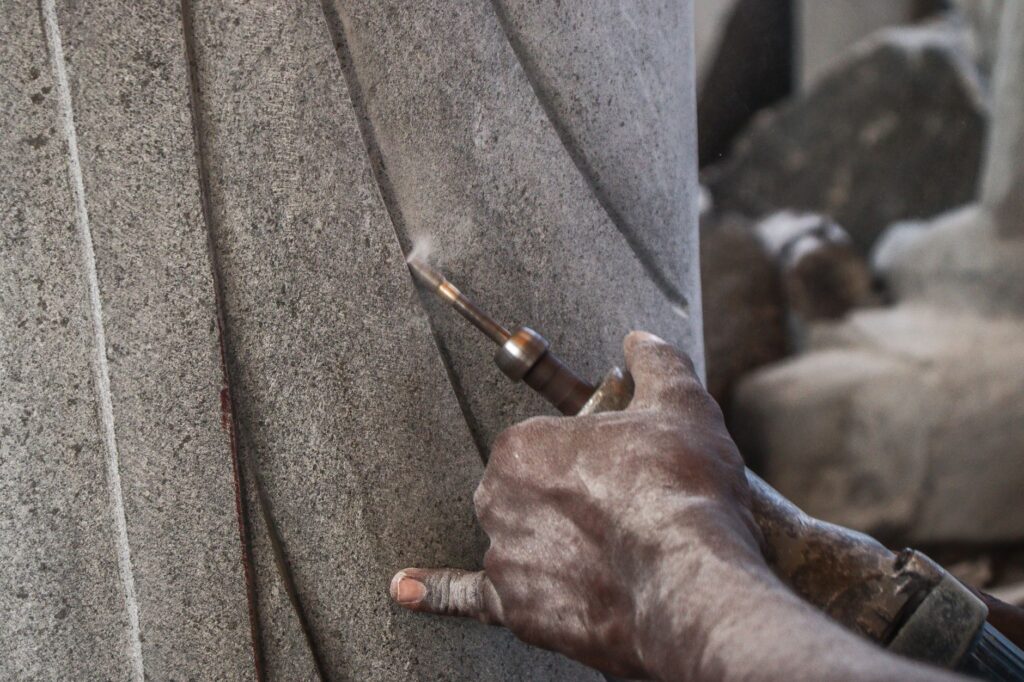
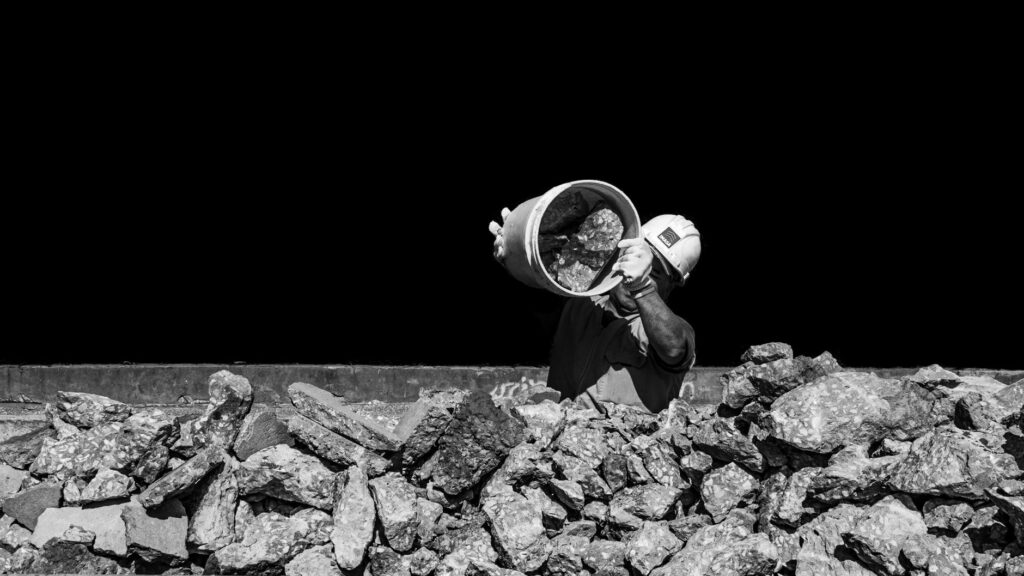
Extraction is done in open pits, sometimes small family fronts. Controlled explosives are used to fragment the face, and then manual work begins. Blocks are separated with wedges and mallets, and transported in wheelbarrows or small trucks to the workshop. There they are cut, rough-hewn, and polished according to their destination.
The names that sustain memory
In the villages of the region, the surnames of quarrymen repeat: Álvarez, Pérez, González, Bianchi. Many arrived with European immigration and put down roots. Over time, some became local references. Don Pedro Bianchi, who passed away a decade ago, was recognized for his skill in carving curved pieces without templates. His workshop, now a museum, preserves the tools he used.
Women also played a fundamental role, though less visible. While men worked in the quarries, they handled administration, sales, and final polishing of small pieces. Today, several women run workshops and actively participate in production.
“My grandmother polished slabs in the backyard while raising her children. That work is also stonemasonry,” recalls Lucía, granddaughter of a quarryman and current manager of a stone venture.
The landscape as work and resource
The Sierra de la Ventana is a consolidated tourist destination. Its hills, streams, and viewpoints attract thousands of visitors each year. Stone is present in both natural and built landscapes. Stone viewpoints, trails marked with flagstones, and mountain refuges are part of the experience.
But extractive activity is not without tensions. Some environmental groups question the impact of quarries on the mountain ecosystem. Quarrymen, mostly small-scale, apply restoration practices on abandoned fronts. The discussion remains open and seeks a balance between conservation and the continuity of a historic craft.
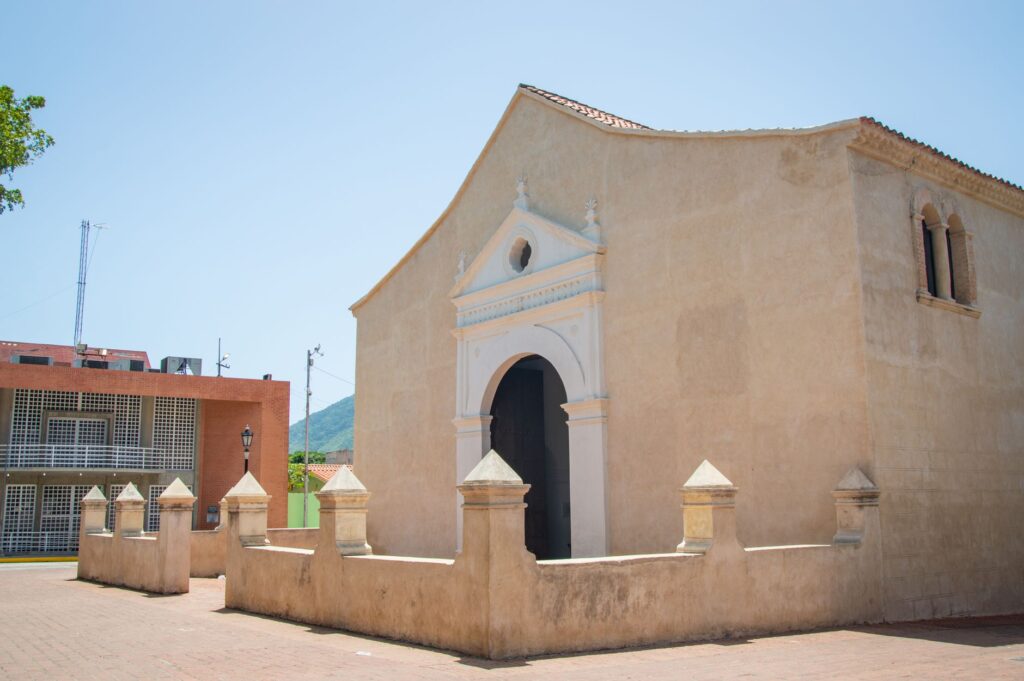
Rural tourism and agritourism have opened new opportunities. Many visitors seek artisanal pieces as souvenirs. Quarrymen offer everything from small paperweights to garden tables. Guided tours of the workshops are also organized, explaining the complete process.
The transmission of knowledge: between school and workshop
Learning stonemasonry is not easy. There are no formal schools in the region. Knowledge is passed from generation to generation, within the family or through apprentices who come by vocation. Some workshops have established agreements with technical schools to offer internships, but continuity depends on young people’s interest.
“Today it’s harder than before. Kids want to work in something less heavy,” admits Martín. However, there are exceptions. A group of young designers has begun collaborating with quarrymen to create contemporary objects: lamps, low tables, cladding. The fusion of design and craft opens a possible path.
The local cooperative, created some years ago, groups several workshops and seeks joint marketing, as well as training in new techniques and occupational safety. Prevention of silicosis, a respiratory disease caused by inhaling silica dust, is a priority. Respirators are used and work is done with adequate ventilation.
A route to discover the craft
For travelers interested in culture and design, Sierra de la Ventana offers a fascinating tour. You can start at the Stonemasonry Museum in the town of Sierra de la Ventana, which exhibits ancient tools, photographs, and finished pieces. Then visit working workshops, such as the Álvarez family’s or the Bianchi’s, where you can observe the process and purchase pieces directly.
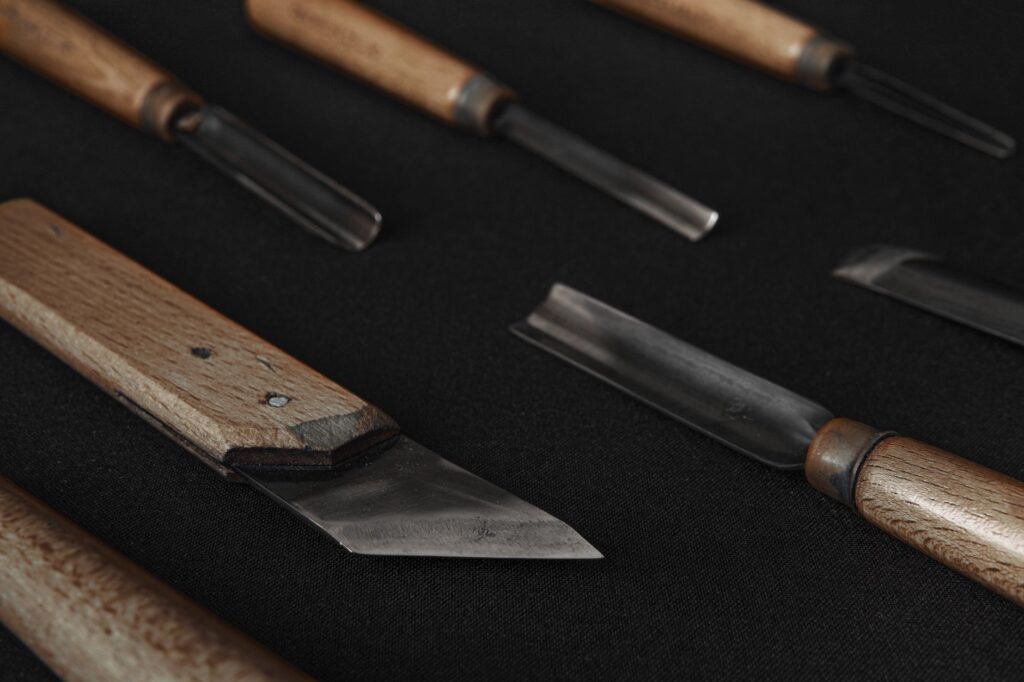
Natural viewpoints, such as Cerro Ventana or Cerro Bahía Blanca, allow you to appreciate the geology and landscape. Along the way, stone walls bordering roads and bridges built with quartzite are testimony to the quarrymen’s work. Local gastronomy is also linked to stone: some restaurants serve dishes on slabs, and nearby wineries use stone for their cellars.
The best time to visit is spring and autumn, when the weather is mild and the landscape colors change. Summer is hotter and more crowded, and winter can be cold, though occasional snow adds a special charm.
Practical guide
How to get there: Sierra de la Ventana is about 550 km southwest of Buenos Aires. Access is via National Route 3 to the city of Bahía Blanca, then Provincial Route 76. Bus services run from Retiro terminal, and you can also travel by car. The nearest airport is Bahía Blanca, with flights from Buenos Aires.
Where to stay: Options include campgrounds, inns, cabins, and boutique hotels. Many cabins are built with local stone and offer views of the hills. Book in advance during high season.
What to bring: Comfortable walking shoes, sunscreen, hat, and water. If visiting workshops, wear clothes that can get dirty. For guided tours, coordinate in advance.
Where to buy: In addition to workshops, there are artisan fairs in the towns and specialty shops. Prices vary according to size and complexity. Ask about the origin and type of stone.
Activities: Hiking, horseback riding, birdwatching, visits to wineries and museums. The Stone Route is a self-guided circuit connecting points of interest.
Safety: When entering quarries, do so with a guide and respect safety rules. Do not attempt to extract stone on your own.
An uncertain but hopeful future
Stonemasonry in Sierra de la Ventana is not a million-dollar business, but it is an activity with identity. Quarrymen know their craft will not disappear entirely as long as there are those who value handmade work. Demand for natural stone for decoration and sustainable construction is growing worldwide, giving them an opportunity.
“We don’t want this to be lost. It’s our history,” says Martín while caressing a freshly polished block. In his hands, the stone seems to come alive. And with each mallet blow, the memory of a people remains intact.