
The Shadow of Stone and the Awakening of the Sea
There are cities whose pulse is not measured by the rhythm of traffic lights, but by the sway of tides and the muffled murmur rising from fish markets at dawn. In Vigo, that heartbeat has been concentrated for decades beneath the granite and iron structures of its central market, a space where Atlantic geography translates into a daily vocabulary of scales, iodine, and salt. When the early morning still dissolves the outlines of the shipyards and the silhouettes of mussel platforms in the estuary, the stalls begin to fill with a liturgical precision that defies the clock. This is no mere commercial exercise; it is the uninterrupted ceremony connecting oceanic depths with the daily tables of Galician homes.
The air inside smells of open sea, damp gauze, and the aged wood of fish boxes stacked by wholesalers with the gestures of an ancient choreography. Here, every marine species tells a story of cold currents, upwelling, and rugged rocky bottoms. The fishmongers, guardians of knowledge passed down through generations, handle the produce with a reverence that contrasts with the raw environment. In this corner of the Rías Baixas, the product is not merely displayed; it is venerated. And in that devotion lies the singularity of a market that has resisted the homogenization of large supermarkets without losing an ounce of its port dignity.
Architecture of Steel and Maritime Memory
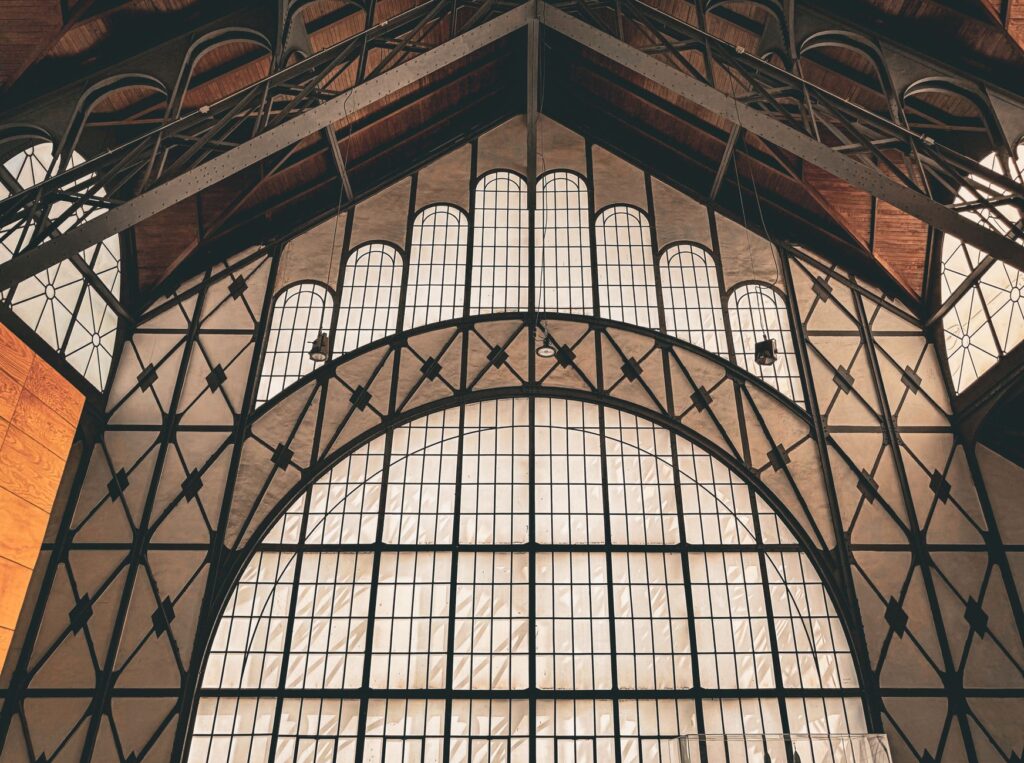
The building sheltering this gastronomic sanctuary is not just a functional container, but an architectural document testifying to Vigo’s urban transformation between the nineteenth and twentieth centuries. Conceived to organize the bustle of street vendors, the market fuses the solidity of dressed stonework with the industrial lightness of wrought iron, allowing northern light to penetrate the aisles and cast metallic reflections on the damp surfaces of seafood. The cast-iron columns and visible trusses recall an era when civil engineering engaged in a direct dialogue with the needs of local commerce.
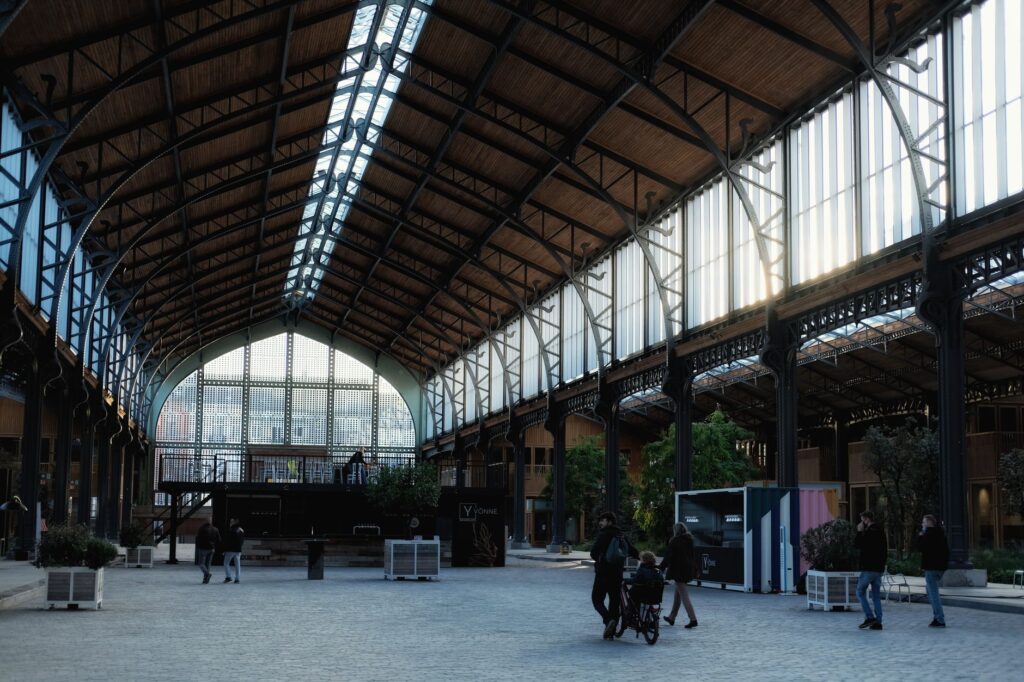
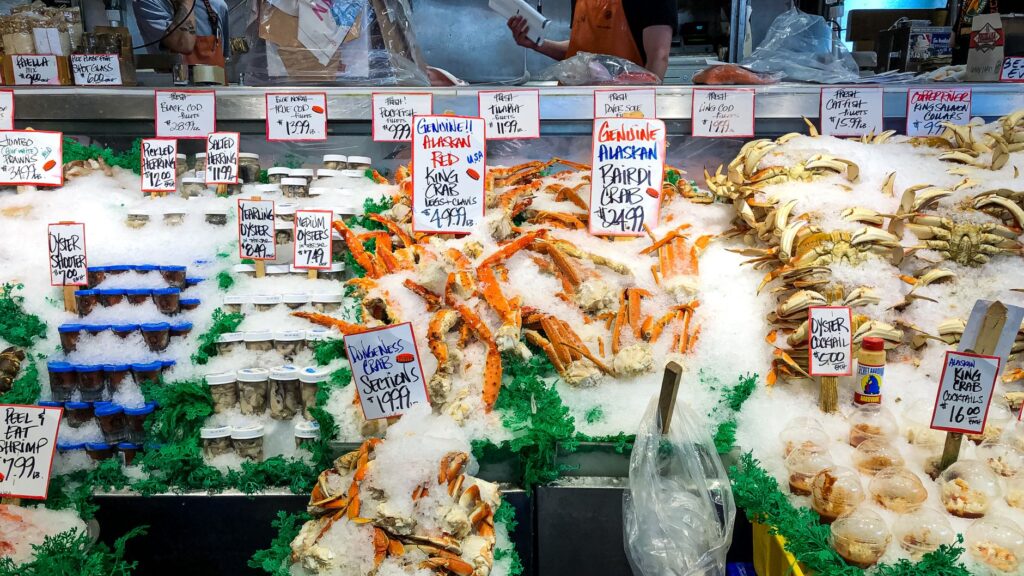
Wandering through its corridors is stepping into a living archive where architecture frames human relationships. The stalls are arranged according to an invisible yet ironclad hierarchy: the most delicate mollusks and bivalves occupy the brightest zones, while large pelagic fish and rockfish display a chromatic palette ranging from metallic silver to deep navy blue. Each aisle is a gorge of voices, calls, and knives sharpening against zinc slabs, an unmistakable soundscape defining the vibrant identity of the city.
The Invisible Geography of the Rías Baixas
Understanding what happens on the marble tables of the market requires lifting one’s gaze to the marine horizon that sustains it. The Rías Baixas are no ordinary geographical accident; they constitute one of the most productive ecosystems on the planet, thanks to the phenomenon of deep nutrient-rich water upwelling. From the mussel rafts anchored in the Arousa estuary to the sandy beaches exposed to the fierce surf of the Cíes and Ons islands, every square meter of this coastline imparts an unrepeatable texture and flavor to the Galician larder.
The shellfish gatherers and net-menders who daily supply the market stalls operate under strict ethical and legal codes aimed at sustaining resources that are never taken for granted. Spring tides dictate the harvesting calendar for both foot-gatherers and artisanal boat crews. No two days are alike in the lonja or the plaza; adverse weather, winter storms, or summer calms write an unpredictable script that vendors accept with the natural ease of those who know the fury and generosity of the ocean.
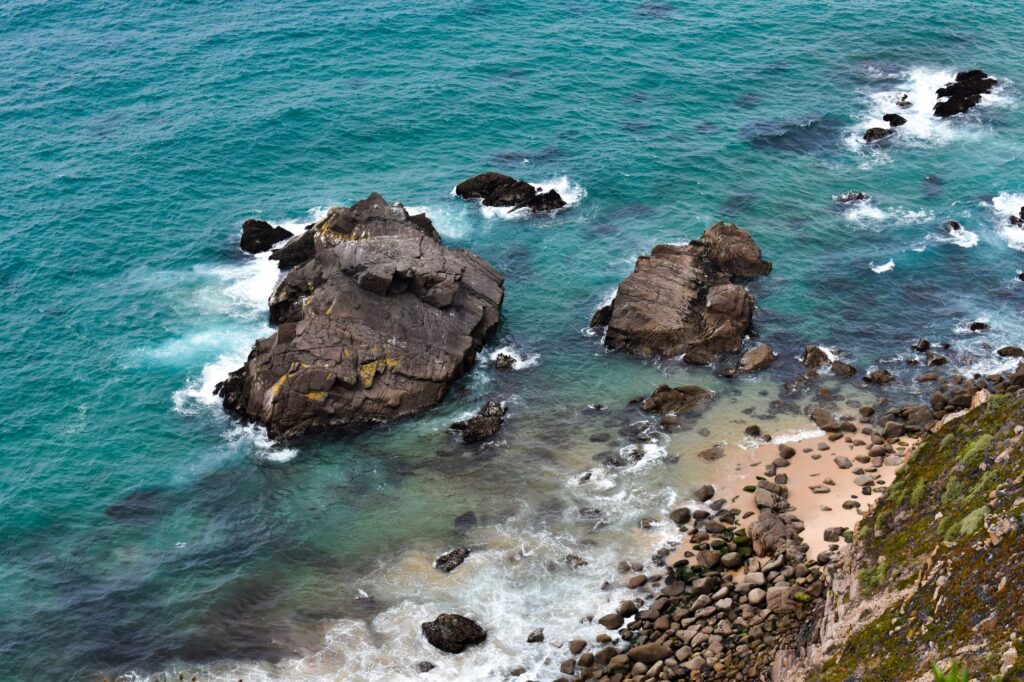
The Atlantic is not a landscape contemplated from a distance; it is a territory that is chewed, splashed, and assimilated in every bite of its fresh produce.
The Realm of Bivalves and Rock
If there is a territory where marine biodiversity reaches almost scandalous heights, it is in the stalls dedicated to shell fish. Clams—fine, baby, and Japanese—rest in tanks of simulated natural seawater, while cockles and razor clams demonstrate the vitality of their origins in the estuary muds. Oysters, sourced from traditional cultivation parks, are opened instantly for clients seeking the pure experience of concentrated iodine in a single sip.
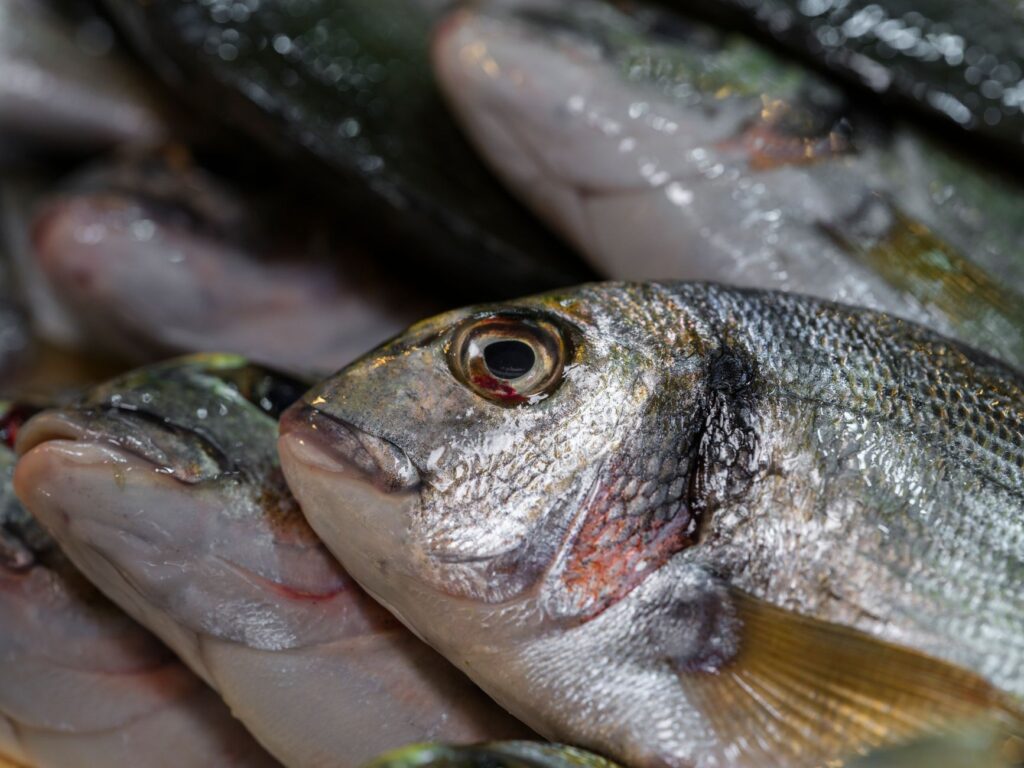
A short distance away, rockfish such as white seabream, wild sea bass, and wreckfish display bright eyes and taut skin that betray their recent transit from gillnets or longlines. Here, unnecessary intermediaries have no place; traceability is direct, transparent, and entirely verifiable. The buyer dialogues with the produce knowing that the journey between the sea and the counter is measured in mere hours—a contemporary luxury experienced in Vigo as a mundane daily routine.
The Larder of Garden and Mountain
Although the sea captures much of the visual and olfactory prominence, Vigo’s central market guards an equally valuable treasure in its upper floors and surrounding stalls dedicated to proximity agriculture. The rural parishes encircling the city—with their smallholdings and south-facing gardens—supply the stalls with broad-leaf greens, tender turnip tops, and an infinite variety of local tomatoes smelling of fertile soil and Atlantic sun.
Mountain products, such as autumn chestnuts, wild mushrooms gathered in eucalyptus and pine forests, and artisan cheeses with protected designations of origin from neighboring regions, complete a self-sufficient gastronomic circle. Vigo’s cuisine cannot be understood without this indissoluble marriage between sea salt and forest humus moisture, a duality permeating both humble stews and local haute cuisine proposals.
Counter Rituals and Oral Memory
The market is, above all, a space for conversation. Here prices are negotiated, but more importantly, culinary advice, inherited recipes, and confidences regarding the state of the sea are exchanged. Interactions between customers and fishmongers shape a social fabric scarce in globalized metropolises. A veteran customer might receive an affectionate reprimand for attempting to buy fish out of season or precise instructions on how to handle a hake loin so it retains all its juiciness.
This oral exchange constitutes an intangible heritage as fragile as it is valuable. Popular species names, maritime expressions, and local idioms survive in these corridors against the advance of standardized supermarket manuals. Visiting Vigo’s market is, ultimately, undergoing an accelerated crash course in Atlantic anthropology where the official language is the product and the grammar consists of expert gestures and knowing glances.
In authentic food markets, you do not merely buy food; you acquire the perfect alibi to continue belonging to a community with a memory.
Practical guide
How to get there: Vigo’s Central Market is located in the heart of the historic quarter, next to the pedestrianized Piedra zone and very close to the Paseo de Alfonso XII. It is accessible on foot from any point in the urban center or via urban bus lines connecting to Porta del Sol.
Opening hours: The main retail sales activity takes place from Monday to Saturday, from 07:00 to 14:00 hours. The moment of greatest effervescence and variety of fresh produce occurs between 08:30 and 11:30 in the morning.
Shopping tips: It is advisable to carry cash in small denominations to expedite transactions at traditional stalls, although most now accept card payments. Always ask for seasonal species and let yourself be guided by the fishmongers’ advice regarding cleaning and cutting fish.
Dining options: In the immediate vicinity of the market and on its upper floor, there are small tasting spaces where it is possible to consume fresh produce purchased at the stalls, cooked to order with simple preparations such as grilling or boiling with olive oil and paprika.
The Saline Echo of the West
When the metal shutter of the last stall descends and morning bustle gives way to afternoon silence, Vigo’s market recovers its stone architecture and its status as a daily monument. Outside, the western breeze caresses the docks while gulls trace lazy circles over the decks of moored boats. In that Atlantic twilight, the city rests knowing its deepest identity remains intact, guarded beneath granite vaults where the sea is reborn every morning.