
In the urban heart of Oviedo, where the murmur of historic stone engages with the morning mist rolling down from the Picos de Europa, the Central Market of El Fontán beats with the precision of an old peasant chronometer. This temple of provisioning is not merely a venue for commercial transactions, but the great living archive where the gastronomic memory of Asturias is updated every dawn. Beneath its iron and glass structure, which evokes the industrial ideals of the nineteenth century without sacrificing the warmth of the terroir, an invisible network is woven connecting the most rugged pastures of the Cantabrian Mountains with the most discerning tables in the country.
The routine of this commercial colossus begins long before the first ray of sun illuminates the domes of the cathedral. Local producers arrive laden with wooden crates safeguarding the fruits of an implacable and generous topography. Here, produce does not respond to global aesthetic criteria, but rather to the tyrannical and beautiful dictatorship of the seasons. Understanding contemporary Asturian cuisine requires delving into this labyrinth of stalls where raw-milk cheeses exhale the aroma of the hNo shortcuts are possible when seeking the essence of a territory shaped by rain, wind, and the secular isolation of its valleys.
The Architecture of Provisioning and the Memory of El Fontán
The building that now houses the commercial activity of El Fontán is the result of a protracted urban evolution rooted in an ancient drained lagoon. That wetland, which in the sixteenth century served as a hunting ground and public washhouse, transformed its natural vocation into a bustling open-air commercial forum where villagers exchanged agricultural surpluses. The need to organize that festive chaos led to successive architectural interventions until the current metallic structure was consolidated, a masterpiece of functional engineering balancing spatial diaphanousness with ornamental restraint.
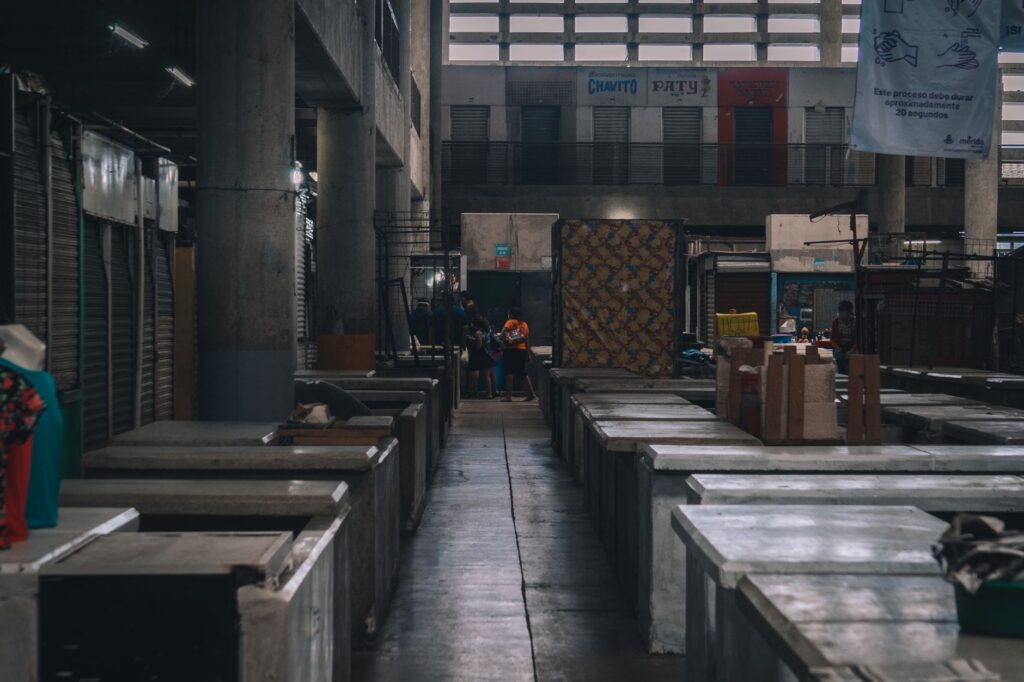
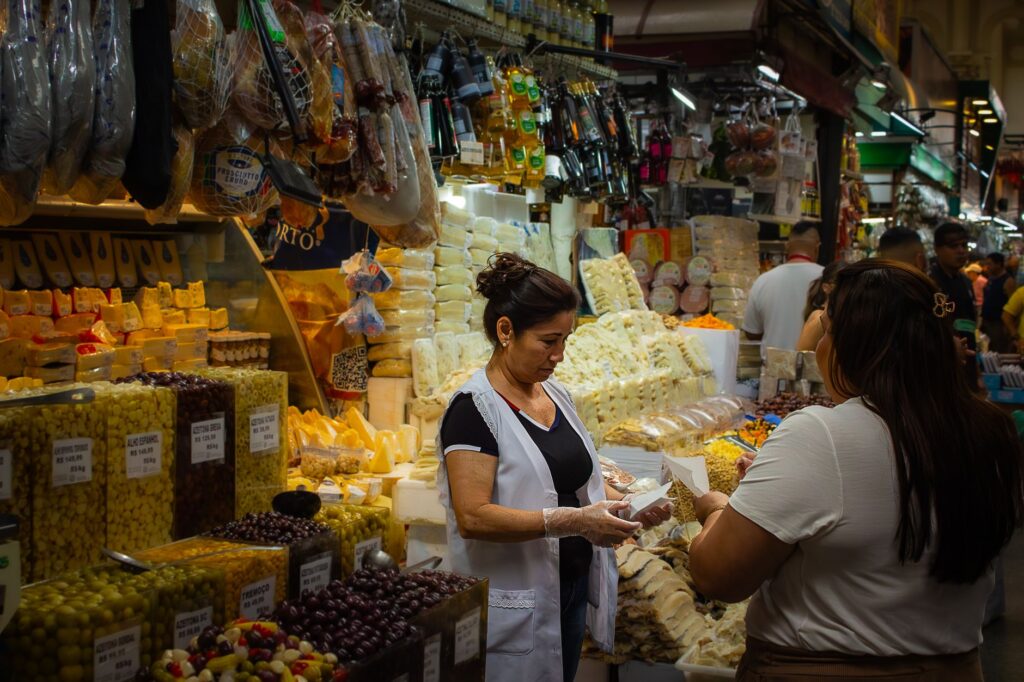
Strolling through its central aisles during peak hours is to immerse oneself in a meticulous choreography. The vendors handle the scales with gestures automated by decades of trade, while regular customers examine the pieces with the complicity of those who know the exact origin of the goods. The market operates as an autonomous organism, a social ecosystem where human interaction remains the primary currency. Crossed conversations about weather, harvest quality, or the optimal ripeness of fruit constitute the true connective tissue of the Ovetense community.
The Wise Hands of Centennial Stalls
Behind every counter hides a family lineage that has turned patience into its main working tool. Families like the Fernández or the González have spent generations guarding artisanal cheese recipes that are barely commercialized outside provincial limits. In their display cases, the imposing Gamonéu cheese coexists with its smoky notes and touches of natural penicillium reminiscent of the damp caves where it matures, alongside the delicate Afuega’l Pitu, whose dense and slightly acidic texture varies radically depending on whether it is chosen in its white version or its red variant spiced with pimentón.
Traditional butchery likewise maintains a constant dialogue with the extensive livestock farming of the surrounding mountains. Cuts of Gochu Asturcelta, an autochthonous breed rescued in extremis from the abyss of extinction thanks to the tenacity of local breeders, exhibit an enviable fat infiltration that guarantees a juiciness impossible to find in intensive productions. Traceability here is not a marketing argument, but an inescapable reality based on direct knowledge of the farmer, the shepherd, and the regional slaughterhouse.
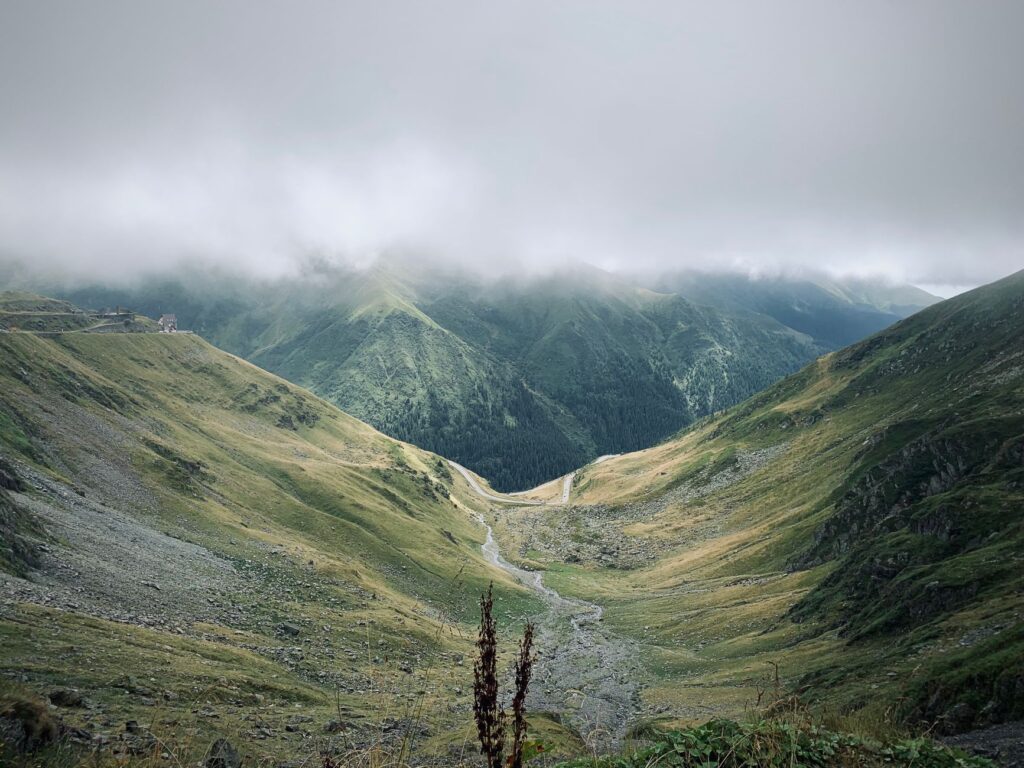
The market is not the end of the food chain, but the mirror reflecting the landscape, climate, and daily effort of an entire mountainous region.
Fish deserves special mention in a territory where the Cantabrian coast exerts a magnetic fascination. Although Oviedo lies a few kilometers from the open sea, the fish markets of Avilés and Gijón supply the Ovetense stalls with specimens that have barely lost the metallic sheen of their catch. Line-caught hake, imposing monkfish, and deep-water splendors arrive with scales intact, claiming the attention of local restaurateurs seeking the exact cooking point to respect the texture and original iodine of the product.
Outside mass commercial circuits, small-scale agriculture survives in the terraced plots descending toward the Nora and Nalón rivers. These small family gardens supply El Fontán with broad-leafed greens, tiny green beans, and fabes of the Asturian granja variety that defy any attempt at industrial cultivation. Seasonal vegetables set the rhythm of the stewpots, recalling that the Asturian pantry is, above all, an exercise in seasonal intelligence and sustainable utilization.
During autumn months, mushroom stalls visually transform the market with a palette of ochres, browns, and reddish tones. Local foragers contribute porcini, saffron milk caps, and black chanterelles gathered at dawn in the oak and beech forests carpeting the mountain foothills. This wild foraging adds an immediate, forest-like nuance to the cuisine of Ovetense restaurants, integrating these ingredients into game stews or minimalist preparations where the produce shines with absolute autonomy.
From Counter to Casserole: The Cuisine of Territory
The journey between the provision stall and the restaurant stoves in the city is a short urban walk synthesizing the region’s gastronomic philosophy. Contemporary chefs in Oviedo flock daily to El Fontán not only to provision themselves, but to test the pulse of the season and adjust their daily menus to what the market offers at any given moment. This creative dependence on local supply ensures honest cooking anchored in the territory yet open to subtle technical updates that lighten traditional heavy dishes without subverting their soul.
Emblematic dishes like fabada or Asturian pote find their foundational raw material in this market. The compango—composed of chorizo, blood sausage, bacon, and salt pork—is selected with meticulous rigor; excessive smoking or deficient curing can ruin hours of slow cooking over an open flame. The secret lies in the harmony of elements, where no single ingredient should overshadow the rest, achieving an unctuous and balanced broth comforting both body and memory.
The Confraternity of Sweets and Conventual Pastry
The sweetest facet of El Fontán hides in corners where traditional Asturian pastry claims its monastic and popular legacy. Carbayones, moscovitas, and casadielles coexist with hazelnut tarts and butter cookies prepared according to formulas unaltered for a century. Local pastry chefs defend the use of high-mountain cow butter and barn eggs, ingredients imparting an unmistakable consistency and aroma far removed from industrial standards.
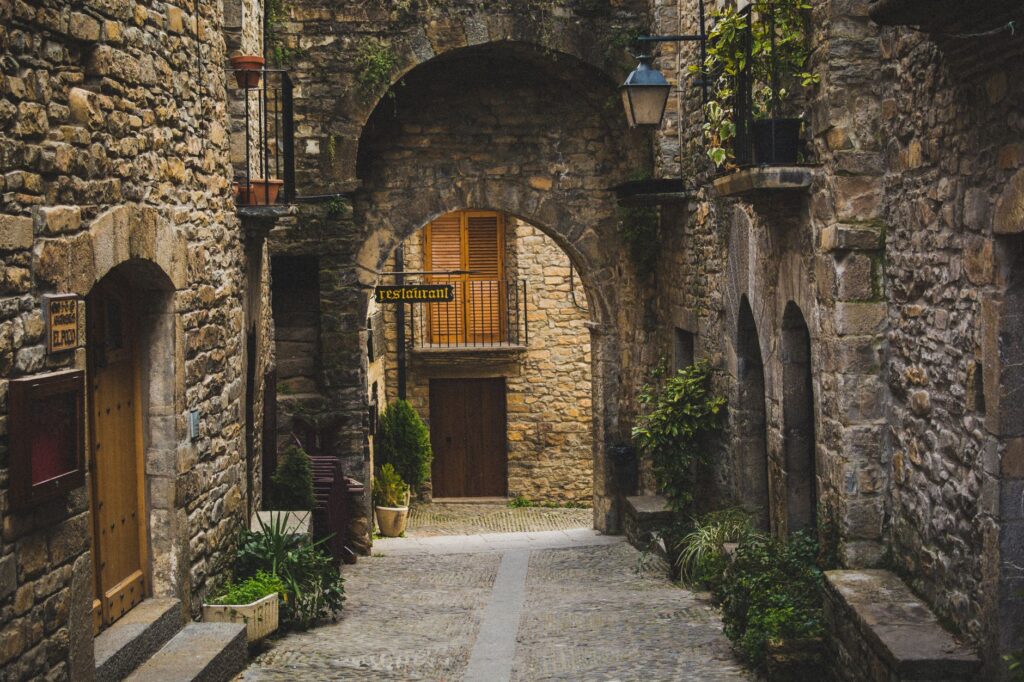
This sweet heritage completes a sensory journey spanning from the salinity of the Cantabrian Sea to the unctuous sweetness of village butters. Buying a freshly baked preñao bun and consuming it while observing the market bustle is one of those small urban rituals summarizing Ovetense identity: a seamless blend of popular simplicity, hospitality, and unshakeable gastronomic pride.
Practical Guide
How to get there: Oviedo is seamlessly connected via high-speed railway networks and regular bus and highway connections from major northern peninsular capitals.
When to visit: El Fontán Central Market is open Monday through Saturday, with Thursday and Saturday mornings offering peak commercial activity and anthropological atmosphere.
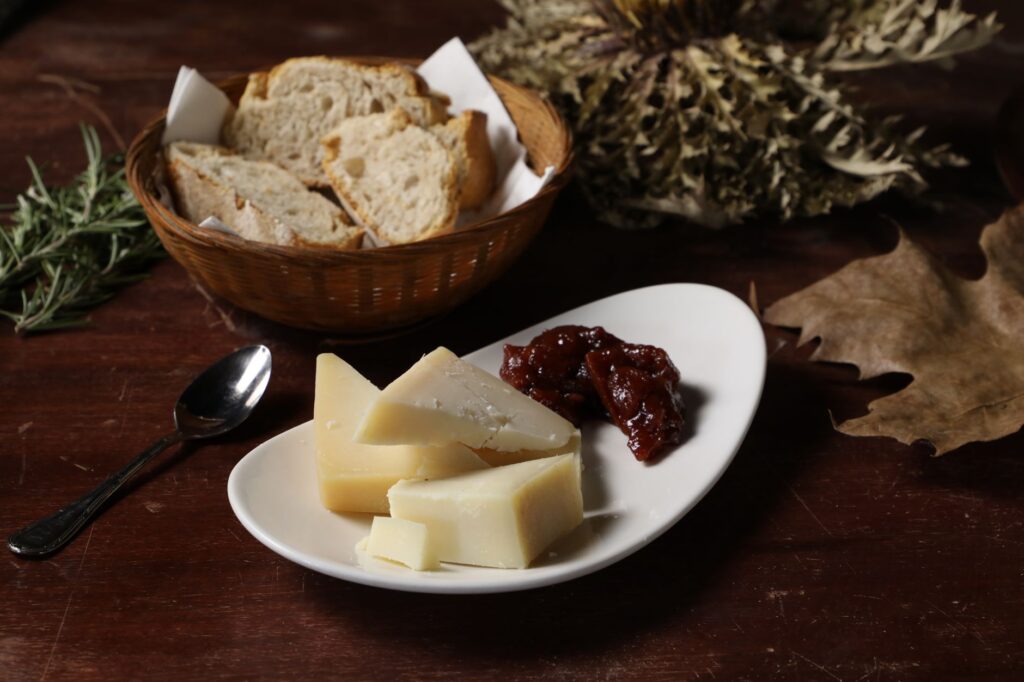
What to buy: Artisanal cheeses from the Picos de Europa (Gamonéu, Cabrales, Afuega’l Pitu), PGI fabes beans, and Gochu Asturcelta cold cuts.
Recommended accommodation: Historic boutique hotels in the old town or restored manor houses in the rural outskirts of the capital.
Traveling through food markets is the only infallible way to decipher the true intimate cartography of a people without intermediaries or artifices.
The Final Pulse of Mist and Oak
As afternoon begins to wane over the towers of San Salvador and the last stalls pack up their protective tarps, the Central Market recovers a silent, stony dignity. In that moment of truce, before the city lights its night lamps and diners gather in the cider houses of the historic quarter, remains the certainty that this space is much more than a provisioning center. It is the refuge where the memory of the Asturian land resists unscathed against the accelerated pace of modernity, reminding us that authentic flavor is always born from deep respect for origin, time, and the patient hand cultivating the mountain.