
In the heart of the Vic plain, where the sharp winter wind sweeps down from the Pyrenees and the noble stone of the farmhouses seems to retain the warmth of centuries, a sound persists that conventional tourist maps routinely overlook. It is not the peal of the cathedral bells nor the steady murmur of the Mèder River, but the dry, rhythmic snap of the awl piercing tannin-tanned vaqueta leather. Here, tucked away in the workshops dotting the old town and porticoed alleys of Osona’s capital, saddlery does not survive as a museum relic, but as a living organism beating to the unhurried pulse of expert hands.
This report delves into the material and human universe of leather artisans in Vic, a territory where the region’s livestock tradition has intertwined since the Middle Ages with master harness-making. Through a meticulous tour of active workshops, we will explore how leather selection, vegetable tanning, and mastery of two-needle stitching configure an intangible heritage that resists the onslaught of mass industrial production. This is not a nostalgic gaze backward, but a profound analysis of the validity of material excellence in the twenty-first century.
The Invisible Geography of Leather: From Medieval Fair to Contemporary Workshops
To understand the magnitude of saddlery in Vic, one must look back to its historical status as a commercial crossroads. Since the 11th century, the celebrated Fira de Santa Llúcia and the weekly grain markets turned the city into the undisputed epicenter of livestock exchange in Catalonia. The shepherds, muleteers, and merchants traversing the valleys required utterly reliable tackle: bridles capable of withstanding the strain of draft teams, saddles able to endure endless hours in the rain, and pouches to safeguard provisions and documents. From this practical necessity arose a lineage of artisans who elevated the trade to the category of functional fine arts.
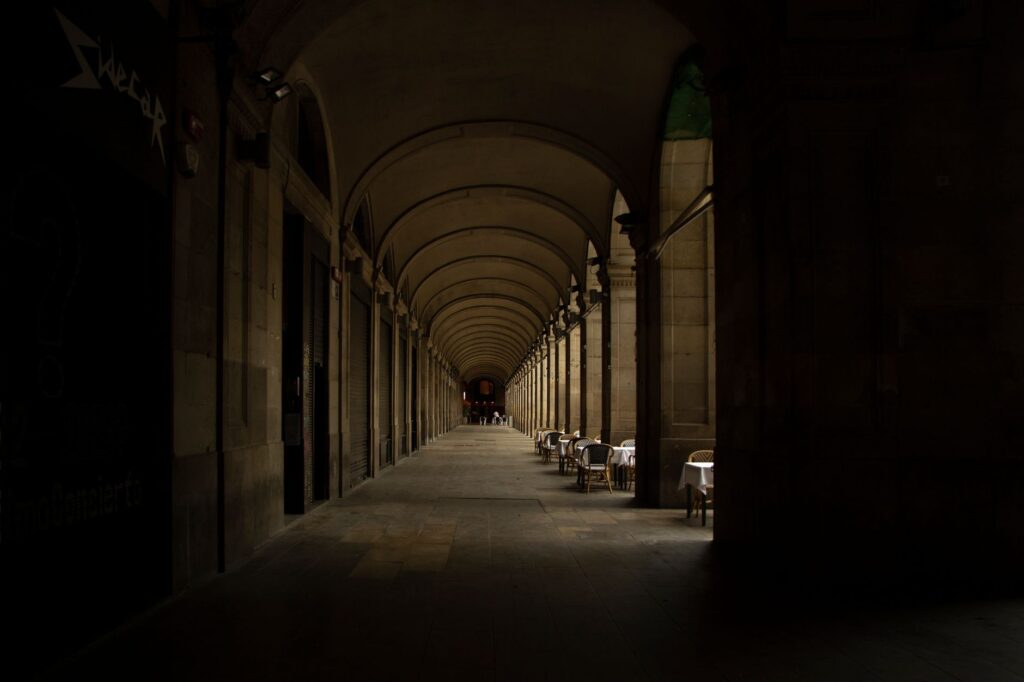
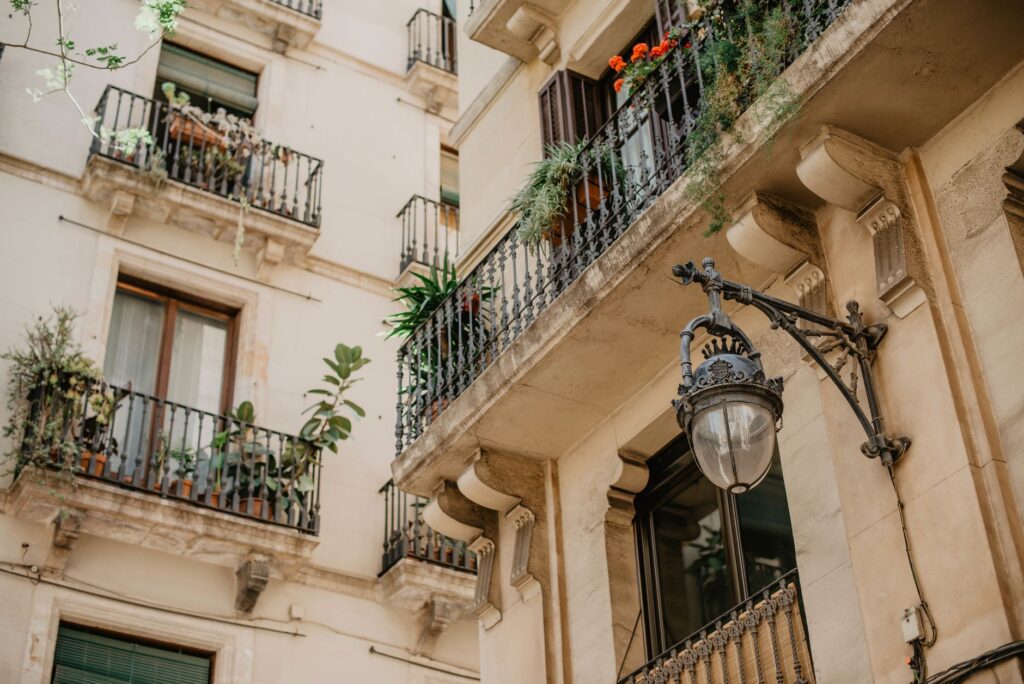
Today’s workshops are discreetly concentrated around the Plaça Major and adjacent porticoed squares, spaces that still retain the guild structure of yesteryear. In these vaulted premises filled with the unmistakable aroma of neatsfoot oil and oak bark, time seems governed by different parameters. There are no assembly lines or flickering screens here; the inventory consists of half-moon knives, brass dividers, shoemaker’s hammers, and wooden lasts polished by the continuous use of generations. Each tool tells a story of oral transmission, from master to apprentice, perpetuating a know-how that nearly vanished during the industrial boom of plastics and synthetics.
The Raw Material: The Miracle of Vegetable Tanning Versus Chrome
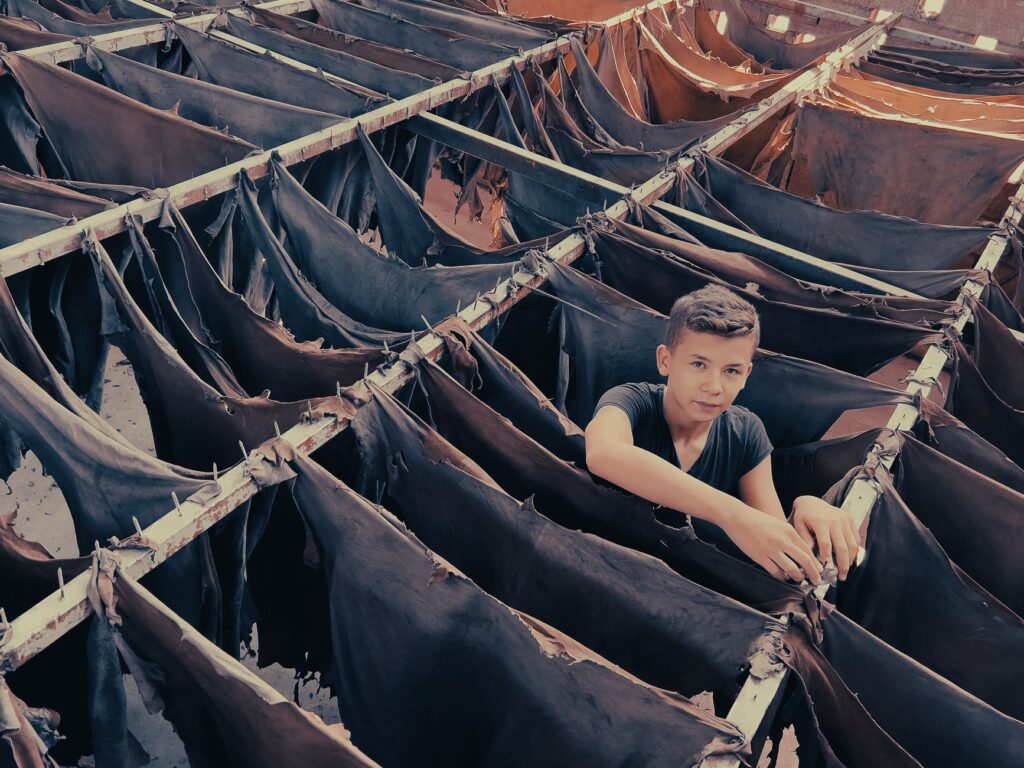
The first commandment of any master saddler in Vic is that the finished piece is only as good as the hide from which it originates. Unlike light leather goods or ephemeral fashion accessories, saddlery demands heavy-gauge hides, generally bovine measuring between three and five millimeters, popularly known as vaqueta or crupon leather. This dense, fibrous dorsal section of the animal possesses the structural strength required to support heavy loads and mechanical stress without deforming or cracking over the years.
However, the secret to durability lies not solely in thickness, but in the chemical process of tanning. The traditional workshops of the area continue to demand hides tanned exclusively with vegetable tannins extracted from the bark of trees such as chestnut, quebracho, or mimosa. This ancestral method, which can take weeks compared to the few hours required by industrial chrome-sali tanning, endows the leather with a unique capacity to age with dignity. Through use, light, and friction, vegetable-tanned leather develops a warm patina, a deep luster, and a flexibility that no synthetic material can ever replicate.
The Pulse of the Workshop: Anatomy of a Centuries-Old Tool
Crossing the threshold of Josep M. Soler’s workshop, nestled in a cobblestone alley near the Roman temple, is an immersion into respectful silence interrupted only by the scrape of metal against a sharpening stone. Josep represents the third generation of a family dedicated to equestrian harness-making and high-end travel accessories. With hands lined by small scars and infinite patience, he demonstrates how hemp thread is prepared before the first stitch is cast. ‘Nowadays people look for the millimeter perfection of the machine,’ he explains while waxing a linen cord with virgin beeswax. ‘But the machine cuts the fiber; hand-sewing embraces it, respects it, and makes it stronger.’
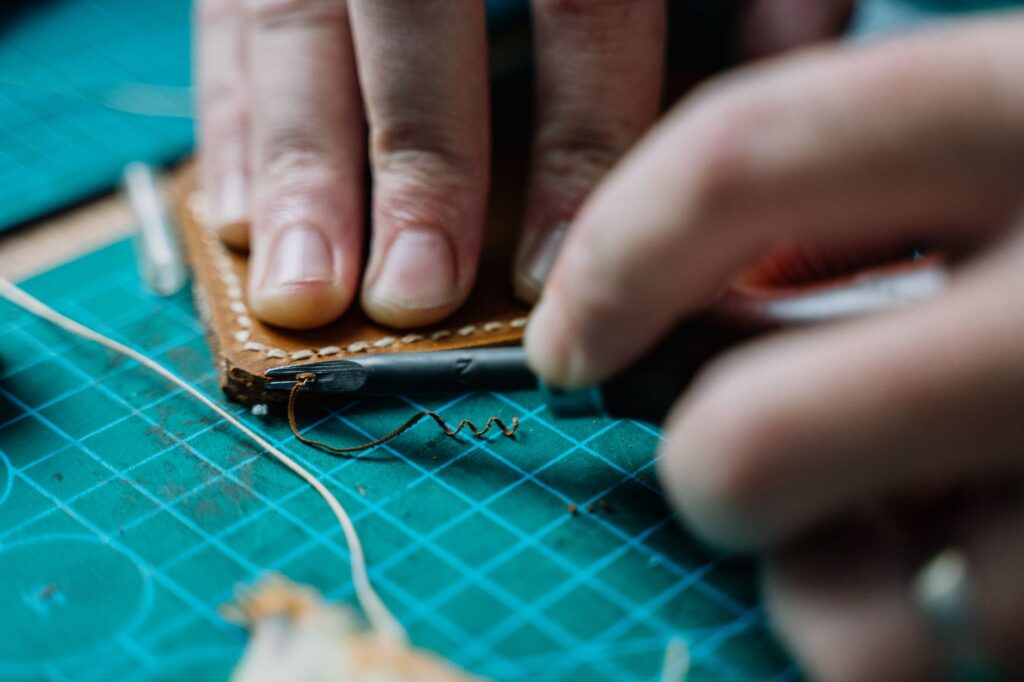
The crafting process of a saddlery piece is an exercise in geometric rigor and controlled force. It all begins with pattern-making on thick cardstock, inherited from old sample books. Next, the design is transferred to the leather using awls and meticulously cut out using the iconic half-moon knife, an instrument requiring years of practice to master without deviating the bevel. The cut must be clean, at an exact right angle, because any imperfection will become glaringly obvious after burnishing the edges. This final step, achieved through the successive application of natural gums, heat, and friction with boxwood, seals the leather pores and yields that smooth, glossy finish characteristic of authentic artisan harness work.
Authentic leather does not hide its scars; it integrates them into its history, turning each blemish of the animal into an unrepeatable testimony of life and endurance.
Another fundamental aspect distinguishing this trade is hand-stitching via the double-needle technique. Using a pair of blunt-tipped needles passing simultaneously through each hole previously pierced with the awl, the artisan generates an interlocking knot. If a thread accidentally snaps after decades of intense use, the stitch structure remains intact thanks to this mutual locking system. It is a perfect metaphor for the philosophy permeating these workshops: resistance against planned obsolescence, a commitment to radical durability as a form of sustainability and environmental respect.
Formal Evolution: Adapting the Craft to the Times Without Losing Its Soul
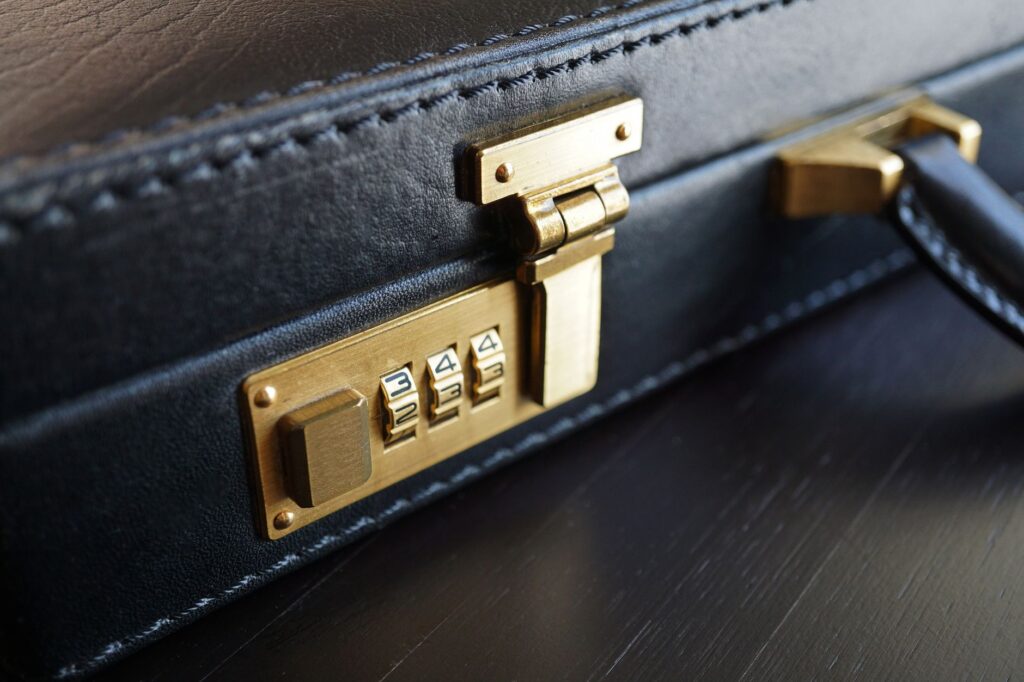
Despite its deep historical roots, Vic’s workshops have not remained anchored in the 19th century. Aware that the demand for traditional equestrian tackle has noticeably declined, the new master saddlers have diversified production without compromising their technical principles. Today, alongside traditional horse blankets, halters, and collars, one finds sophisticated travel briefcases, custom cases for precision musical instruments, tool rolls for designers, and contemporary leather goods featuring clean, pared-down lines.
This transition toward new market niches has not meant abandoning quality standards; quite the contrary. Young designers from Barcelona and other European capitals make pilgrimages to Vic in search of this unique know-how to collaborate on limited-edition capsule collections. Particular value is placed on raw material traceability—with certified local suppliers guaranteeing animal welfare and sustainable farming practices—and absolute transparency in manufacturing processes. Each piece emerging from these workshops carries an implicit invisible signature: the guarantee of accompanying its owner through life while enduring for decades.
Intangible Heritage and the Transmission of Knowledge
The greatest challenge facing saddlery today is not global market competition, but generational turnover. In a hyper-connected society geared toward digital immediacy, convincing young people of the merits of a craft requiring years of silent learning, physical effort, and monastic patience has become a titanic task. Catalonia’s schools of applied arts strive to keep the flame alive through specialized training cycles, but masters agree that the true school remains the workshop, direct contact with the awl, and the seasoned guidance of someone who has spent half a century stitching leather.
Local institutions have launched initiatives to catalog and protect these workshops as assets of local cultural interest, promoting open-house days and heritage routes allowing curious travelers to discover the secrets of this ancient art. Nonetheless, the greatest support a saddler can receive is conscious consumer recognition. Buying an artisan piece in Vic is not merely acquiring a consumer object, but becoming an active patron of a living heritage refusing to vanish under the weight of global uniformity.
Preserving an artisan craft is not about preserving ashes in a glass case, but about keeping alive the fire with which the future is forged.
Dusk over the Osona region dyes the stone facades in a deep amber hue, identical to freshly waxed leather. Inside the workshops, the artificial light of desk lamps focuses with millimeter precision on hands continuing to shape thread and vaqueta. Vic’s heartbeat remains steady yet tireless, reminding us that there are things which time, far from wearing down, ennobles.
Practical guide
How to get there: Vic is located about 70 kilometers north of Barcelona. It is easily accessible by car via the C-17 highway or by taking the R3 regional train line from Rodalies de Catalunya, which offers panoramic views of the pre-Pyrenean landscape.
When to visit: Spring and autumn offer ideal weather for exploring the historic center on foot. To coincide with commercial tradition, the historic Tuesday market, held continuously since the 9th century in the Plaça Major, is an unmissable event.
Where to find the workshops: Most traditional workshops and leather studios are concentrated in the old quarter, especially around Draperia Street, Màrtirs Square, and the porticoes of the Plaça Major. It is advisable to book in advance if you wish to witness live demonstrations or commission custom pieces.
What to observe: Pay special attention to the architectural details of old guild mansions and do not hesitate to step into small establishments to observe historical tools, such as harness benches and half-moon knives.
Sustainability and responsible buying: When acquiring a leather item in Vic, ask for details regarding the vegetable-tanning origin. Ensure you periodically nourish the leather with natural fats to guarantee the patina evolves optimally over decades.