
Introduction to the Atlantic Edge
The Galician territory slips toward the sea in a labyrinth of estuaries where salt water penetrates kilometers inland, carving a landscape where geography is a perpetual dialogue between granitic stone and shifting tides. In this northwestern corner, the railway system is not merely a communication infrastructure, but a historical artery that underpins the economy, social rhythm, and cultural identity of entire communities. The railway line descending from Santiago de Compostela and the interior toward the shores of the Arousa Estuary represents one of the most fascinating layouts on the Atlantic cornice, bridging the high plateau and coastal ports in a journey where nineteenth-century engineering defies the slopes of a terrain shaped by water and mist.
Traveling along this railway corridor reveals how industrial progress adapted to a subsistence economy historically devoted to shellfish gathering, inshore fishing, and Albariño wine production. As the convoy leaves the interior lands and enters the Salnés region, hillsides blanketed in vineyards give way to inlets dotted with mussel rafts—those floating wooden structures where the world’s finest mussels mature. This report explores the symbiosis between railway heritage and coastal life, analyzing how the train continues to set the daily tempo of one of Galicia’s richest and most scenic estuaries.
The Imprint of Stone and Iron in the Salnés Landscape
The construction of the railway network in the Rías Baixas responded to the urgent need to connect Galician fishing ports with Castilian and Madrid markets in the late nineteenth century. Engineers of the era faced a whimsical relief characterized by rolling hills, capricious riverbeds, and a dense network of local roads crossing agricultural valleys. To overcome these natural barriers, meticulous cuts and embankments of local granite masonry were projected, which today appear to form a natural part of the ecosystem, blending seamlessly with the stone walls delimiting rural estates and vineyard plots.
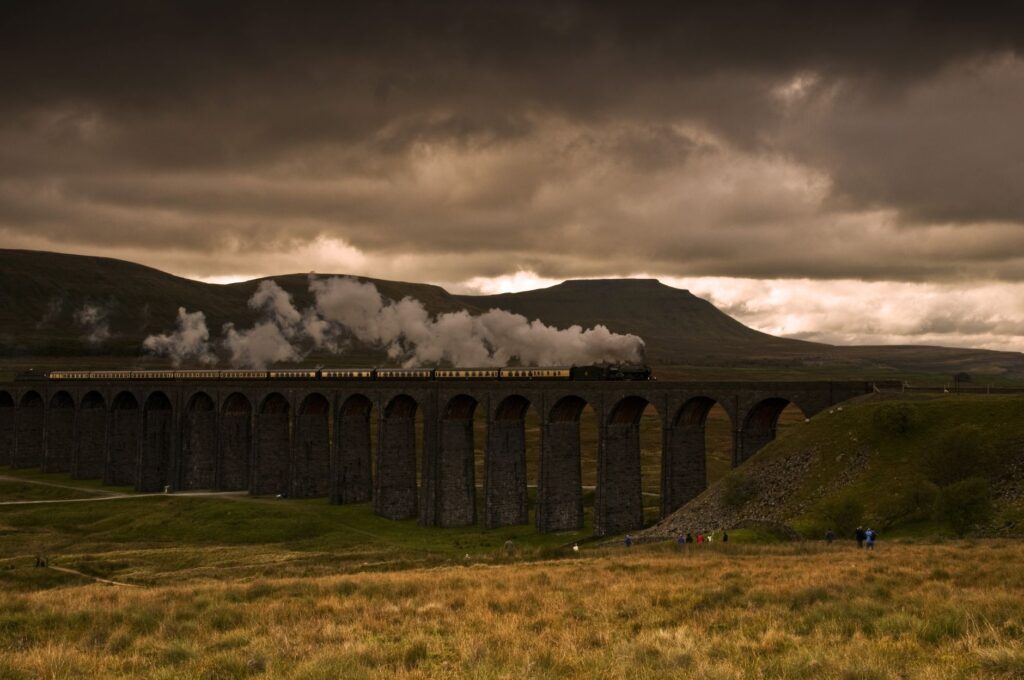
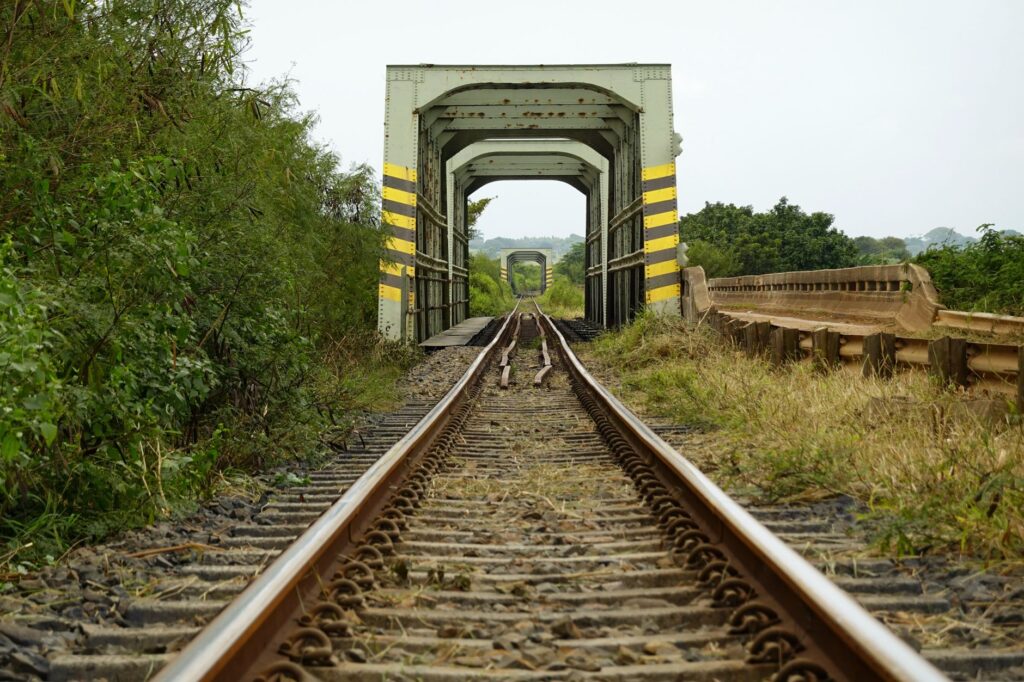
Along this route, metal bridges and small ashlar masonry viaducts represent architectural milestones of high heritage value. Although many of these structures have been modernized to accommodate more efficient regional trains, they retain the visual solidity and sober layout characteristic of nineteenth-century civil engineering. Stopping at historic halts such as Catoira or Vilagarcía de Arousa is a glimpse into an era when steam and coal inaugurated the modern age in a region traditionally isolated by topography and difficult land routes.
Catoira and the Towers of West: Ramparts Against Time
One of the most evocative stops on the rail journey is located in the municipality of Catoira, nestled in the river marshes at the mouth of the Ulla River. Very close to the railway tracks stand the celebrated Towers of West, remnants of an ancient fortress built in the ninth century to defend Santiago de Compostela from the incursions of Viking and Saracen pirates. This strategic enclave demonstrates how modern communication infrastructure and medieval defensive heritage coexist in a minimal geographical space, separated by barely a few meters of marshland and reeds.
The passage of the train alongside these millennial ruins offers a unique perspective of the Galician landscape, where historical traces overlap without friction. Travelers who disembark at the Catoira station can stroll along the river walk bordering the estuary, understand the importance of spring tides in this river stretch, and visit the fortified enclosure that every August relives its Viking past through one of the most culturally significant festivals on the Iberian Peninsula.
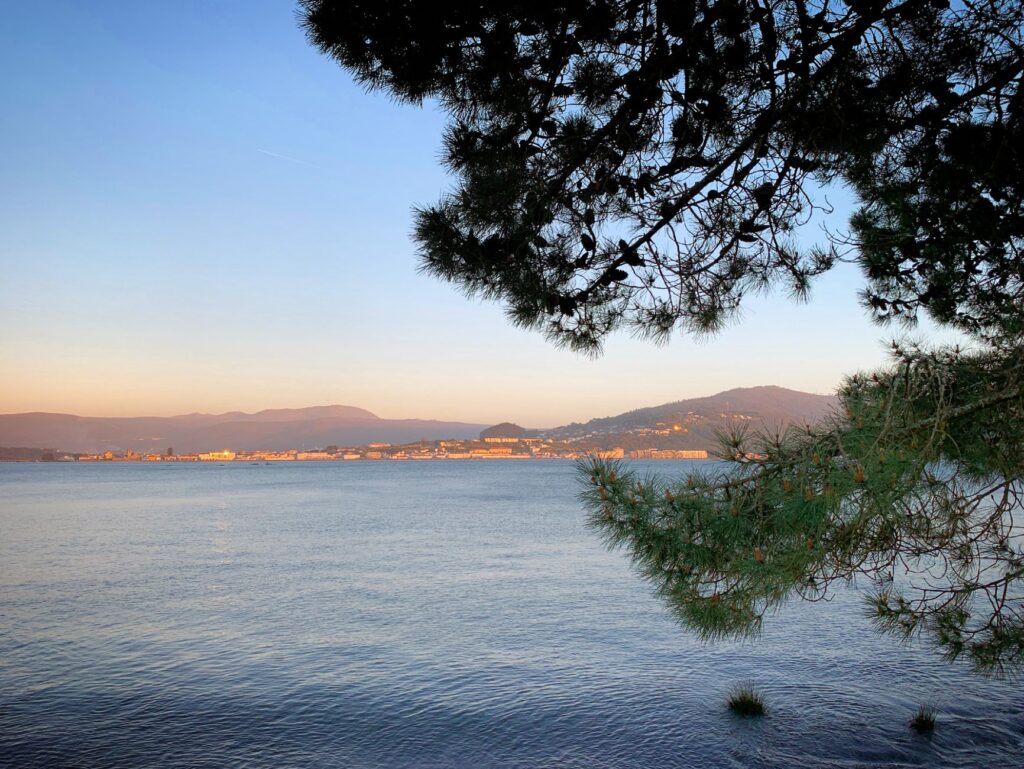
The train does not merely connect geographical points on the Atlantic map; it links the millennial memory of river docks with the measured speed of the contemporary traveler.
Vilagarcía de Arousa: The Great Port of the Maritime Interior
A few kilometers to the south, the railway penetrates Vilagarcía de Arousa, traditionally considered the economic and maritime capital of the estuary. The arrival of the train right to the edge of the commercial wharf once represented an unprecedented logistical revolution, allowing fresh fish caught in deep waters and estuary products to embark on an immediate journey to central markets before dawn. The station, located a step away from the promenade and the Ravella gardens, maintains this seafaring vocation where passengers mingle with dockworkers and local sailors.
The urban layout of Vilagarcía is read today through this railway connection that historically split the city in two halves, generating a dynamic of urban integration now resolved through pedestrian footbridges and partial burying. Strolling along Marina Avenue allows visitors to contemplate the basin where catamarans docking from Arousa Island sway, while the distant hum of railcars recalls that the tracks continue their route toward Pontevedra and Vigo skirting the coastline.
The Green Gold of Salnés: Vineyards and Halts Among Pergolas
Leaving the strictly port strip, the railway route plunges fully into the Salnés Valley, the undisputed sanctuary of the Rías Baixas Denomination of Origin. Here, the tracks run guarded by thousands of Albariño grapevines arranged in traditional granite pergolas climbing upward in search of sunlight. From the train window, the traveler witnesses a radical chromatic shift: the gray of the granite and the navy blue of the estuary yield center stage to the intense green of the vine leaves and the geometric perfection of agricultural plots.
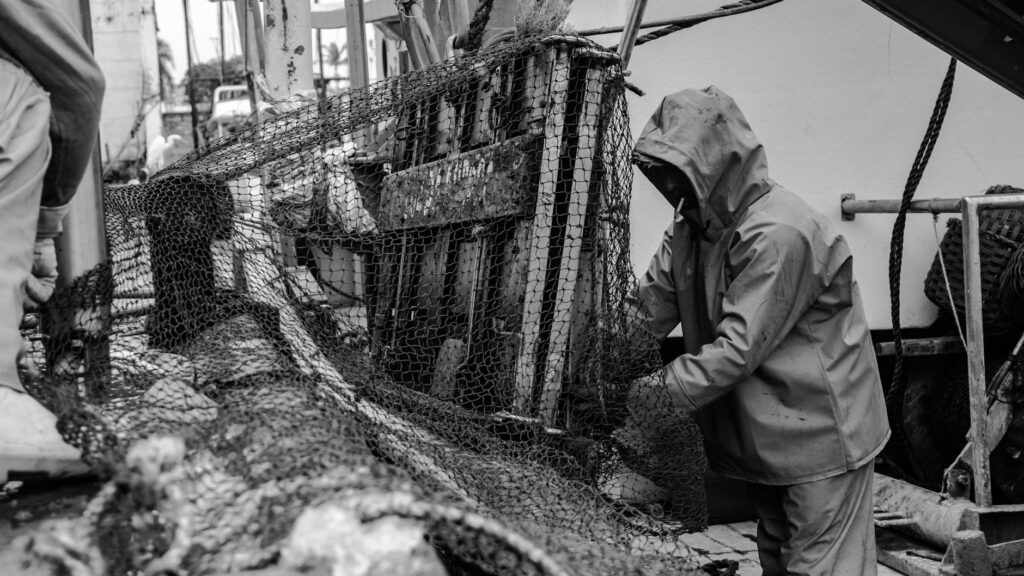
This inland strip connected by the train houses centuries-old wineries and stately manors that have successfully transformed their winemaking heritage into a magnet for sustainable wine tourism. Disembarking at the small secondary stations of this region grants access to hiking trails among vineyards, Romanesque monasteries such as Armenteira, and restored watermills harnessing the flow of small streams tributary to the estuary. The train thus becomes the most ecological and leisurely means of transport to discover the most authentic and serene inland Galicia.
Cambados and the Noble Stone of Fefiñáns
Although the main railway layout runs slightly inland, the neighboring town of Cambados—historical capital of Albariño and jewel of Galician stately architecture—is nourished by the local connecting network departing from the estuary’s main stations. The stone of Cambados, worked with mastery by Galician stonemasons for centuries, defines emblematic squares such as Fefiñáns, where the eponymous manor, the church of San Benito, and Renaissance arcades configure one of the most beautiful monumental complexes in the entire northwest peninsula.
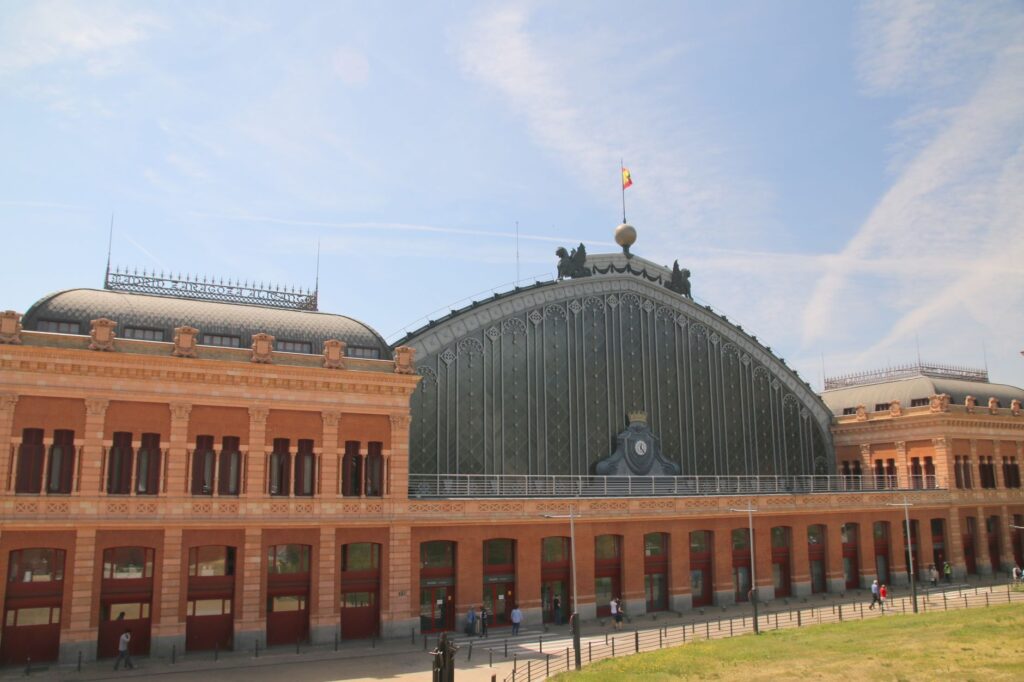
Travelers planning their route by combining the regional train with intermodal bus services discover an urban fabric perfectly adapted to the leisurely pace of the Atlantic. The cobblestone streets of the seafaring neighborhood of San Tomé do Mar, featuring typical fishermen’s houses and the ruins of the San Sadurniño tower overlooking the estuary, complete an experience where popular maritime architecture contrasts with the lavishness of noble manors, evidencing the complex social stratification of this estuary across the centuries.
Traveling unhurriedly through the Arousa Estuary allows the river landscape and the flavors of the sea to shape an intimate geography within the wanderer’s memory.
Practical guide
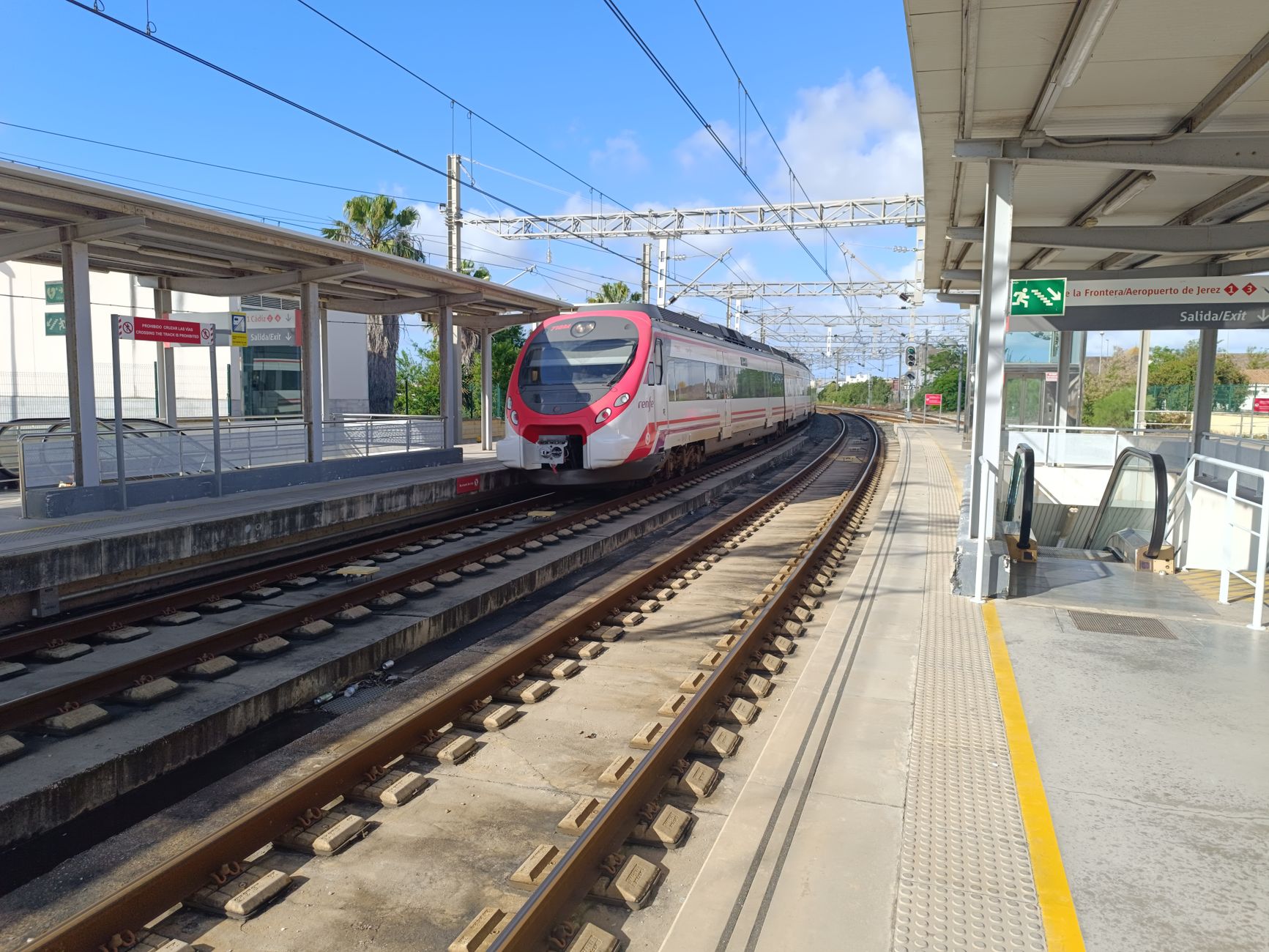
How to get there: The main railway access to the Arousa Estuary region is via the Regional Express (Media Distancia) line connecting A Coruña, Santiago de Compostela, and Vigo, with regular stops in Vilagarcía de Arousa and Catoira. Daily high-speed connections (Alvia and Avant) operate from Madrid and Ourense to Santiago, allowing convenient transfers to regional trains descending toward the coast.
When to travel: Spring months (May to June) and early autumn (September and October) offer mild temperatures ideal for combining train journeys with hiking trails and winery visits, avoiding the summer crowding of July and August, although summer coincides with the main gastronomic and maritime festivals.
Transport recommendations: To explore the most secluded corners of the estuary, such as Arousa Island or the inland manors of O Salnés, combining the regional train with the intermodal bus network or electric bicycle rental is recommended, taking advantage of low-traffic rural road networks.
Accommodation and gastronomy: The region boasts an excellent hospitality offer ranging from historic manors rehabilitated as boutique hotels to small seaside establishments. Tasting the estuary mussel, local scallop, and fresh seafood paired with D.O. Rías Baixas white wine (Albariño) in local taverns and zero-kilometer product restaurants is an absolute must.
Sentimental Epilogue in the Inlet of Boiro
As the sun begins to decline over the Atlantic horizon, turning the calm waters of the Arousa Estuary into copper and mauve hues, the final glow of the day illuminates the silent profiles of the mussel rafts floating like geometric islands in the distance. From the railway embankment, in that final stretch where the track seems to merge with the high-tide line, the silhouette of a regional train advances with the unhurried cadence of an old sailor returning to port after a long voyage. In this moment of absolute stillness, iron engineering and the indomitable nature of Galician tides embrace in perfect harmony, reminding the traveler that the best journeys are not those measuring arrival speed, but those managing to freeze time through the unfathomable beauty of the landscape.