
The relationship between Guanajuato and Japan has transcended the borders of the automotive and manufacturing industries, solidifying in a terrain as subtle as it is fascinating: experiential tourism. Far from relying on the mere inertia of its colonial attractions, the state has structured an active and meticulous tourism diplomacy specifically designed to understand and meet the expectations of visitors from the Land of the Rising Sun. This initiative does not stem from chance, but from the realization of a solid expatriate community settled in the industrial corridor of the Bajío, which has turned this Mexican region into a temporary home for thousands of Japanese engineers, executives, and families.
The current journalistic challenge lies not only in registering the arrival of new investments or the signing of bilateral agreements between tourism secretariats and international travel agencies, but in examining how a colonial Mexican destination reconfigures its hospitality offerings without losing its authenticity. The steady influx of Japanese tourists and residents has quietly transformed the dynamics of cities such as Guanajuato capital, León, Irapuato, and San Miguel de Allende, compelling local service providers to rethink everything from urban signage to the highest demanded standards of attention to detail, cleanliness, and intercultural respect.
The route of understanding: when the Bajío adopts Japanese hospitality
To grasp the magnitude of this tourism opening, it is necessary to analyze the impact of the Japanese presence on the state’s daily life. Over the past decade, the establishment of automotive assembly plants and their vast network of suppliers transformed the Bajío into the primary hub for Asian capital attraction in central Mexico. This migratory phenomenon generated a parallel service infrastructure, where authentic Japanese restaurants coexist with traditional cantinas, and where bilingual schools and cultural centers foster daily dialogue rarely seen in other latitudes of the country.
State tourism authorities have accurately read this demographic and economic reality, translating it into a competitive advantage within the Asian market. The strategy does not consist of replicating artificial exotic elements, but rather of training local tour guides, hoteliers, and operators in the Japanese culture of service, known as omotenashi: a selfless, deeply respectful, and anticipatory hospitality. Thus, the traveler from Tokyo or Nagoya landing in the Bajío finds an environment that balances Latin American warmth with rigorous standards of efficiency.
Infrastructure and connectivity: building aerial and terrestrial bridges
The constant flow of visitors and residents demands a robust transportation network adapted to international standards. Guanajuato International Airport (BJX) has become a key piece of this machinery, efficiently connecting with major North American hubs linking to the Asian continent. Although direct flights from Japan do not currently exist, connectivity via Mexico City, Tijuana, Houston, or Dallas allows for seamless transit, backed by airlines offering high levels of punctuality and comfort.
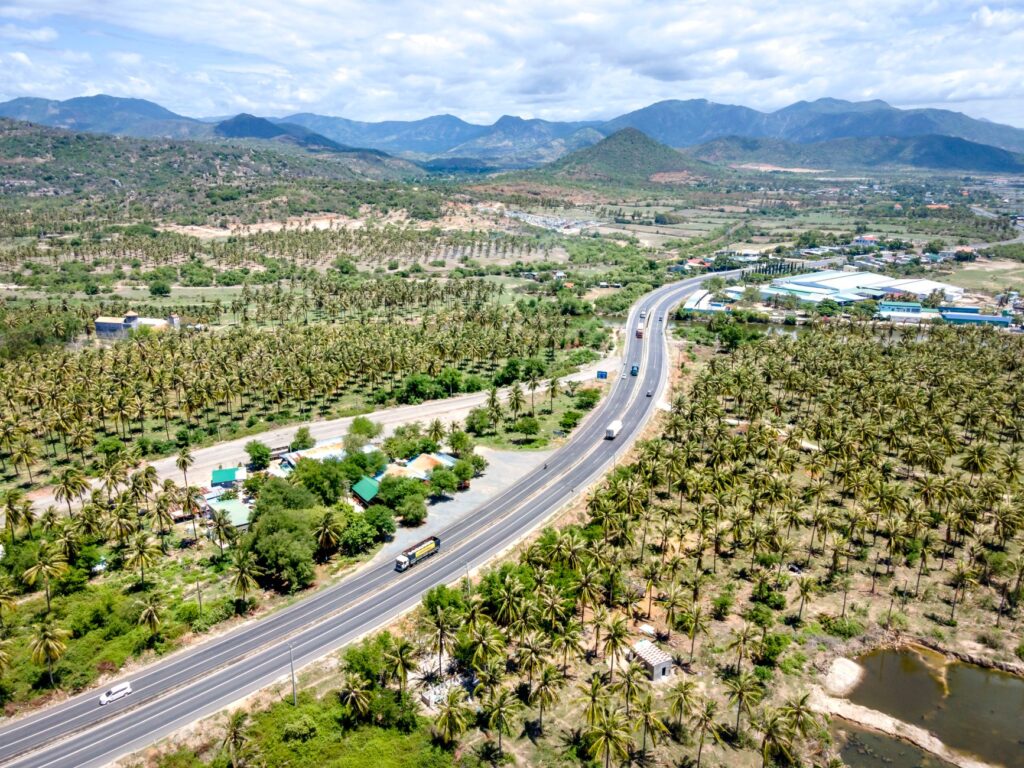
Once on Guanajuato territory, ground mobility is another strong point evaluated by tourism operators. The highways connecting the industrial corridor and the heritage cities feature clear signage and roadside assistance services. Likewise, executive transport companies and car rental agencies have incorporated modern fleets and drivers trained in bilingual service protocols, making it easier for Japanese visitors to explore both the viceregal alleys of the capital and the vineyards and haciendas of the semi-desert with complete autonomy.
Shared heritage: viceregal architecture through a new lens
Guanajuato’s architectural heritage offers a visual and aesthetic reading that resonates deeply with Japanese aesthetic sensibility, especially regarding respect for natural textures, the integration of the urban landscape with rugged topography, and the value of history preserved in quarry stone. The capital’s famous subterranean streets, originally excavated to control river floods, evoke in their gloom and geometry a sense of discovery that fascinates travelers interested in urban archaeology.
Meanwhile, the steep and colorful alleys remind visitors of traditional residential enclaves where walking is the only way to reveal the secrets of the neighborhood. Museums such as the Alhóndiga de Granaditas and the Iconographic Museum of Don Quixote increasingly welcome visitors equipped with native-language audio guides, enabling a deep understanding of the historical processes that forged Mexican identity, while drawing subtle parallels with Japan’s own process of opening and modernization during the Meiji era.
Gastronomy and senses: from Bajío spice to refined umami
Gastronomy represents one of the most complex and fascinating bridges in the cultural exchange between Guanajuato and Japan. Guanajuato cuisine, characterized by the generous use of chilis, native corn, pork, and pre-Hispanic techniques combined with Spanish contributions, can initially prove challenging for traditional Japanese palates accustomed to subtle flavors dominated by the concept of umami and the freshness of marine or vegetable produce.
However, the state’s growing culinary scene has evolved toward intelligent fusion and respect for local ingredients. Prominent Bajío chefs have begun incorporating Asian cutting and cooking techniques into traditional dishes based on regional vegetables and fine cuts of meat, creating a crossbred gastronomic current that seduces both Japanese residents and gourmet travelers. Additionally, the local winemaking industry, booming in municipalities such as Dolores Hidalgo and San Miguel de Allende, produces white and red wine labels that harmonize remarkably well with diverse international culinary preparations.
The true luxury in contemporary travel does not lie in material ostentation, but in a destination’s capacity to translate its historical soul into a language of universal respect and hospitality.
The cultural pulse: living traditions and shared festivities
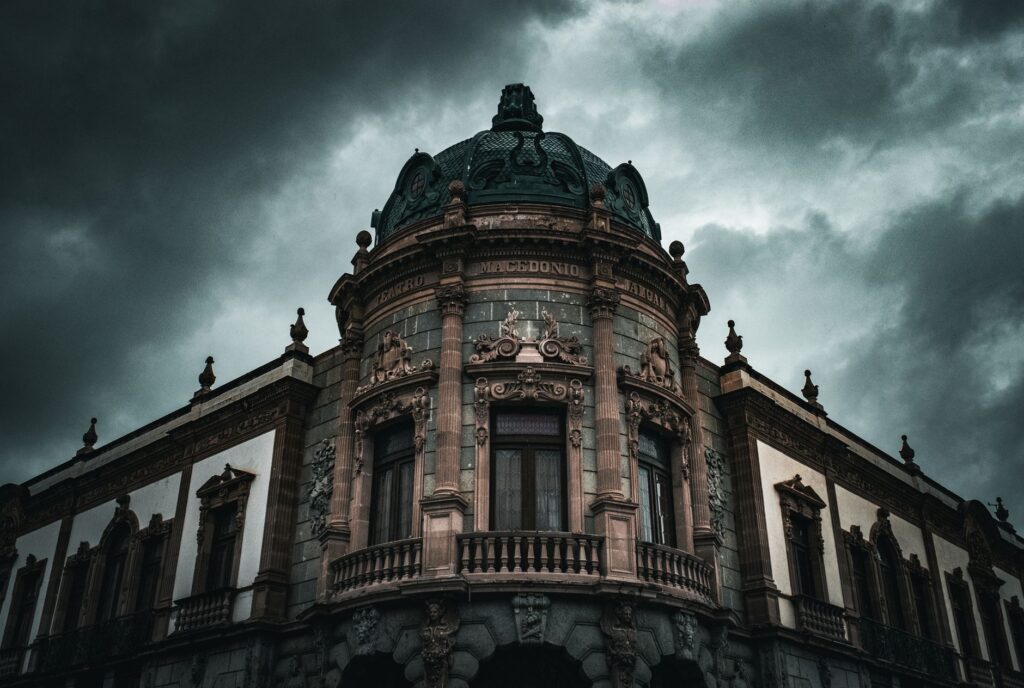
Guanajuato’s cultural agenda, spearheaded globally by the International Cervantino Festival, acts as a magnet for creators, artists, and spectators from Japan. Over the years, various traditional kabuki theater companies, contemporary classical music ensembles, and Japanese visual artists have found in the state’s sumptuous theaters—such as the Juárez Theater—an ideal setting for artistic exchange.
This dialogue is not limited to major international events. In interior communities and municipalities with high industrial concentration, intercultural festivals are held where Mexican folkloric dance shares space with martial arts demonstrations, shodo calligraphy, and tea ceremonies. These daily expressions reinforce the social fabric and demonstrate that tourism between both cultures is founded on a genuine interest in learning from one another, steering away from mass-marketed and superficial circuits.
Practical guide
How to get there: Guanajuato International Airport (BJX) receives frequent flights from major connections in Mexico and the United States. From Mexico City, the long-distance bus ride or private car journey takes approximately four hours via Federal Highway 45D.
When to visit: The months of October and November are ideal due to the celebration of the International Cervantino Festival and temperate weather with low probability of rain. Spring (March to May) offers blooming landscapes and pleasant temperatures.
Recommended accommodation: Opt for boutique hotels in the historic center of Guanajuato capital or restored haciendas in the San Miguel de Allende corridor that feature quality certifications and bilingual-trained staff.
Essential gastronomy: Try traditional miner’s enchiladas in local markets and explore the offering of high-end fusion restaurants in León and San Miguel de Allende, where regional culinary arts are reinvented with international influences.
Etiquette and customs: Japanese visitors value punctuality, neatness, and respectful treatment. Many establishments in the industrial corridor already accept advanced electronic payments and offer digital menus translated via QR codes.
Entry requirements: Japanese citizens do not require a visa for tourist stays under 180 days in Mexico; a passport valid at the time of entry and a properly registered multiple immigration form are sufficient.
Emotional epilogue: the echo of two worlds in Guanajuato quarry stone
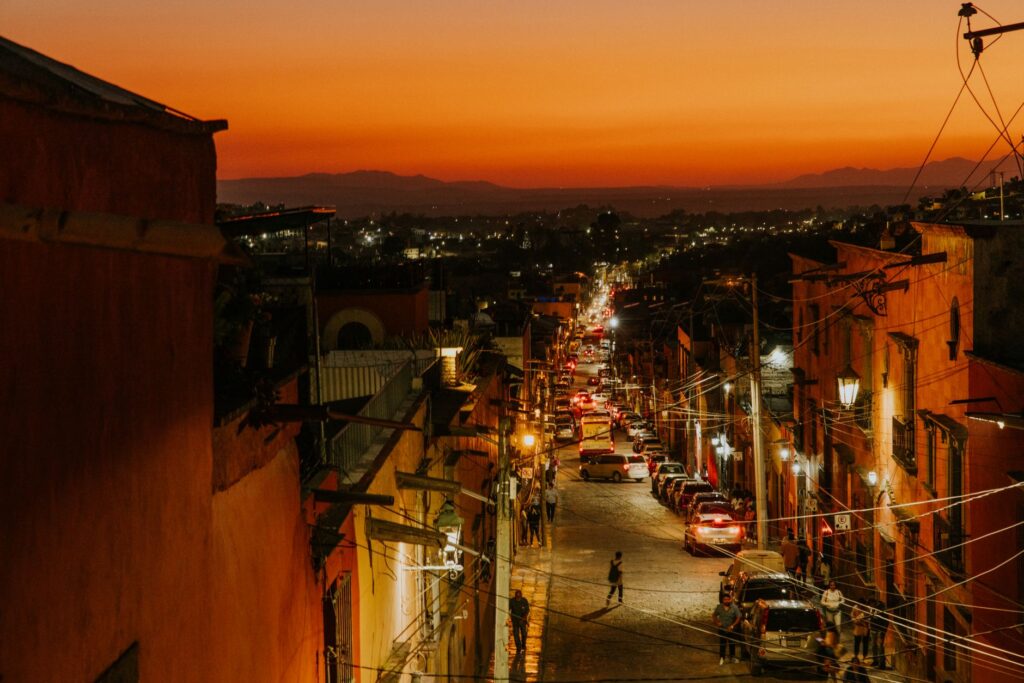
As evening falls, when the last rays of sunlight filter through Guanajuato’s pink and green quarry stone facades, the city acquires a golden patina that evokes the serenity of eastern temples at dusk. On a bench in the Plaza de la Paz, a retired Japanese engineer who decided to prolong his stay in Mexico calmly observes the coming and going of university students. There is no haste in his gaze, but the comforting certainty of having found a refuge where the memory of his distant archipelago coexists in perfect harmony with the unhurried, affectionate rhythm of the Bajío.
This subtle harmony is the true triumph of Guanajuato’s tourism diplomacy. By opening its doors with empathy, curiosity, and professional rigor, the state has not only captured a new market of demanding travelers, but has woven an invisible network of affections that turns every visitor into a permanent ambassador of its cultural wealth. Source in EN: lasillarota.com (Ready to welcome Japan! Guanajuato adds allies to attract more tourists).