
A Victorian Sanctuary in the Heart of Tasmania
In northern Tasmania, where the Tamar River widens its course before merging with the Bass Strait, the city of Launceston safeguards one of Australasia’s most fascinating architectural and commercial legacies. The Central Market, inaugurated at the close of the nineteenth century, is not merely a provisioning hub; it constitutes the historical pulse of a community that has successfully preserved its agricultural identity against the homogenizing forces of global commerce. Within its exposed brick walls and wrought-iron structures, an invisible network of local producers, artisanal cheesemakers, and organic farmers keeps the island’s enduring traditions alive.
The history of this venue is deeply intertwined with the economic boom of the British colonial era, when steamships plied the Tamar laden with wool, timber, and tin ore. Today, the fine timber stalls that once traded exclusively in provisions for the metropolis have transformed into a showcase of Tasmanian biodiversity. Here, the attentive traveler discovers that insular cuisine is not a touristic fabrication, but the direct result of a temperate climate, rich volcanic soils, and the geographical isolation that has protected the purity of its indigenous seeds.
The Architecture of Iron and Industrial Memory
The market building stands as an eloquent testament to Victorian engineering applied to urban commerce. Its expansive clerestory skylights allow natural southern hemisphere light to flood the aisles, creating a golden atmosphere that highlights the reddish hues of wild berries and the pale yellow of artisanal King Island butter. The vaulted ceilings, supported by metal trusses imported directly from Glasgow, reflect the industrial ambition of an era when Launceston competed fiercely with Hobart for commercial hegemony across the island.
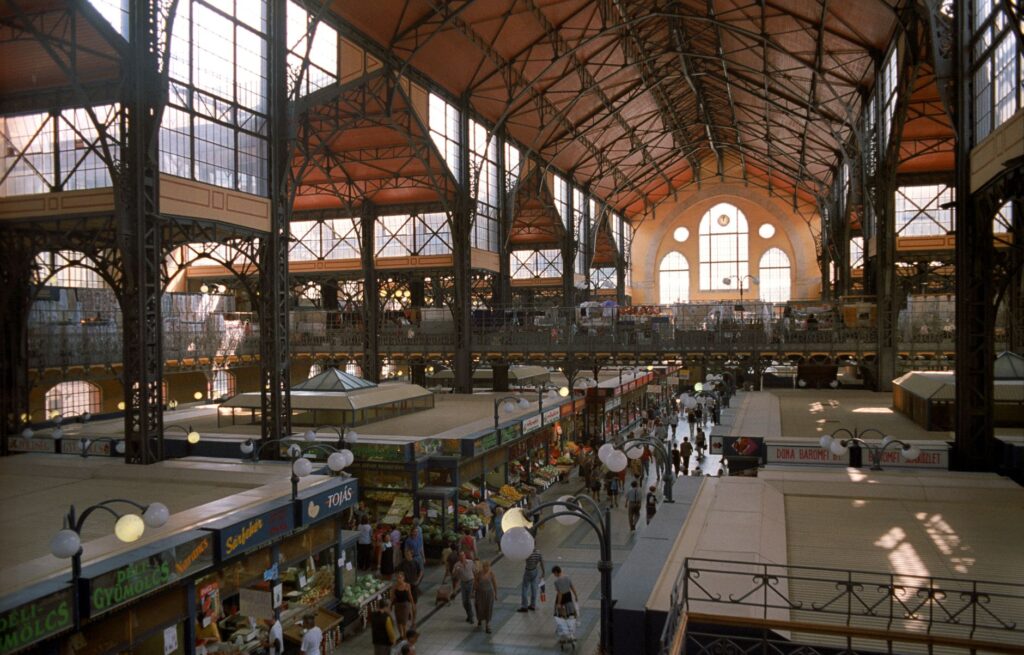
Wandering through its naves involves deciphering a geographical and human map. In the western wing, fishmongers offer daily catches from the rugged east coast: wild abalone, rock lobster, and freshwater trout sourced from the central highlands. The relationship between fishers and vendors relies on mutual trust, an unwritten pact ensuring absolute traceability of the catch. As a veteran merchant remarks from behind his zinc counter: the Tasmanian sea is never negotiated with; it is respected and served on the very same day. This philosophy permeates every corner of the building, transforming daily shopping into an act of profound respect for the surrounding environment.
The Treasures of the Tamar Valley and Its Producers
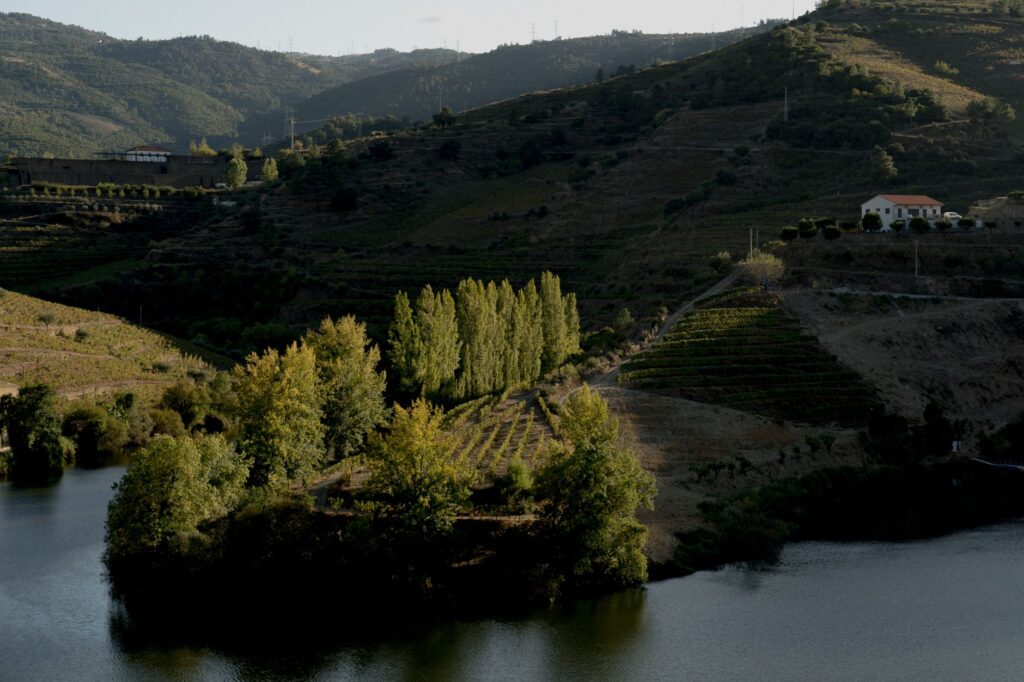
Beyond the market doors, the Tamar Valley unfolds as a mosaic of rolling hills, cool-climate vineyards, and family orchards. It is within this fluvial corridor that Tasmanian geography reveals its most generous face. Grape varieties such as Pinot Noir and Chardonnay find optimal conditions in the clay soils and marine winds of the Bass Strait to produce wines of striking minerality. Local winemakers, many of them second-generation artisans, have transformed the valley into an international benchmark for viticulture while retaining the hands-on character of their boutique estates.
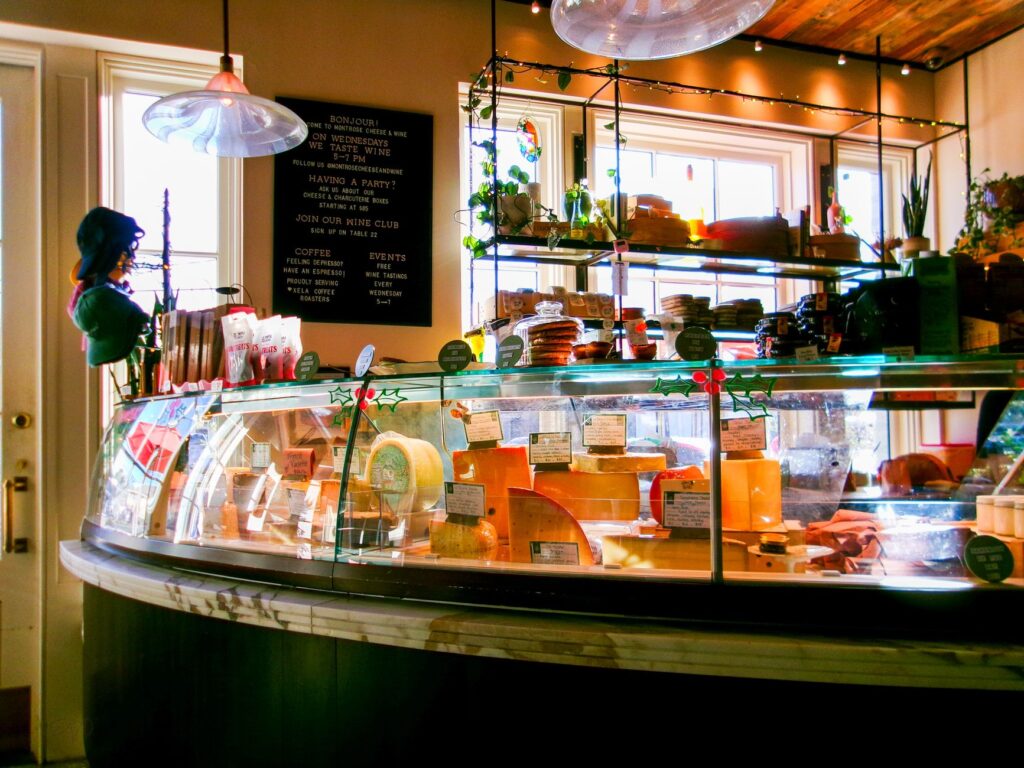
Inside the market, small-scale local producers occupy a privileged space to market their creations. Raw-milk cheeses matured in subterranean caves, monofloral honeys sourced from leatherwood and chestnut blossoms, and wild berry preserves harvested in subalpine forests form part of an unmatched gastronomic offering.
The soil of Tasmania holds within it the ancient geological memory of Gondwana; every fruit that sprouts in the Tamar valley is a living testament to that millennia-long isolation.
This deep connection to the territory translates into foods of robust personality, where authentic flavor effortlessly displaces any commercial artifice.
The Morning Liturgy of Centennial Stalls
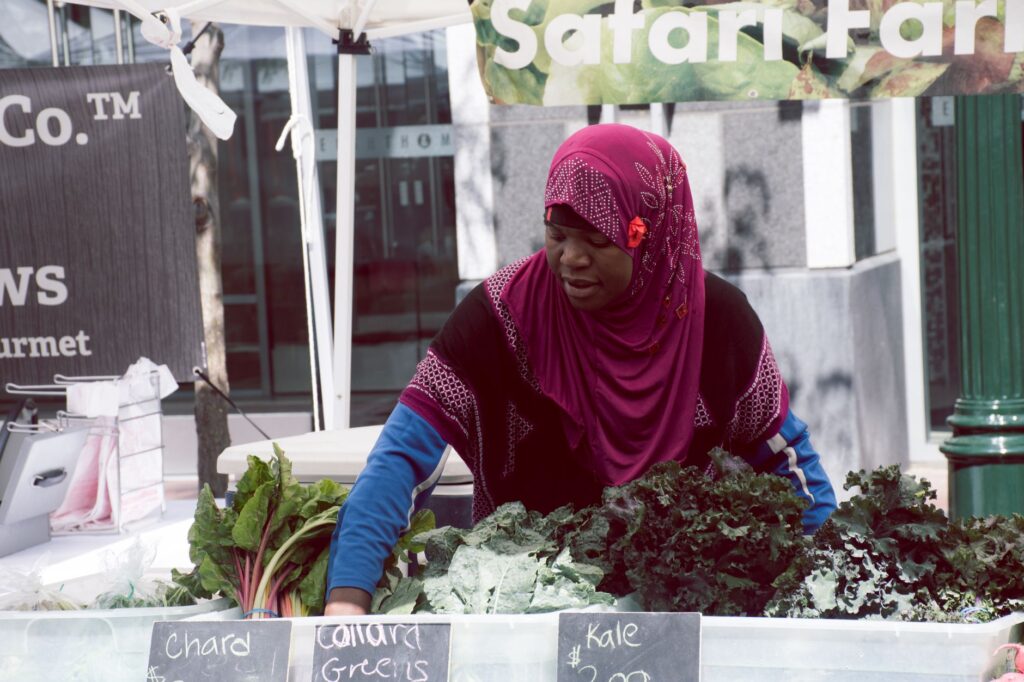
The market’s rhythm begins before dawn, when refrigerated trucks unload crates of vegetables cultivated in the surrounding river valleys. Vendors arrange baby carrots, fennel bulbs, and heirloom beetroots with near-surgical precision, creating ephemeral still lifes that shift according to the changing seasons. Regular patrons, armed with canvas bags and wicker baskets, greet merchants by name in a social choreography that has scarcely altered over the decades.
At the beating heart of the building, a small family-run café serves infusions of herbs grown on the central plateau alongside meat pies baked from traditional recipes inherited from early Scottish settlers. This corner functions as Launceston’s informal agora, the place where weather forecasts, tidal conditions on the river, and local cricket league results are vigorously debated. The true wealth of a market lies not in the exclusivity of its goods, but in its capacity to weave community among strangers.
The Invisible Biodiversity of Temperate Rainforests
The ecosystem flanking the lower reaches of the Tamar and supplying Launceston’s markets is dominated by temperate rainforests and tree-fern groves that seem lifted from a prehistoric epoch. In these damp sanctuaries, specialized foragers hunt for wild mushrooms during the autumn months, including saffron milk caps and porcini, which swiftly find a home on the gourmet counters of the urban pavilion. Wild harvesting demands an encyclopedic knowledge of the natural environment, passed down orally from generation to generation.
The sustainability of these resources is a recurring theme in conversations exchanged across the aisles. Local institutions and the merchants themselves have championed strict regulations to prevent soil overexploitation and ensure that wild harvesting does not disrupt the delicate balance of Tasmania’s endemic flora. Thus, the market acts as an ethical and ecological filter, rejecting surpluses derived from aggressive extractive practices while rewarding regenerative agriculture.
Fluvial Pulse and Historical Connectivity
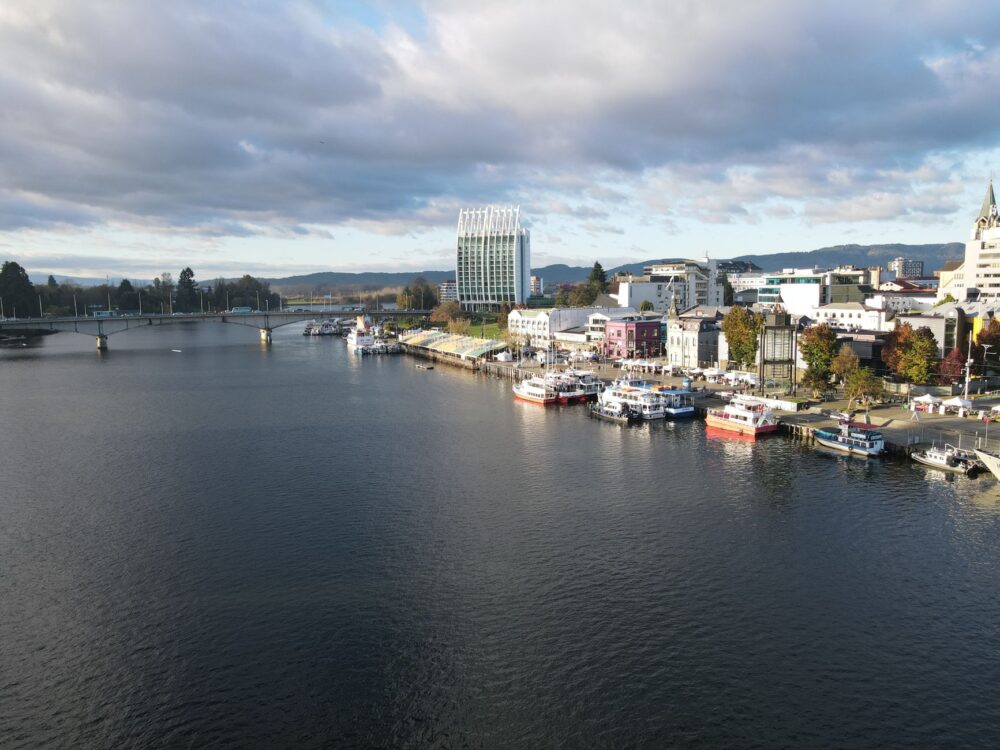
The Tamar River has functioned not merely as a communication route, but as the arterial highway that structured the economy and culture of northern Tasmania. Before the construction of modern highways, paddle steamers navigated the estuary carrying both passengers and perishable goods destined for the warehouses of Launceston’s river port. Today, although freight transport has shifted to asphalt roads, the cultural bond with the water remains deeply rooted in the mindset of local residents.
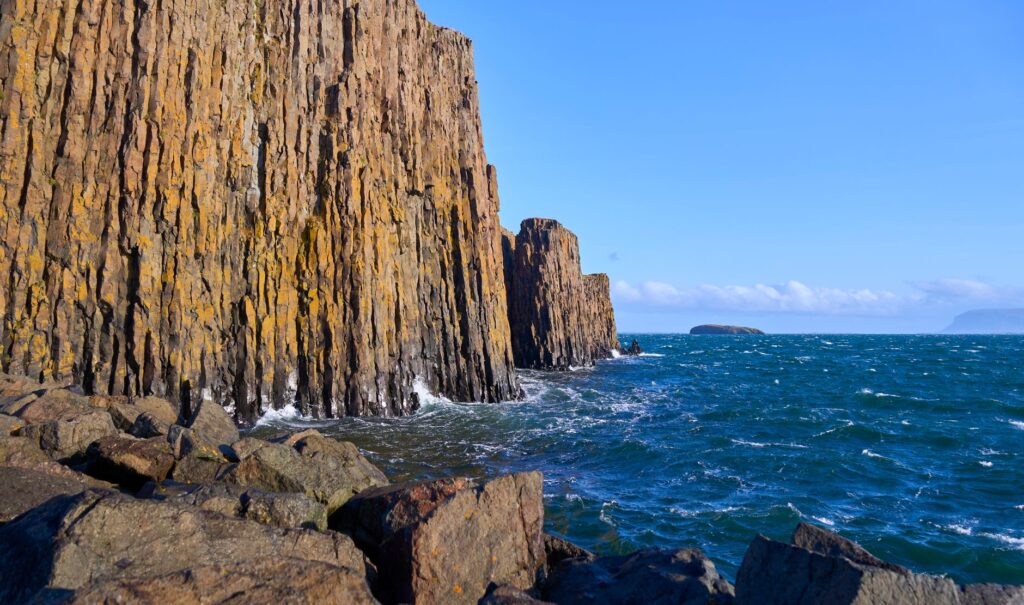
Local tour operators and heritage associations organize river excursions aboard restored vessels that allow visitors to comprehend the sheer scale of this natural waterway. Along the journey, it is possible to spot white-bellied sea eagles soaring above basalt cliffs and abandoned loading ramps that recall the booming timber trade of the past century. This symbiosis between river and city reinforces Launceston’s unique status as an enclave where industrial heritage coexists harmoniously with environmental preservation.
Practical guide
Getting there: Launceston Airport (LST) operates regular daily flights from Melbourne, Sydney, and Brisbane via domestic carriers including Qantas, Jetstar, and Virgin Australia. From the airfield, the airport shuttle or taxi ride to the historic city center takes approximately fifteen minutes.
When to visit: The spring months (September through November) and the austral summer (December through February) offer the most pleasant weather conditions for exploring both the market and the vineyards of the Tamar Valley. The market is open Tuesday through Saturday during morning hours.
Visitor recommendations: Arriving early in the morning (around 08:00) is strongly advised to witness the stall setup and converse with farmers without crowds. Carrying cash for small purchases at traditional stalls is recommended, although most vendors now accept contactless card payments.
Accommodation and dining: Numerous boutique hotels are located in rehabilitated historic buildings near Cataract Gorge reserve and the urban center. For dining, tasting menus featuring seasonal produce are highly recommended both within the market itself and at riverside eateries along the Tamar.
The Enduring Legacy of the Estuary
As evening falls, when the canvas awnings are retracted and the iron doors of the market close until dawn, Launceston reclaims a solemn quietude that seems to descend directly from the dolerite bluffs lining the river. On nearby terraces, locals enjoy a final glass of Tamar white wine while watching the deep, brown current continue its inexorable journey toward the sea. This endless cycle—where fertile land nourishes cities and waters connect the island to the vast ocean—defines the incorruptible essence of a territory that has transformed its isolation into a form of dignity and cultural resilience.