The Pulse of Cook Strait: Interisland Ferry Engineering and New Zealand’s Amphibious Sovereignty
An in-depth analysis of the ferry system connecting New Zealand’s North and South Islands, examining how the extreme meteorology of the roaring forties, tidal currents, and naval innovation sustain the country’s vital umbilical cord.
The Oceanic Rift That Fractures the Map of Aotearoa
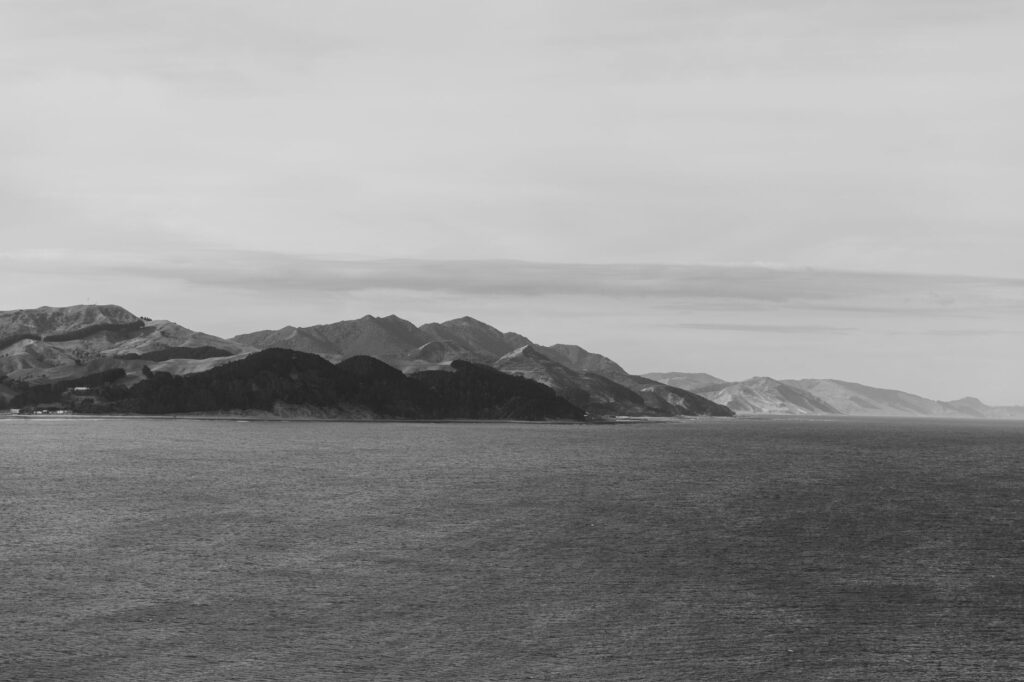
At the southernmost tip of New Zealand’s North Island, where hills blanketed in native bush descend abruptly toward cobalt-blue waters, terrestrial geography breaks off without compromise. Cook Strait is not merely a geographical feature separating two landmasses; it represents a tectonic and oceanic trench roughly twenty-two kilometers wide at its narrowest point, where the waters of the Tasman Sea collide violently with the open currents of the South Pacific Ocean.
This marine corridor has historically acted as an impassable moat and, simultaneously, as the most demanding vital artery of the New Zealand archipelago. To understand the logistical complexity of Aotearoa, it is imperative to look beyond asphalt highways and domestic air routes. The true pulse of the nation depends on a fleet of deep-draft ferries that daily challenge one of the most temperamental stretches of water on the planet.
The crossing between Wellington and Picton is not a simple point-to-point commute; it constitutes an amphibious navigation ritual where modern naval architecture confronts the unforgiving laws of marine meteorology. The captains steering these vessels must anticipate gale-force winds that descend without warning from surrounding mountain ranges and cross-currents capable of pushing multi-ton vessels off their assigned course in a matter of seconds.
The Convergence of the Roaring Forties and Submarine Topography
The hydrodynamic behavior of Cook Strait is dictated by its geographic location within the band of the roaring forties, the westerly winds circumnavigating the globe without encountering significant land resistance until crashing against the Southern Alps and the Wellington peninsula. This orographic barrier acts as a natural funnel, accelerating air masses and turning the channel into a permanent wind tunnel.
Beneath the surface, the seabed adds an extra layer of technical complexity. Submarine topography is a labyrinth of deep canyons, rocky ridges, and shifting sandbars that force the rise and fall of massive volumes of water during every tidal cycle. When incoming tides collide with coastal projections, giant whirlpools and surface turbulence are generated, challenging the stability of any surface vessel.
For naval architects and maritime transport operators, designing a vessel capable of operating safely in these conditions requires unconventional engineering solutions. Hulls must withstand extreme structural fatigue, while propulsion systems demand immense power and immediate response capacity to correct drift caused by the elements.
Cook Strait tolerates no complacency; every crossing is an ongoing negotiation between the power of naval architecture and the untamed fury of southern elements.
The Evolution of the Fleet: From Coal Steamers to Multipurpose Giants
The history of connectivity across Cook Strait is a tale of constant technological adaptation. At the end of the 19th and beginning of the 20th centuries, connection depended on small cargo and passenger steamers that suffered constant delays and tested the patience and stomachs of the most daring travelers. Those coal-burning ships were vulnerable to storms and lacked the stabilization systems now considered indispensable.
With the rise of industrialization and the growth of overland trade between the two islands, the need to transport wheeled vehicles radically transformed naval design. In the 1960s, the introduction of the first roll-on/roll-off (ro-ro) ferries revolutionized the logistical landscape, allowing heavy freight trucks and passenger cars to cross without unloading their contents at origin ports.
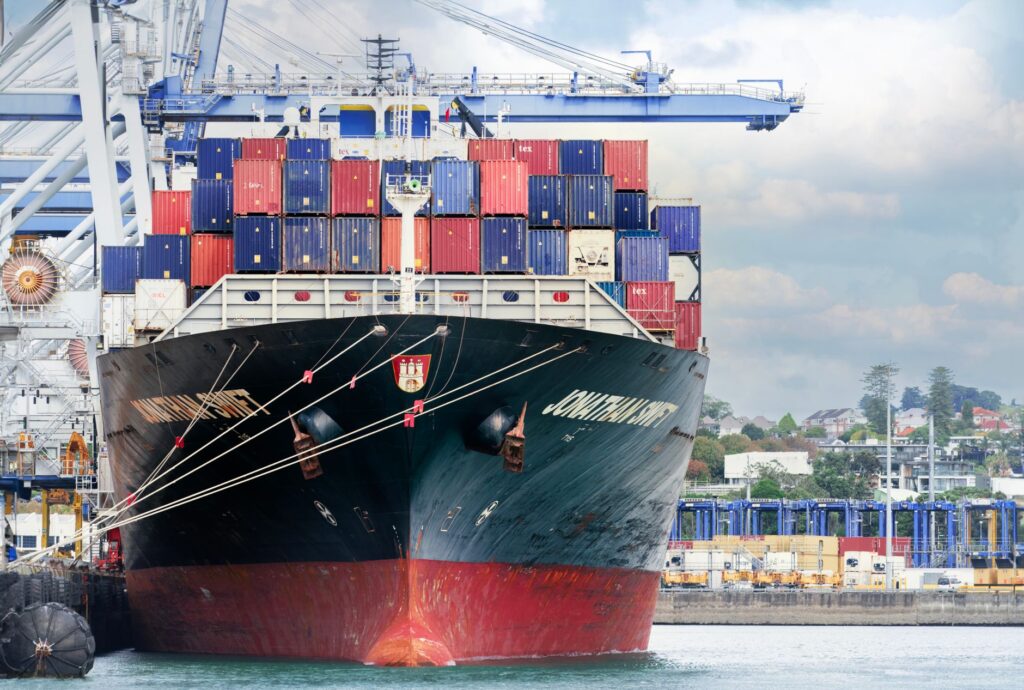
Today, the fleet operating the strait comprises imposing vessels capable of simultaneously transporting hundreds of passengers, freight trains, heavy commercial trucks, and private vehicles. These floating colossi combine the efficiency of state-of-the-art marine diesel engines with dynamic positioning systems and active fin stabilizers that reduce roll, mitigating seasickness effects among passengers.
The Invisible Logistics: New Zealand’s Economic Umbilical Cord
Beyond the tourist experience of gazing at the Marlborough Sounds from the upper deck, Cook Strait ferries operate as the true gears of the national supply chain. Much of the agricultural, timber, and wine production of the South Island must obligatorily cross this channel to access international export markets through the primary port of Wellington or to supply northern consumption centers.
Any disruption in service caused by severe storms or mechanical failures immediately triggers a domino effect on the nation’s economy. Freight terminals in Picton and Wellington operate with millimeter precision, where docking schedules synchronize with arrivals of national freight rail networks and commercial trucking fleets.
This absolute dependency has driven constant investments in the modernization of port infrastructure. Access ramps, rapid-mooring systems, and intermodal storage areas have been redesigned to streamline vessel turnaround times, maximizing efficiency on a route where every minute in port matters.
The Crossing Ritual: Fjords, Marine Wildlife, and Southern Winds
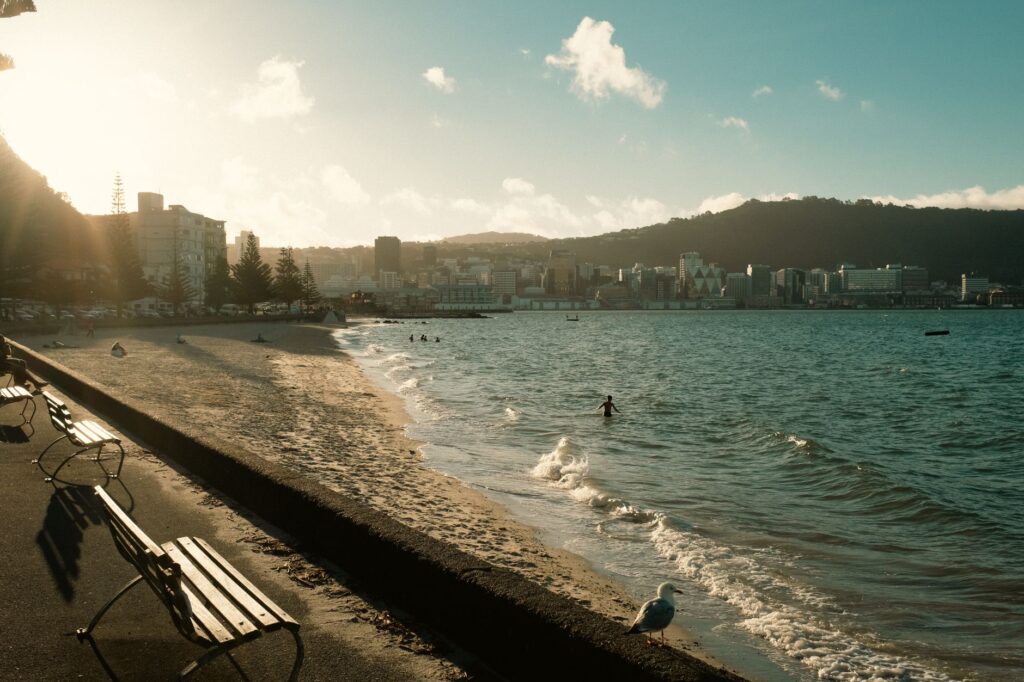
For the contemporary traveler, embarking on the ferry connecting New Zealand’s two main islands offers one of the most breathtaking landscape transitions in the world. Departure from Wellington harbor unfolds through the protected waters of Lambton Harbour before heading out toward the vastness of Cook Strait, where the marine horizon opens without restriction toward Antarctica.
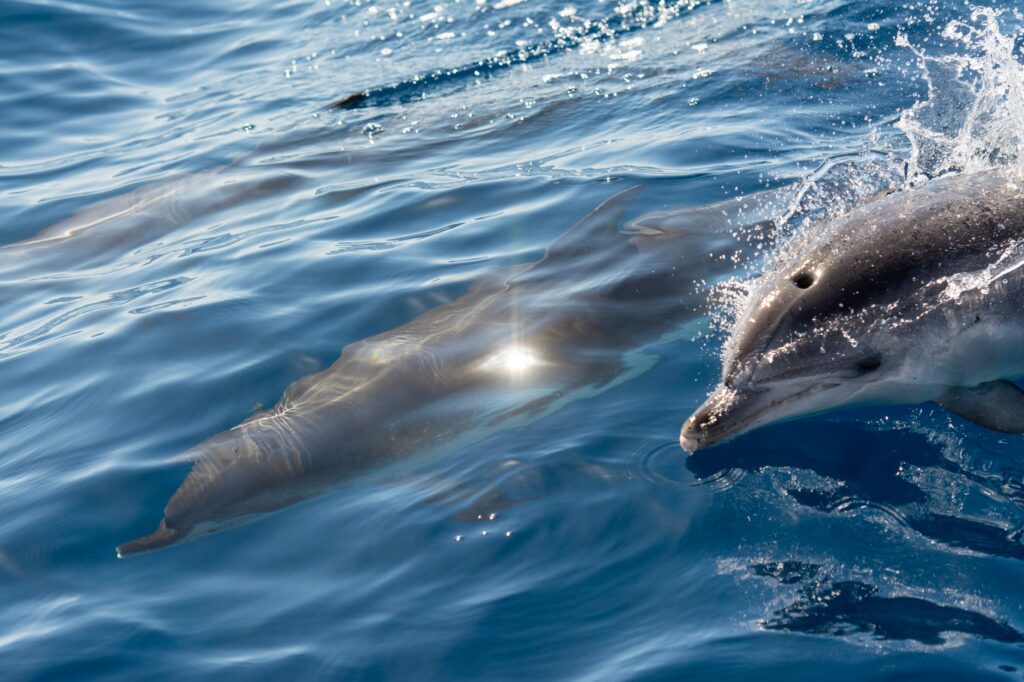
As the vessel moves southward, sighting marine wildlife adapted to these nutrient-rich waters is frequent. Dusky dolphins and pilot whales routinely accompany the ship’s wake, while seabirds, from wandering albatrosses to petrels, harness air currents generated by the superstructure to glide mere centimeters from passenger lounge windows.
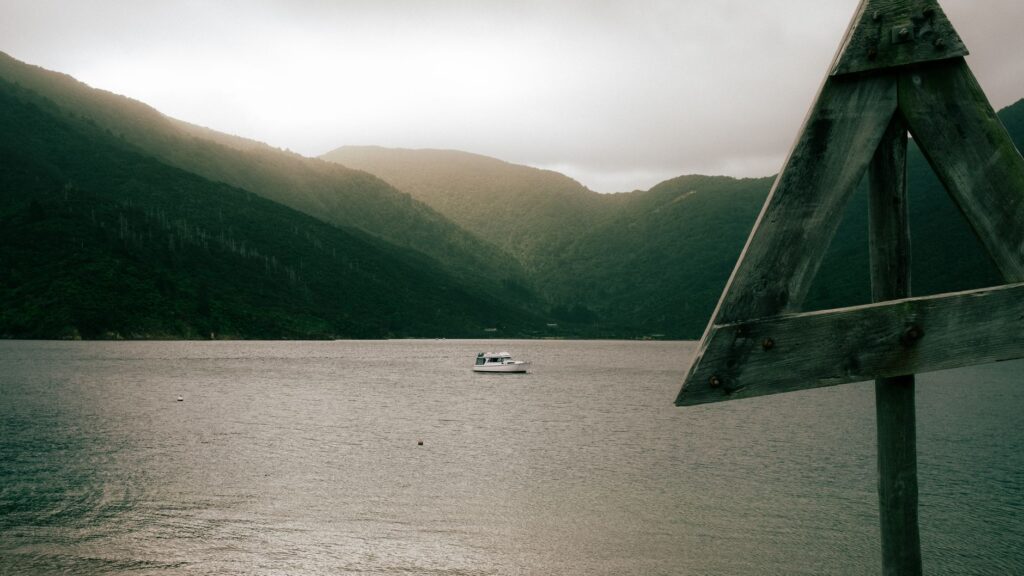
The visual climax of the route occurs in the final stretch, when the vessel leaves the open sea to enter the aquatic labyrinth of the Queen Charlotte Sound. Mountain slopes covered in lush beech forests and giant tree ferns plunge vertically into calm waters, gently guiding the vessel toward the pier at Picton, the northern gateway to the Marlborough wine region.
Navigating the channel between Wellington and Picton is shedding terrestrial haste to understand the true insular and oceanic scale of the New Zealand territory.
Contemporary Challenges: Sustainability and Energy Transition at Sea
Today, ferry operations across Cook Strait stand at a historical crossroads marked by climate urgency. Strict international regulations on greenhouse gas emissions and New Zealand’s internal commitment to total decarbonization have forced maritime operators to completely rethink their technological architecture.
The most ambitious projects envision the progressive replacement of traditional combustion engines with hybrid propulsion systems and technologies based on lower environmental impact fuels, such as liquefied natural gas (LNG) or green hydrogen fuel cells. These initiatives seek to drastically reduce the carbon footprint of a route that, due to its high frequency and energy consumption, represents a major challenge for the sector’s ecological goals.
Likewise, waste management onboard, underwater noise reduction to protect marine mammals, and energy efficiency in passenger climate control systems form part of a sustainability agenda that is no longer optional, but an indispensable requirement to maintain social license to operate in such a pristine and fragile natural environment.
Practical guide
Planning the journey across Cook Strait requires foresight and an understanding of the logistical specifics of the route operated primarily by companies like Interislander and Bluebridge.
Advanced Bookings: During the austral summer months (December to February) and school holidays, vehicle spaces and cabins sell out weeks in advance. It is imperative to book as soon as your travel itinerary is finalized.
Luggage and Vehicle Restrictions: Review specific regulations regarding the transport of hazardous materials, propane gas for motorhomes, and certain fresh agricultural products that cannot be freely moved between the North and South Islands to protect local biodiversity.
Seasickness Management: Even on seemingly calm days, the strait crossing can experience heavy swell. Preventive precautions are recommended before sailing, especially when traveling with children or individuals sensitive to motion sickness.
Port Connectivity: The Wellington and Picton terminals are integrated with local bus and train networks (such as the TranzAlpine train or regional connection services), facilitating intermodality without necessarily requiring a rental car.
Check-in Times: Operators require passengers to arrive at least 60 minutes in advance for walk-on travelers and 90 minutes for those boarding with vehicles or motorhomes, to streamline security and boarding control processes.
Epilogue in the Quiet of the Marlborough Sounds
When the ferry’s hull finally halts against the rubber fenders of the Picton pier and hydraulic gates open to release the flow of vehicles onto South Island roads, the roar of oceanic winds gives way to the reverent silence of surrounding forests. The journey has concluded, but the emotional footprint of having crossed one of the wildest marine rifts on the planet remains intact in the traveler’s memory.
This journey represents not merely a bridge between two landmasses, but a masterclass in how humanity has learned to weave threads of steel and navigation to unite what plate tectonics relentlessly pulled apart. On every crossing, Cook Strait ferries reaffirm the amphibious sovereignty of a country that has turned ocean fury into its most cherished path.
ATLAS LUME · BEFORE YOU GO
A story that continues at the destination
DocumentsCheck visas, health requirements and document validity with official sources.
BookingsConfirm the final price, taxes and conditions directly with the provider.
Responsible travelRespect local communities, heritage and ecosystems.