
The Quiet Persistence at the Culinary Pinnacle
Reaching the top spot on international prestige lists is often interpreted as a destination, a static consecration where successful formulas are replicated with mechanical precision. However, for Mitsuharu Tsumura, the mastermind behind Maido restaurant in Lima, the summit does not represent a haven of comfort, but rather an observatory from which new and more complex questions come into view. While global haute cuisine tends to institutionalize its achievements, Tsumura operates under an almost incandescent premise: the hunger to learn does not diminish with awards; on the contrary, it amplifies.
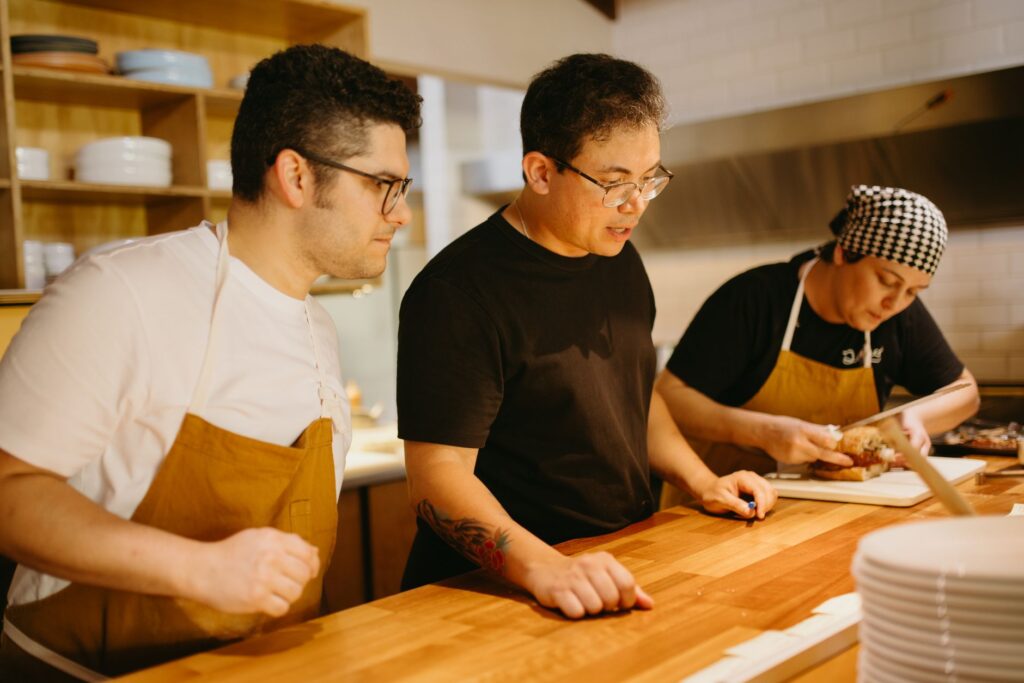
Within the landscape of contemporary gastronomy, few chefs have managed to articulate such a coherent and profound bridge between two geographically distant cultures as the Peruvian and the Japanese. Far from constituting an exercise in superficial fusion, the Nikkei cuisine practiced by Tsumura is the result of decades of cultural intermixing, migration, and adaptation. The recognition earned on the world’s most demanding stages has only intensified his scrutiny of native ingredients from the Amazon and the Pacific coast, constantly seeking nuances yet unexplored by fine dining.
Tsumura’s presence in the kitchen defies the stereotype of the autocratic, distant chef. His demeanor feels closer to that of a field researcher who constantly crosses the line between the dining room and the stoves. For him, success is not a static trophy, but a responsibility tool that allows him to give visibility to local producers, artisanal fishermen, and indigenous communities whose ancestral practices sustain the Peruvian pantry.
Nikkei Cuisine as a Territory of Constant Inquiry
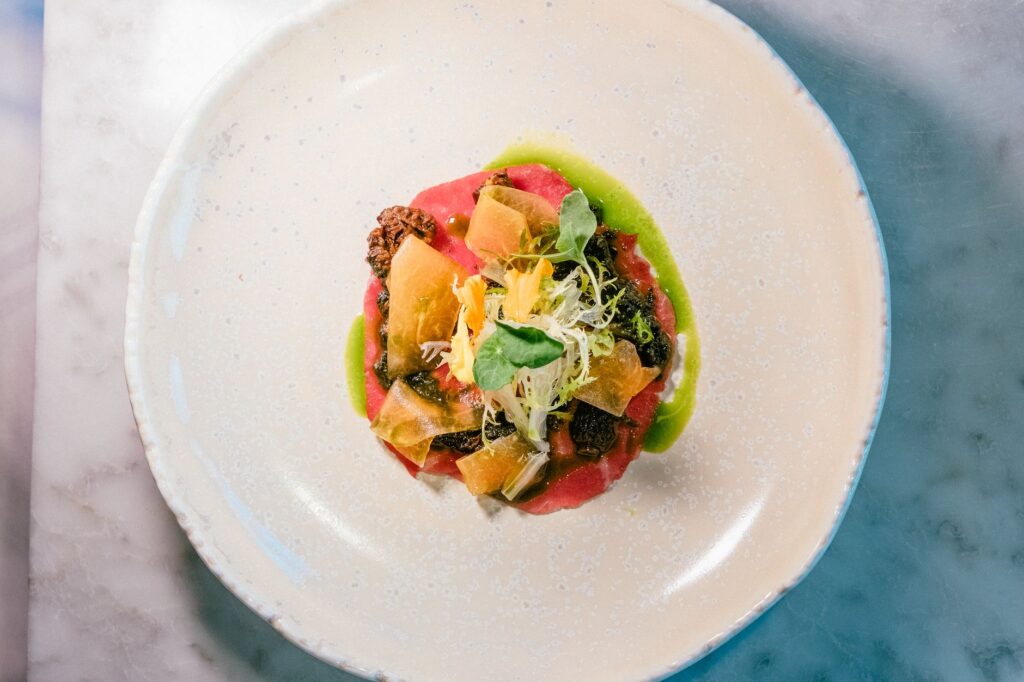
Defining Maido’s proposal solely through the Nikkei label falls short of capturing the magnitude of its current evolution. Tsumura’s cuisine draws upon the millimeter precision of Japanese techniques while beating with the intensity and tropical disorder of Peruvian ingredients. This duality generates a dialogue where dashi meets ají amarillo, and fresh Pacific fish undergoes maturation processes that converse with both Edo-period traditions and Amazonian preservation methods.
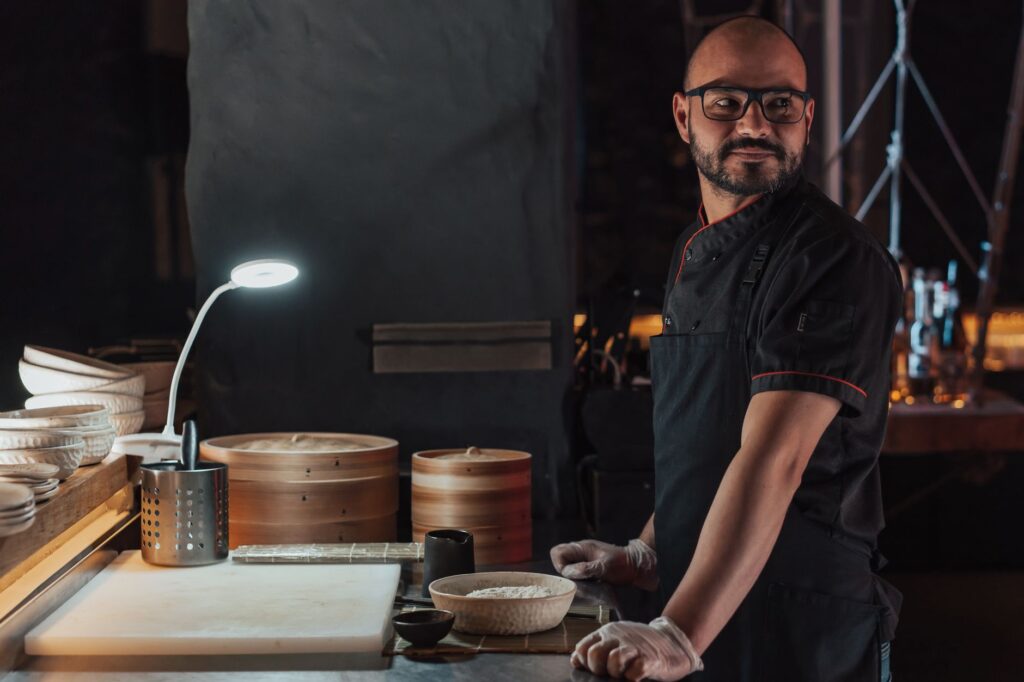
In his recent tasting menus, Tsumura has abandoned any temptation of aesthetic complacency to delve into the complexity of acidic, bitter, and umami flavors. Diners who walk through his restaurant doors are not merely seeking a memorable meal, but a narrative experience where each course functions as a chapter in a larger story about biodiversity and migratory memory.
Cooking is not a static territory; it is a living archive in permanent expansion where every ingredient tells a story of cultural encounter and transformation.
This conceptual rigor demands a titanic effort from his kitchen brigade and the purveyors with whom he closely collaborates. The selection of each marine species adheres to rigorous sustainability and seasonality criteria, a commitment that Tsumura passionately defends in international forums. Culinary excellence, in his view, lacks value if it ignores the ecological and social impact generated within its environment.
Architecture and Atmosphere: The Flow of Experience in Lima
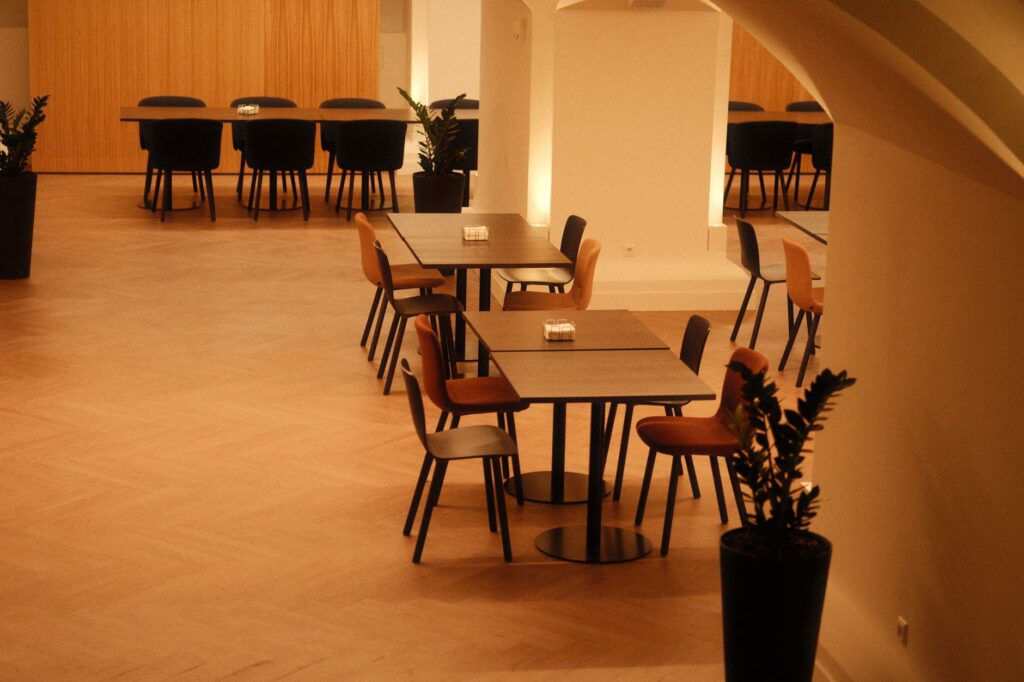
The experience at Maido begins long before the first dish touches the table; it starts the moment visitors step into an architectural space designed to stimulate the senses without overwhelming them. The restaurant’s visual concept pays homage to Japanese roots and the warmth of Peruvian hospitality, utilizing noble materials such as wood, stone, and subtle elements evoking the movement of the sea and Amazonian vegetation.
The interior design avoids unnecessary artifice to concentrate the diner’s attention on the product and the silent choreography of the service team. Every detail, from overhead lighting to table placement, has been calibrated to foster a state of mindfulness, essential for appreciating the subtle contrasts of such a complex gastronomic proposal.
- Strategic location in the district of Miraflores, a constantly buzzing gastronomic and cultural epicenter in the Peruvian capital.
- Integration of Peruvian artisanal elements in tableware and decor, crafted by local workshops under the chef’s exclusive specifications.
- Lighting oriented to highlight natural textures and food colors, avoiding unnecessary visual distractions.
This atmosphere of vibrant calm contrasts with the intensity experienced in the preparation areas, where discipline and camaraderie are fundamental rules. Tsumura understands that a great restaurant is, above all, a human community organized around a passion for detail and absolute respect for the product.
Sustainability and the Indissoluble Bond with the Producer
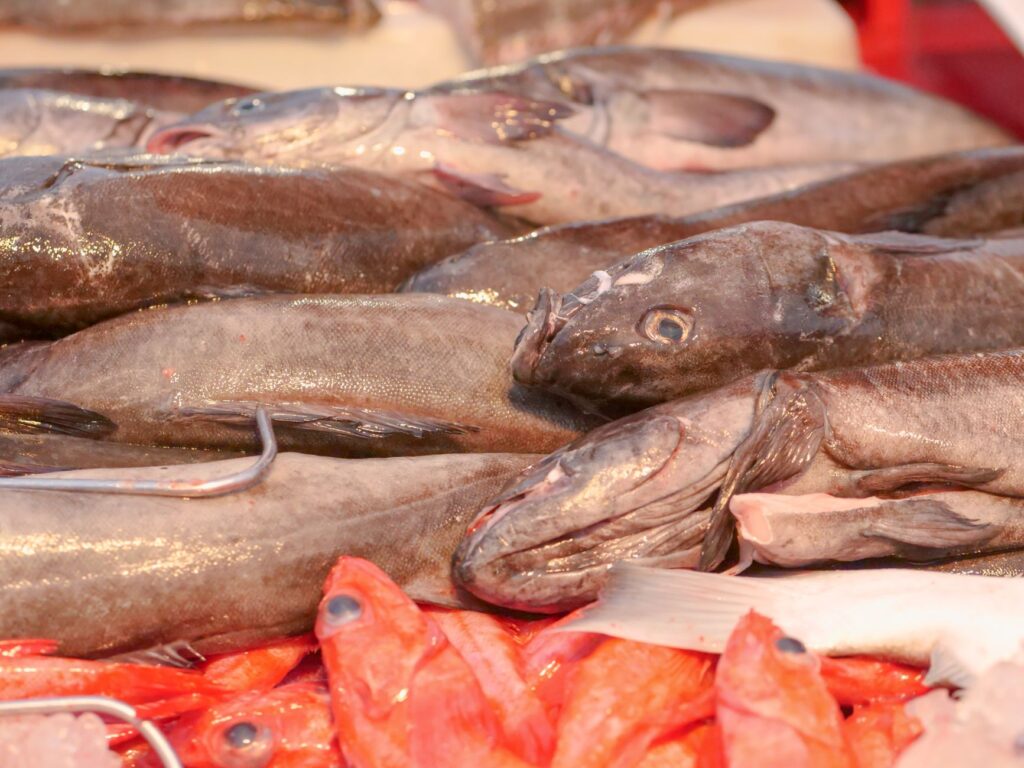
At the pinnacle of global gastronomy, the demand to justify every culinary decision has become inescapable. For Mitsuharu Tsumura, sustainability is neither a marketing strategy nor a belated response to global trends, but a guiding principle determining what is cooked and how it is sourced. His relationship with artisanal fishermen along the Peruvian coast is built on mutual trust and strict compliance with fishing bans and minimum catch sizes.
Likewise, his foray into the Amazonian pantry has been marked by collaboration with native communities providing unique ingredients, ranging from wild fruits to varieties of chili peppers only beginning to be understood outside their natural habitat. This decentralized approach to haute cuisine proves that the most cutting-edge innovation often stems from attentive listening to traditional knowledge.
True contemporary luxury lies in the traceability and honest origin of every ingredient that reaches the plate.
Far away from the spotlight, the chef devotes a substantial part of his time to visiting coves, markets, and communities, seeking to understand the natural cycles governing the availability of resources. This effort to document and preserve Peruvian biodiversity is perhaps his most enduring contribution to his country’s gastronomic culture.
Technical Rigor in the Service of Emotion
Technical mastery in Maido’s kitchen is never an end in itself, but a vehicle to evoke emotions and memories in those who taste its creations. The hours dedicated to perfecting the cooking of rice, the texture of a broth, or the temperature of a fish stem from the conviction that technique must become invisible before the sensory impact of flavor.
Tsumura combines centuries-old Japanese cooking methods with a deep understanding of modern culinary chemistry, achieving balances that challenge the palate’s expectations. A nigiri might incorporate unexpected elements that, far from distorting the essence of the classic preparation, expand it into unexplored territories.
This balance between creative audacity and respect for fundamentals distinguishes great culinary creators. At Maido, each dish is the result of an iterative process of trials, errors, and refinement where nothing is left to chance.
Future Challenges and the Responsibility of Leadership
Remaining at the global vanguard imposes considerable formal and psychological challenges. The pressure to reinvent oneself year after year without losing the identity that has captivated critics and diners worldwide is a constant in Mitsuharu Tsumura’s daily life. Yet, far from showing exhaustion, his discourse conveys a renewed urgency to continue exploring the boundaries of his craft.
The chef is well aware that his privileged position carries a platform to influence new generations of Latin American cooks. Therefore, he fosters a culture of rigor, humility, and insatiable curiosity within his team—values he considers indispensable for tackling the future challenges of international gastronomy.
Maido’s evolution points toward a greater integration of science and tradition, continually seeking new ways to interpret Peru’s complex cultural identity through the lens of Nikkei cuisine.
Practical guide
Planning a visit to Maido requires anticipation and an understanding of its operational dynamics:
- Reservations: Tables open months in advance via their official platform, and securing a date with sufficient margin is highly recommended due to high international demand.
- Format: The restaurant primarily offers a tasting menu exploring the evolution of Nikkei cuisine and seasonal Peruvian products.
- Location: Situated at Calle San Martín 399, in the Miraflores district of Lima.
- Recommendations: Diners should inform the staff of any dietary restrictions or allergies during the reservation process to ensure an adapted experience without disrupting the menu’s narrative thread.
The Reflection of an Unwavering Vocation
At dusk, when Maido’s doors close after the final service and calm reclaims the dining room, the pace within Mitsuharu Tsumura’s mind does not slow down. For a chef whose creative appetite is truly insatiable, each concluded day is merely a draft of what tomorrow will bring. His leadership at the summit of world gastronomy is not the result of a formula calculated to please the market, but the natural consequence of unbridled curiosity and a profound love for the craft of cooking—an art that, in his hands, continues writing its most luminous history from the heart of Lima.
Source in EN: Esquire India – Chef Mitsuharu Tsumura is Still Hungry at No 1