
There is an invisible geography in Boston that has nothing to do with the cobblestones of Beacon Hill or the colonial layout of the Freedom Trail. It is a map drawn with high-carbon steel knives, vinegared rice kept at the exact temperature of human skin, and an almost clinical obsession with marine produce arriving every dawn from the cold, nutrient-rich waters of the North Atlantic. For decades, the city’s culinary identity seemed doomed to lobster rolls, clam chowders, and old-school steakhouses. Yet beneath the surface, a vanguard of chefs trained in Tokyo and New York has transformed this port enclave into one of the most sophisticated and demanding sushi destinations in the United States.
This phenomenon is neither a passing trend nor the simple opening of minimalist design spots. It is the result of a unique convergence: a clientele educated in culinary rigor, a scientific and academic community willing to pay for excellence, and a new generation of restaurateurs who understand that true luxury in contemporary cuisine lies in traceability, seasonality, and the respectful silence surrounding a hinoki wood counter. From Michelin-starred omakase temples to unpretentious neighborhood refuges where university students and veteran fishermen converge, Boston has redefined its historical palate.
The Geography of Cold: The Secret of New England Bluefin
To understand the magnitude of Boston’s sushi scene, it is imperative to look to the sea. The waters of the Gulf of Maine and the coast of Massachusetts share oceanographic characteristics with the northern regions of Japan, yielding a marine larder of exceptional quality. The bluefin tuna (honmaguro) swimming in these latitudes is coveted by buyers at Tokyo’s Toyosu markets. Local restaurateurs do not need to import all their core ingredients from across the globe; they possess the finest tuna on the planet literally in their backyard harbor.
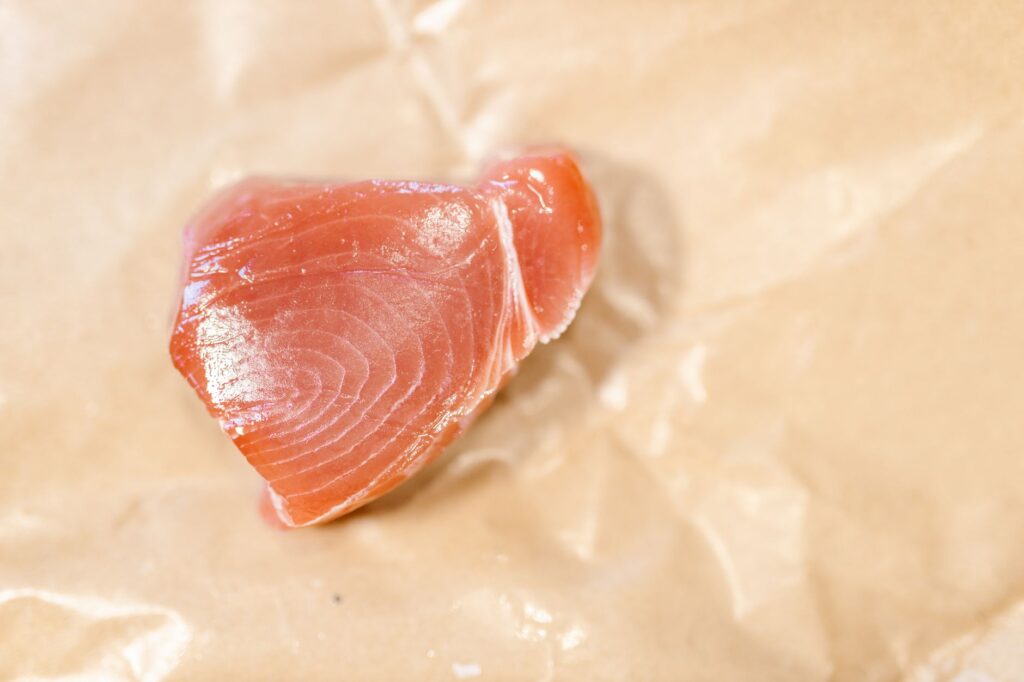
This geographical proximity enables a working philosophy where fish undergoes minimal industrial aging processes. Local chefs work hand in hand with East Coast fishermen to select specimens meeting the exact fat content and firmness standards required for nigiri. Freshness is no longer a goal, but the baseline departure point. Added to this is the influence of local fishing traditions, which bring a profound respect for the biological lifecycle of each species, avoiding overfishing and committing to sustainable catches that guarantee the survival of traditional fishing grounds.
Beyond the Roll: The Liturgy of Omakase and Hinoki Wood
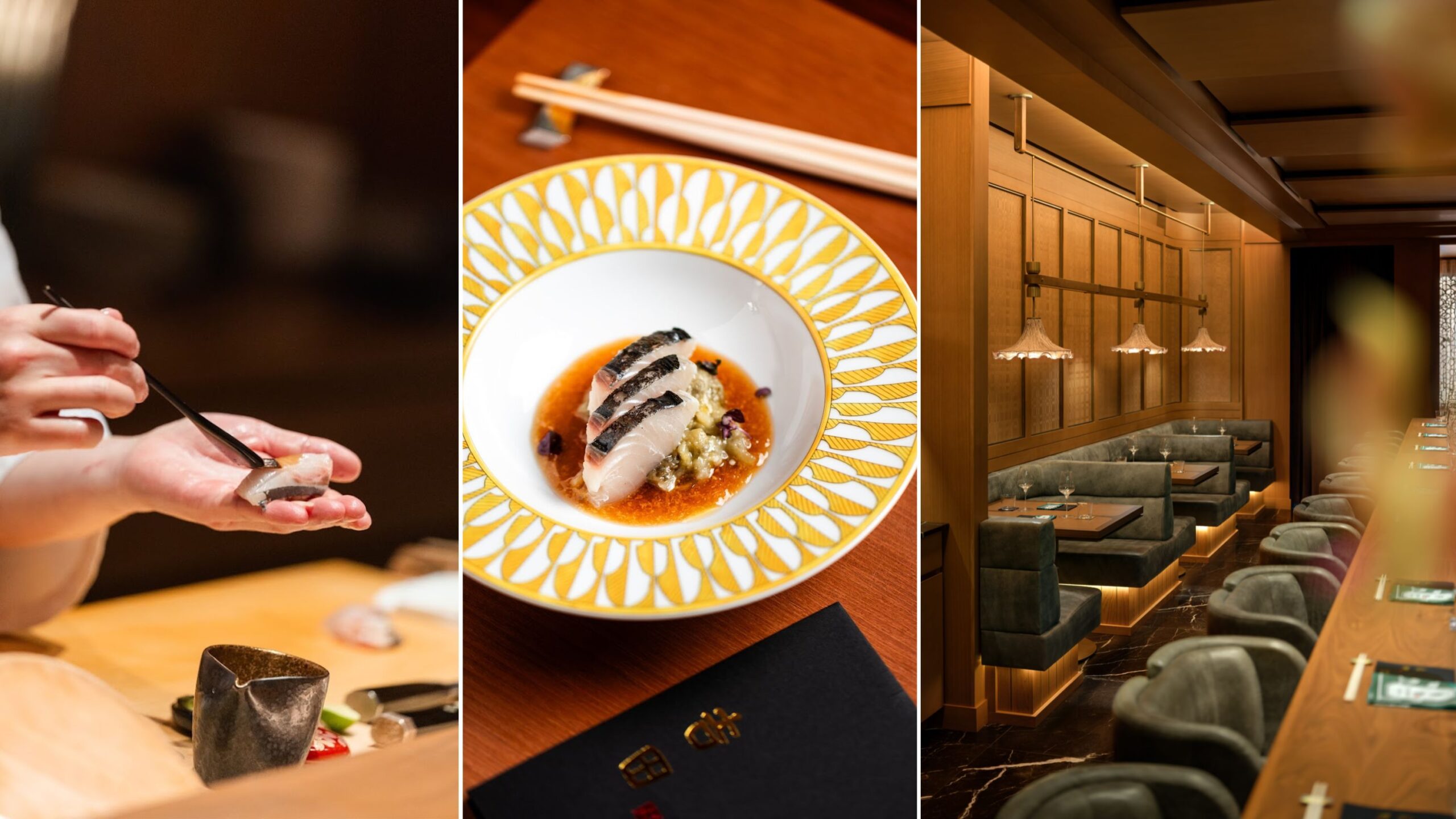
Stepping into an authentic omakase counter in Boston is an exercise in trust. Here, there are no sprawling menus or capricious combinations of cream cheese and industrial sauces. Diners place themselves entirely in the hands of the itamae (sushi master), who dictates the rhythm of the evening bite by bite. In intimate settings where seating rarely exceeds twelve guests, the experience transcends mere food consumption to become a minimalist performance where every knife stroke is micrometric.
The design of these spaces follows an aesthetic of subtraction. Light woods, overhead lighting focused exclusively on the chef’s hands, and the absence of visual distractions are designed to sharpen the senses of taste and smell. True culinary luxury is measured in silence, close quarters, and gustatory memory. In these sanctuaries, rice (shari) ceases to be a mere support to become the protagonist: vinegared with laboratory precision, served warm, and with perfectly separated grains, it acts as the warm, acidic counterpoint balancing the cold richness of the fish.
From Coast to Counter: Economy and Traceability at the Port
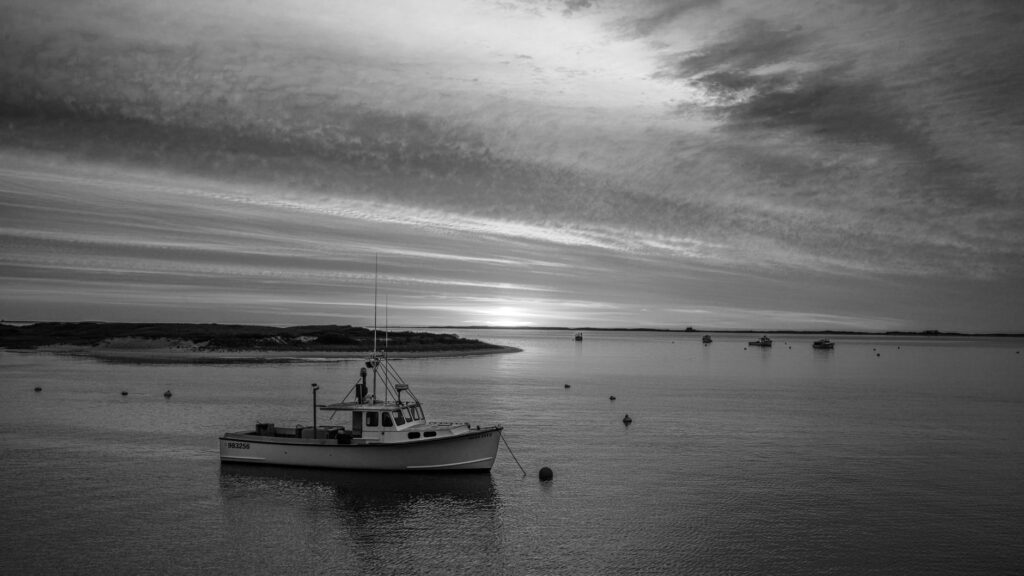
The viability of this haute cuisine in a city of relatively compact dimensions like Boston relies on a highly specialized supply chain. Traditional middlemen have given way to boutique distributors operating with the agility of a tech startup combined with the ancestral knowledge of a veteran fishing patriarch. These suppliers communicate daily weather reports and tidal states to chefs before dawn, allowing them to design menus that shift literally every twenty-four hours.
This economic model has also democratized access to fine sushi. While high-end establishments featuring designer tableware and twenty-course tasting menus attract media attention and international critical acclaim, peripheral neighborhoods house small venues where the value-for-money ratio defies inflationary logic. In these spaces, decor is austere and service direct, but the rigor in cutting and product selection maintains identical standards of excellence, proving that Boston’s sushi culture is inclusive and deeply rooted in the city’s social fabric.
Diaspora and Subtle Fusion: When Tradition Dialogues with the Atlantic
Although Japanese orthodoxy sets the pace for the finest establishments, Boston’s gastronomy is inherently multicultural, inevitably filtering into the kitchen. Without falling into the trap of chaotic fusion, some of the city’s boldest chefs have begun incorporating subtle local nods into their preparations. It is not uncommon to find a nigiri crowned with a sprig of sea fennel harvested from Cape Cod salt marshes or a light emulsion of local seaweed enhancing the natural umami of whitefish.
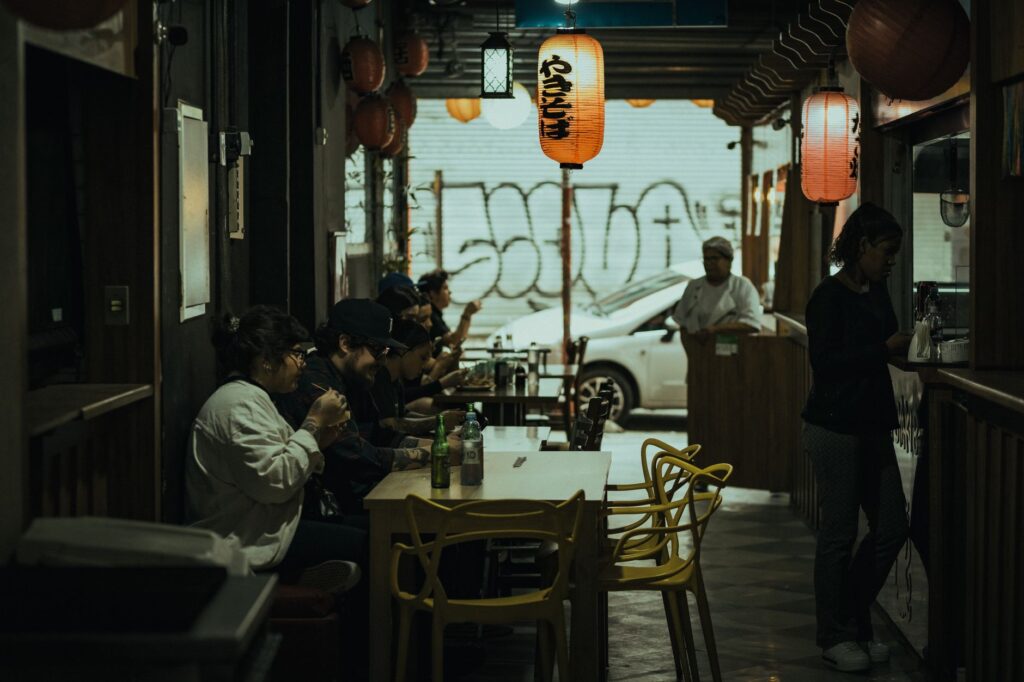
This evolution does not dilute Japanese heritage; rather, it enriches it through an honest dialogue with the host territory. Pastry masters and sushi chefs who arrived in Massachusetts decades ago have trained a new generation of local apprentices, building a solid cultural bridge. This knowledge transfer ensures that respect for centurial techniques—such as the ritual washing of rice or the daily sharpening of steel blades—coexists frictionlessly with the creative audacity of new American cuisine.
Practical guide
Getting There: Logan International Airport (BOS) offers direct connections to major European and domestic hubs. The public transit system (MBTA or ‘The T’) allows travelers to reach downtown in minutes via the Blue Line or urban water shuttles.
When to Go: The optimal season to enjoy the finest local bluefin tuna spans from early summer through late autumn, when the cold New England waters yield specimens with optimal fat infiltration.
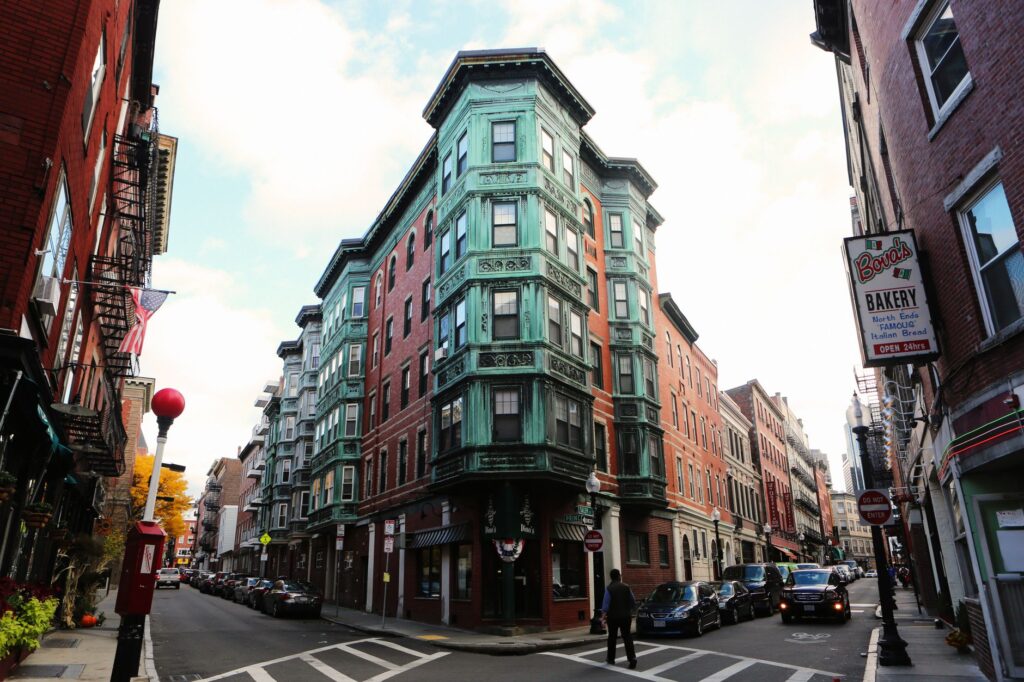
Reservations: Omakase temples in neighborhoods like Back Bay, the South End, or the Financial District require planning weeks or months in advance. Seats typically open on specific digital platforms on the first day of each month.
Counter Etiquette: Diners are advised to avoid heavy perfumes to prevent altering the olfactory experience of fellow guests. Nigiri should preferably be eaten in a single bite, and when using soy sauce, only the fish should be dipped, never the rice, to prevent it from crumbling apart.
Recommended Accommodations: For total immersion in the culinary scene, boutique hotels in Back Bay offer a strategic location within walking distance of the city’s premier sushi bars.
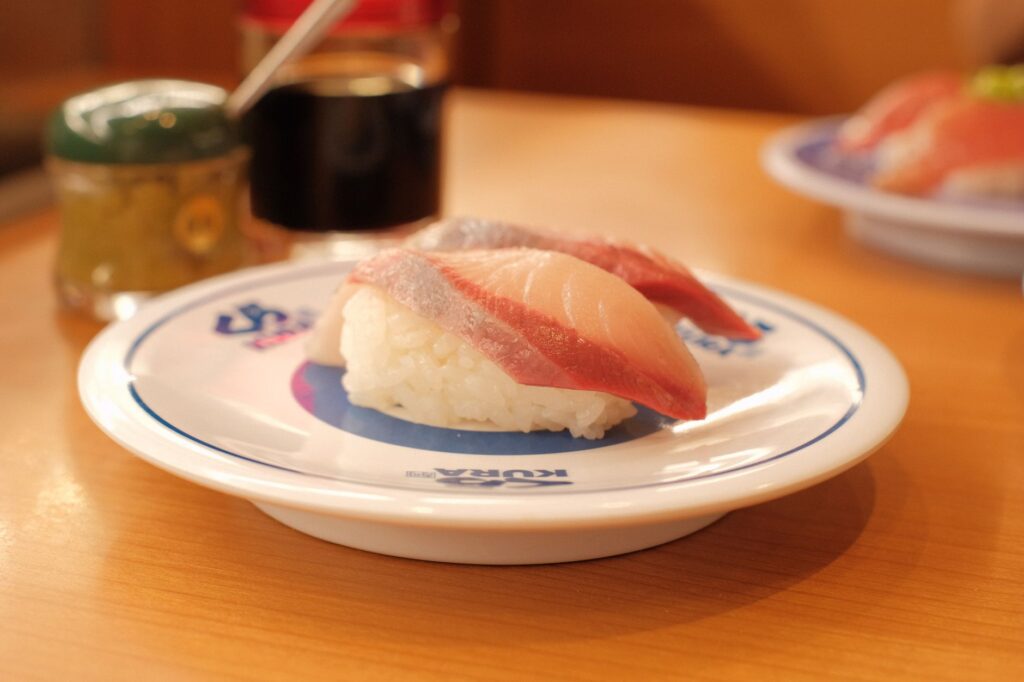
Budget: A complete omakase experience at acclaimed venues ranges from $150 to $350 per person, excluding beverages, while lunches and à la carte menus at neighborhood spots offer more accessible options.
The Ephemeral Art of the Last Bite
When the final piece of tamago—the sweet, spongy omelet traditionally crowning omakase menus—fades on the palate, there remains the certainty of having witnessed something unrepeatable. Boston’s sushi scene no longer competes with New York nor seeks the condescending approval of Tokyo; it has found its own voice at the exact intersection of centinel rigor from ancient techniques and the brash, saline fury of the North Atlantic. In every dimly lit counter, beneath the concentrated gesture of the master shaping the final cut, the city rewrites its history bite by bite, proving that true culinary destination status is measured not by the accumulation of tourist clichés, but by the capacity to move through the absolute purity of the ephemeral.
Source in English: Condé Nast Traveler (https://www.cntraveler.com/story/boston-is-one-of-americas-best-sushi-cities-heres-where-to-make-a-reservation)