
Introduction to Geothermal Mobility in the North Atlantic
At the southwestern tip of Iceland, where the Mid-Atlantic Ridge breaks the surface across a landscape of recent lava flows and steaming fissures, the Reykjanes Peninsula confronts a contemporary dilemma: how to articulate an efficient transport system for residents and travelers without compromising the geological fragility of the territory. For decades, the expansion of tourism flows toward the Icelandic capital and Keflavík International Airport relied almost exclusively on private road transport, generating recurrent congestion on secondary arteries and unsustainable pressure on natural parking lots within geothermal fields. Rather than choosing massive highway expansions, a consortium of local municipalities, public transport operators, and geophysical research centers has launched a pioneering regional mobility model based on heavy electrification and the restoration of ancient bridle paths.
This transformation is not an aesthetic whim, but an imperative necessity for climate adaptation and territorial resilience. The peninsula, marked by recent volcanic reactivations in the Fagradalsfjall and Svartsengi systems, demands transport infrastructure capable of operating under extreme conditions of active volcanism, gale-force winds, and volcanic ash accumulation, while drastically cutting greenhouse gas emissions. The result is an intermodal network intertwining high-capacity electric buses adapted to extreme cold with a mesh of pedestrian and cycling trails that recover historical routes used by Icelandic fishermen and farmers before the advent of the internal combustion engine.
The Arterial Network of Extended-Range Buses
The core of mechanical transformation lies in the radical renewal of the fleet connecting the municipalities of Grindavík, Sandgerði, Garður, and Vogar with the main axis toward Reykjavík. Conventional diesel vehicles have been progressively replaced by electric units equipped with solid-state batteries and thermal management systems optimized to withstand sub-zero temperatures without sacrificing operational range. These buses not only transport passengers between urban centers, but also integrate modular compartments for mountain gear and bicycles, facilitating a seamless transition between urban displacement and access to protected natural areas.
The mobility engineers in charge of the project faced a major technical challenge: Reykjanes’ volcanic topography, characterized by steep slopes and abrasive porous basalt soils. To solve this, intelligent pneumatic suspensions and special compound tires were designed to minimize wear on fragmented lava. Furthermore, rapid-charging stations located at strategic points draw power directly from local geothermal energy surpluses, closing an energy loop that turns the volcanic subsurface itself into the motor of sustainable mobility.
The Recovery of Historical Trails as Soft Transport Axes
Parallel to the electrification of the main road, the plan has restored over two hundred kilometers of ancient bridle paths and pedestrian routes that had been abandoned for decades. These trails, known locally as fjarðargötur, originally served as the only terrestrial communication routes between southern fishing settlements and interior farmers. Today, their physical restoration has been executed using bioengineering techniques that prevent the erosion of fragile volcanic soil, enabling safe use for mountain bikers, hikers, and local residents who choose active mobility for medium-distance journeys.
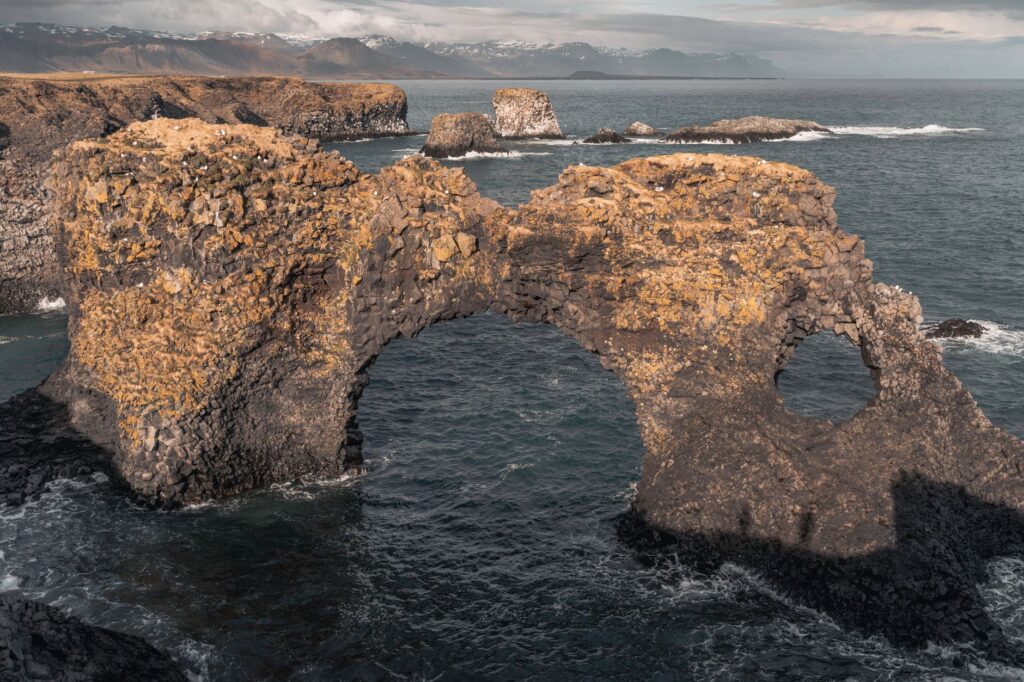
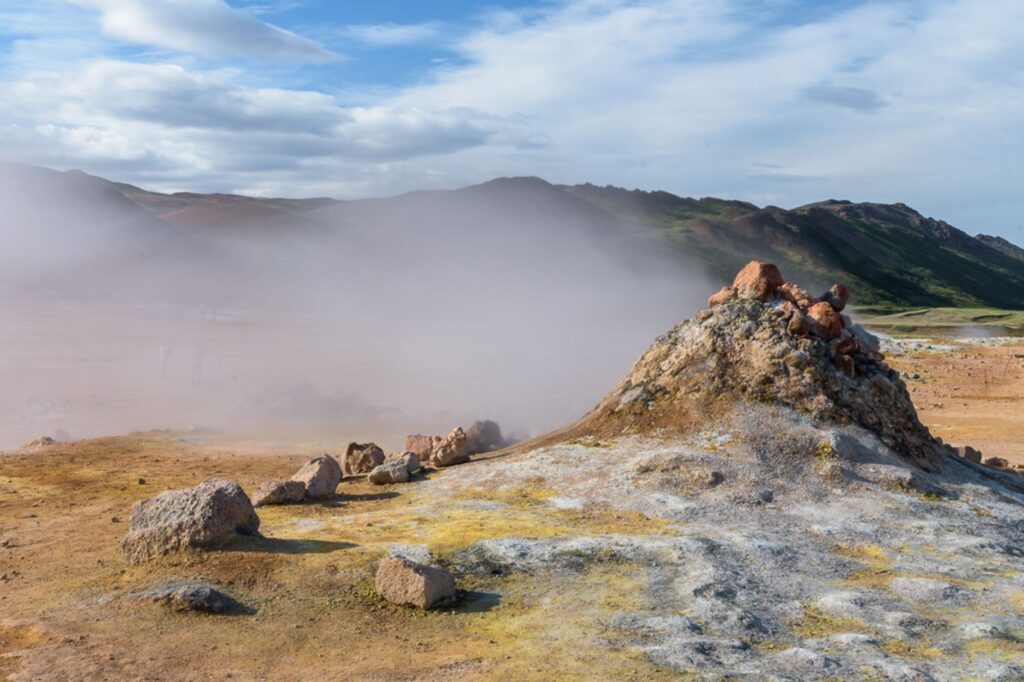
The integration of these paths into the regional transport network is complemented by low-power digital information panels and solar-powered beacons providing real-time meteorological data. This soft infrastructure discourages private vehicle use on weekends, equitably distributing visitor flows toward less congested high-scenic-value areas, such as the Krýsuvík cliffs and the Seltún thermal fields, thereby preventing the saturation of traditional iconic spots.
Community Governance and Supramunicipal Planning
The success of this transition cannot be explained solely from a technical perspective; it responds to a horizontal governance model where local neighborhood boards, nature guide associations, and adventure tourism companies participate in binding decision-making. Monthly meetings of the Reykjanes Mobility Council allow adjustments to electric bus frequencies according to the tourist season, weather alerts issued by the Icelandic Meteorological Office, or temporary closures derived from seismic activity.
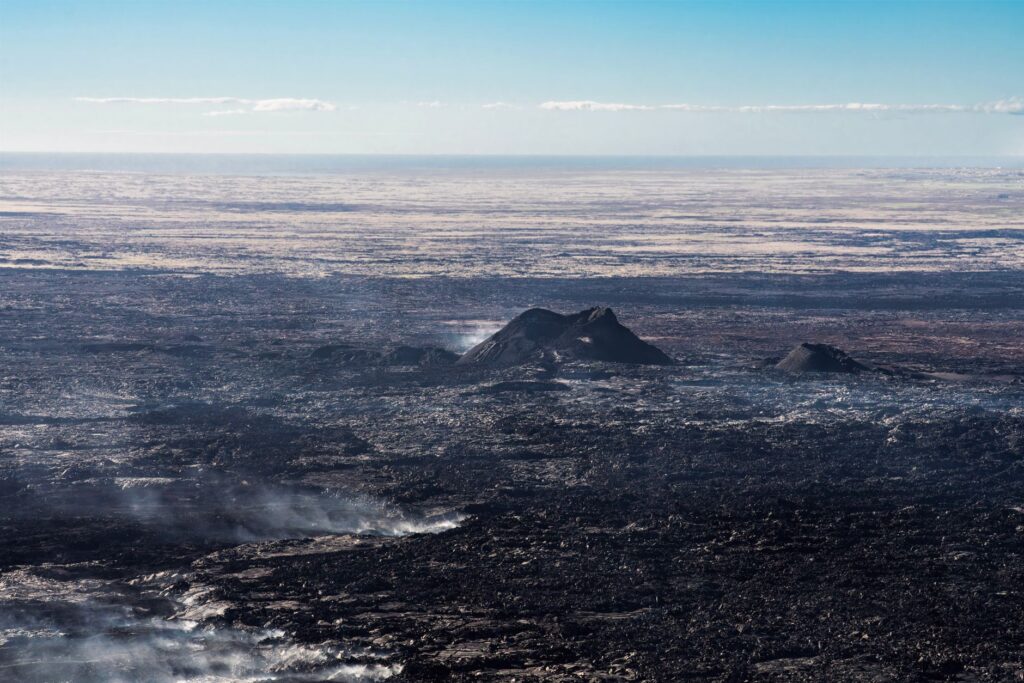
True sustainability in an active volcanic territory does not consist of building unbreakable infrastructure, but of designing flexible transport systems capable of adapting to the unpredictable heartbeat of the earth.
This participatory approach has successfully aligned the commercial interests of the tourism industry with the rights of permanent residents, who for years bore the external costs of mass traffic without perceiving direct benefits in their public services. Under the new system, revenues generated from access fees to geothermal interpretation centers are allocated entirely to the maintenance of the rural public transport network, guaranteeing free or low-cost access for registered locals.
Logistical Challenges in Eruption and Emergency Scenarios
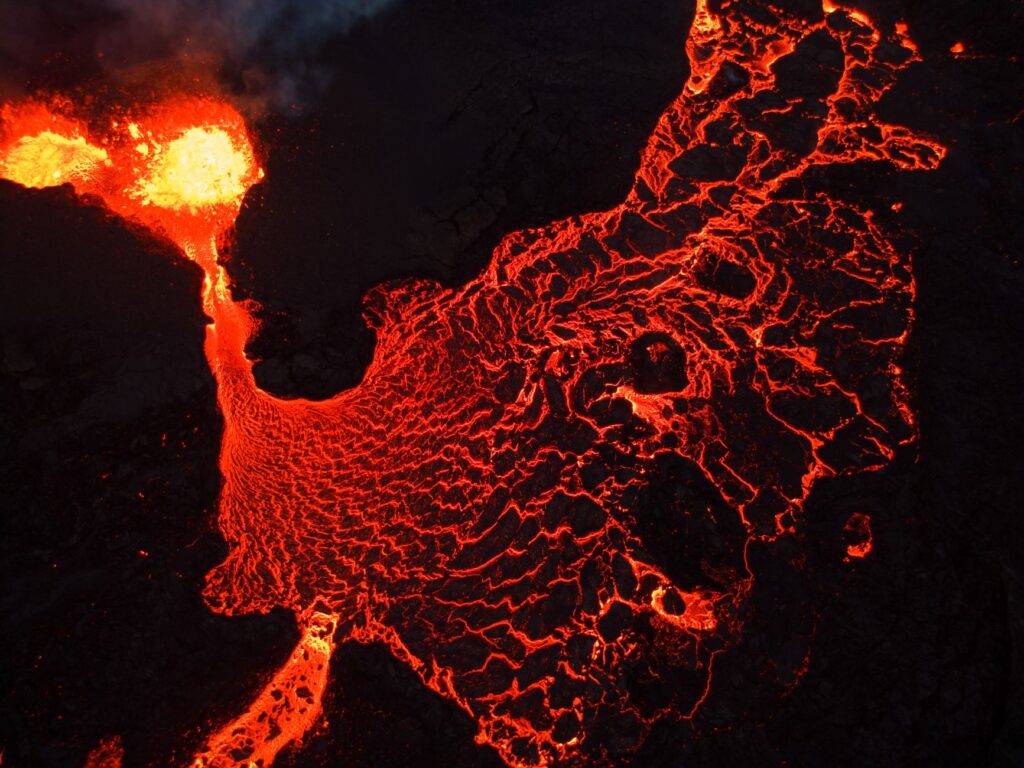
Reykjanes’ geographical location imposes an unquestionable reality: the constant volcanic threat. During recent fissure eruption episodes on the peninsula, transport infrastructure has had to demonstrate its capacity to respond to emergency evacuations and unforeseen closures of main roads. The new fleet’s electric buses have been equipped with high-efficiency air filtration systems capable of retaining fine volcanic ash particles and sulfurous gases, allowing their safe use as civil evacuation vehicles during critical situations.
Likewise, coordination protocols between civil protection teams and transport operators have been fully digitized. Bus stops now act as intermediate shelters equipped with energy autonomy via solar panels and backup geothermal generators, ensuring basic communication and supplies for stranded travelers while alternative routes are reopened or emergency corridors are executed over cooled lava flows.
Socioeconomic Impact on Small Fishing Enclaves
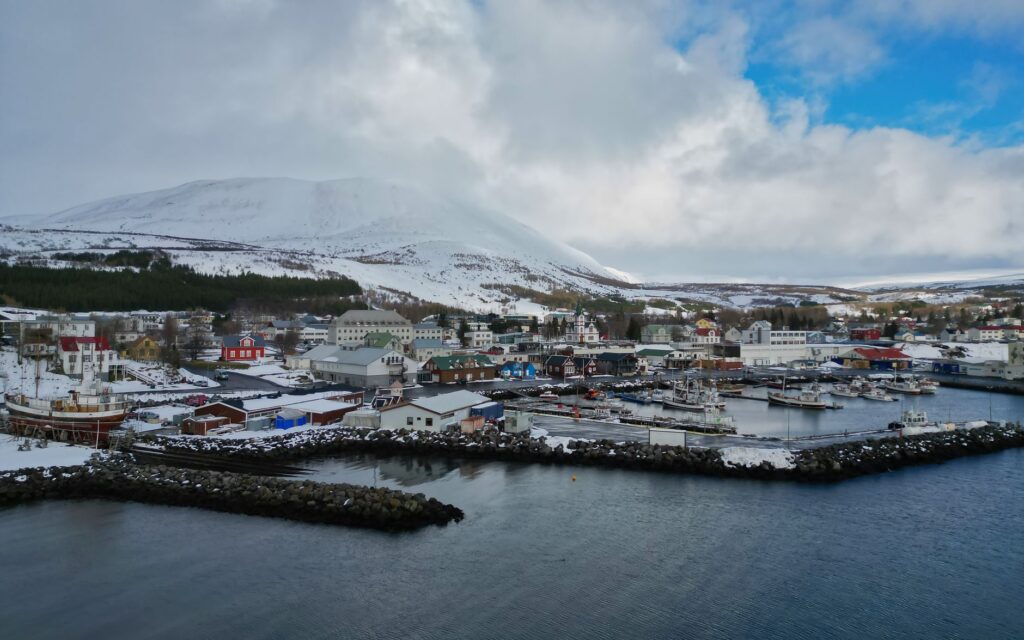
The revitalization of public transport has positively altered the demographic and economic dynamics of the peninsula’s smaller coastal towns. Localities like Vogar and Hafnir, which suffered progressive population aging and loss of services due to their relative isolation from Reykjavík, now experience an uptick in the arrival of young professionals and small businesses linked to the circular economy and green technology, attracted by the ease of commuting without needing a second car.
Local shops and seafood markets have adapted their schedules to the arrival of electric buses, creating a proximity consumption ecosystem that directly benefits the island economy. Visitors, meanwhile, enjoy a slower travel experience connected to the Icelandic outdoors, moving away from the express tourism of large polluting coaches that characterized the previous decade.
Practical guide
Planning a trip focused on sustainable mobility across the Reykjanes Peninsula requires understanding its logistical and meteorological particularities.
- How to get there: The natural entry point is Keflavík International Airport. From there, the main electric bus line connects directly to the regional network without requiring private car rentals.
- When to travel: Summer months (June to August) offer a greater number of frequencies and daylight hours to combine bus travel with walking routes; however, winter (November to February) provides a unique landscape experience under the northern lights, demanding constant consultation of Meteorological Office alerts.
- Tickets and connectivity: It is recommended to download the unified Reykjanes public transport app, which integrates multi-trip pass purchases, electric bicycle rentals, and real-time trail status updates.
- Recommended gear: Sturdy mountain footwear with grippy soles for lava paths, three-layer waterproof clothing, and thermal layers adapted to sudden Atlantic wind shifts are essential.
- Environmental regulations: Venturing off marked trails in geothermal areas and over recent lava flows is strictly prohibited due to the risk of ground collapse and the protection of fragile moss vegetation.
Final Outlook Toward the Atlantic Horizon
At the western edge where Iceland’s land seems to dissolve into the ocean, the collective effort to redesign mobility across the Reykjanes Peninsula transcends mere transport engineering. It is a profound exercise of respect toward an indomitable geological environment that constantly reminds us of its sovereignty over human activities. By replacing the noise and combustion of heavy vehicles with the silent advance of geothermal electricity and the meditative pause of recovered paths, these communities demonstrate that the future of tourism and human habitation in the planet’s most fragile territories lies in the ability to listen to the earth’s deep rhythm and walk in unison with it.