
Introduction to the Stone Heart of the Julian Alps
The Alpine territory has historically stood as a formidable obstacle to European civil engineering. Among limestone summits exceeding two thousand meters in altitude and valleys carved by ancient glaciers, human mobility has relied for centuries on narrow passes and bridle paths highly susceptible to avalanches. Within this extreme geographical context, the Bohinj railway line emerges as one of the most daring and striking infrastructure works ever conceived on the European continent. Inaugurated in the early 20th century under the Austro-Hungarian Empire, this route is not merely a means of transport, but a monument of steel and masonry defying the logic of the mountains.
Along its route, connecting the Slovenian town of Jesenice with the Italian port city of Trieste via the Bohinj pass and the Gorizia region, the railway unfolds through a landscape of dizzying gorges, turquoise rivers, and impenetrable forests. The thesis underpinning this analysis posits that the survival and modernization of these historical routes respond not only to economic efficiency, but to an imperative necessity for territorial cohesion and decarbonization in regions where road traffic has reached its ecological limit. Analyzing the Bohinj line is understanding the delicate balance between industrial heritage and the demands of modern transport.
Imperial Genesis and Geographical Layout
The construction of the Bohinj line between 1900 and 1906 formed part of an ambitious geopolitical strategy by the Habsburg monarchy: to provide its primary seaport, Trieste, with a direct and rapid connection to the center of the empire and northern European markets, without relying exclusively on the congested Vienna-Ljubljana line. Imperial engineers faced a wild terrain where every kilometer of track demanded titanic solutions. The Soča River, with its deep limestone canyons, and the bulk of the Julian Alps required the boring of dozens of tunnels and the construction of monumental bridges suspended over abysses.
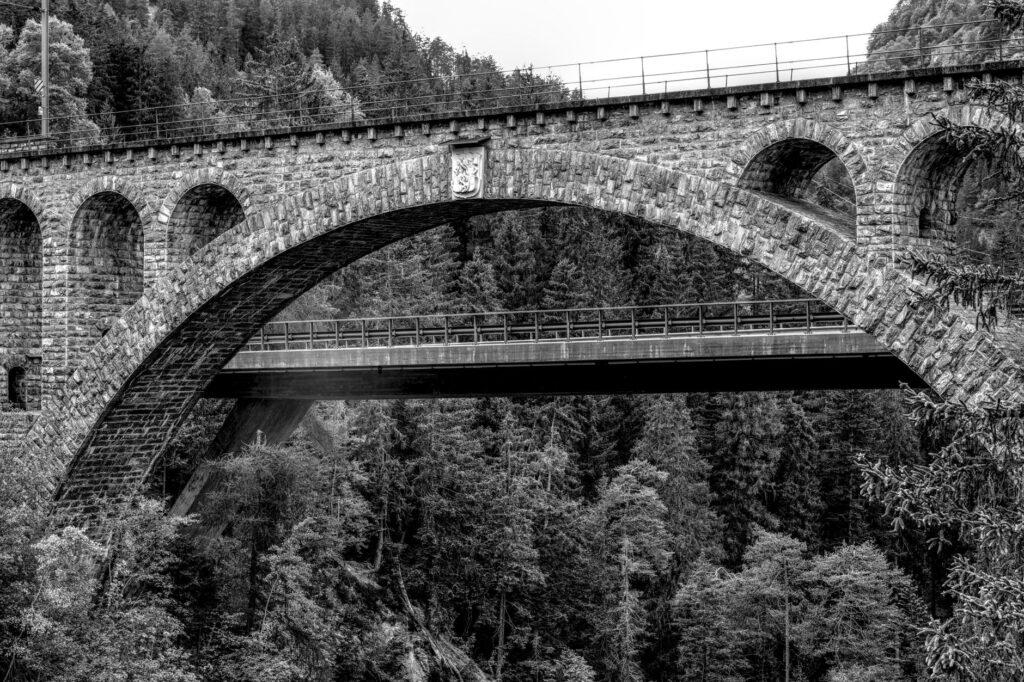
The most celebrated element of this journey is the grand Solkan Bridge over the Soča River, renowned for possessing the longest unreinforced stone arch in the world. This architectural colossus, rebuilt after the devastation of the First World War, symbolizes the fusion between technical audacity and aesthetic respect for the natural environment. Throughout the route, the train meanders, overcoming impossible gradients through continuous ramps and tight radius curves, demonstrating that alpine topography is not conquered by brute force, but through precise cartographic design that exploits every fold of the rock.
Underground Engineering: The Bohinj Tunnel and Its Challenges
If exterior viaducts captivate with their slenderness, the bowels of the mountain conceal the true construction challenge of the line: the Bohinj tunnel. Spanning over six kilometers, this tube excavated in living rock in the past century represented a titanic feat demanding the toil of thousands of workers under extremely harsh conditions. Constant humidity, underground water seepage, and geological risks marked a project where accidents and diseases decimated excavation crews hailing from diverse corners of the empire.
Today, the Bohinj tunnel continues to fulfill a fundamental logistical function, although its interior infrastructure has required ongoing consolidation work. Natural ventilation, drainage of snowmelt, and the stability of masonry linings are subject to continuous monitoring by Slovenian railway operators. In this subterranean stretch, time seems to stand still, but signaling and safety systems have been progressively updated to comply with rigorous European standards for passenger and freight rail transport.
True sustainability in alpine environments does not consist of paving more routes for electric vehicles, but in optimizing and revitalizing the iron arteries that our ancestors designed with deep respect for the territory’s topography.
The Intermodal Transport System in the Soča Valley
The connectivity of the Bohinj line is not restricted to long-distance convoys; it functions as the backbone of a complex intermodal system linking the railway with local bus services, cycling paths, and seasonal river transport. At key stations like Most na Soči or Kanal ob Soči, travelers encounter transfer points designed to minimize the impact of private vehicles within the protected valleys of Triglav National Park. This integration is vital for communities experiencing severe tourist pressure during the summer months.
One of the most unique services still operating on this line is the motorail (*autos_kavarna*), a specialized train carrying cars and their occupants through the Bohinj tunnel, bypassing the mountain road pass which is frequently impassable during winter due to snow and ice. This service demonstrates the versatility of a centennial infrastructure in meeting contemporary mobility needs while preventing the congestion of secondary roads winding through the protected valleys of the Julian Alps.
Socioeconomic Impact and the Maintenance Dilemma
Maintaining a mountain railway infrastructure over a century old represents a monumental financial and technical challenge. Slovenia’s railway infrastructure authorities face the constant dilemma of investing in the modernization of catenaries, centralized traffic control systems, and track renewal, while preserving the heritage value of stations, bridges, and tunnels protected by historic conservation laws. The depopulation of some rural areas adjacent to the line contrasts with the boom in nature tourism, generating drastic fluctuations in passenger demand.
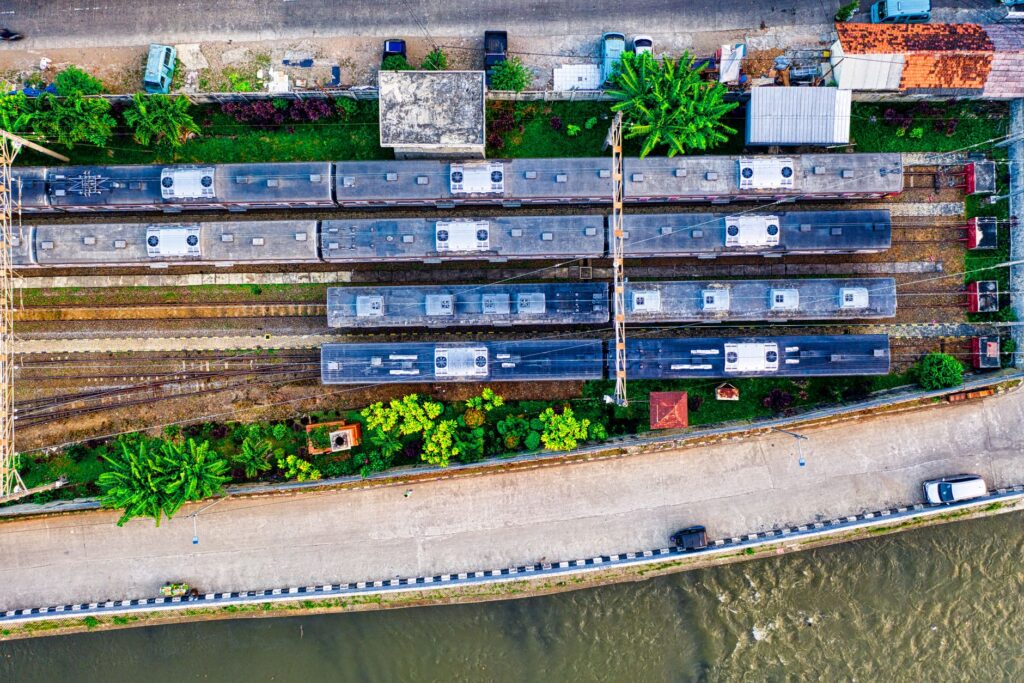
Despite these economic difficulties, socioeconomic analyses demonstrate that the Bohinj line acts as a buffer against regional isolation. Small farming communities and tourist towns depend on this corridor for non-perishable goods supply and to guarantee daily commutes for students and workers traveling to peripheral urban centers. The loss of this rail connection would imply a collapse in the region’s sustainable mobility, forcing absolute dependence on motor vehicle transport within a fragile biosphere reserve.
Ecological Transition and the Revival of the Alpine Train
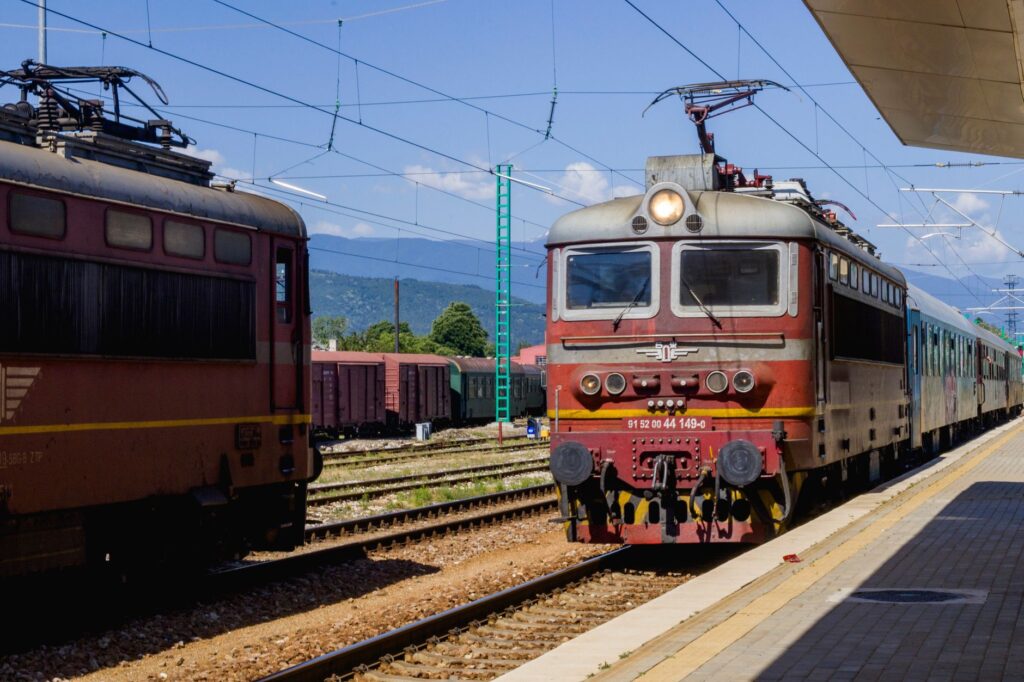
Within the framework of European transport decarbonization policies, the Bohinj line is experiencing renewed institutional and academic interest. Facing emissions generated by road traffic crossing alpine passes, the railway stands out as the cleanest and most efficient alternative. Although significant stretches of the route still rely on diesel traction due to the technical complexity and high economic cost of full electrification, operators are studying the introduction of hybrid locomotives and hydrogen fuel cell units adapted to harsh high-mountain conditions.
This forward-looking vision is not without technical hurdles; adapting the clearance gauges of ancient tunnels to allow standard freight container transit and improving journey times are recurrent demands from user associations and local entrepreneurs demanding stronger financial commitment from regional states.
The Future of Cross-Border Connectivity
The border between Slovenia and Italy, marked in the past by deep political and economic divisions, finds in the Bohinj line a bridge of cross-border cooperation today. Projects to revitalize regional services connecting Gorizia with Nova Gorica — cities sharing urban and cultural spaces — demonstrate that the railway can act as a catalyst for European integration. However, bureaucracy among different national railway administrations and disparities in signaling protocols remain operational roadblocks slowing journey fluidity.
For transport planners, the medium-term objective is to consolidate an intermodal corridor efficiently connecting the Alps with the Adriatic Sea, competing on equal terms with road freight transport. The success of this endeavor will depend on the capacity of central and regional governments to coordinate long-term investments, ensuring that the alpine railway heritage does not become an unusable museum piece, but an active engine of economic development and territorial cohesion.
Practical guide
How to get there: The main access to the Bohinj line is via Jesenice station, connected by regular rail services with Ljubljana and Villach (Austria). From the south, access is provided from Nova Gorica and the Italian railway network.
When to travel: Spring months (May and June) and early autumn (September and October) offer stable weather conditions and lower tourist crowding. Winter presents spectacular snowy landscapes, although subject to potential maintenance restrictions.
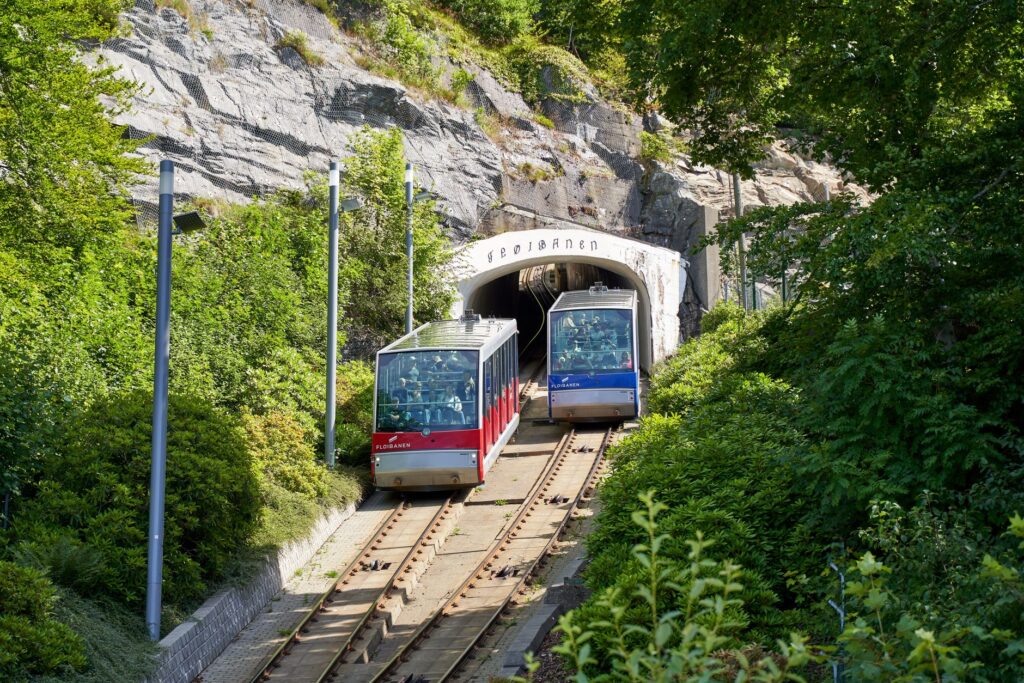
Mobility recommendations: Utilize the motorail (*autos_kavarna*) service to cross the Bohinj tunnel with your vehicle if mountain pass weather conditions are adverse. It is essential to check updated timetables on the official website of Slovenian Railways (*Slovenske železnice*), as sections undergo periodic maintenance work.
Accommodation and services: The towns of Bohinj, Bled, and Most na Soči offer small rural hotels and guesthouses linked to the Triglav National Park sustainable tourism network. Advance booking is strongly recommended during the summer season.
Visual Epilogue Between Peaks and Abysses
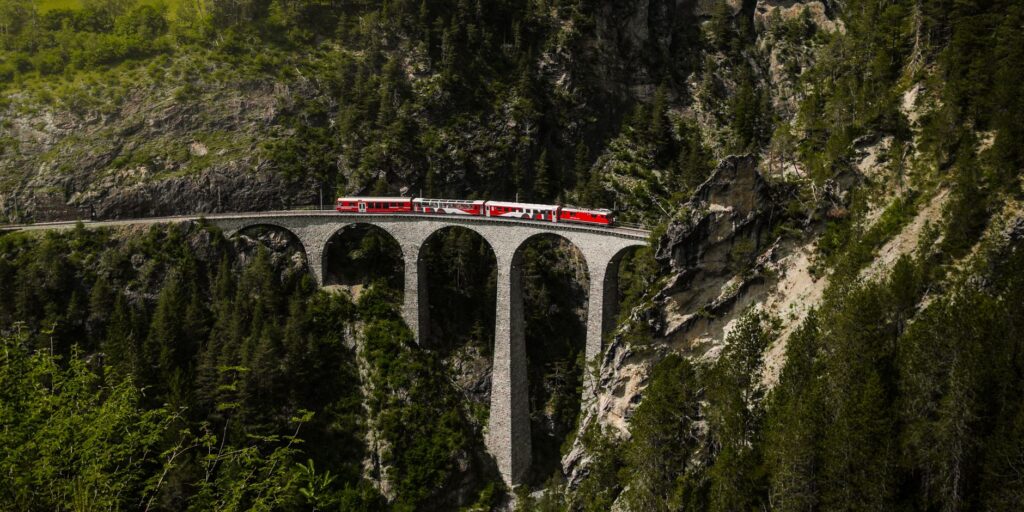
When the last ray of sunlight illuminates the stone pillars of the Solkan viaduct, the silhouette of the train set against the alpine sky acquires an almost poetic dimension. It is not merely a machine moving over steel rails, but the persistence of human intelligence against the hostile immensity of nature. This railway corridor, shaped by the effort and resilience of past generations, continues to beat in silence, reminding every traveler that the true measure of progress lies in our ability to connect distant worlds without destroying the fragile sanctuary that shelters them.