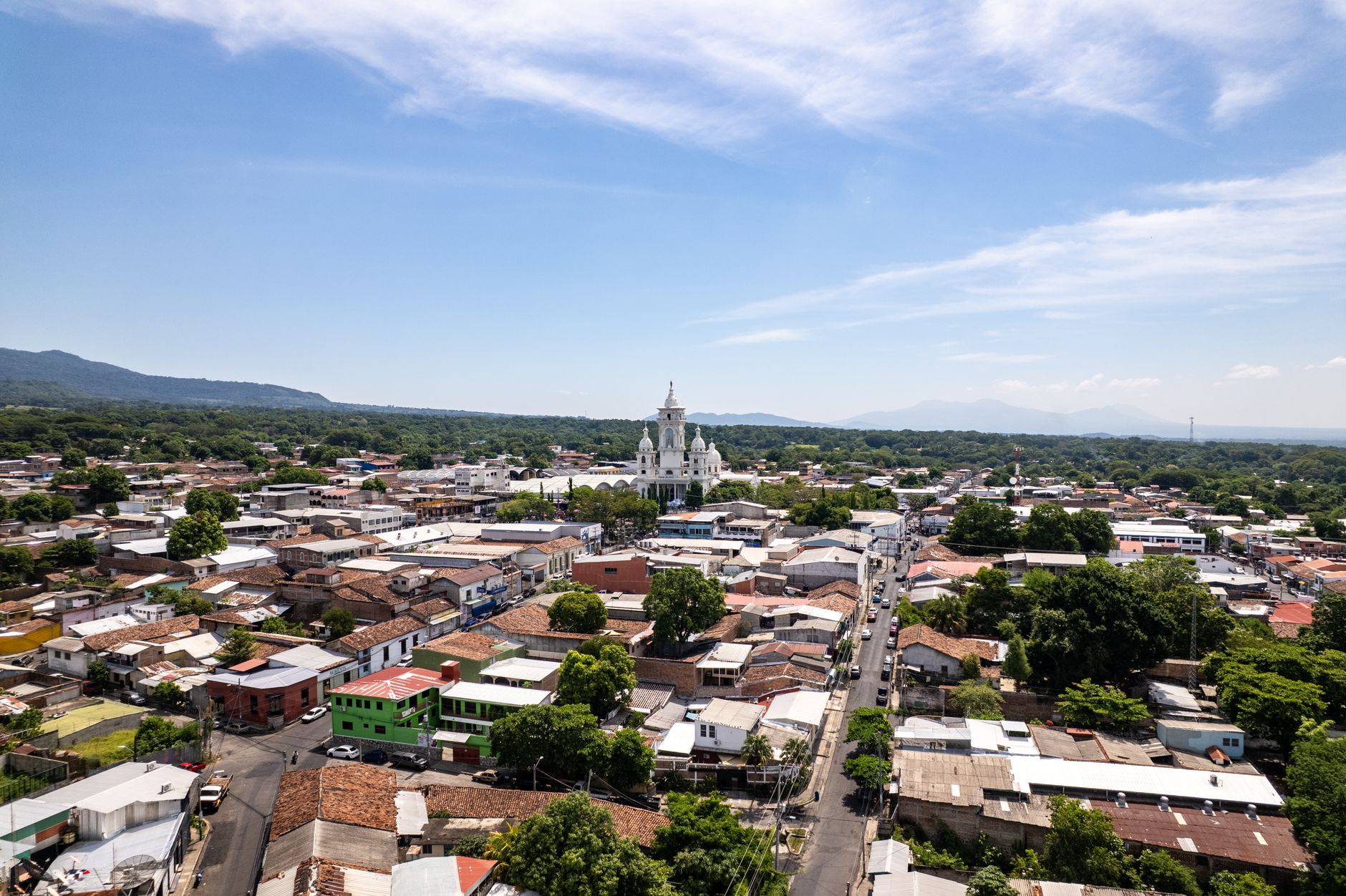

In recent years, the way Spanish travelers conceive rest and discovery has undergone a profound mutation. The horizon of 2026 is no longer shaped by the distance of long-haul international flights or the massification of standardized global itineraries, but by the reclamation of the local. Domestic tourism and, most notably, immersion in proximity cooking, have emerged as the backbone of a new travel sensitivity where the territory is savored bite by bite.
This phenomenon is not a passing fad, but a structural transformation in consumer priorities. The pursuit of authenticity, concern for ecological footprints, and the desire to connect with rural and coastal communities that preserve secular trades have turned food markets and local produce into the true monuments of our time. Traveling no longer consists of collecting distant snapshots, but of understanding a landscape through its pots, its food markets, and its designations of origin.
The strategic retreat towards interior and coastal territories
Trends analyzed by the tourism sector looking ahead to 2026 point to a clear shift in flows toward proximity destinations. Weekend getaways and medium-duration stays within Spanish geography are gaining ground against large displacements. The domestic traveler is rediscovering forgotten regions, towns in Spain’s interior, and coastal strips where mass tourism has not yet distorted the rhythm of daily life.
In this context, wine-growing regions, valleys producing extra virgin olive oil, and local fishermen’s guilds act as magnets. The hospitality infrastructure has successfully adapted to this appetite for the genuine, with a proliferation of small boutique hotels, rural houses with private gardens, and agritourism experiences that integrate lodging with the daily work of the land.

The traveler’s metamorphosis: from passive tourist to active diner
The profile of the contemporary traveler has evolved from a mere spectator to an active participant. It is no longer enough to sit at the table of a recommended restaurant; there is a demand to know the origin of the raw material. Visits to centuries-old olive mills, guided routes through fish markets at dawn, and artisan cheese-making workshops are now an inescapable part of the vacation itinerary.
This demand for direct knowledge fosters a circular economy that directly benefits local producers. The consumer is willing to pay a fair value when they understand the human and temporal effort behind an artisanal product, recovering respect for the natural cycles of agriculture and extensive livestock farming.
The plate is no longer just sustenance or aesthetic enjoyment; it has become the most reliable historical document of a human community.
Food markets as new cultural sanctuaries
Far from being mere spaces for commercial transaction, municipal markets and food squares have established themselves as the true nerve centers of social and cultural life in towns and cities. These enclosures, often housed in architectural jewels of the 19th and 20th centuries, concentrate the essence of the regional pantry and offer the traveler an instantaneous X-ray of the culinary identity of the place.
Strolling through the aisles of a traditional market today involves witnessing a harmonious coexistence between lifelong stalls—with their fishmongers, butchers specializing in native breeds, and seasonal greengrocers—and new tasting spaces where popular recipes are reinterpreted in a contemporary tapas format. This hybridization revitalizes urban centers and prevents aggressive touristification of historic districts.
Architecture, history, and produce under a single roof
The rehabilitation of these commercial spaces has represented an urban revitalization in numerous provincial capitals. Wrought-iron structures, modernist stained glass windows, and exposed brick vaults now house an offering that combines traditional shopping with culinary education. In these enclaves, visitors can purchase a mountain-herder cheese and, a few meters away, enjoy a guided tasting led by expert sommeliers.
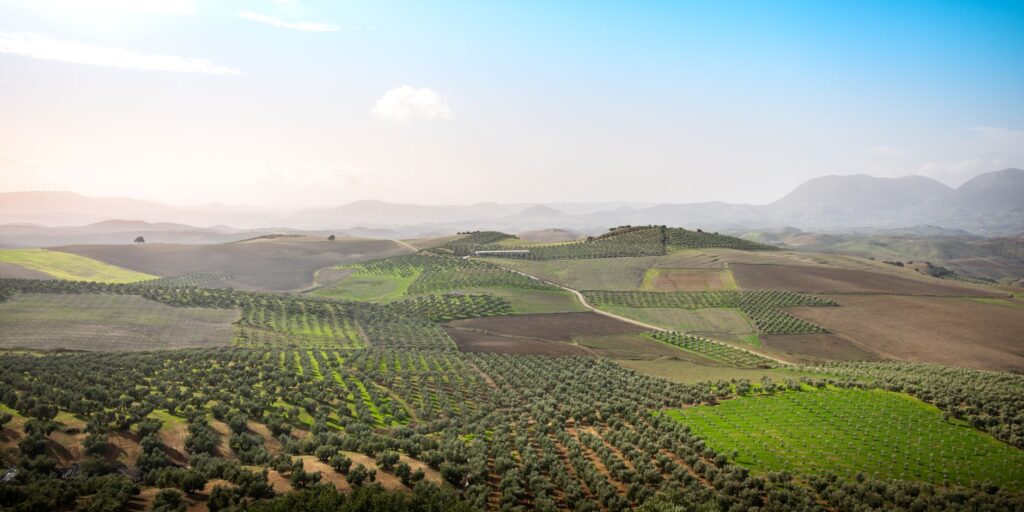
Market cuisine is thus vindicated as an exercise in radical sustainability. By shopping and cooking with seasonal and zero-kilometer produce, the carbon footprint is drastically reduced, and native agricultural varieties that were at risk of disappearing in the face of global crop homogenization are rescued.
The cuisine of memory: rescuing endangered recipes
One of the most notable aspects of this trend toward proximity gastronomic tourism is the eagerness to rescue grandmothers’ recipes. Long-cooked stews, preparations featuring offal elevated to the category of haute cuisine, harvest soups, and convent sweets once again occupy a place of honor on the menus of establishments committed to identity.
This rescue is not an exercise in sterile nostalgia, but a valuable anthropological labor. Young chefs trained in top culinary schools are returning to their places of origin to apply cutting-edge techniques to ancestral preparations, achieving a perfect balance between gustatory memory and the lightness demanded by current nutritional standards.
The role of zero-kilometer restoration
Establishments certified under the zero-kilometer seal or those basing their proposals on a supply radius of less than one hundred kilometers are the standard-bearers of this shift. These venues renounce the dictatorship of out-of-season exotic ingredients to force themselves to create dynamic menus that change every few weeks depending on what the land and sea dictate.
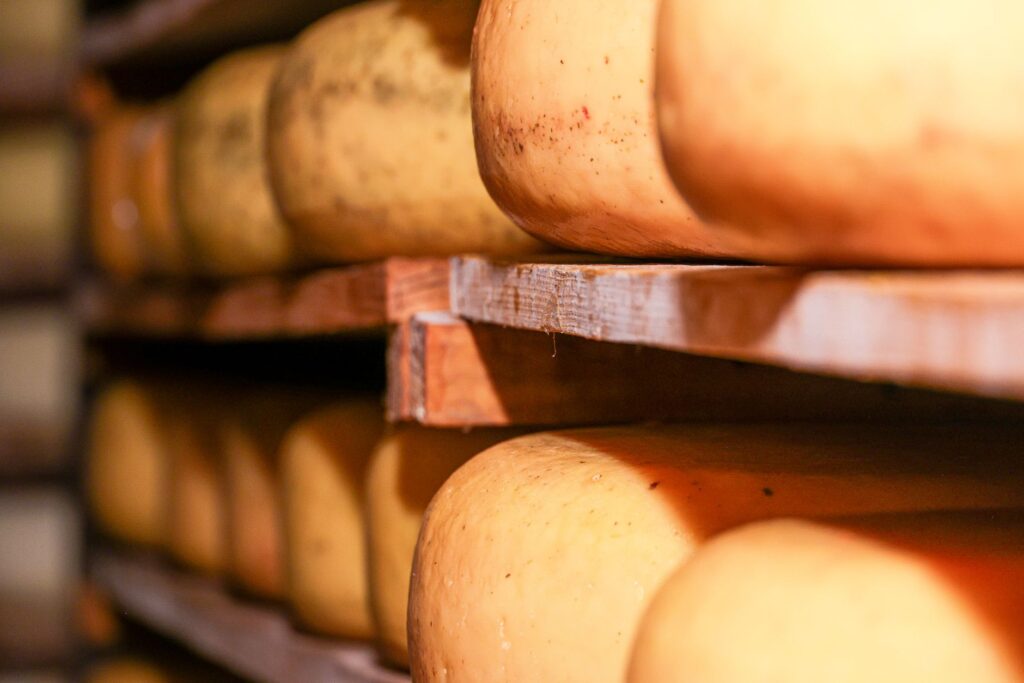
This philosophy requires an exercise of constant creativity on the part of the chef, who must maintain an ongoing dialogue with farmers, livestock breeders, and local fishermen to anticipate harvests and ensure the viability of small-scale agricultural holdings that constitute the demographic fabric of rural areas.
The true haute cuisine of the future will not be measured by the distance of its ingredients, but by the depth of its commitment to the immediate environment.
Socioeconomic impact in rural Spain
The rise of domestic gastronomic tourism exerts a direct and measurable impact on the revitalization of depopulated Spain. Entire regions that suffered progressive demographic abandonment are finding in the valorization of their endemic products—whether unique legumes, native livestock meats, or wines from small appellations—a solid path for economic development and population retention.
Enotourism, oleotourism, and cheese route initiatives generate stable employment and diversify the incomes of farming families who traditionally depended exclusively on the fluctuations of major harvests or prices set by industrial intermediaries. Travelers who buy directly from the winery or cheese dairy eliminate links in the value chain.
Sustainability and generational turnover in the countryside
One of the greatest challenges facing the primary sector in Spain is the lack of generational turnover. However, the cultural revaluation of the farmer, rancher, and food artisan profession, driven by this new flow of visitors interested in origin, is restoring pride to rural families.

Young people now find social and economic recognition that did not previously exist, encouraging them to assume management of family holdings by applying criteria of regenerative agriculture, commercial digitization, and openness to the public through experiential tourism.
Practical guide
Planning a proximity gastronomic tourism getaway in Spain looking towards 2026 requires a methodology based on curiosity, respect, and flexible planning.
Seasonal anticipation: Consult the harvest calendars for unique products (such as black truffle, seasonal mushrooms, or the grape harvest) before booking your accommodation to align your trip with the destination’s moments of maximum culinary expression.
Support for local commerce: Prioritize buying fresh produce at municipal markets and traditional grocery stores over large supermarkets during your stays in rural destinations.
Reservations for origin experiences: Contact olive mills, family wineries, and artisan workshops directly to secure guided tours in small groups that guarantee personalized and sustainable treatment.
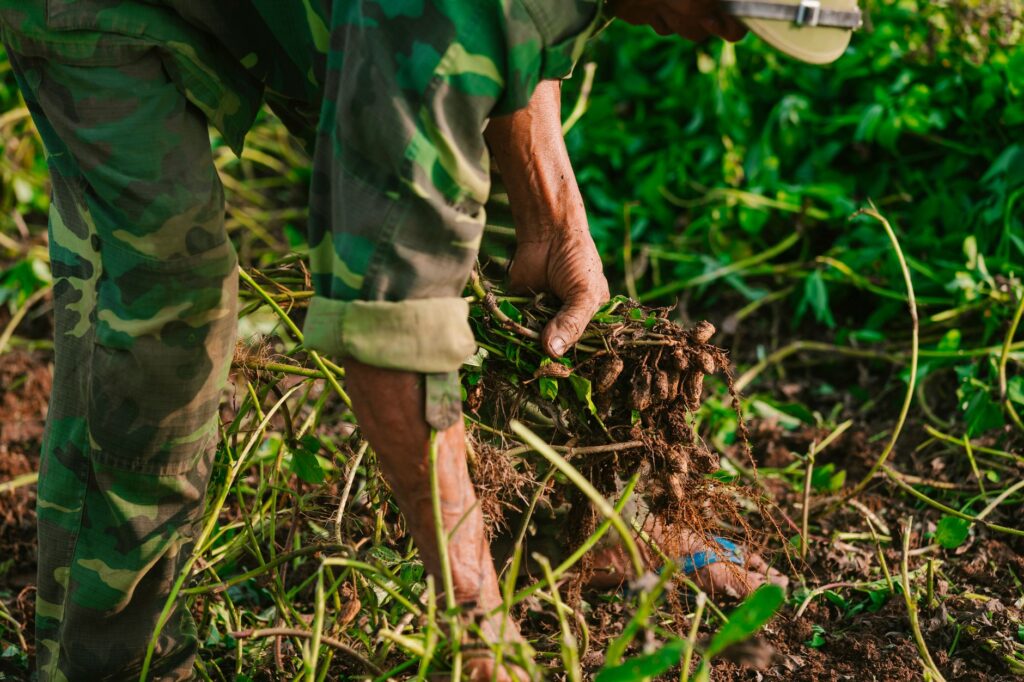
Sustainable mobility: Use regional trains or rent low-emission vehicles to travel along regional routes, minimizing environmental impact in protected natural environments.
The invisible heartbeat of the shared table
At the end of the trip, beyond the photographs accumulated on mobile devices or the bottles kept in suitcases, what truly endures in the traveler’s memory is the texture of a conversation shared around a communal table. Local gastronomy is not merely a sum of ingredients and culinary techniques; it is, in its most intimate essence, the most generous manifestation of human hospitality.
When travelers sit at the table of a rural dining room and taste a dish prepared with produce growing just a few kilometers away, they experience a fleeting yet profound form of belonging. They realize that each region has its own rhythm, its own cadence for understanding time and pleasure. And at that table, visitors cease to be strangers to become temporary parts of a collective narrative that has been written for centuries with the weathered hands of those who work the land.
Source: Demócrata